Health Hazards and Prevention: Tap Water Safety and Common Stomach Bugs
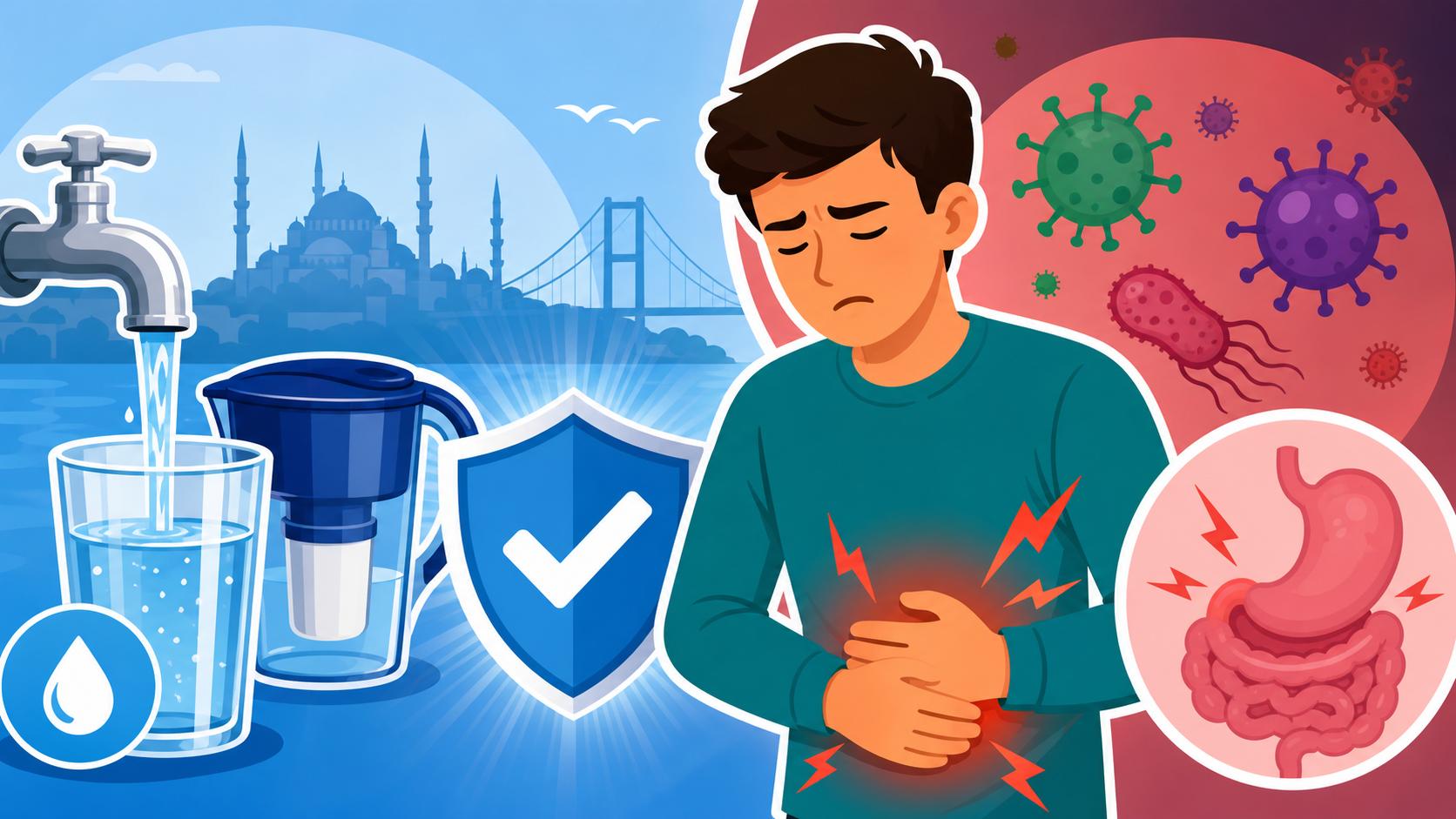
Nothing ruins a sunset over the Bosphorus faster than the sudden, frantic realization that you need a bathroom immediately. I remember my first month in Izmir, thinking I was "tough enough" to handle a little tap water in my tea, only to spend three days questioning every life choice I had ever made. This guide solves the mystery of Turkey's water safety and provides a battle plan for the inevitable stomach bugs every expat faces.
The Tap Water Dilemma: Why Drinking from the Sink is a No-Go
One of the first things you will notice when moving into an apartment in Istanbul, Ankara, or even a coastal villa is that nobody—and I mean nobody—pours a glass of water straight from the kitchen faucet. You might see locals using it to boil water for tea or coffee, assuming the heat kills off the "nasties," but for direct consumption, it is a universal hard pass. The frustration of not being able to drink your own tap water is real, especially when you are used to the convenience of high-quality municipal supplies in Northern Europe or North America.
Understanding the Infrastructure: Old Pipes vs. New Systems
The Turkish government and local municipalities (Belediyes) often insist that the water leaving the treatment plants is perfectly safe and meets World Health Organization standards. While that might be true at the source, the journey from the plant to your glass is a long and perilous one. Many of the urban centers in Turkey sit on ancient foundations, and the piping systems in older neighborhoods like Cihangir in Istanbul or Alsancak in Izmir are often decades, if not a century, old.
These aging pipes are prone to micro-fractures, which allow groundwater and contaminants to seep into the supply. Furthermore, many apartment buildings utilize rooftop or basement water tanks (depo) to ensure supply during maintenance cuts. If these tanks are not cleaned and disinfected annually—and let’s be honest, many landlords "forget" this task—they become breeding grounds for bacteria and sediment. This is why even if you have a great international health plan like Cigna Global, you still want to avoid the unnecessary risk of a preventable E. coli infection.
Chemical Treatment and the Taste of Chlorine
Even if the water in your specific neighborhood is biologically safe, the sheer amount of chlorine used to treat it makes it nearly undrinkable for many. The smell can be overwhelming, reminiscent of a public swimming pool. This heavy chlorination is a double-edged sword; it keeps the water sterile, but it can wreak havoc on your gut microbiome over time and, quite frankly, it makes your morning coffee taste metallic.
For expats with sensitive skin or hair, the high mineral content and chlorine can also cause dryness and irritation. While we are focusing on internal health hazards here, it is worth noting that many of us end up installing shower filters just to stop our hair from turning into straw. To combat the internal effects of treated water, many residents turn to high-quality probiotics sourced from iHerb to help maintain a healthy digestive balance while their bodies adjust to the local environment.
The Damacana Lifestyle: Ordering Water Like a Pro
Since tap water is off the table, you will quickly become acquainted with the "Damacana"—the 19-liter plastic jug that is the lifeblood of every Turkish household. When I first arrived, I found the logistics of this baffling. How do you get them? Who do you call? It feels like a secret club until you see the delivery scooters zooming through the narrow streets. You can order these via apps like Getir or BiSu, or simply find the local "Sucu" (water seller) in your neighborhood and save their WhatsApp number.
The "Damacana" system is incredibly efficient but requires a bit of planning. You’ll need a manual or electric pump (pompa) to get the water out. While this is the standard way to live, some expats find the plastic waste and the physical labor of lifting these jugs exhausting. In response, many are turning to advanced under-sink filtration systems. However, even with a filter, most veterans will tell you to keep a few bottles of "Erikli" or "Hayat" on hand just in case. If you do end up feeling a bit "off" from a bad batch of water, having a reliable expat-friendly policy from Cigna Global ensures you can visit the best private clinics without worrying about the bill.
| Water Source | Safety Level | Best Use Case | Typical Cost (2026) |
|---|---|---|---|
| Tap Water (Musluk Suyu) | Low | Cleaning floors, flushing toilets | Low (Included in utility) |
| Boiled Tap Water | Medium | Tea (Çay) and Coffee | Low |
| Damacana (19L) | High | Drinking, Cooking, Ice | 80 – 120 TL per bottle |
| Bottled (0.5L – 5L) | High | On the go, Emergencies | 10 – 45 TL |
| Filtration Systems | Variable | Drinking and Cooking | 5,000+ TL (Initial setup) |
Navigating Common Stomach Bugs: The Sultan's Revenge
Whether it’s a stray ice cube in a cocktail or a salad washed in tap water at a local "lokanta," most foreigners will experience at least one bout of significant digestive distress during their first year. Locally, it’s often joked about, but when you are the one stuck in bed, it’s no laughing matter. Understanding what you are dealing with is the first step toward a speedy recovery.
Bacterial vs. Viral Infections: Knowing the Difference
In Turkey, stomach issues usually fall into two categories: the standard "traveler's diarrhea" (often bacterial) or the dreaded Norovirus (viral). Bacterial infections are common when your gut isn't used to the local strains of bacteria found in food and water. This is often where Food Poisoning in Turkey: When to Go to the ER vs Relying on a Pharmacy becomes essential reading. If you have a fever, bloody stools, or intense cramping, it’s likely bacterial and might require a trip to the doctor.
Viral infections, on the other hand, tend to sweep through expat communities during the winter months. They are highly contagious and hit hard and fast. In these cases, antibiotics won't help, and the focus must be on hydration. I’ve found that keeping a stash of electrolyte powders from iHerb in my medicine cabinet is a lifesaver. These are often much more effective than the local "salty ayran" remedy when you really can't keep anything down.
Food Safety at the Pazar and Local Lokantas
The "Pazar" (weekly market) is one of the joys of living in Turkey, offering mountains of fresh, cheap produce. However, it’s also a place where hygiene can be a bit hit-or-miss. The soil in Turkey can carry parasites that your body isn't used to. Newcomers are often advised: wash your vegetables like your life depends on it. A quick rinse isn't enough; a soak in water with a splash of vinegar is the local gold standard.
When eating out, look for busy places with high turnover. The "Esnaf Lokantası" (tradesman restaurant) is usually a safe bet because the food is cooked fresh every morning and consumed by the afternoon. Be more cautious with street food like "Midye Dolma" (stuffed mussels) during the height of summer, as these are notoriously temperature-sensitive. If you do get hit by something nasty, knowing your way around Pharmacies (Eczane) in Turkey: Prescriptions, Duty Hours, and Medications will help you find the right local remedies like "Reflor" or "Ercefuryl."
When to Seek Professional Medical Care
Most stomach bugs resolve themselves within 48 to 72 hours. However, dehydration is a serious risk, especially in the scorching Turkish summer. If you find yourself unable to hold down water for more than 12 hours, it is time to seek help. Turkey has an excellent network of private hospitals where English is widely spoken, and they can quickly get you on an IV drip to restore your fluids.
For those living here long-term, having a plan through Cigna Global means you can walk into top-tier facilities like Acıbadem or American Hospital without the stress of navigating the public system. If things take a turn for the worse in the middle of the night, don't hesitate to consult our guide on Finding Medical Care in Turkey: Public Hospitals vs JCI-Accredited Clinics to find the nearest reputable facility.
Preventative Measures and Household Safety
An ounce of prevention is worth a pound of cure, especially in a country where "cure" might involve a very confusing conversation at a local clinic. Setting up your home and your habits correctly from day one will save you a lot of grief.
Washing Produce and Kitchen Hygiene
As mentioned, the "vinegar soak" is non-negotiable for leafy greens. But don't stop there. Be mindful of cross-contamination in your kitchen. If you are using tap water to wash your dishes, make sure they are completely dry before using them, as bacteria can survive in damp environments. Many expats use a final rinse of filtered or bottled water for items that won't be cooked, like salad bowls or fruit plates.
It's also worth stocking up on high-quality dish soaps and kitchen sanitizers. While local brands are fine, I often order specialized, non-toxic cleaning supplies from iHerb to ensure I’m not just trading bacteria for harsh chemicals. Keeping a clean kitchen is your first line of defense against the "Sultan's Revenge." Also, make sure you have Essential First Aid Items to Keep in Your Turkish Apartment easily accessible, including activated charcoal and rehydration salts.
Ice Cubes and Brushing Your Teeth: Hidden Risks
This is a point of great debate among the expat community. Some people brush their teeth with tap water for years with no issues; others do it once and end up sick. Personally, I use tap water for brushing but am careful not to swallow any. However, for those with particularly sensitive stomachs or for young children, using bottled water for the entire bathroom routine is the safer bet.
Ice is the "silent killer" of expat guts. When you’re at a high-end bar in Nişantaşı, the ice is likely made from filtered water. But at a smaller beach café in Fethiye? It’s probably frozen tap water. If you are prone to stomach issues, always ask for your drink "buzsuz" (without ice). If you do get caught out, having the peace of mind offered by a comprehensive plan from Cigna Global is invaluable, as it covers the costs of private consultations that might arise from these "hidden" hazards.
Boosting Your Immunity with Supplements
Living in a new microbial environment is a marathon, not a sprint. Your body needs time to build up defenses. Many expats find that taking a daily probiotic helps "prime" the gut for the local food and water. I’ve tried several local versions, but I consistently go back to the brands I know and trust from iHerb, which offers a much wider variety of strains specifically designed for digestive health.
In addition to probiotics, digestive enzymes can be a godsend when you are navigating the heavy (but delicious) Turkish cuisine. Let's face it: after a night of kebabs and "künefe," your gallbladder might need a little help. Keeping your immune system strong is key, and while the local "Pazar" produce is great, sometimes you need that extra boost from high-quality vitamins that aren't always easy to find in a standard Turkish "Eczane."
Essential Medical Resources for Foreigners
Even with the best precautions, you might still find yourself needing medical intervention. The Turkish healthcare system is robust, but for a foreigner, it can feel like a labyrinth of bureaucracy and language barriers.
Navigating the Eczane for Over-the-Counter Relief
The Turkish "Eczane" (pharmacy) is a unique institution. Pharmacists here have a high degree of autonomy and can often recommend effective treatments for minor stomach bugs without a doctor's note. If you are suffering from a standard "bozuk mide" (upset stomach), they will likely point you toward probiotics or anti-diarrheal medication.
However, be aware that there are Buying Antibiotics in Turkey: Understanding Strict New Prescription Rules that prevent you from just walking in and buying Cipro like you might have done ten years ago. If you need something stronger, you will have to see a doctor. In an emergency, you can use our guide on How to Find the Nearest Nöbetçi Eczane (Night Pharmacy) Using Online Maps to find help after hours. If the language barrier is a concern, keep a list of Turkish Pharmacy Equivalents for Advil, Tylenol, and Common Painkillers on your phone.
Finding English-Speaking Support in Emergencies
In a true medical emergency, such as severe dehydration or suspected appendicitis, you need to act fast. Dialing 112 is the standard, but as a foreigner, you might worry about being understood. We've broken down the process in Calling 112 for an Ambulance: Dispatch Workflows and Language Support to help you navigate that stressful moment.
Most private hospitals in major cities have dedicated "International Patient" wings. This is where having a premium insurance provider like Cigna Global truly pays off. They often have direct billing arrangements with these hospitals, meaning you won't have to pay thousands of dollars out of pocket and wait for a refund. They also provide 24/7 support lines that can help translate your symptoms to the medical staff.
Managing Chronic Gut Health in Turkey
For some of us, the transition to Turkish life triggers more than just a temporary bug. Conditions like IBS or general food sensitivities can be exacerbated by the change in oil types (lots of sunflower oil is used in cheaper restaurants) and the abundance of gluten in the Turkish diet. Finding a specialist who understands "expat gut" can be a challenge.
I recommend looking for gastroenterologists at university hospitals or high-end private clinics. You can often find recommendations in expat Facebook groups, but always verify their credentials. While managing a chronic condition, I find it helpful to keep a very clean diet at home, utilizing organic staples and specialty items from iHerb to supplement what I can't find at the local Migros. Combined with the extensive network of specialists covered by Cigna Global, you can maintain your health without sacrificing the joy of living in this beautiful country.
Financial and Insurance Considerations for Health Hazards
The cost of getting sick in Turkey can vary wildly depending on whether you are in the public or private system, and whether you are a resident or a tourist.
Comparing Costs: Public vs. Private Treatment
If you are a resident and enrolled in the government SGK system, a visit to a public hospital for a stomach bug will be nearly free. However, you will likely face long wait times, crowded triage areas, and a significant language barrier. For many expats, this is not the ideal environment when they are already feeling miserable.
Private clinics, on the other hand, offer "hotel-style" service. You can usually get an appointment the same day, the facilities are pristine, and the doctors often have experience working abroad. The cost, however, can be steep for walk-ins. A simple consultation and an IV drip for dehydration can easily cost several thousand Lira. This is why understanding Health Insurance in Turkey: SGK Public System vs Private Coverage Explained is so important for long-term planning.
Why Comprehensive International Coverage Matters
While the mandatory "Ikamet" insurance covers the basics for your residency permit, it is often insufficient for serious medical issues or chronic care. It typically only covers a fraction of private hospital costs and has low limits. This is why many veteran expats choose to layer their coverage with a global policy.
Providers like Cigna Global offer the flexibility that local plans lack. For instance, if you get a recurring stomach issue that requires specialized testing or if you decide you want to seek treatment back in your home country, an international plan has your back. It’s about more than just paying the bills; it’s about having a dedicated team to help you navigate Emergency Medical Care in Turkey: Dialing 112, Ambulances, and Triage and ensuring that a simple "stomach bug" doesn't turn into a financial or health catastrophe.
Summary of Prevention and Response Tips
Living in Turkey requires a shift in how you think about basic necessities like water and food hygiene. By adopting the "Damacana" lifestyle, being vigilant about "Pazar" hygiene, and having the right medical support in place, you can enjoy all the culinary delights this country has to offer without fear.
- Never drink tap water; use it only for cleaning and boiling.
- Order 19L Damacanas for your home and use a pump.
- Soak all fresh produce in vinegar-water before consumption.
- Be cautious with ice and raw seafood in small, local venues.
- Keep a "stomach bug kit" with electrolytes and probiotics from iHerb.
- Ensure you have a robust health plan like Cigna Global to access top-tier private care.
- Learn the location of your nearest "Nöbetçi Eczane" for late-night needs.
- If you can't keep fluids down for 12 hours, seek medical attention immediately.
- Watch out for Managing Summer Heatstroke and Hydration on the Turkish Riviera as heat can worsen digestive issues.
Disclaimer
The information provided in this guide is for informational purposes only and is based on the personal experiences of expats living in Turkey. It does not constitute professional medical advice, diagnosis, or treatment. Always seek the advice of your physician or other qualified health provider with any questions you may have regarding a medical condition. Never disregard professional medical advice or delay in seeking it because of something you have read in this article. The author and publisher are not responsible for any adverse effects resulting from the use of the suggestions or information provided herein. For medical emergencies in Turkey, dial 112 immediately.