Essential First Aid Items to Keep in Your Turkish Apartment
Finding yourself in a minor medical emergency at 3:00 AM in a foreign apartment is a unique brand of stress, especially when you realize your medicine cabinet is completely bare. I remember the panic of my first winter in Istanbul, shivering with a fever and realized I didn't even have a basic thermometer or a single Parol tablet in the house. This guide will walk you through the essential first aid items you need to keep in your Turkish apartment to ensure you are never caught off guard.
Building a Localized First Aid Foundation
Living in Turkey offers many charms, but the domestic infrastructure can be different from what you are used to back home. Many Turkish apartments feature hard marble or tile flooring, which, while beautiful and cooling in the summer, can be incredibly unforgiving if you slip. Furthermore, the sheer density of cities like Istanbul or Izmir means that while a pharmacy is usually nearby, getting to one during peak traffic or on a Sunday requires planning. Your first aid kit needs to be more than just a box of Band-Aids; it needs to be a comprehensive station that handles everything from minor scrapes to the early stages of the seasonal flu.
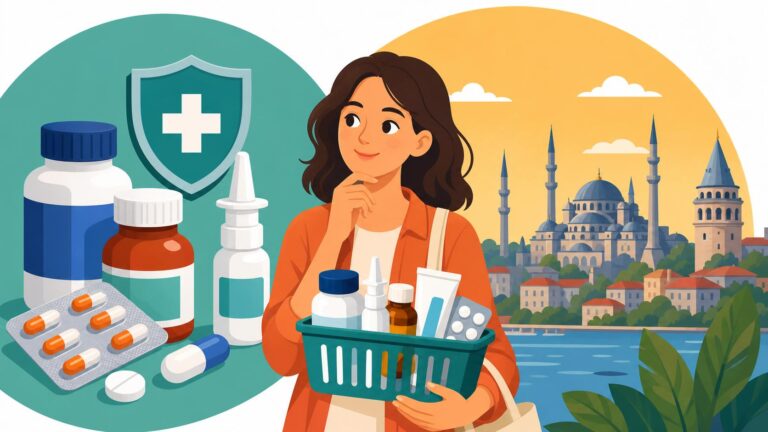
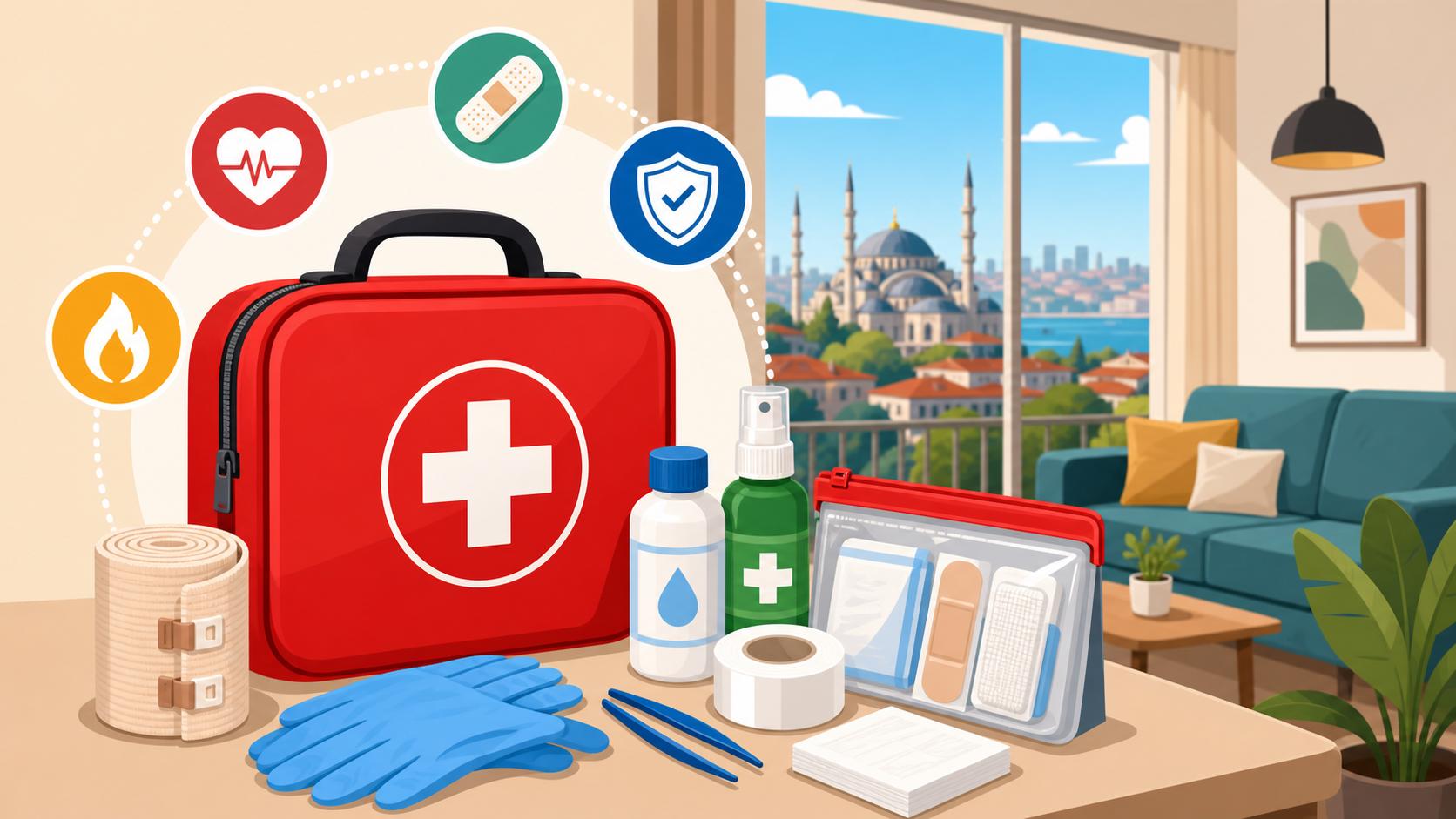
When you first move in, your priority should be wound care. In Turkey, the gold standard for disinfection is Batikon. You will find this brown povidone-iodine solution in every local household. Unlike the clear antiseptic sprays common in the US or UK, Batikon is visible and very effective. You should pair this with sterile gauze (steril gazlı bez) and medical tape. While you can find basic supplies at supermarkets like Migros or Carrefour, the quality and variety at a local Eczane (pharmacy) are significantly better.
For those who prefer specific international brands for their supplements or specialized bandages, using iHerb can be a lifesaver for stocking up on items that are difficult to find locally. However, for your day-to-day medical needs, understanding the Pharmacies (Eczane) in Turkey: Prescriptions, Duty Hours, and Medications system is vital, as these shops are the primary point of sale for almost everything medical.
Essential Wound Care and Antiseptics
Minor injuries are a part of life, whether it is a kitchen burn from a hot Turkish tea pot or a scraped knee from the uneven pavement on a hilly street in Beyoğlu. Your apartment kit must prioritize high-quality wound management tools. Beyond the basic adhesive bandages (yara bandı), you should invest in various sizes of sterile pads. Turkish pharmacies sell these in individual peel-apart packets, which keep them clean in a humid coastal climate.
One item that many expats overlook is a high-quality burn cream. Given the prevalence of gas stoves and the frequent use of boiling water for tea, burns are common. Ask your pharmacist for "Silverdin" or "Hametan." These are local staples that provide immediate relief and promote healing. If you are ever unsure about the severity of a wound, it is better to seek professional help. You can learn more about how the system works in our guide on Emergency Medical Care in Turkey: Dialing 112, Ambulances, and Triage.
In addition to creams and bandages, keep a pair of sharp medical scissors and fine-tipped tweezers in your kit. Tweezers are particularly important if you enjoy hiking in the Turkish countryside or if you spend time in parks where splinters or even small ticks could be an issue. Always clean these tools with rubbing alcohol (alkol) after each use to maintain sterility.
Managing the Infamous Istanbul Belly
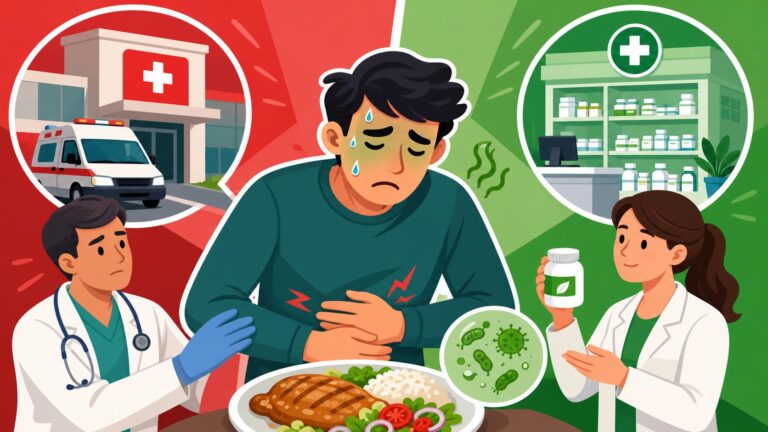
Digestive issues are perhaps the most common ailment faced by newcomers and seasoned expats alike. Whether it is a reaction to a new spice, a change in water minerals, or a genuine bout of food poisoning, you do not want to be running to the pharmacy when the symptoms hit. Your first aid kit must contain oral rehydration salts (ORS), known locally as "Georal." These sachets are essential for replacing electrolytes lost during illness.
For general stomach upset, many locals rely on "Metpamid" for nausea or "Reflor" for restoring gut flora. However, you should always consult a professional before starting new medications. Understanding Food Poisoning in Turkey: When to Go to the ER vs Relying on a Pharmacy will help you decide if your "kebab catastrophe" requires a hospital visit or just a day of rest and fluids.
It is also wise to keep a supply of activated charcoal or anti-diarrheal medication. While the tap water in major cities is generally used for cooking and brushing teeth, most expats prefer bottled water for drinking. If you accidentally consume something that doesn't agree with you, having these items on hand can prevent a minor issue from ruining your entire week. For those with sensitive systems, ordering specific probiotics from iHerb can provide a consistent baseline of gut health that complements the local diet.
Pain Relief and Fever Management
When it comes to pain relief, the Turkish market is dominated by a few key players. Paracetamol is the most common, usually sold under the brand names Parol or Minoset. It is highly effective for headaches and mild fevers. For inflammation or more intense pain, Ibuprofen (sold as Advil, Arfen, or Dolorex) is the go-to choice. Having a thermometer (derece) is non-negotiable. Digital thermometers are widely available and very affordable in any Eczane.
If you are dealing with a persistent fever, it is important to track it accurately. This information is the first thing a doctor will ask for if you end up at a clinic. For more complex health needs or chronic pain management, having a robust insurance policy like Cigna Global ensures that you can access the best private facilities without worrying about the Healthcare Budgeting: Understanding Copays, Tariffs, and Billing in Turkey aspect of your care.
| Item Type | Common Turkish Brand/Name | International Equivalent | Purpose |
|---|---|---|---|
| Pain/Fever | Parol / Minoset | Tylenol / Panadol | General pain and fever reduction |
| Inflammation | Arfen / Dolorex / Apranax | Advil / Motrin | Muscle aches, toothaches, swelling |
| Antiseptic | Batikon | Betadine | Wound disinfection |
| Burn Cream | Silverdin / Hametan | Silvadene | Minor burns and skin irritation |
| Rehydration | Georal | Pedialyte / Dioralyte | Electrolyte replacement |
| Allergic Reaction | Fenistil / Stilex | Benadryl Cream | Itching, stings, and rashes |
Respiratory Relief and Allergy Supplies
Turkey’s climate varies wildly, from the humid Black Sea coast to the dry Anatolian plateau. In cities like Istanbul, the humidity combined with pollution and seasonal pollen can trigger significant respiratory issues or allergies. Your first aid kit should include a saline nasal spray (deniz suyu) to clear out allergens and dust. For those who suffer from seasonal allergies, antihistamines like "Zyrtec" or "Aerius" are available over the counter, but it’s best to have them ready before the pollen counts spike in the spring.
Cough syrups (öksürük şurubu) are also essential. Turkey has a wide variety of herbal and medicinal syrups. "Perebron" or "Prospan" (an ivy leaf extract) are very popular for both children and adults. If you have a history of asthma or severe allergies, ensure your rescue inhalers are up to date and that you know the Turkish Pharmacy Equivalents for Advil, Tylenol, and Common Painkillers so you can communicate effectively with a pharmacist if you run out.
For those cold winter months when the "Ankara flu" seems to hit everyone at once, keep a stash of vitamin C and zinc. While the local produce is incredibly fresh and vitamin-rich, a supplemental boost can help. This is another area where a subscription to iHerb can be beneficial, as they offer higher-dosage vitamins that are sometimes harder to find in standard Turkish pharmacies.
Earthquake Preparedness and Emergency Kits
In Turkey, a first aid kit is not just for domestic accidents; it is a critical component of disaster preparedness. Given the seismic activity in the region, every apartment should have a designated "Deprem Çantası" (Earthquake Bag). This bag should be separate from your daily medicine cabinet and kept near your primary exit.
In this emergency bag, you need a duplicate of your essential first aid items, along with a whistle, a high-power flashlight, extra batteries, and a multi-tool. You should also include a three-day supply of any prescription medications you take regularly. For a detailed breakdown of what else should go in there, check out Earthquake Go-Bags (Deprem Çantası): What to Prepare for Your Home in Istanbul.
It is also a good idea to keep a printed list of your medical history, blood type, and any allergies in this bag. While we all hope to never need it, being prepared is part of being a responsible resident in Turkey. If you are covered by Cigna Global, keep a copy of your insurance card and their 24-hour emergency contact number in your kit as well. Knowing you have professional support can provide immense peace of mind during a crisis.
Essential Tools and Maintenance
A first aid kit is only useful if the items inside are functional and within their expiration dates. Every six months, you should perform a "kit audit." Check the expiration dates on your creams and liquids, as the high summer temperatures in Turkey can cause some medications to degrade faster if they aren't stored in a cool, dark place.
Essential tools to include are:
- A digital thermometer (check the batteries!).
- A pulse oximeter (useful for monitoring respiratory health).
- A blood pressure monitor (especially if you have a history of hypertension).
- Instant cold packs (perfect for sprains or heat exhaustion).
- Small LED flashlight for checking throats or pupils.
If you find that communicating your symptoms is a barrier to getting the right supplies, take some time to learn the Essential Medical Turkish: Vocabulary for Explaining Symptoms to Doctors. Knowing words like "ağrı" (pain), "ateş" (fever), and "baş dönmesi" (dizziness) will make your trips to the Eczane much more productive. For more general information on the types of medication available, see our overview of Over-the-Counter (OTC) Drugs in Turkey: Equivalents for Common Expat Meds.
Where to Buy and How to Organize
Your first aid kit should be stored in a recognizable, accessible container—preferably one that is waterproof. I recommend a clear plastic bin with a locking lid. This allows you to see the contents without rummaging and protects the supplies from bathroom humidity.
While the local Eczane is your primary source for medicine, you can find high-quality storage boxes and basic supplies like cotton wool and alcohol at retail giants or through online marketplaces. Organizing your kit by "usage" (e.g., a "Stomach" section, a "Wound" section, and a "Cold/Flu" section) can save precious time when you are feeling unwell.
Finally, remember that the most important part of any first aid kit is the knowledge of how to use it. Take a basic first aid course if you haven't recently, and make sure everyone in your household knows where the kit is located. Whether you are a solo digital nomad or moving with a family, being self-sufficient for those first few hours of an illness or injury is the best way to settle into your new life in Turkey. If you ever feel overwhelmed by the local medical landscape, remember that resources like Understanding Night Pharmacies (Nöbetçi Eczane): How the Roster Works are there to help you navigate the system at any hour of the day or night.
Disclaimer on Medical Advice
The information provided in this guide is for educational and informational purposes only and is not intended as medical advice. While I have lived in Turkey for years and navigated these systems personally, I am not a medical professional. Always consult with a qualified healthcare provider or a licensed pharmacist before taking any medication or starting a treatment. In the event of a medical emergency, immediately dial 112 to reach emergency services in Turkey. The availability and legality of medications can change; always verify current regulations with local authorities.