Accessing Antidepressants: Prescription Rules and Stigma in Turkey
The crushing weight of relocation stress often triggers the need for mental health support, yet many expats arrive in Istanbul or Antalya only to realize their familiar prescription routine doesn't exist here. I remember the cold sweat I broke into when my last sleeve of sertraline ran out and the local pharmacist told me I couldn't just "refill" it. This guide solves the complex puzzle of accessing antidepressants in Turkey, from legal classifications to overcoming cultural barriers.
Understanding the Regulatory Landscape for Antidepressants in Turkey
Navigating the Turkish pharmaceutical system requires a shift in perspective. Unlike some Western countries where a general practitioner can manage your long-term mental health medication with ease, Turkey operates under a more specialized and regulated framework overseen by the Social Security Institution (SGK) and the Ministry of Health.
The Classification of Psychotropic Medications
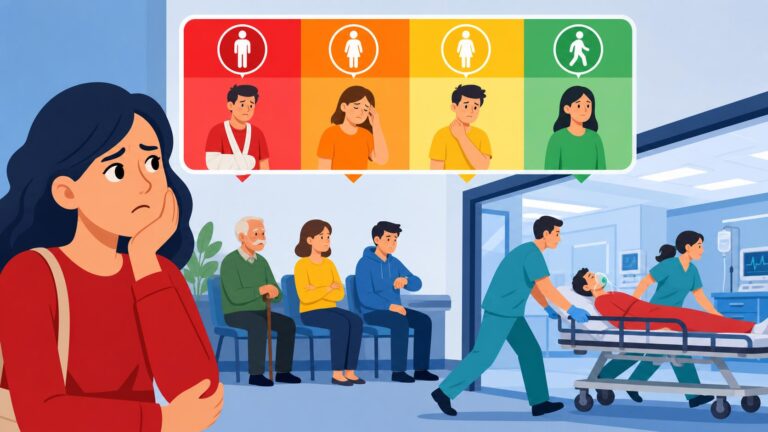
In Turkey, medications are categorized by a color-coded prescription system known as Renkli Reçete. While most standard antidepressants like SSRIs (Selective Serotonin Reuptake Inhibitors) and SNRIs (Serotonin-Norepinephrine Reuptake Inhibitors) fall under the "White Prescription" category, they still require a formal doctor's order. You cannot walk into a pharmacy and buy them over the counter as you might have done with basic painkillers in the past.
The more "intense" medications—those with potential for dependency, such as benzodiazepines often prescribed alongside antidepressants for anxiety—fall under Green or Red prescriptions. These are tracked meticulously by the state. If your treatment plan includes these, the process becomes even more rigorous. For expats, having comprehensive Health Insurance in Turkey: SGK Public System vs Private Coverage Explained is vital because private insurers like Cigna Global often provide smoother access to the specialist psychiatrists authorized to issue these digital tracked prescriptions.
The Role of the Psychiatrist vs. General Practitioner
In many expat home countries, a family doctor is the first port of call for depression or anxiety. In Turkey, the Choosing a Primary Care Physician (Aile Hekimi) at a Local Health Center is a great resource for physical ailments, but they are often restricted in the types of psychiatric medications they can initiate. Usually, a family doctor can only renew a prescription that was originally started by a specialist.
If you are starting a new course of medication or need a dosage adjustment, you must see a psychiatrist (Psikiyatrist). It is a common mistake to seek out a psychologist for a prescription; in Turkey, as in most of the world, psychologists provide talk therapy but cannot legally prescribe drugs. For those who need both, finding a clinic that offers integrated care is essential. I learned early on that Mental Health in Turkey: Counseling, Psychiatry, and Expat Support Systems are often found in private hospitals rather than stand-alone clinics if you want a one-stop-shop experience.
The Practical Step-by-Step to Getting Your Prescription
Once you realize that a specialist is required, the logistical "how-to" can feel overwhelming, especially if you are already struggling with the low energy associated with depression.
Navigating Private vs. Public Facilities
You have two main paths: the public system (SGK) or the private healthcare sector. If you are Enrolling in SGK (Public Health Insurance): The 1-Year Residency Rule, you can access psychiatric care at state hospitals for a very low cost. However, the wait times can be long, and the sessions are often brief—sometimes only 10 to 15 minutes. This can be difficult when trying to explain complex emotional states in a second language.
Private hospitals and clinics are the preferred choice for most foreigners. They offer longer appointment slots and a higher likelihood of finding an English-speaking doctor. When using private care, ensure your policy, such as those provided by Cigna Global, covers psychiatric consultations, as these are often considered "specialist visits" and may have different deductible rules. After your consultation, the doctor will enter your prescription into the national Using e-Nabız: Accessing Your Medical Records on the Ministry of Health App system. You will receive a code via SMS, which you take to any pharmacy to collect your meds.
Pharmacy Interactions and Costs
The local Pharmacies (Eczane) in Turkey: Prescriptions, Duty Hours, and Medications are your final stop. Unlike the massive chain drugstores in the US or UK, Turkish pharmacies are smaller, pharmacist-owned boutiques. When you present your electronic prescription code, the pharmacist will pull up your records.
One major advantage in Turkey is the cost. Even without insurance, the "out-of-pocket" price for many common antidepressants (like Prozac, Lustral, or Efexor) is significantly lower than in the United States. However, brand names may vary. You might find that your specific brand isn't available, but the generic equivalent (muadil) is. The pharmacists are highly trained and can usually explain the equivalence, though it helps to have Essential Turkish Phrases for the Doctor: Communicating Symptoms Effectively or a translation app ready to ensure there is no misunderstanding regarding the dosage.
| Medication Type | Typical Category | Prescription Requirement | Expat Access Difficulty |
|---|---|---|---|
| SSRIs (e.g., Sertraline, Fluoxetine) | White | Mandatory (Psychiatrist preferred) | Low – Widely available |
| SNRIs (e.g., Duloxetine, Venlafaxine) | White | Mandatory (Psychiatrist) | Low – Widely available |
| Benzodiazepines (e.g., Alprazolam) | Green | Strict (Specialist only) | High – Heavily monitored |
| Stimulants (e.g., Methylphenidate) | Red | Very Strict (Specialist only) | Very High – Monthly limits |
Addressing Social Stigma and Mental Health Culture in Turkey
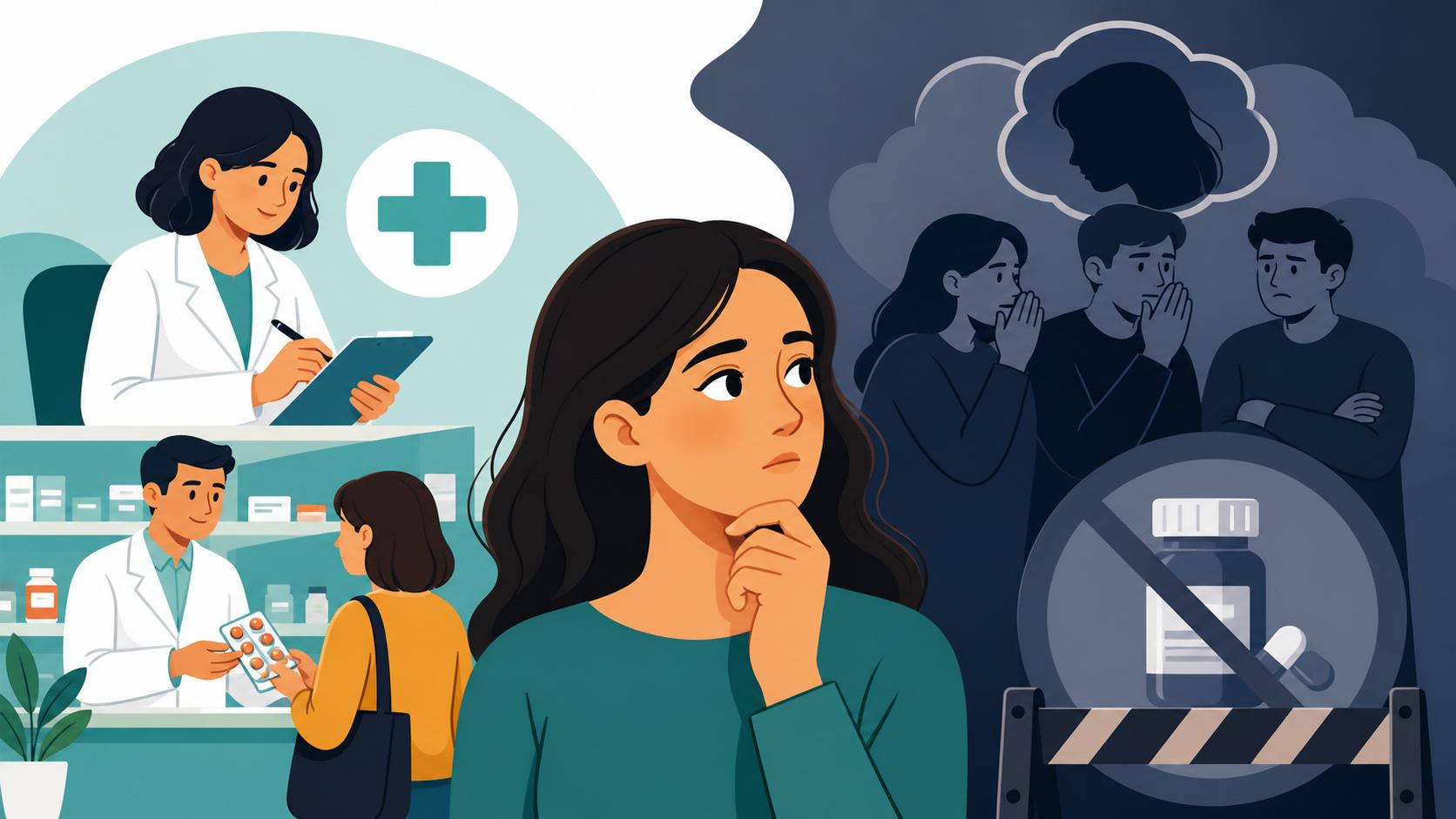
While the administrative side of medicine is one hurdle, the cultural side is another. Turkey is a country where "what the neighbors think" still carries significant weight, and this extends to the doctor’s office.
The Cultural Perception of Psychological Meds
In Turkish culture, there is a lingering, though fading, stigma that psychiatric medication is only for the "unstable" (deli). You might find that local friends or even some medical staff use euphemisms when discussing mental health. There is a strong cultural emphasis on resilience and "patience" (sabır). This can sometimes lead to a feeling of isolation for an expat who is used to a more open, "pro-therapy" environment.
However, the younger generation in cities like Istanbul, Izmir, and Ankara is much more progressive. If you find yourself in a smaller town, you might encounter more traditional views. If you are worried about privacy, Mental Health Professionals: Finding English-Speaking Therapists Online and Offline can provide a more confidential buffer. In these settings, you are treated as an individual seeking wellness rather than a patient with a "problem."
Privacy and Confidentiality in a Communal Society
The communal nature of Turkish society means that pharmacists and doctors can sometimes be more "involved" than you’re used to. It isn't uncommon for a pharmacist to ask, "Why are you taking this?" in a way that feels intrusive but is actually intended as a form of care. If this bothers you, simply stating it was "recommended by my specialist" (Doktorum tavsiye etti) is usually enough to end the questioning.
To maintain maximum privacy, use the Booking Public Hospital Appointments via the MHRS Digital System if you are using the public route, or stick to large private hospitals where the high volume of patients ensures a degree of anonymity. Your records on the e-Nabız system are secure, but remember that anyone with your T.C. identity number and e-Devlet password can theoretically see your health history. Keep your digital credentials private.
Logistics for Expats: Bringing Meds and Finding Supplements
If you are just moving to Turkey, you likely want to bring a supply of your current medication to bridge the gap while you find a local doctor.
Customs Rules for Psychiatric Medication
According to Bringing Prescription Medication Through Turkish Customs: Legal Limits, you are generally allowed to bring up to a three-month supply of personal medication. You must have a copy of your prescription and a doctor's letter translated into Turkish or English. Do not pack these in your checked luggage only; keep them in your carry-on with the original packaging. If you are on a "Red" or "Green" list medication, you must be extremely diligent about this documentation to avoid being flagged for "importing controlled substances."
Once you are settled, you may find that some of the ancillary supplements you used back home for mood support—like 5-HTP, high-dose Vitamin D, or specific probiotics—are expensive or hard to find in local pharmacies. This is where Are Dietary Supplements and Vitamins Expensive in Turkey? becomes a relevant question. Many expats rely on iHerb to ship specific brands that aren't locally available, though you must be careful with customs limits on supplement quantities.
Natural Alternatives and Supplement Availability
Turkey has a rich history of traditional medicine, and you will see "Aktar" (herbalist) shops on every corner. While these are fascinating for buying teas or spices, be very cautious about mixing herbal remedies with antidepressants. St. John's Wort (Sarı Kantaron) is widely available in Turkey as an oil or tea, but it has dangerous interactions with most SSRIs.
Always consult your psychiatrist before adding anything from an Aktar or an iHerb order to your regimen. A veteran expat tip: if you are looking for high-quality, standardized supplements that aren't "medication" but support your overall well-being, stick to reputable pharmacies or the larger Migros "Healthy Living" sections rather than unregulated street markets.
Managing Long-Term Care and Continuity
Mental health is not a one-off appointment. It requires consistency, which can be hard when you are navigating a new country.
Ensuring a Constant Supply
The "Nöbetçi Eczane" system is something every expat must master. If you realize on a Sunday night that you’ve missed your dose and your bottle is empty, you need to know How to Find the Nearest Nöbetçi Eczane (Night Pharmacy) Using Online Maps. Antidepressants should never be stopped abruptly, so keep a photo of your prescription on your phone at all times.
If you travel frequently within Turkey, perhaps moving between a winter base in Istanbul and a summer stint on the coast, remember that your e-Nabız records follow you. You can visit a doctor in Fethiye and they will see the notes from your doctor in Kadıköy. This digital integration is one of the hidden perks of the Turkish system that makes Health Insurance in Turkey: SGK Public System vs Private Coverage Explained so effective for long-term residents.
Finding Support Groups
Sometimes medication isn't enough. The isolation of being an expat can exacerbate the very symptoms you are trying to treat. Look for Expat Support Groups: Managing Isolation and Culture Shock in Turkey in Facebook groups or through platforms like Meetup. Speaking with others who have navigated the "Turkish transition" can provide the emotional context that a pill simply cannot. Whether it is complaining about the paperwork for a residence permit or sharing tips on the best English-speaking doctors, community is a vital component of your mental health toolkit in Turkey.
Disclaimer
The information provided in this guide is for informational purposes only and does not constitute medical or legal advice. Healthcare regulations in Turkey, including the classification of medications and insurance coverage rules, are subject to change. Always consult with a qualified medical professional licensed in Turkey before starting, stopping, or changing any medication. Ensure that you comply with all local laws regarding the possession and importation of prescription drugs. Neither the author nor the publisher is responsible for any consequences resulting from the use of the information contained herein.