Expat Support Groups: Managing Isolation and Culture Shock in Turkey
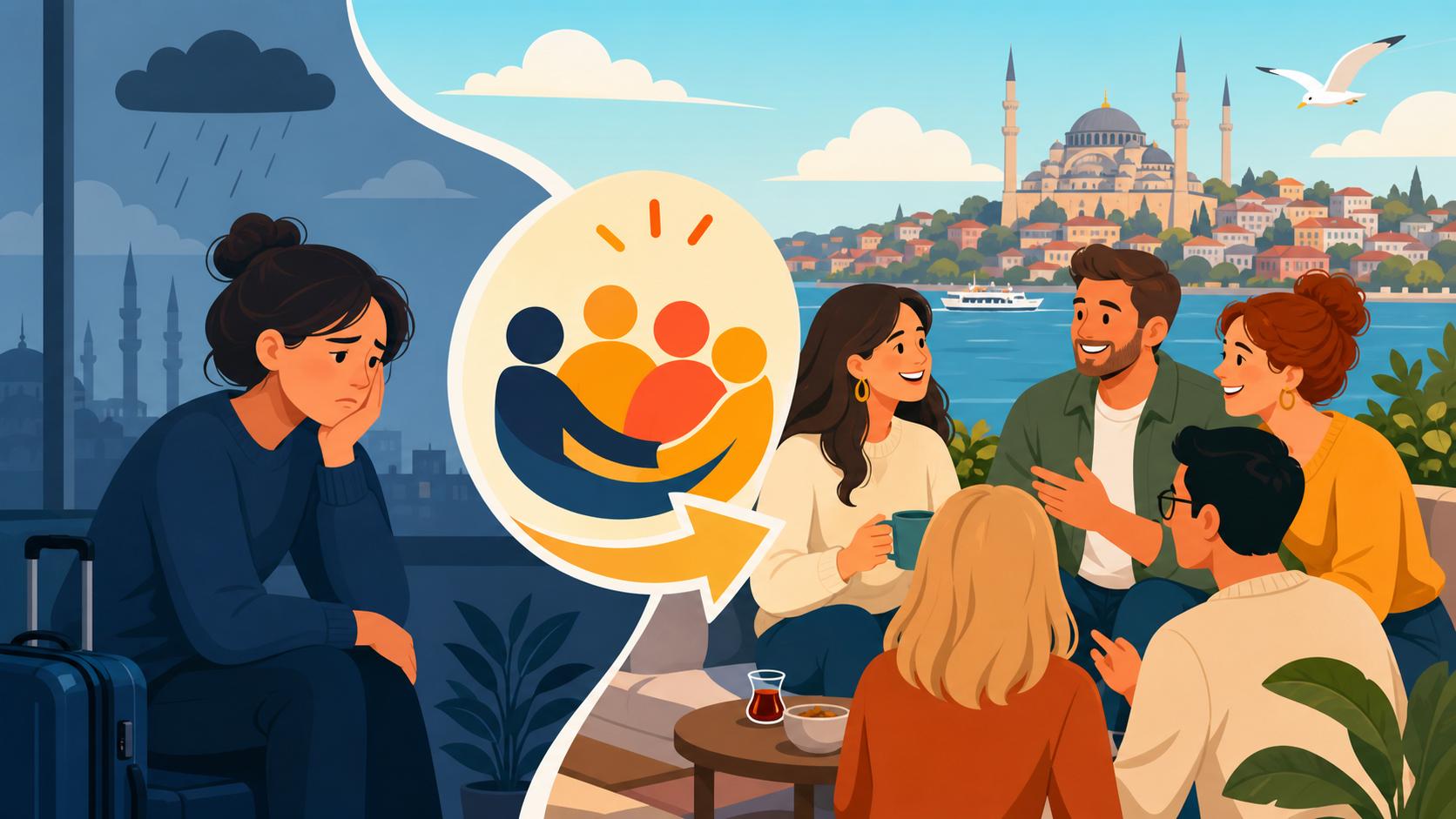
Moving to Turkey often starts as a sun-drenched dream, but the "expat wall" is a very real, very exhausting psychological barrier that hits when the honeymoon phase fades. I remember sitting in a bustling Kadıköy tea garden, surrounded by laughter I couldn't understand, feeling a profound sense of loneliness despite being in a city of 16 million. This guide provides actionable strategies and community resources to help you navigate isolation and conquer culture shock in your new Turkish life.
The Reality of the Expat Wall in Turkey
Culture shock in Turkey isn't just about the loud calls to prayer or the chaotic traffic; it is a cumulative weight of small misunderstandings. You might find yourself frustrated by the indirect communication style or the seemingly endless paperwork required for basic tasks. This "wall" usually appears around the six-month mark when the novelty of baklava and Bosphorus views is replaced by the reality of Healthcare Budgeting: Understanding Copays, Tariffs, and Billing in Turkey or the stress of a residency renewal.
Identifying the Symptoms of Culture Shock
Culture shock manifests differently for everyone, but for many expats in Turkey, it starts with an irrational irritation toward local habits. You might find yourself getting unusually angry at a grocer who doesn't have change or feeling overwhelmed by the sheer volume of people in transit hubs like Metrobüs stations. This irritability often masks a deeper sense of mourning for the comforts and predictability of your home country.
Another common symptom is withdrawal. When the language barrier feels too high to climb, it is tempting to stay inside and order everything via apps. While technology makes life easier, relying solely on digital interactions can deepen your sense of isolation. If you find yourself avoiding social situations because you’re tired of being "the foreigner" (the yabancı), you are likely in the thick of culture shock.
The Silent Struggle with Language and Bureaucracy
The Turkish language is agglutinative, meaning words are built by adding suffixes, which can make even basic sentences feel like a complex puzzle for English speakers. When you combine this with the high-stakes environment of a Göç İdaresi appointment or a visit to a local tax office, the resulting "bureaucratic burnout" is inevitable. Feeling helpless because you cannot advocate for yourself in a government office is one of the primary drivers of expat depression in Turkey.
Validation is key here: it is objectively difficult to navigate these systems. Even veteran expats who have lived here for a decade still experience moments of "administrative vertigo." Recognizing that your frustration is a systemic byproduct and not a personal failure is the first step toward reclaiming your mental well-being.
Finding Your Tribe through Expat Support Groups
You cannot survive the Turkish expat experience in a vacuum. Finding a community of people who understand why you are crying over a lost Ikamet card or celebrating a successful fiber internet installation is vital. These groups serve as both a social outlet and a crowdsourced knowledge base for navigating Healthcare in Turkey for Foreigners: Complete Expat Guide (2027).
Digital Communities and Social Media Hubs
Facebook remains the dominant platform for expat life in Turkey. Groups like "Expats in Istanbul" or "Ankara Expat Connection" are goldmines for practical advice. However, these spaces can sometimes become echo chambers for negativity. It is important to look for groups that focus on solutions and positive integration rather than just complaining about the "daily grind."
Beyond Facebook, platforms like InterNations and Meetup.com are active in major cities. These groups often organize "Newcomers' Drinks" or specific interest-based outings, such as photography walks in Balat or hiking trips in the Belgrade Forest. For those living in coastal areas, check out Antalya Medical Network: Where to Go for Care on the Mediterranean Coast communities, which often have a more relaxed, retirement-focused support structure.
In-Person Meetups and Networking Circles
While digital groups are great for quick questions, in-person connection is what truly cures isolation. Many neighborhoods have "expat-friendly" hubs. In Istanbul, areas like Cihangir, Moda, and Bebek are famous for their international crowds. Simply frequenting the same local coffee shop can eventually lead to "mahalle" (neighborhood) connections, where the shopkeeper recognizes you and offers a friendly "Hoş geldiniz."
Professional networking can also provide a sense of purpose. Organizations like the British Chamber of Commerce or various international women's associations host regular luncheons and seminars. These events allow you to meet people who have successfully navigated Turkish Business Culture: Communication Styles, Meetings, and Etiquette, offering a roadmap for your own professional or social integration.
| Type of Group | Primary Benefit | Best For |
|---|---|---|
| Facebook Communities | Instant answers to niche questions | Bureaucratic hurdles & finding specific items |
| InterNations/Meetup | Structured social events | Singles and professionals looking for networking |
| Local 'Sağlık Ocağı' Circles | Hyper-local neighborhood integration | Families and long-term residents |
| Professional Associations | Career-focused support | Business owners and corporate expats |
| Language Exchange Pairs | Mutual learning and local insights | Those committed to Learning Turkish for Life and Work: TÖMER, Language Schools, and Self-Study |
Navigating Mental Health and Professional Support
Sometimes, a coffee with a friend isn't enough to bridge the gap. If your feelings of isolation have evolved into persistent anxiety or depression, it is time to seek professional help. Turkey has a robust private healthcare sector with many practitioners who have trained abroad and speak fluent English.
English-Speaking Counseling and Psychiatry
The stigma surrounding mental health is rapidly fading in Turkey's urban centers. You can find highly qualified psychologists and psychiatrists in private clinics who specialize in "acculturation stress." It is essential to ensure your provider understands the specific legal and cultural context of living in Turkey. For those who need comprehensive coverage for such services, international plans from providers like Cigna Global can be a lifesaver, as they often cover outpatient mental health care that local "Ikamet" insurance might exclude.
If you are unsure where to start, many expats utilize Mental Health Professionals: Finding English-Speaking Therapists Online and Offline to narrow down their search. Online therapy is also a fantastic option if you live in a more remote area like Kaş or Fethiye where local English-speaking resources might be limited.
Holistic Wellbeing and Self-Care Resources
Managing stress in a high-intensity country like Turkey requires a proactive approach to physical health. High inflation and the transition to local diets can sometimes lead to nutritional gaps. Many expats rely on iHerb to source specific vitamins, magnesium, or adaptogens that might be harder to find or significantly more expensive in local pharmacies (Eczane).
In addition to supplementation, Turkey offers incredible traditional ways to de-stress. A monthly visit to a neighborhood Hamam (Turkish bath) isn't just for tourists; it is a deeply therapeutic ritual of scrubbing away the "old" and emerging refreshed. Similarly, taking advantage of Medical Spas and Thermal Baths: Prescribing Health Treatments in Pamukkale or Bursa can provide a much-needed physical reset when the mental toll of expat life feels heavy.
Practical Strategies for Integration and Resilience
Resilience in a foreign country is built through small, daily victories. You don't need to become a fluent speaker overnight, but you do need to show the local community that you are trying to bridge the gap. Turkish culture places a massive premium on "gayret" (effort) and hospitality.
Learning the Language as a Bridge
Nothing breaks down the wall of isolation faster than a few well-placed Turkish phrases. When you can walk into your local "Manav" (greengrocer) and ask for "yarım kilo domates" (half a kilo of tomatoes), the dynamic changes from "foreigner and merchant" to "neighbors."
Consider enrolling in a TÖMER certification: Proving Your Turkish Language Proficiency for University course, even if you don't plan to study. These classes provide a structured way to meet other foreigners in the same boat, creating a natural support group of classmates who are all struggling with the same grammar rules. If you can't commit to a full-time course, even a weekly language exchange meetup in a cafe can significantly boost your confidence.
Establishing a Routine in a New City
When everything feels chaotic, routine provides safety. Find a "Third Place"—a spot that isn't home or work where you feel recognized. This could be a specific gym, a library, or a park where you walk your dog. Speaking of pets, the "street animal culture" in Turkey is a unique way to connect with locals. Helping to feed a local street cat or chatting with other pet owners can lead to Expat Support Groups: Managing Isolation and Culture Shock in Turkey forming naturally in your own backyard.
Finally, make sure you are looking after your logistical health. Nothing spikes culture shock like a sudden medical bill or a legal surprise. Ensure you are familiar with Emergency Medical Care in Turkey: Dialing 112, Ambulances, and Triage and that you have a plan for when things go wrong. Knowing you are protected by a solid international policy, such as those offered by Cigna Global, allows you to focus on the joys of Turkish life rather than the "what-ifs."
Managing Physical Health to Support Mental Clarity
The gut-brain connection is real, and the shift to a Turkish diet—rich in gluten, dairy, and oils—can sometimes affect your mood if your body isn't used to it. While Turkish produce is world-class in its freshness, the stress of moving can deplete your body's resources. Using iHerb to maintain a consistent regimen of probiotics and Vitamin D (especially during the grey Istanbul winters) can help maintain the physical resilience needed to handle the ups and downs of expat life.
Furthermore, make sure you have your Essential First Aid Items to Keep in Your Turkish Apartment ready. Being sick in a foreign country is a major trigger for homesickness. Having a familiar brand of pain relief or a thermometer on hand prevents a minor illness from turning into a major emotional crisis.
Summary of Support Resources
If you are feeling overwhelmed today, remember that every veteran expat you see successfully navigating the Grand Bazaar or arguing a phone bill once felt exactly like you do. Turkey is a country that rewards persistence and open-heartedness. By combining Private Health Insurance (Özel Sağlık Sigortası): Top Providers for Foreigners for your peace of mind with active community participation, you can turn the "expat wall" into a gate.
Reach out to one of the digital groups mentioned, book that language class, and don't be afraid to admit to a fellow expat that you're having a hard day. We have all been there, and the community is your strongest asset in making Turkey feel like home.
Disclaimer
The information provided in this guide is for informational and educational purposes only. It does not constitute professional medical, psychological, or legal advice. Always seek the advice of a qualified healthcare provider or legal professional regarding any specific concerns you may have about your health, mental well-being, or residency status in Turkey. Reliance on any information provided in this article is solely at your own risk.