Essential Turkish Phrases for the Doctor: Communicating Symptoms Effectively
Walking into a crowded state hospital in a neighborhood like Kadıköy or Şişli while clutching a stomach ache is a recipe for a complete mental meltdown if you don't have the right words. I remember standing at a registration desk in Göztepe, shivering with a fever, and completely blanking on the word for "nausea" while a line of twenty people waited behind me. This guide solves that exact panic by providing the essential Turkish phrases you need to communicate symptoms clearly and get the care you deserve.
The Cultural and Practical Reality of Turkish Medical Consultations
The first thing you need to understand as an expat is that the Turkish medical system moves at lightning speed. Whether you are at a high-end private facility or a bustling state hospital, doctors are used to a high volume of patients. In a public setting, you might only have five to ten minutes to explain what is wrong. If you aren't prepared with specific vocabulary, you might leave the room feeling unheard or, worse, with a prescription that doesn't quite address your core issue.
In private hospitals, while the pace is slightly more relaxed, English proficiency among staff can still be hit-or-miss. While you might have comprehensive international coverage through a provider like Cigna Global, which allows you access to the best JCI-accredited facilities, the nurses and administrative staff often speak only Turkish. Being able to say "my throat is burning" or "I have a sharp pain in my lower back" without fumbling for a translation app is what separates a stressful ordeal from a manageable appointment.
Before you even step out the door, make sure you have your physical residency card (ikamet) or your passport if you are a tourist. If you're wondering what else is required for the front desk, you should review the guide on What Identification Documents Must You Bring to a Turkish Hospital? to avoid being turned away at the registration window.
Navigating the Registration Desk and Initial Triage
When you first enter a hospital (hastane) or a local health clinic (Sağlık Ocağı), you will head to the "Hasta Kabul" or "Kayıt" desk. If you have a pre-booked appointment through the MHRS system, you simply give them your ID number. If you are a walk-in at an emergency room (Acil), the process is more frantic. You need to be able to state why you are there immediately.
A common mistake is trying to explain a long history of your health at the front desk. Keep it simple: "Randevum var" (I have an appointment) or "Acil bir durum" (It’s an emergency). If you have moved recently and are trying to see a local doctor, make sure you have already completed the process of Choosing a Primary Care Physician (Aile Hekimi) at a Local Health Center to ensure your records are in the right place.
If you find the state system too overwhelming, many expats opt for the more streamlined experience of private clinics. For those living in the cultural hub of the country, Finding English-Speaking Doctors in Istanbul: Top International Clinics can save you a significant amount of linguistic frustration, though knowing basic phrases is still vital for interacting with the support staff.
Describing the Type and Location of Your Pain
Turkish is a very descriptive language when it comes to physical sensations. Simply saying "Ağrıyor" (It hurts) is often not enough for a doctor to make an accurate diagnosis. They will want to know if the pain is sharp, dull, constant, or intermittent. I’ve found that using the right adjective for your pain often changes how a doctor prioritizes your tests.
For instance, "Sızlamak" refers to a dull, aching, or throbbing pain, often used for teeth or old injuries. "Batmak," on the other hand, implies a stabbing or stinging sensation, like a needle. If you are experiencing chest pain, using the word "Sıkışma" (tightness/pressure) will alert the doctor to a potentially more serious cardiac issue than just general "ağrı."
| English Phrase | Turkish Phrase | Pronunciation Guide | Context/Usage |
|---|---|---|---|
| It hurts here. | Burası ağrıyor. | Boo-ra-suh ah-ruh-yor | Pointing to a specific spot. |
| I have a sharp pain. | Keskin bir ağrım var. | Kes-keen beer ah-rum var | Sudden, stabbing sensations. |
| It is a dull ache. | Sızlama var. | Suz-la-ma var | Lingering, low-level pain. |
| My head is throbbing. | Başım zonkluyor. | Ba-shum zonk-loo-yor | Specifically for migraines. |
| I feel pressure. | Baskı hissediyorum. | Bas-kuh hee-se-dee-yor-um | Chest or sinus issues. |
| It’s getting worse. | Daha kötü oluyor. | Da-ha ko-tu o-loo-yor | Explaining the progression. |
| It comes and goes. | Bir gidiyor bir geliyor. | Beer gee-dee-yor beer ge-lee-yor | Intermittent symptoms. |
Communicating Specific Body Locations
When pointing isn't enough, you need the nouns. In Turkey, the "stomach" is a broad term. "Karnım ağrıyor" means your general abdominal area hurts, while "Midem bulanıyor" specifically means you feel nauseous in your stomach. If you have been eating out at the local pazar and think you have a bug, these distinctions matter.
For more detailed anatomical terms, you might want to look at our dedicated list of Essential Medical Turkish: Vocabulary for Explaining Symptoms to Doctors. This is particularly useful if you have a pre-existing condition and need to explain a complex history. If your pain is related to a dental issue, the vocabulary shifts entirely, and you’ll find yourself needing to describe sensitivity to heat or cold, which requires a different set of verbs.
Explaining General Symptoms and Vital Signs
Beyond pain, you need to be able to describe how your body is failing you in other ways. "Halsizlik" is a word you will hear often; it means general weakness or lack of energy. It’s that feeling when you have the flu and can’t get out of bed. If you tell a doctor "Çok halsizim," they immediately understand that you are experiencing systemic fatigue rather than just being tired from a long day at the office.
If you have a fever, don't just say you are hot. Use "Ateşim var" (I have a fever). If you have been tracking it, give them the number in Celsius. For respiratory issues, "Nefes darlığı" (shortness of breath) is a critical phrase that will usually get you moved up in the triage line. In the era of post-pandemic awareness, being specific about a "kuru öksürük" (dry cough) versus a "balgamlı öksürük" (productive/phlegmy cough) is essential for the doctor to decide if you need an X-ray or just a syrup.
Having a robust private health plan through Cigna Global can be a lifesaver here because it often includes access to telehealth services where you can practice these phrases with a translator or an English-speaking coordinator before you arrive at the physical hospital. This preparation reduces the "white coat hypertension" many expats feel when facing a language barrier.
Digestive and Allergic Reactions
Turkey’s rich cuisine is a joy, but it can occasionally lead to "mide fesadı" (indigestion) or worse. If you find yourself in the ER after a questionable lahmacun, you need "İshal" (diarrhea) and "Kusma" (vomiting). While these aren't the most pleasant words to learn, they are the most functional.
If you have allergies, "Alerjim var" followed by the trigger is vital. For example, "Arı alerjim var" (I am allergic to bees) or "Gluten alerjim var." If you are prone to seasonal allergies while living in the greener parts of Bursa or the northern suburbs of Istanbul, you might want to stock up on supplements from iHerb to manage your symptoms before they require a doctor's visit. However, if you are already in the exam room, make sure the doctor knows your history by mentioning any "kaşıntı" (itching) or "döküntü" (rash).
Understanding the Doctor’s Instructions and Next Steps
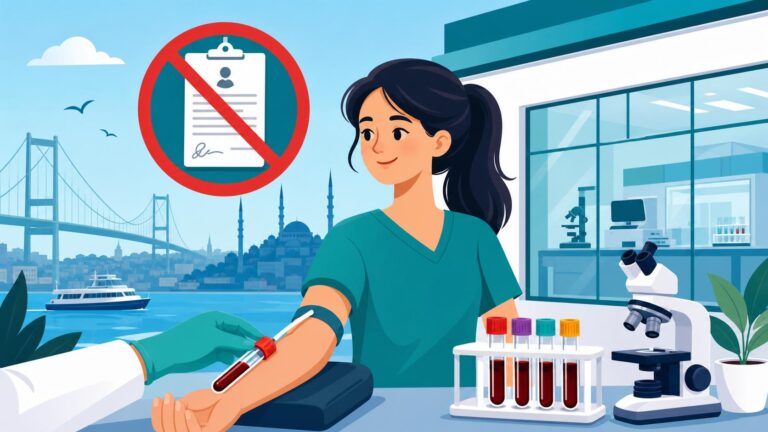
The consultation doesn't end when you finish speaking. The most confusing part for many foreigners is the "next steps" phase. The doctor might mutter "kan tahlili" (blood test) or "idrar örneği" (urine sample) and hand you a slip of paper without much explanation. If you don't understand, ask: "Bu ne için?" (What is this for?).
If they give you a prescription, it is called a "reçete." In modern Turkey, this is often an "e-reçete" (electronic prescription). They will give you a short code, usually a mix of letters and numbers, which you take to any pharmacy (eczane). You should familiarize yourself with Pharmacies (Eczane) in Turkey: Prescriptions, Duty Hours, and Medications to understand how the "Nöbetçi" (duty) system works if you need meds in the middle of the night.
Blood Tests and Imaging
If you are sent for a "röntgen" (X-ray) or "ultrason" (ultrasound), you usually have to go to a different floor or department. Once the results are in, they are typically uploaded to the e-Nabız system. This is a fantastic digital health portal used in Turkey, but it is entirely in Turkish. Knowing how to navigate it is a game-changer for expats. We have a guide on Navigating the e-Nabız Website: Translating Your Blood Test Results that can help you decipher your numbers from the comfort of your home.
When the doctor looks at your results and says "Bir şey yok" (It's nothing/everything is fine), it is a relief, but if you still feel unwell, you must advocate for yourself. You can say, "Hala kendimi iyi hissetmiyorum" (I still don't feel well).
Getting a Sick Note for Work
In the Turkish labor market, if you miss even one day of work, your employer will likely ask for a "rapor" (report/sick note). Not every doctor will give this automatically. You need to ask: "İş için rapor alabilir miyim?" (Can I get a report for work?). The doctor will then specify how many days you are "istirahatli" (on rest). For more details on the legal requirements of these notes, see the guide on Getting a Health Report (Sağlık Raporu) for Work or Driving License Conversions.
Navigating the Pharmacy and Post-Visit Care
Once you leave the doctor's office with your code, you’ll head to an Eczane. Pharmacists in Turkey are highly trained and often act as secondary consultants. They will write the dosage on the box—for example, "1×2" means once a day, two pills, or "tok karnına" (on a full stomach) versus "aç karnına" (on an empty stomach).
If you are looking for specific brands you are used to back home, keep in mind that names often change. Refer to our list of Turkish Pharmacy Equivalents for Advil, Tylenol, and Common Painkillers to find what you need. For those who prefer natural support or specific vitamin brands not easily found in local Turkish pharmacies, ordering from iHerb is a common expat workaround, provided you stay within the customs limits for personal use.
Managing your health in a foreign country is a marathon, not a sprint. By learning these essential phrases and understanding the flow of a Turkish medical appointment, you transition from a "helpless foreigner" to an empowered resident. Keep a "cheat sheet" of these phrases in your wallet or on your phone; hopefully, you won't need them often, but when you do, they will be your most valuable asset.
Disclaimer
This guide is for informational purposes only and does not constitute professional medical advice, diagnosis, or treatment. Always seek the advice of your physician or another qualified health provider with any questions you may have regarding a medical condition. Language barriers can lead to serious misunderstandings in medical contexts; if you are facing a life-threatening emergency or a complex surgical decision, we strongly recommend hiring a professional medical translator or visiting a hospital with a dedicated international patient department. Relying solely on translated phrases in a critical situation is at your own risk.