Finding English-Speaking Doctors in Istanbul: Top International Clinics
Waking up with a sharp pain in your abdomen or a high-grade fever is stressful enough, but in a city of 16 million people like Istanbul, the added fear of not being able to explain your symptoms can be paralyzing. I remember my first winter here, shivering in a cold pharmacy trying to mime "sinus infection" to a confused pharmacist who spoke only Turkish. This guide solves that anxiety by pinpointing exactly where to find high-quality, English-speaking medical care in Istanbul.
The Reality of the Language Barrier in Turkish Healthcare
One of the most common misconceptions new expats have is that English is widely spoken in all medical facilities across Istanbul. While Turkey has become a global hub for medical tourism, the reality on the ground for residents is more nuanced. If you walk into a state hospital (Devlet Hastanesi), the doctors are often world-class and highly trained, but the sheer volume of patients they see—sometimes 80 to 100 a day—means they have little time to translate for a foreigner. Communication is usually rapid-fire and strictly in Turkish.
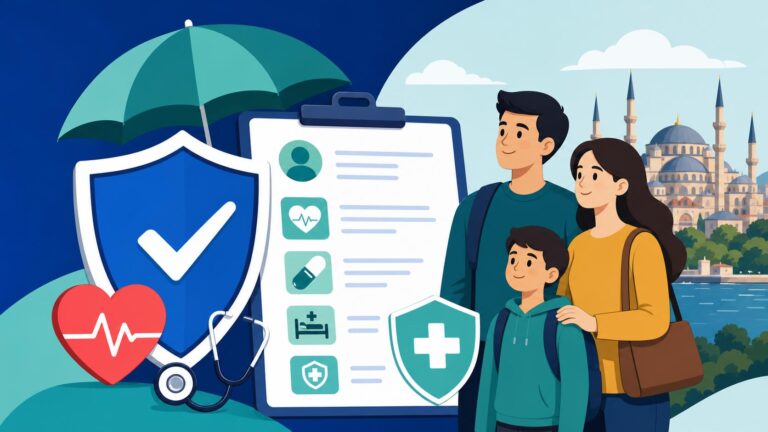
In the private sector, the story changes significantly. However, even in private hospitals, "English-speaking" can be a spectrum. You might find a surgeon who spent years in London or New York and speaks perfect English, yet the receptionist who takes your insurance card or the nurse who draws your blood might not speak a word. This is why choosing an "international" hospital isn't just about the doctor; it is about the administrative infrastructure that supports non-Turkish speakers. For those of us living here long-term, having a plan like Cigna Global ensures that when you do seek out these high-end facilities, the financial side of the conversation is as smooth as the medical one.
Navigating the healthcare landscape requires an understanding of how these institutions are structured. You aren't just looking for a person who speaks English; you are looking for a facility that understands international medical standards and administrative protocols. This is the foundation of Healthcare in Turkey for Foreigners: Complete Expat Guide (2027), which every new arrival should study before an emergency strikes.
Top International Hospitals with English Proficiency
When you need a doctor who can discuss complex diagnoses without a language barrier, there are three or four names that every expat in Istanbul eventually learns by heart. These institutions are JCI-accredited (Joint Commission International), meaning they meet the gold standard for global healthcare quality.
The American Hospital (Amerikan Hastanesi)
Located in the heart of the upscale Nişantaşı neighborhood, the American Hospital is often considered the gold standard for expats. Founded in 1920, it has a long-standing historical connection to Western medical standards. Almost every specialist here speaks fluent English, and many have international certifications. The atmosphere is more akin to a high-end hotel than a clinical facility. If you have a comprehensive policy through Cigna Global, the American Hospital is usually on the direct-billing list, which saves you the headache of paying out of pocket and filing for reimbursement later.
Acıbadem Healthcare Group
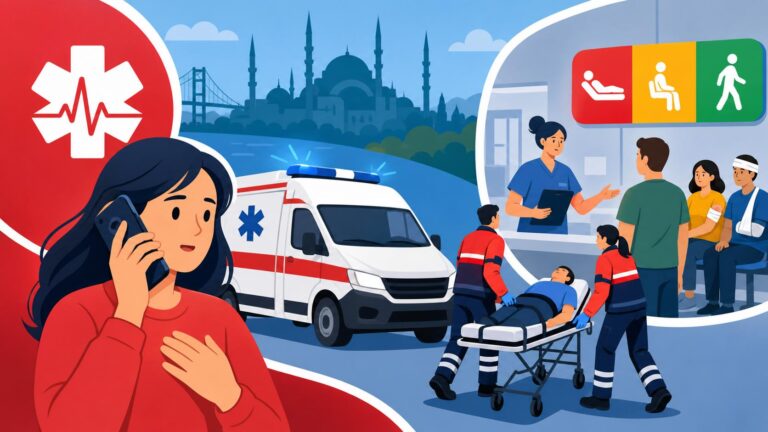
Acıbadem is a massive network, but for the best English-speaking experience, the branches in Maslak, Fulya, and Altunizade are the top choices. They have dedicated "International Patient" departments. If you walk into Acıbadem Maslak, you can literally ask for a translator to accompany you from the front desk to the doctor's office, and then to the pharmacy. This level of service is vital when you are dealing with something as stressful as Emergency Medical Care in Turkey: Dialing 112, Ambulances, and Triage.
Memorial Şişli Hospital
Another powerhouse in the Turkish medical scene is the Memorial Group. Their Şişli branch is particularly well-equipped for foreigners. They have a reputation for excellence in cardiology and oncology, and their staff is accustomed to dealing with international insurance providers. Using a global provider like Cigna Global here is common, and the staff is well-versed in the documentation required for international claims.
Specialist Clinics and Private Practices
Sometimes, you don't need a massive hospital. If you have a chronic condition or just need a routine check-up, private "Muayenehane" (private practices) can offer a more personalized experience. Istanbul is home to many world-class specialists who maintain private offices in areas like Kadıköy on the Asian side or Levent on the European side.
Finding these specialists often happens through word-of-mouth in expat Facebook groups or via Finding Medical Care in Turkey: Public Hospitals vs JCI-Accredited Clinics. The advantage of a private clinic is the time the doctor can dedicate to you. In a large hospital, you might get 15-20 minutes; in a private clinic, an hour-long consultation is standard. For medications prescribed by these specialists, you will still need to visit a local pharmacy, so it’s helpful to understand the Pharmacies (Eczane) in Turkey: Prescriptions, Duty Hours, and Medications system to know which brands are available locally.
If your doctor recommends specific supplements that are hard to find in Turkey, many expats rely on iHerb to bridge the gap. While Turkish pharmacies are excellent, certain high-end vitamins or specific Western brands are often cheaper and more accessible through iHerb, provided you stay within the customs limits for personal use.
Navigating Appointments and the Patient Relations Department
In Turkey, the process of booking an appointment is different depending on where you go. For state hospitals, there is a centralized system called MHRS, but it is notoriously difficult to navigate in English. For the international clinics we are discussing, you generally call their call center directly or use their English-language websites.
When you call a place like Acıbadem or American Hospital, specifically ask for the "International Patient Relations" department. They are specifically tasked with helping foreigners. They can help you:
- Find a doctor who specifically speaks your native language (not just English).
- Verify if your insurance, such as Cigna Global, will be accepted for direct billing.
- Provide a cost estimate for procedures or surgeries.
- Translate your medical records from your home country into Turkish for the local doctor.
I’ve found that even if I think my Turkish is "good enough," during a medical crisis, my brain reverts to my native tongue. Having a point of contact in Patient Relations is a lifesaver. This is especially true when dealing with Mental Health in Turkey: Counseling, Psychiatry, and Expat Support Systems, where the nuances of language are critical for effective treatment.
Costs and Insurance: What to Expect
Private healthcare in Istanbul is expensive by local standards but often very affordable compared to the US or Western Europe. However, without insurance, a simple ER visit for a flu-related IV drip at the American Hospital can easily set you back several thousand Turkish Lira.
| Facility Type | English Proficiency | Cost Level | Best For |
|---|---|---|---|
| State Hospital (Devlet) | Low | Very Low / Free with SGK | Basic emergencies, vaccines |
| Private Hospital (Özel) | Medium | Moderate | Routine tests, minor surgeries |
| International Hospital | High | High | Complex diagnoses, expats, birth |
| Specialist Clinic | Very High | Premium | Chronic care, second opinions |
Most expats choose to have a tiered insurance approach. They might have the Mandatory Ikamet Insurance: What Health Policies Actually Cover for Visas, which is the bare minimum required by the government, but they supplement it with a more robust plan. Having Cigna Global allows you to access the "Top Tier" hospitals without worrying about the price tag. If you are paying out of pocket, always ask for a "Cash Discount." Many private hospitals will offer 10% to 20% off if you are not using a local insurance provider.
For post-visit care, like purchasing high-quality probiotics or specialized skincare recommended by a dermatologist, iHerb remains a favorite for the Istanbul expat community because the local markup on imported health goods can be 200% or more. Using iHerb strategically for your monthly health needs can save you a significant amount of your medical budget.
Practical Tips for Your First Visit
Before you head to your appointment, there are a few "Turkish-specific" things you need to have ready. First, always bring your passport and your Residence Permit (Ikamet) if you have one. If you don't have an Ikamet yet, you can still be treated as a tourist, but the rates may be slightly different.
Your medical history in Turkey is tracked through a system called e-Nabız. Once you have your residency, you can log in and see every blood test, X-ray, and prescription you’ve ever had in the country. It is worth learning Using e-Nabız: Accessing Your Medical Records on the Ministry of Health App early on.
Also, be prepared for the "Turkish style" of medicine. Doctors here tend to be very proactive. It is common to be prescribed a battery of blood tests and perhaps an ultrasound or X-ray on your very first visit for a symptom that a Western doctor might just "wait and see." While this can be surprising, it’s actually a sign of the thoroughness of the private system here. If you are worried about the cost of these tests, a plan like Cigna Global usually covers them under diagnostic benefits.
Lastly, keep your receipts! Even if you aren't doing direct billing, you’ll need those "Faturalar" (invoices) to claim back from your international insurance later. If you are looking into aesthetic procedures, which are incredibly popular here, make sure to read the Medical Tourism Guide 2027: Navigating Hair Transplants and Aesthetics Safely to ensure the "English-speaking" clinic you found is actually a reputable medical facility and not just a marketing office.
Managing Your Health at Home
Recovery often happens at home, and the environment in Istanbul can be challenging—from the humidity in the summer to the air quality in the winter. Staying healthy means being proactive. Many of my expat friends keep their medicine cabinets stocked with staples from iHerb like Vitamin D3 (essential for those grey Istanbul winters) and high-quality magnesium.
If you are dealing with a standard cold or flu, you can usually manage with over-the-counter help from an Eczane. But for anything that lasts more than three days, don't hesitate to reach out to one of the international clinics mentioned above. The peace of mind that comes from being able to speak clearly with your doctor is worth every penny.
When you are feeling better, take the time to explore the city's health-focused side. From the organic markets (Ekolojik Pazar) in Feriköy to the thermal baths that are part of Traditional Medicine in Turkey: The Role of Thermal Baths and Hacamat, there are many ways to maintain your well-being in this vibrant city. And remember, if you ever find yourself in a pinch, iHerb is just a click away for those specific supplements that make you feel like you're back home, while Cigna Global has your back for the big stuff.
Disclaimer
This guide is for informational purposes only and does not constitute professional medical or legal advice. Healthcare regulations and hospital affiliations in Turkey change frequently. Always verify insurance coverage directly with your provider and the hospital's international patient department before undergoing any treatment. In the event of a life-threatening emergency, dial 112 immediately.