Traditional Medicine in Turkey: The Role of Thermal Baths and Hacamat
Trying to find a reliable doctor who understands your history is hard enough, but navigating Turkey’s world of traditional medicine can feel like walking through a labyrinth without a map. I remember my first month in Ankara, nursing a chronic back injury from hauling suitcases up four flights of stairs, and being told by my neighbor that I didn't need a surgeon—I needed a "Hacamat" specialist and a weekend in the hot springs of Haymana. This guide solves the mystery of Turkey’s traditional healing practices, from thermal baths to cupping, ensuring you know exactly how to access these services safely as an expat.
The Cultural Roots of Healing in Turkey
Traditional medicine in Turkey is not some fringe movement relegated to the shadows; it is a deeply ingrained part of the national identity, blending ancient Central Asian shamanic roots, Islamic prophetic medicine, and Roman-Byzantine balneotherapy. For an expat, the first thing you’ll notice is how often these "alternative" treatments are discussed alongside modern Western medicine. It isn't uncommon for a general practitioner to suggest a visit to a thermal spring for your arthritis or for a pharmacist to recommend a specific herbal tea from the local herbalist for a persistent cough. This duality can be confusing if you’re coming from a country where the line between "hospital" and "holistic center" is strictly drawn.
In the last decade, the Turkish government has taken massive strides to regulate these practices under the GETAT (Geleneksel ve Tamamlayıcı Tıp) framework. This department within the Ministry of Health ensures that traditional treatments like Hacamat and leech therapy are performed by licensed medical professionals—often MDs who have taken additional certification. This is a huge win for us expats because it takes the guesswork out of hygiene and safety. You aren't just going to a backroom in a bazaar; you are going to a sterilized clinic. When I first looked into this, I was worried about the language barrier, but many GETAT centers in big cities are accustomed to foreigners. If you’re ever unsure about where to start, looking into Finding Medical Care in Turkey: Public Hospitals vs JCI-Accredited Clinics can help you distinguish between high-end private facilities that offer these services and smaller, local clinics.
From Ottoman Roots to Modern Regulations
The Ottoman Empire was famous for its "Darüşşifa" (houses of healing), where music therapy, water sounds, and herbalism were used to treat everything from physical wounds to mental health crises. Today, that legacy lives on through the formal recognition of 15 different traditional and complementary practices. These include acupuncture, hypnosis, mesotherapy, and of course, the big hitters like cupping and thermal medicine. The regulation means that the person holding the needle or the cup has been vetted by the state. This transition from "folk medicine" to "regulated medical practice" is what makes Turkey a unique hub for medical tourists and residents alike.
For many of us, our journey into this world starts because the standard pills aren't working, or we’re looking for a more holistic approach to wellness while living abroad. I’ve found that using international brands like iHerb to supplement my health while exploring local Turkish herbs provides a balanced approach. While the local Aktar (herbalist) has amazing loose-leaf teas, I still rely on iHerb for specific, high-potency vitamins that I might not find in the neighborhood shop. It's about blending the best of both worlds—the local wisdom of Turkey and the global standards of quality you’re used to.
Why Expats Are Turning to GETAT Centers
The primary reason we expats end up at GETAT centers is the search for chronic pain management. Turkey’s fast-paced urban life, combined with the stress of navigating residency permits and apartment hunting, takes a toll on the body. When I finally visited a licensed GETAT clinic for my back pain, I was impressed by the integration. They didn't ignore my MRI results; they used them to determine exactly where the cupping should be applied. This professionalization means you don’t have to choose between "science" and "tradition."
Another factor is the cost. While private healthcare in Turkey is generally affordable, traditional treatments are often even more budget-friendly. However, it's essential to check if your insurance covers these procedures. While the Health Insurance in Turkey: SGK Public System vs Private Coverage Explained guide details the basics, keep in mind that many local private policies view GETAT as an "extra." This is where having a comprehensive international policy from a provider like Cigna Global can be a lifesaver. Cigna Global often provides more flexibility when it comes to elective or complementary treatments compared to the more restrictive local "Ikamet" insurance plans.
Thermal Baths and the Science of Balneotherapy
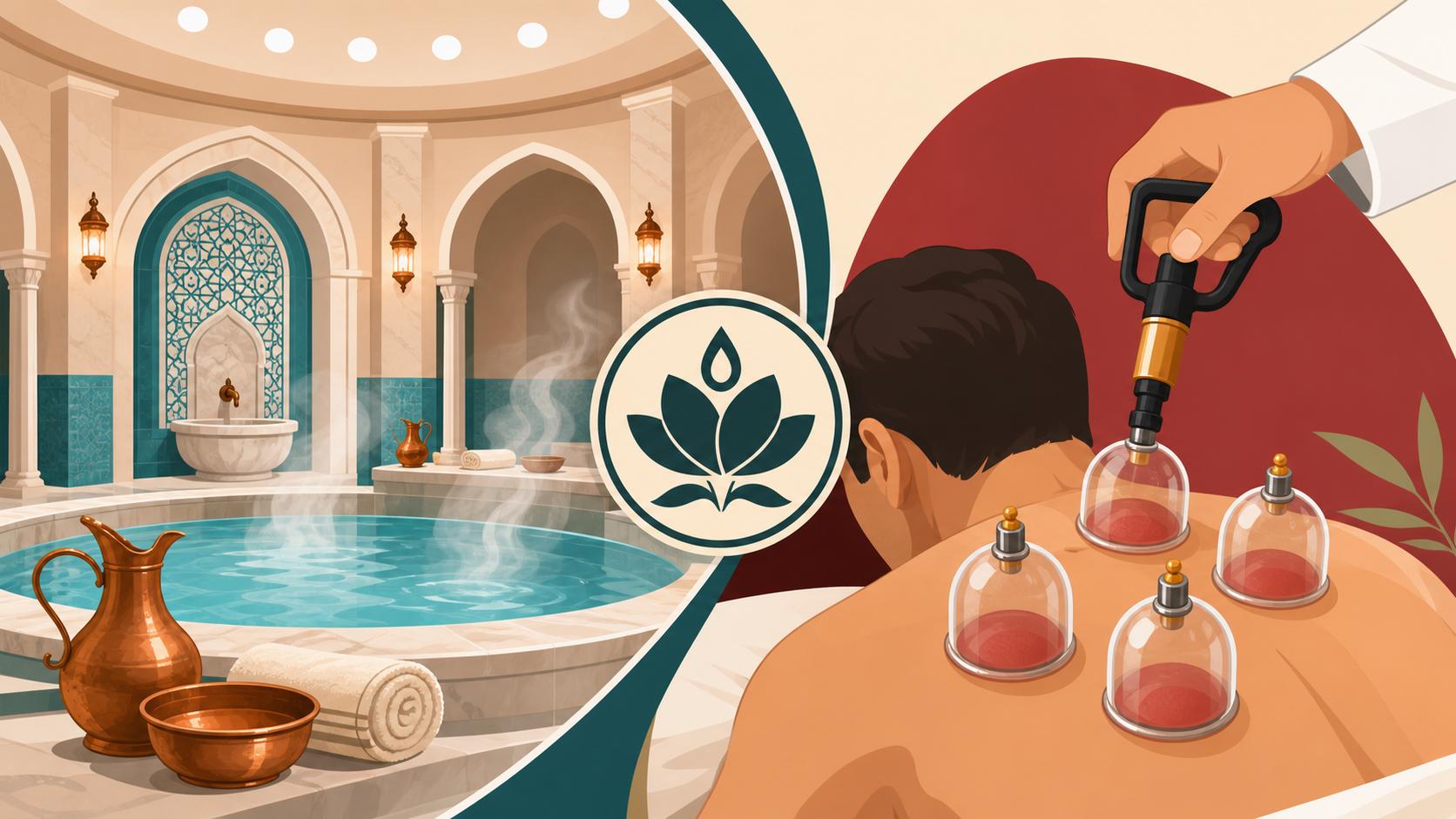
In Turkey, a "spa day" isn't just about cucumbers on your eyes and soft music; it’s about "Kaplıca"—the ancient practice of soaking in mineral-rich thermal waters to treat specific medical conditions. Turkey sits on a massive fault line, which sounds scary until you realize it’s the reason for the country's 1,500+ natural thermal springs. These waters are packed with sulfur, magnesium, calcium, and radon, each serving a different purpose. For the veteran expat, a trip to a thermal resort is a rite of passage, especially during the damp, cold winters in Istanbul or Ankara.
Balneotherapy, the medical use of these baths, is actually recognized by the Turkish healthcare system as a legitimate treatment for musculoskeletal diseases, skin conditions, and even some respiratory issues. I remember being skeptical the first time I went to Yalova. I thought it was just a hot bath. But after three days of soaking in the 40-degree Celsius sulfur water, the inflammation in my knees—a souvenir from years of running on hard pavement—simply vanished. It’s a sensory experience that is hard to replicate with just a bottle of ibuprofen.
The Science of Mineral Waters
The magic of Turkish thermal baths lies in the mineral composition. Not all springs are created equal. Some are "salty," excellent for skin conditions like psoriasis or eczema. Others are "bitter" or "sulfurous," which are the go-to for chronic rheumatism and joint pain. In places like Afyonkarahisar, the water is so rich in minerals that it’s often bottled and sold as healing mineral water. When you visit these sites, you’ll see people not just soaking, but sometimes drinking specific spring waters (under medical supervision) to help with digestive issues.
If you are incorporating these trips into your wellness routine, it’s a good idea to maintain your internal health as well. I often pack my own supplements from iHerb when I travel to these remote thermal resorts, as the local shops might only carry basic supplies. Staying consistent with your vitamins while the thermal water works on your exterior is a powerful combination. Also, if you’re planning a long-term stay at a thermal resort for a specific condition, make sure you have the right documentation. If you’re wondering about how to manage your medical records during these trips, using the Using e-Nabız: Accessing Your Medical Records on the Ministry of Health App guide will show you how to keep everything in one digital place.
Top Thermal Destinations: From Bursa to Afyon
If you’re living in Istanbul, your closest and most historic option is Bursa. The "Eski Kaplıca" in Bursa has been in continuous use since the Byzantine era, and its domed ceilings and marble basins make you feel like you’ve stepped back 500 years. The water here is famous for its "softness" and is highly recommended for post-operative recovery or general fatigue. For a more modern, resort-style experience, Afyonkarahisar is the "Thermal Capital of Turkey." The hotels there are essentially massive medical spas, complete with doctors on-site who can prescribe a specific "bathing regime" for you.
Further south, you have the white travertines of Pamukkale and the adjacent Hierapolis, where the "Cleopatra’s Pool" allows you to swim among ancient fallen Roman columns in naturally warm, effervescent water. While Pamukkale is very touristy, the nearby town of Karahayıt offers red thermal waters that are much higher in iron and are prized by locals for their intense healing properties. Navigating these regions can be easier if you’ve already looked into the Antalya Medical Network: Where to Go for Care on the Mediterranean Coast if you’re coming from the southern coast.
Practical Tips for a Thermal Spa Trip
When you head to a Kaplıca, there are a few unwritten rules. First, it’s not a swimming pool; it’s a treatment zone. Most locals will soak for 15-20 minutes, then take a break, as the mineral content and heat can significantly lower your blood pressure. Always stay hydrated. I always keep a bottle of water and some electrolytes from iHerb in my bag because the sweating can lead to dehydration faster than you think. Also, be mindful of the "Hamam" etiquette—most traditional thermal baths are gender-segregated, though modern hotels have mixed family pools.
Another tip: don’t go right after a heavy meal. The heat can cause digestive discomfort. And if you have a heart condition or high blood pressure, you MUST consult a doctor before entering the high-temperature pools. This is where having a reliable primary care physician comes in. If you haven't found one yet, check out Choosing a Primary Care Physician (Aile Hekimi) at a Local Health Center to get a professional opinion on whether thermal therapy is safe for you.
Hacamat (Wet Cupping) and Leech Therapy (Sülük)
If you see someone at the gym in Istanbul with perfect circular bruises on their back, they haven't been in a fight—they’ve had Hacamat. Hacamat, or wet cupping, is perhaps the most visible form of traditional medicine in Turkey. It involves creating a vacuum on the skin using glass cups and then making tiny, superficial incisions to draw out a small amount of "stagnant" blood. To the uninitiated, it looks intense, but for many Turks and expats, it is a vital seasonal detox.
The philosophy behind Hacamat is rooted in "Prophetic Medicine," and it is believed to remove toxins and heavy metals from the blood, improve circulation, and boost the immune system. I’ve had it done twice. The first time, I was terrified of the "cuts," but they are so shallow that they feel like a light scratch. The sense of lightness I felt afterward was remarkable. However, I cannot stress this enough: only go to a licensed GETAT clinic. The "street" practitioners might be cheaper, but the risk of infection or improper technique isn't worth it. Using a provider like Cigna Global often gives you access to a network of vetted professionals, which is a much safer route than following a flyer on a telephone pole.
Understanding Hacamat: More Than Just Suction
Hacamat is typically performed on specific days of the lunar calendar, which are believed to be the most effective for blood detoxification. While you don’t have to follow the lunar schedule, many clinics will be busier during these "Hacamat days." The process starts with dry cupping to bring the blood to the surface, followed by the incisions, and then a second round of cupping to draw the blood out. The practitioner will usually focus on the upper back, shoulders, and sometimes the head for migraines.
For an expat, the biggest hurdle is often the cultural context. It’s helpful to know some Essential Turkish Phrases for the Doctor: Communicating Symptoms Effectively before your appointment, so you can explain exactly where your pain is located. After the session, you’ll be told to avoid dairy and heavy meats for 24 hours to help your body process the treatment. I usually supplement this "detox" period with some high-quality green tea extracts or silymarin from iHerb to support my liver during the recovery phase.
Leech Therapy: Nature’s Mini-Surgeons
If Hacamat sounds intense, "Sülük" (leech therapy) usually gets an even stronger reaction. But don't let the "creepy crawly" factor fool you. Leeches are used in Turkey to treat varicose veins, migraines, and even certain types of eye pressure. The secret isn't the blood the leech takes; it’s the saliva it gives back. Leech saliva contains over 100 bioactive substances, including hirudin, which is a powerful anticoagulant and anti-inflammatory.
In a licensed Turkish clinic, these leeches are medical-grade and used only once before being safely disposed of as biohazardous waste. Some expats swear by sülük for treating chronic knee inflammation that surgery couldn't fix. It’s a slow process—the leeches stay on for about 30 to 60 minutes—but the localized relief is often more effective than systemic medication. Just make sure your insurance, perhaps through Cigna Global, is aware of these treatments if you plan to seek reimbursement for "alternative" therapies, as they often require pre-approval.
Finding a Safe and Licensed Practitioner
How do you find these people? Look for the GETAT logo on the clinic's sign. Major hospitals like Memorial or Medical Park often have their own traditional medicine departments. If you’re in a smaller city, ask for the "GETAT Ünitesi" at the local state hospital. These are the gold standard for safety. If you are ever in doubt about the quality of a clinic, you can refer to the JCI Accredited Hospitals in Turkey: What the Certification Actually Guarantees guide to understand how international standards apply to local facilities.
| Treatment | Key Benefit | Frequency | Safety Check |
|---|---|---|---|
| Hacamat | Detox, Pain Relief | Seasonal (2-4 times a year) | Must use disposable blades/cups |
| Sülük | Circulation, Varicose Veins | As needed for specific ailment | Medical-grade leeches only |
| Thermal Baths | Arthritis, Skin, Stress | Weekly or intensive 10-day stays | Check water temperature vs heart rate |
| Herbalism | Digestion, Sleep, Cold/Flu | Daily/As needed | Consult a doctor for interactions |
The Role of the Aktar (Herbalist) in Daily Health
You cannot live in Turkey without becoming a regular at your local "Aktar." These shops are a sensory overload—sacks of dried rosebuds, mountains of sumac, and jars of mysterious "Mesir Macunu" (a spicy herbal paste). The Aktar is the first line of defense for most Turkish families. If you have a sore throat, they’ll give you "Adaçayı" (sage tea). if you can’t sleep, it’s "Papatya" (chamomile).
For an expat, the Aktar is a goldmine for natural wellness, but it requires a bit of knowledge. You need to know that "Kış Çayı" (winter tea) is a powerful blend of ginger, galangal, hibiscus, and cinnamon that can knock out a cold in its tracks. However, be cautious with some of the more "exotic" claims. While these herbs are fantastic for minor ailments, they aren't a replacement for professional medical advice for chronic conditions. If you're managing something serious, always coordinate your herbal intake with your doctor, especially if you're already taking medications discussed in Managing Chronic Illnesses: Diabetes, Hypertension, and Medication Supply.
Navigating the Local Spice Market for Remedies
When you walk into an Aktar, don't be afraid to ask questions. Most of these shop owners are second or third-generation herbalists who take great pride in their knowledge. However, the language can be tricky. I’ve found that using the Essential Medical Turkish: Vocabulary for Explaining Symptoms to Doctors guide helps me describe what’s wrong, and the Aktar can usually point to the right herb. One of my favorite finds was "Udi Hindi" (agarwood oil), which is widely used in Turkey for respiratory health.
One thing to watch out for is the quality of essential oils. Some shops sell "fragrance oils" as "essential oils." For the real stuff, you want "soğuk sıkım" (cold-pressed). Because I’m very particular about the purity of my oils and supplements, I often cross-reference what I find at the Aktar with the organic options on iHerb. If I can't find a certified organic version of a specific supplement in the bazaar, I know I can rely on iHerb to ship it to my door in Turkey within a week.
Common Herbal Solutions for Expat Ailments
- Stomach Issues: Turkey has amazing "Nane Limon" (dried mint and lemon) which is the universal cure for "Turista" or stomach bugs. It works wonders.
- Stress and Anxiety: "Sarı Kantaron" (St. John's Wort) is widely available as an oil or tea. It’s great for the "culture shock blues," but be careful as it interacts with many medications.
- Immunity: "Çörek Otu" (Black Seed Oil) is legendary in Turkey. A teaspoon a day is said to "cure everything but death." I actually buy my black seed oil capsules from iHerb because I prefer the standardized dosage, but the fresh oil from a local Turkish press is also incredibly potent.
If you find yourself needing more than just herbs, remember that Pharmacies (Eczane) in Turkey: Prescriptions, Duty Hours, and Medications are very well-equipped and the pharmacists are highly trained to provide advice on over-the-counter solutions that can complement your herbal regime.
Comparing Costs and Insurance Coverage
One of the best things about living in Turkey is that you don't have to be a millionaire to access high-quality traditional medicine. A Hacamat session at a reputable clinic might cost between 800 to 1,500 TL (roughly $25-$45 USD), while a day pass to a luxury thermal bath in Bursa could be as low as 600 TL. These prices are significantly lower than what you would pay for similar holistic treatments in Western Europe or North America.
However, "cheap" shouldn't mean "uninsured." The reality of being an expat is that things can go wrong. If you have a reaction to a treatment or if a thermal soak causes a sudden drop in blood pressure, you want to be in a system that protects you. This is why I always advocate for a solid international health plan. While you might use the local SGK for your basic needs—which you can learn about in SGK Monthly Premiums 2026: Payment Methods and Coverage for Expats—having Cigna Global ensures that if a traditional treatment leads to a complication, you have access to the best private hospitals in the country without worrying about the bill.
Out-of-Pocket Expenses for Traditional Treatments
Most traditional medicine in Turkey is paid for out-of-pocket. Even if you are enrolled in the public Enrolling in SGK (Public Health Insurance): The 1-Year Residency Rule system, Hacamat and thermal stays are rarely covered unless they are part of a very specific rehabilitation program at a state hospital. You should budget for these as "wellness expenses."
In my experience, the cost-to-benefit ratio is incredible. Spending $40 on a Hacamat session that clears up a month-long tension headache is some of the best money I’ve spent in Istanbul. Just remember to always ask for a receipt ("fatura"). Even if your current insurance doesn't cover it, you might need it for tax purposes or for future insurance claims if you upgrade to a more comprehensive plan like those offered by Cigna Global.
Will Private Insurance Cover Complementary Care?
This is a grey area. Standard "Ikamet" insurance (the basic stuff you need for your residence permit) almost never covers traditional medicine. However, high-tier "Özel Sağlık Sigortası" (Private Health Insurance) or international plans often have a "Complementary Medicine" rider. When you are looking at Private Health Insurance (Özel Sağlık Sigortası): Top Providers for Foreigners, specifically ask if they cover acupuncture or GETAT-certified procedures.
I’ve found that Cigna Global is one of the most expat-friendly options here because they understand that many of us move to Turkey specifically for its unique healthcare offerings. They are more likely to recognize a GETAT-certified doctor than a small, local insurance company that only looks at "standard" codes. Always keep your policy details handy and don't be afraid to call your agent before you book that week-long thermal retreat in Afyon.
Practical Checklist for Your First Treatment
Before you dive into the world of Turkish traditional medicine, take a deep breath and do your homework. It’s easy to get swept up in the romanticism of ancient baths and herbal cures, but your safety is paramount. Here is a veteran expat’s checklist:
- Verify the License: Ensure the clinic or practitioner is GETAT certified by the Ministry of Health.
- Consult Your Primary Doctor: If you are on blood thinners, have heart issues, or are pregnant, get a "thumbs up" from your regular MD first.
- Check Your Insurance: Review your Cigna Global or local policy to see if you can claim any of the costs.
- Language Prep: Bring a friend to translate or have your Essential Medical Turkish: Vocabulary for Explaining Symptoms to Doctors guide ready.
- Supplement Wisely: Use the local Aktar for teas and fresh spices, but stick to trusted brands from iHerb for your core vitamins and standardized supplements.
- Start Slow: Don't do a thermal bath, Hacamat, and leech therapy all in the same week. Give your body time to respond to each treatment.
Turkey offers a healing journey that is both ancient and cutting-edge. By navigating it with a bit of "expat street smarts," you can turn your time here into a true period of physical and mental rejuvenation.
Important Medical Disclaimer
The information provided in this guide is for informational and educational purposes only and is not intended as medical advice. Traditional and complementary medicine practices, including Hacamat, leech therapy, and thermal baths, carry potential risks and may not be suitable for everyone. Always consult with a qualified healthcare professional or your primary care physician before beginning any new treatment or herbal regimen. The author and publisher are not responsible for any adverse effects or consequences resulting from the use of the suggestions or procedures described in this article. Ensure all treatments are performed by licensed professionals in regulated facilities.