Managing Chronic Illnesses: Diabetes, Hypertension, and Medication Supply
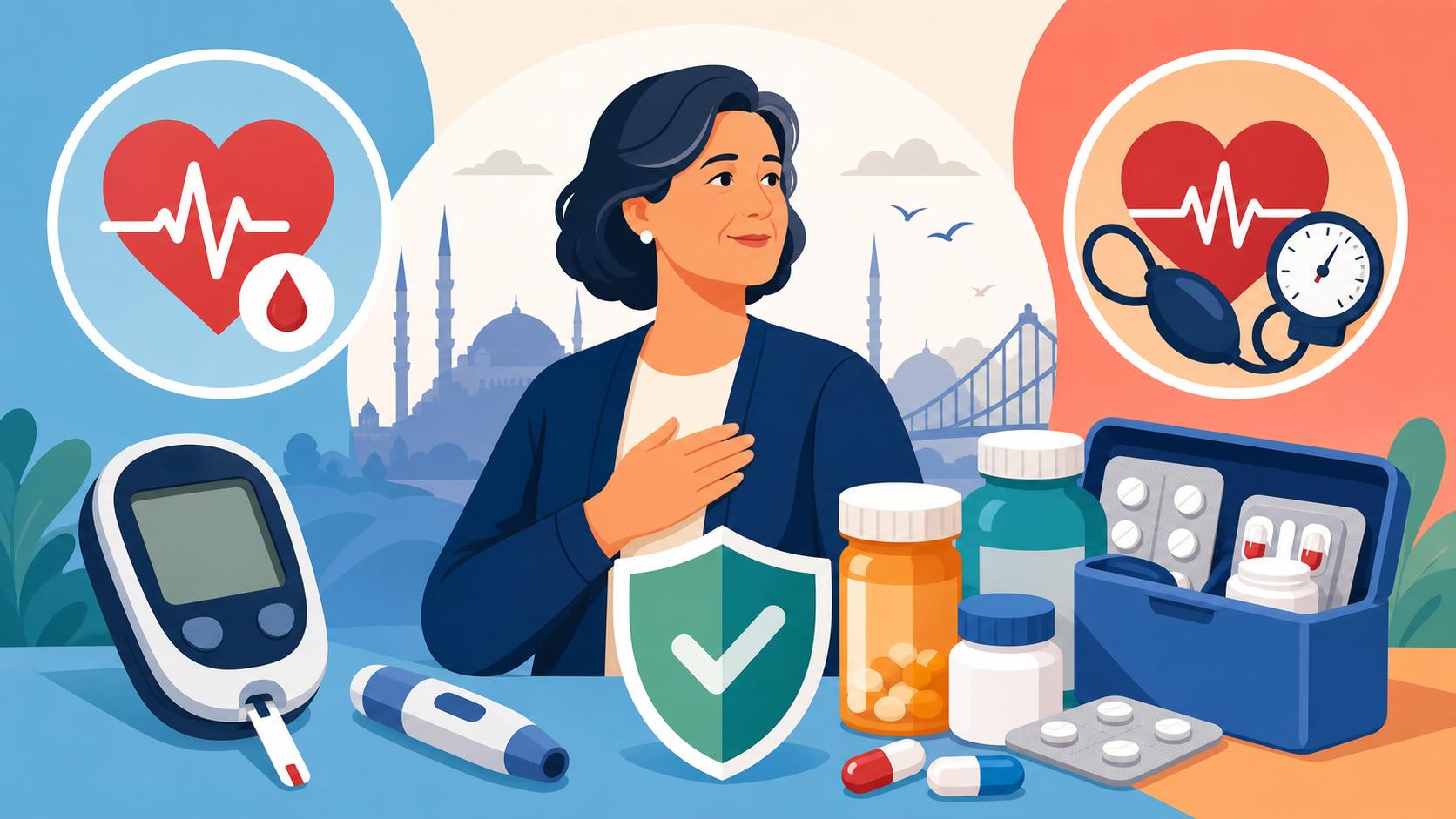
Managing a chronic condition like diabetes or hypertension is stressful enough, but doing it in a foreign country where pharmacy signs are different and medical jargon feels like a wall of noise can be truly overwhelming. I remember the genuine panic I felt when my blood pressure medication ran out during a holiday weekend in Izmir and I realized I didn't know the Turkish name for the active ingredient. This guide solves the mystery of sourcing medications, navigating specialist care, and managing your long-term health records in Turkey without losing your mind.
The Reality of Managing Chronic Health in Turkey
Living in Turkey offers a beautiful lifestyle, but if you are managing a chronic illness, the "honeymoon phase" of moving abroad ends quickly when you have to interface with the medical system. You aren't just here for a quick pharmacy run; you are here to build a sustainable life with a condition that requires constant vigilance. The Turkish system is highly modernized, but the logic behind it can feel alien to those from the US, UK, or EU.
Navigating the Turkish Healthcare Bureaucracy
The first thing you’ll realize is that Turkey loves its paperwork. Whether you are dealing with the public system or private clinics, everything is tracked digitally through your Yabancı Kimlik Numarası (Foreigner ID number). If you haven't yet secured your residency, managing a chronic illness is significantly more expensive and fragmented. For those who are settled, the cornerstone of your experience will be the Healthcare in Turkey for Foreigners: Complete Expat Guide (2027).
In the beginning, you might feel like you are being bounced between different departments. Public hospitals are incredibly efficient but can feel like a "conveyor belt" due to the high volume of patients. Private hospitals, on the other hand, offer more time and English-speaking staff, but the costs for chronic management—blood work, scans, and monthly consultations—can add up rapidly. This is where having a robust international plan like Cigna Global becomes a lifesaver, as it often covers the higher-tier private facilities that local "foreigner insurance" might exclude.
Language Barriers in Medical Consultations
Even in cosmopolitan hubs like Istanbul or Ankara, medical terminology is a different beast. You might be able to order a kebab in Turkish, but explaining "neuropathy" or "systolic pressure" is another level. Many expats nod along with a doctor only to realize later they didn't actually understand the dosage instructions.
It is vital to use the Essential Turkish Phrases for the Doctor: Communicating Symptoms Effectively guide to prepare yourself. Always write down your current medications and their active ingredients (not just brand names) before your appointment. While many specialists in private hospitals studied abroad, the nursing and administrative staff often do not speak English. I highly recommend bringing a trusted local friend or hiring a medical translator for your first few major appointments to ensure your history is recorded accurately in the Turkish system.
The Emotional Toll of Managing Illness Abroad
There is a specific kind of "expat fatigue" that sets in when you are sick. You miss your old doctor who knew your history for ten years. You miss the familiar packaging of your meds. This isolation can actually worsen conditions like hypertension, where stress is a major factor.
Finding a community is essential. There are several support groups in cities like Antalya and Istanbul specifically for diabetic expats. Sharing tips on where to find the best endocrinologists or which pharmacies stock specific insulin brands can make the transition much smoother. Don't underestimate the power of knowing you aren't the only one navigating these hurdles.
Sourcing and Managing Medications for Diabetes and Hypertension
The pharmacy system in Turkey is one of the best in the world in terms of accessibility, but the rules are strict. You cannot just walk in and get whatever you want; the government tracks every single box of medicine through the İlaç Takip Sistemi (ITS), a QR-code-based tracking system.
Understanding the Turkish Pharmacy Eczane System
In Turkey, pharmacies are called "Eczane." You will see them on almost every corner. However, they aren't all open all the time. On Sundays and late at night, only a "Nöbetçi Eczane" (Duty Pharmacy) in each neighborhood remains open. You can find out which one is on duty by checking the sign in the window of any closed pharmacy or using a dedicated app.
For chronic patients, the Pharmacies (Eczane) in Turkey: Prescriptions, Duty Hours, and Medications list is your most important resource. When you first arrive, you might be surprised to find that some medications that require a prescription in your home country are available over-the-counter here, while others—like certain stimulants or high-strength painkillers—are under lock and key with "Red" or "Green" prescription requirements. For hypertension and diabetes, you will almost always need a local doctor to enter your prescription into the electronic system so you can claim it through insurance.
Medication Equivalents and Active Ingredients
Your favorite brand of blood pressure medication might not exist in Turkey, or it might be sold under a different name by a local manufacturer like Abdi İbrahim or Bilim İlaç. This is why you must know your active ingredients (e.g., Amlodipine, Metformin, Lisinopril).
Pharmacists in Turkey are highly trained and often act as a first line of medical advice. They can help you find Turkish Pharmacy Equivalents for Advil, Tylenol, and Common Painkillers and your specific chronic meds. If a specific drug is not imported into Turkey, you may have to work with the Turkish Pharmacists’ Association (TEB) to have it imported specifically for you, which is a long and expensive process. In these cases, many expats rely on supplements from iHerb to bridge the gap in their nutritional needs that support their primary treatment.
Securing a Consistent Supply of Insulin and Blood Pressure Meds
If you are on SGK (the government insurance), you can get a "Rapor" (Medical Report). This is a golden ticket for chronic patients. A specialist at a state hospital or a qualified private one issues a report stating you have a chronic condition. Once this is in the system, your medications are often free or highly subsidized, and you can get a 3-month supply at once.
If you are using private insurance or paying out-of-pocket, you will likely be buying one month at a time. Always keep a one-month buffer. Supply chain issues can occasionally affect specific insulin pens or specialized cardiac meds. If you find a pharmacy that regularly stocks your specific brand, stick with them. Developing a relationship with your local "Eczacı" (Pharmacist) means they might even order your meds in advance so they are waiting for you each month.
Accessing Specialist Care and Diagnostic Monitoring
For diabetes and hypertension, "set it and forget it" is not an option. You need regular blood work (A1C levels), kidney function tests, and cardiac stress tests.
Finding English-Speaking Endocrinologists and Cardiologists
Most expats gravitate towards large private hospital chains like Acıbadem, Memorial, or American Hospital. These facilities are JCI-accredited and have some of the best specialists in the region. If you are living in a smaller town, you might find English speakers are rarer.
To book these appointments, you can use the Booking Public Hospital Appointments via the MHRS Digital System if you have SGK, or simply call the international patient department of a private hospital. Mentioning you have coverage from Cigna Global often speeds up the process in private clinics, as they have direct billing agreements with most top-tier facilities.
Routine Lab Tests and Using Private Laboratories
One of the great things about Turkey is the availability of private diagnostic labs like Düzen or Gelişim. You don't always need a doctor’s referral to get a blood test if you are paying out-of-pocket. If you feel your blood sugar is off and you want an immediate A1C check, you can walk into a lab, pay a fee, and have the results emailed to you by the afternoon.
These results can then be uploaded or automatically synced to your Using e-Nabız: Accessing Your Medical Records on the Ministry of Health App. This app is a lifesaver. It keeps a record of every prescription, every lab result, and every doctor's visit you've had in Turkey. Even if you switch doctors, your new physician can see your entire history with your permission.
Integrating Wearable Tech and Monitoring Tools
If you use a Continuous Glucose Monitor (CGM) like Dexcom or FreeStyle Libre, be aware that these can be expensive in Turkey and are not always covered by basic residency insurance. Some expats choose to bring these from home or order specialized health tech accessories via iHerb if they aren't available locally.
For hypertension, high-quality Omron or Microlife blood pressure cuffs are available in most pharmacies. I recommend buying one locally rather than bringing one from home to ensure you have local warranty support. Keep a manual log of your readings to show your Turkish doctor, as they appreciate patients who take an active role in their data collection.
Health Insurance Strategies for Chronic Patients
This is the area where most foreigners make mistakes. Not all insurance is created equal, especially when "pre-existing conditions" are involved.
SGK Public Insurance vs. Private Coverage
Once you have lived in Turkey for one year on a valid residence permit, you are eligible to apply for SGK. This is the national social security system. For a monthly premium, it covers almost all costs at state hospitals and provides heavy discounts on medications.
However, for chronic patients, the wait times at state hospitals can be a deterrent. Many choose to supplement SGK with a "Complementary" (Tamamlayıcı) policy or stick entirely to a comprehensive private plan. You can find a deep dive into this in the Health Insurance in Turkey: SGK Public System vs Private Coverage Explained guide.
Managing Pre-existing Conditions and Waiting Periods
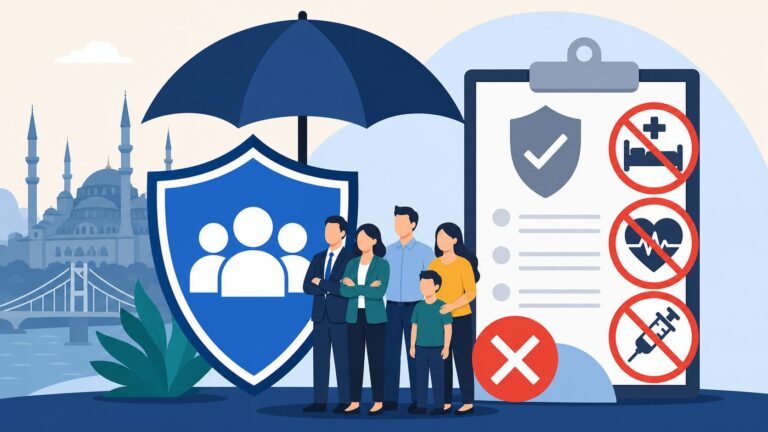
If you are buying private insurance after you have been diagnosed with diabetes or hypertension, most Turkish providers will exclude these conditions from your coverage for the first year, or forever. They may also charge a significantly higher premium.
This is where international providers like Cigna Global differ. They are often more accustomed to "underwriting" a policy, which means they might cover your chronic condition after a specific waiting period or with a set premium increase, whereas local "tourist" insurance will simply say "no." Always read the fine print regarding "Chronic Disease Follow-up" coverage.
The Role of International Health Plans
If you travel frequently or want the peace of mind of being able to seek treatment outside of Turkey, an international plan is the way to go. These plans usually offer much higher limits for outpatient care, which is where most of your chronic illness costs will sit—consultations, routine tests, and monthly prescriptions. Having a plan that speaks your language and understands international medical codes can save you hours of arguing with a local billing department over whether a specific blood test was "medically necessary."
| Feature | SGK (Public) | Local Private Insurance | International (e.g., Cigna Global) |
|---|---|---|---|
| Pre-existing Coverage | Covered after 1 year | Usually excluded | Subject to underwriting |
| Medication Cost | High subsidy (with Rapor) | Limited coverage | Reimbursed or direct pay |
| Specialist Access | State hospitals (busy) | Network of private hospitals | Global network / Top tier |
| Language Support | Rare | Moderate (in big cities) | High |
| Monthly Cost | Fixed (approx. 6,500+ TL) | Varies by age | Premium |
Lifestyle and Dietary Adjustments in a Land of Carbs and Salt
Turkey is a food paradise, but for a diabetic or someone with hypertension, it can be a minefield. The culture revolves around fresh bread (Ekmek), salty cheeses, and sugary tea.
Deciphering Turkish Food Labels for Sugar and Sodium
When you go to a supermarket like Migros or CarrefourSA, you need to look for specific keywords. "Şeker İlavesiz" means no added sugar, and "Tuzsuz" means salt-free. Turkish labeling is quite good, but you have to be careful with "light" products, which sometimes replace fat with extra salt or sugar.
If you struggle to find specific diabetic-friendly snacks or specialized salt substitutes, iHerb is a great resource that ships to Turkey, though you must be mindful of customs limits (stay under 150 Euros to avoid heavy commercial taxes). Many expats order their stevia-based sweeteners or specific fiber supplements this way.
Finding Health Food in Traditional Markets
The best place to manage your diet is actually the weekly "Pazar" (street market). Here you can find incredibly fresh, organic vegetables for a fraction of the price of supermarkets. Focusing on the "Zeytinyağlı" (olive oil-based) tradition of Turkish cooking is perfect for heart health.
However, be wary of the "hidden" salt in pickles (Turşu) and olives. Always soak your olives in water overnight to remove excess sodium. For those with diabetes, skipping the breakfast "Simit" and focusing on the eggs, cucumbers, and tomatoes of a traditional breakfast will keep your glucose levels much more stable.
Stress Management and Community Support
The pace of life in Turkey can be frantic, especially in cities like Istanbul. For hypertension patients, finding ways to decompress is vital. Whether it's a walk along the Bosphorus or joining a local yoga studio, don't let the administrative stress of being an expat spike your blood pressure.
Registering with a Choosing a Primary Care Physician (Aile Hekimi) at a Local Health Center is a great way to have a "home base" for minor health concerns. These neighborhood doctors are often very kind and can provide a level of personal care that large hospitals lack. They can also help monitor your blood pressure regularly without you needing to book a formal hospital appointment.
Disclaimer
The information provided in this guide is for educational and informational purposes only and does not constitute medical or legal advice. Healthcare laws, insurance regulations, and medication availability in Turkey are subject to frequent changes. Always consult with a qualified healthcare professional in Turkey and your insurance provider before making any changes to your treatment plan or purchasing a policy. The author is an expat sharing personal experiences, not a licensed medical professional or insurance agent.