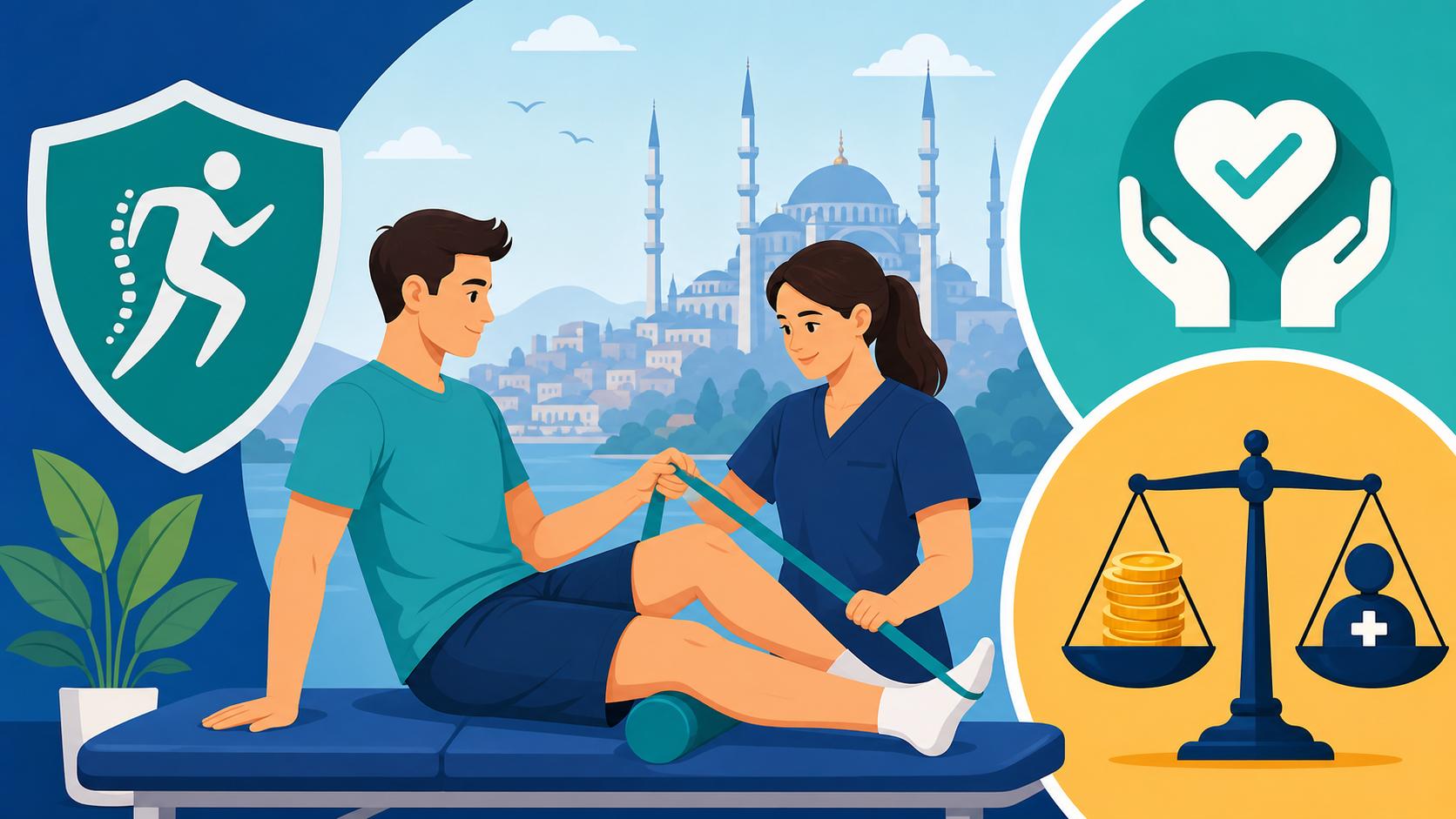
Physical Therapy and Rehabilitation: Costs and Quality of Care in Turkey
Waking up with a slipped disc in a foreign country is terrifying when you do not know the Turkish word for sciatica or how to navigate the local hospital system. I spent weeks limping through the labyrinth of public and private physiotherapy centers before finding a clinic that actually understood my needs. This guide breaks down Turkey’s rehabilitation landscape, costs, and quality standards to ensure your recovery is not stalled by administrative confusion.
Understanding the Physical Therapy Landscape in Turkey
Navigating physical therapy in Turkey, or Fizik Tedavi ve Rehabilitasyon as it is known locally, requires understanding the three-tier system of care. You have the large state-run hospitals, the massive private multi-specialty hospitals, and the dedicated boutique rehabilitation clinics. For an expat, the experience can vary wildly depending on which door you walk through. Public hospitals are incredibly efficient but often lack the personal touch or English-language support you might need during a complex recovery process. Private clinics in hubs like Istanbul or Antalya, however, feel more like five-star hotels and are specifically geared toward international patients and resident foreigners.
The Difference Between State Hospitals and Private Clinics
State hospitals (Devlet Hastanesi) are the backbone of the Turkish medical system. They offer comprehensive physical therapy services that are nearly free if you are enrolled in the public insurance system. However, the wait times for non-emergency rehabilitation can be several weeks, and the sessions are often shorter, sometimes only 20 to 30 minutes of supervised exercise. In my experience, these centers are high-volume, and while the physiotherapists are highly trained, they may be managing several patients simultaneously.
Private clinics offer a drastically different environment. Here, you are more likely to find one-on-one sessions lasting 60 minutes or more. These facilities often invest in the latest robotic gait trainers, shockwave therapy machines, and hydrotherapy pools. For those used to Western standards of care, private clinics in neighborhoods like Nişantaşı or Kadıköy provide a familiar level of attention. If you are covered by Private Health Insurance (Özel Sağlık Sigortası): Top Providers for Foreigners, you will find that many of these high-end clinics are within your network, significantly reducing your out-of-pocket burden.
JCI Accreditation and International Standards
Turkey has one of the highest numbers of JCI-accredited (Joint Commission International) healthcare facilities in the world. This is a critical metric for any expat or tourist seeking rehabilitation. When a clinic is JCI-accredited, it means they follow the same safety and quality protocols as top-tier hospitals in the United States or Europe. For physical therapy, this ensures that the equipment is calibrated correctly, the staff is properly licensed, and the hygiene standards are impeccable.
I always tell new arrivals that Finding Medical Care in Turkey: Public Hospitals vs JCI-Accredited Clinics should be their first priority when dealing with a chronic injury. In the world of rehabilitation, where progress is measured in millimeters, having a facility that uses evidence-based protocols rather than "traditional" guesswork is vital. Many of these accredited centers also have dedicated international patient departments to handle the paperwork, especially if you are using a global policy like Cigna Global to cover your long-term treatment.
Specialized Fizik Tedavi Centers
Unlike some countries where physical therapy is a small department within a general hospital, Turkey has entire hospitals dedicated solely to Fizik Tedavi. These are specialized hubs where the doctors are physiatrists (physical medicine specialists) and the entire staff, from the nurses to the technicians, focuses exclusively on musculoskeletal and neurological recovery. This specialization is particularly beneficial for stroke recovery, spinal cord injuries, or severe orthopedic trauma.
If you are a resident in a major city, you might be surprised to find these centers tucked away in residential areas. They often offer outpatient "packages" where you come in for three to five sessions a week. If you are managing a long-term condition, having a Cigna Global policy can be a lifesaver here, as these specialized centers can be more expensive than general private hospitals. These hubs are also where you will find the most advanced manual therapy techniques, including osteopathy and dry needling, which are becoming increasingly popular across the country.
Navigating the Costs of Rehabilitation
One of the most pleasant surprises for foreigners in Turkey is the cost-to-quality ratio for medical services. However, prices are not uniform. As an expat, you will find that "tourist pricing" can sometimes creep in if you do not have a residence permit or the right insurance. Understanding the baseline costs will help you negotiate and plan your recovery budget without any nasty surprises at the billing desk.
Out-of-Pocket Prices for Foreigners
If you are paying cash, a standard 45-to-60-minute physical therapy session in a reputable private Istanbul clinic typically ranges from 1,500 TL to 3,500 TL (roughly $45 to $110 USD). This is significantly cheaper than similar care in London or New York, but it adds up quickly if your doctor prescribes twenty sessions. Many clinics offer "package deals" where you pay for ten sessions upfront and get a 10% to 20% discount.
It is important to ask if the initial consultation with the physiatrist is included in the price. In Turkey, a doctor must legally "prescribe" the therapy before the physiotherapist can begin working on you. This initial doctor's visit can cost between 2,000 TL and 5,000 TL at a private hospital. If you are budget-conscious, reviewing Healthcare Budgeting: Understanding Copays, Tariffs, and Billing in Turkey can help you understand how these fees are structured. Keep in mind that specialized treatments like robotic rehabilitation or high-intensity laser therapy will always carry a surcharge.
Public System SGK vs Private Insurance Coverage
For those living here long-term, the SGK Public System vs Private Coverage Explained debate is central to your health costs. If you have been a resident for over a year and have enrolled in SGK, physical therapy at a state hospital is almost entirely covered. However, the quality of the "equipment" might be older, and the wait times can be frustrating. Many expats choose to maintain a private policy to bypass these hurdles.
Private insurance comes in two flavors: local Turkish policies and international expat plans. Local policies often have a "limit" on physical therapy sessions—usually 10 to 15 sessions per year. If your injury is severe, you might blow through that limit in a single month. This is where an international plan like Cigna Global proves its worth, as they often have much higher or even unlimited rehabilitation limits. Having a robust plan ensures that you can continue your Physical Therapy Costs: Private Rehabilitation Clinics vs SGK Coverage without worrying about whether your 11th session will be denied by a local clerk.
Hidden Costs Diagnostics and Equipment
The session price is rarely the final price. Before you even start therapy, the doctor will likely want an MRI or a CT scan. While these are also cheaper in Turkey than elsewhere, an MRI at a private hospital can still set you back 4,000 TL to 8,000 TL. Always ask for a "cash price" if you are not using insurance; they often have a different rate for self-paying patients.
Additionally, you may be asked to purchase specific equipment for home use, such as TENS machines, specialized braces, or resistance bands. While the clinic might try to sell these to you directly, you can often find the same medical-grade items on local sites like Trendyol or Hepsiburada for half the price. For recovery aids like high-quality magnesium supplements, joint support formulas, or topical pain creams that might be expensive or hard to find in local pharmacies, many expats use iHerb to ship them directly to Turkey. Using iHerb allows you to access brands you trust from home, which can be a huge comfort when your body is in pain.
| Service Type | Estimated Cost (Private) | SGK Coverage | Wait Time |
|---|---|---|---|
| Initial Consultation | 2,000 – 5,000 TL | 100% (State) | 1 – 3 Weeks |
| Standard PT Session | 1,500 – 3,500 TL | 100% (State) | None (Private) |
| Robotic Rehabilitation | 4,000 – 7,000 TL | Partial | 2 – 4 Weeks |
| MRI (One Area) | 4,000 – 8,000 TL | 100% (State) | 1 – 2 Days (Private) |
| Home Exercise Kit | 500 – 2,500 TL | None | N/A |
Choosing the Right Provider for Your Recovery
Selecting a physiotherapist in Turkey is about more than just finding someone with a degree; it is about finding a partner who understands your lifestyle. If you are an active expat who enjoys hiking in the Kaçkar Mountains or swimming in the Aegean, you need a therapist who specializes in sports medicine, not just general geriatric care.
Finding English-Speaking Therapists in Major Cities
The language barrier is the most significant hurdle for expats. While many doctors speak excellent English, the technicians and therapists who actually perform the exercises might not. In Istanbul, you should focus your search on clinics in Beşiktaş, Şişli, and Kadıköy. Hospitals like American Hospital (Amerikan Hastanesi) or Acıbadem are famous for their English-speaking staff.
If you are outside of Istanbul, Ankara Expat Healthcare Guide: Hospitals and Embassy-Recommended Clinics is an excellent resource for finding providers who serve the diplomatic community. In coastal towns, the search is harder. You might find a great therapist in a Fethiye or Antalya medical network, but you may need to bring a translation app or a friend to the first few sessions to ensure your symptoms are correctly understood. Clear communication is essential, especially when describing the nuance of nerve pain or muscle fatigue.
The Role of Aile Hekimi and Referrals
In the Turkish system, your Choosing a Primary Care Physician (Aile Hekimi) at a Local Health Center is your first point of contact. Even if you plan to go private, registering with your local health center is a legal requirement for residents. While a family doctor at a Sağlık Ocağı won't perform physical therapy, they can provide the necessary paperwork and referrals that some local insurance companies require to authorize payment.
For those using Cigna Global, a formal referral from a Turkish doctor is usually enough to kickstart the direct billing process. It is a good idea to build a relationship with your Aile Hekimi early on. They can help you navigate the system and might even recommend local "hidden gem" clinics that aren't marketing to tourists but provide exceptional, affordable care to the neighborhood.
Vetting a Clinic’s Technology and Equipment
When you visit a clinic for the first time, look past the shiny lobby. Check for the specific tools required for your injury. If you have a tendon issue, ask if they have Extracorporeal Shockwave Therapy (ESWT). If you are recovering from surgery, do they have a hydrotherapy pool? Many smaller clinics in Turkey are "manual only," meaning they rely heavily on massage and basic stretching. While this is great for some, others may need more advanced modalities like Tecar therapy or ultrasound.
Don't be afraid to ask where the therapists were trained. Many younger Turkish physiotherapists have completed internships or master's degrees in Germany or the UK, bringing back highly specialized techniques. A clinic that invests in continuous education for its staff is always a better choice than one that has been doing the same routines for twenty years.
Specialized Rehabilitation Services in Turkey
Turkey has carved out a niche in specific types of rehabilitation that draw people from across the globe. From post-surgical care to ancient thermal treatments, the options go far beyond the standard gym-and-plinth setup you might find in a neighborhood clinic.
Post-Surgical Rehab Hair Transplants and Orthopedics
Turkey is the world capital of certain elective surgeries, and the rehabilitation industry has adapted accordingly. If you have had an orthopedic procedure, such as a knee replacement or ACL repair, the post-op protocols here are world-class. Many surgeons work in "closed loops" with specific rehabilitation centers to ensure the patient follows a strict recovery timeline.
Interestingly, even the massive hair transplant industry has spawned a sub-sector of specialized care. While not "physical therapy" in the traditional sense, specialized neck and scalp treatments are often needed to manage the discomfort and posture issues that arise during the healing phase. If you are here for such a procedure, our Medical Tourism Guide 2027: Navigating Hair Transplants and Aesthetics Safely provides deeper insights into how to vet these providers. Always ensure your rehab specialist is in communication with your operating surgeon.
Thermal Springs and Balneotherapy
One unique aspect of rehabilitation in Turkey is the integration of thermal waters. Cities like Afyon, Bursa, and Pamukkale are home to "Thermal Rehab" centers where physical therapy is combined with mineral-rich hot springs. This is known as balneotherapy and is a medically recognized treatment in Turkey for rheumatoid arthritis and chronic back pain.
Many state and private insurers actually cover these treatments because of their proven efficacy. Spending two weeks at a thermal facility in Bursa can do wonders for chronic inflammation. It is a very "Turkish" way to recover—combining modern science with the country's ancient hammam culture. If you are interested in this route, Traditional Medicine in Turkey: The Role of Thermal Baths and Hacamat explains how to integrate these natural therapies into your medical plan safely.
Sports Medicine and Athletic Performance
For the "weekend warriors" among the expat community, Turkey offers excellent sports-specific rehabilitation. Professional football and basketball are huge here, and the same clinics that treat elite athletes are often open to the public. These centers focus on "functional" recovery—not just getting you pain-free, but getting you back to your specific sport.
During high-intensity sports recovery, your nutritional needs skyrocket. I found that local supplements can sometimes be limited in variety or contain fillers I didn't want. I started ordering my protein powders and recovery aminos from iHerb because they offer a wider range of clean, professional-grade products that are essential for tissue repair. Combining high-end Turkish sports PT with a targeted supplement regimen from iHerb can significantly shorten your downtime.
Managing Your Treatment and Records
One of the biggest frustrations in any medical journey is the loss of data between providers. Turkey has a surprisingly digital solution for this, but it requires a bit of setup. As an expat, being proactive about your medical "paper trail" will save you from repeating expensive tests.
Using e-Nabız for Progress Tracking
Every medical interaction you have in Turkey, from a blood test to a physical therapy session, is recorded in a central system called e-Nabız. This is a government app that you can access using your e-Devlet credentials. It is a game-changer for rehabilitation because it allows you to show your new therapist exactly what your previous doctor prescribed.
Using e-Nabız: Accessing Your Medical Records on the Ministry of Health App is essential for anyone with a chronic condition. You can upload your own X-rays and MRI reports, and even track your daily activity. If you switch from a clinic in Istanbul to one in Antalya or Alanya, your new team can see your entire history at the touch of a button. This digital continuity is something Turkey does better than many Western countries.
Home Exercises and Supplementation for Recovery
Physical therapy only works if you do the work at home. In Turkey, you will often be given a printout of exercises (often in Turkish). I recommend asking your therapist to film you doing the exercises on your phone so you have the correct form saved. This "home-tech" approach is becoming the standard in private clinics.
To support the physical work, pay attention to your inflammation levels. Many expats find it worthwhile to look into iHerb for high-potency Omega-3s and Turmeric/Curcumin supplements, which can be much cheaper than buying the equivalent "fancy" brands in Turkish eczanes. Proper supplementation is the fuel for the fire you're building in the gym. When you're consistent with both your exercises and your nutrition, the results in a Turkish PT clinic can be truly life-changing.
Legal Recourse and Malpractice
While the vast majority of physical therapy experiences in Turkey are positive, it is important to know your rights. If a therapist causes an injury through negligence, you have the right to file a complaint. The Turkish Ministry of Health takes these complaints seriously, especially in the private sector where licenses are at stake.
Before starting treatment, always ensure you have signed a consent form that clearly outlines the risks. If something feels wrong, trust your gut. Turkey is a "hospitality-first" culture, and sometimes therapists can be overly eager to push you. If you need to seek a second opinion, our guide on Handling Medical Malpractice: How to File Complaints with the Ministry of Health will walk you through the necessary steps to protect yourself. Most reputable clinics, especially those used by Cigna Global clients, will have a patient relations officer specifically for these issues.
Disclaimer Regarding Medical Advice
The information provided in this guide is for informational and educational purposes only. It is not intended as a substitute for professional medical advice, diagnosis, or treatment. Always seek the advice of your physician or another qualified health provider with any questions you may have regarding a medical condition. Never disregard professional medical advice or delay in seeking it because of something you have read in this article. The healthcare landscape and insurance regulations in Turkey are subject to change, and users should verify the current rules and costs with official sources or their insurance providers.