How to Register Your Address with the Local Sağlık Ocağı (Health Clinic)
Realizing you need a doctor for a persistent cough or a routine blood test only to be told you aren't "in the system" is a frustrating Turkish rite of passage. I spent my first winter in Istanbul bouncing between private emergency rooms because I hadn't realized my residency permit didn't automatically assign me a local doctor. This guide solves that hurdle by walking you through the exact process of registering with your neighborhood Sağlık Ocağı.
The Foundation of Neighborhood Healthcare in Turkey
Before you can step foot in a local clinic for a checkup, you have to understand what the Sağlık Ocağı system actually is. Officially known as an Aile Sağlığı Merkezi (Family Health Center), these clinics are the primary point of contact for anyone living in Turkey. They are decentralized, neighborhood-based hubs designed to take the pressure off massive state hospitals. Unlike the high-tech, marble-floored private facilities covered by premium plans like Cigna Global, a Sağlık Ocağı is usually a modest building tucked away on a side street, often smelling faintly of floor wax and Turkish tea.
The system is built around the "Aile Hekimi" or Family Doctor. Every resident, including foreigners with a valid Ikamet, is entitled to be assigned to one specific doctor based on their registered home address. This doctor becomes your gatekeeper. They handle your basic prescriptions, administer vaccinations, and provide the initial consultation for non-emergency issues. I personally found that once I was registered, getting a routine prescription took ten minutes at my local clinic, whereas waiting at a public hospital could consume an entire afternoon.
For many expats, the transition to this hyper-local system can be jarring. If you are used to the expansive coverage and direct access to specialists provided by Cigna Global, the local clinic might seem limited. However, for administrative tasks—like getting a health report for a driver’s license or a simple strep test—the Sağlık Ocağı is indispensable. It is the bedrock of Healthcare in Turkey for Foreigners: Complete Expat Guide (2027) and ignoring it means you are missing out on the most efficient way to manage your day-to-day wellness.
The Absolute Prerequisite Official Address Registration
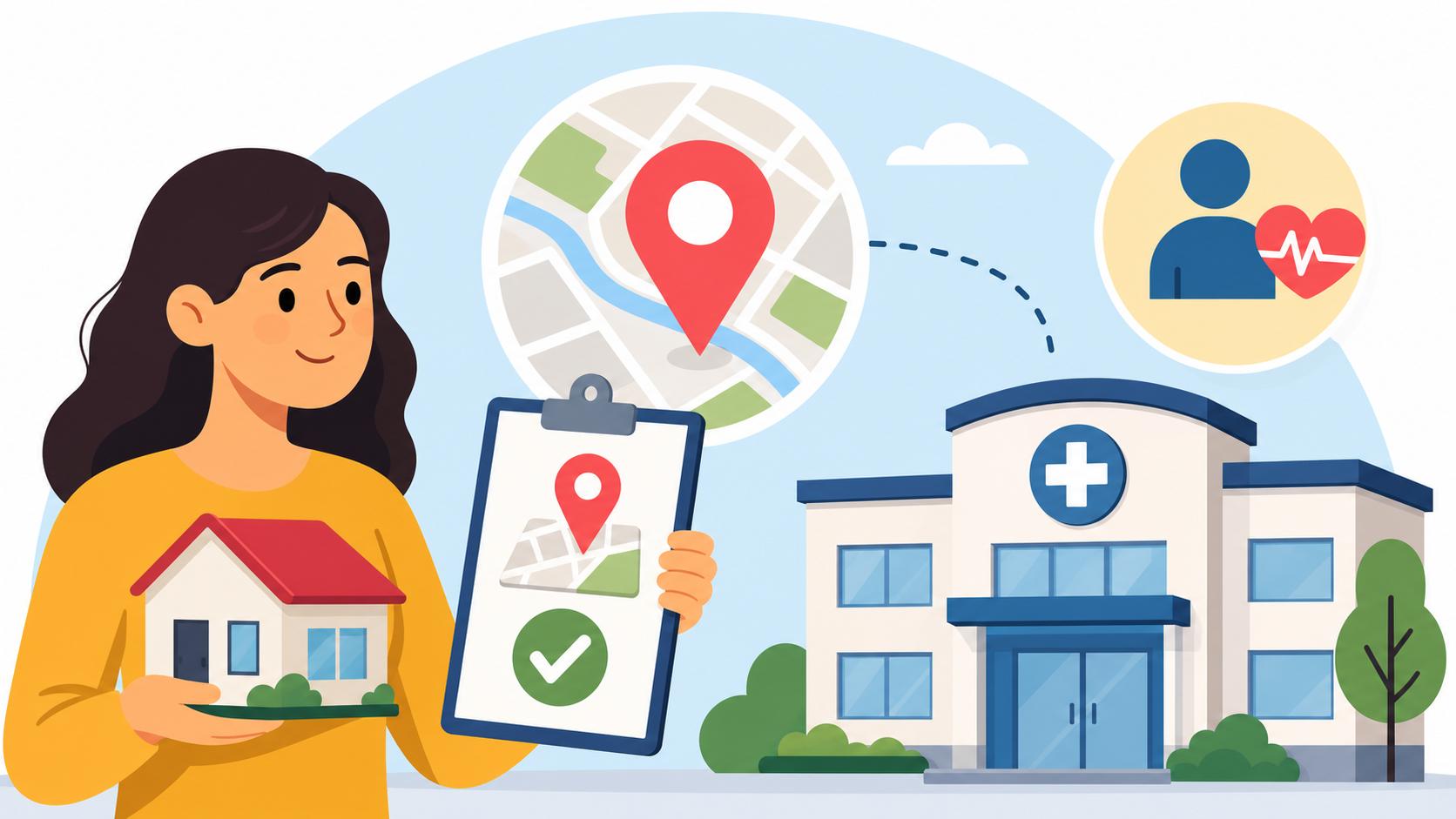
You cannot register with a local health clinic until the Turkish government knows exactly where you sleep at night. This is where most foreigners hit a wall. In Turkey, your medical records are digitally tethered to your "Yerleşim Yeri" (place of residence). If you have moved into a new apartment but haven't visited the Nüfus (Population) Directorate or updated your details via e-Devlet, the Sağlık Ocağı system will reject your application because your 99-number won't be associated with that specific neighborhood.
I learned the hard way that you must complete Address Registration (Nüfus): The Most Critical Post-Arrival Step for Foreigners before even trying to find your doctor. Once your address is finalized, it typically takes 24 to 48 hours for that data to migrate to the Ministry of Health’s servers. During this waiting period, it is usually a good idea to focus on building up a home medicine cabinet. Since local clinics don't always stock specific western brands of supplements or specialized probiotics, I often order my essentials from iHerb to ensure I have my preferred vitamins while the Turkish administrative wheels slowly turn.
If you find that someone else is still registered at your address—a common issue in high-turnover expat areas like Kadıköy or Kaş—you will need to provide your notarized rental contract to the Nüfus office to "clear" the address. Only once you are the sole resident registered at that location will the local Sağlık Ocağı be able to see you on their digital roster. This level of bureaucracy is intended to ensure that clinics aren't overwhelmed by people traveling from other districts to see "popular" doctors.
Finding and Visiting Your Assigned Family Health Center
Once your address is official, the next step is identifying which specific center you belong to. Each neighborhood is divided into zones, and you cannot simply pick the clinic that looks the newest. You must go to the one assigned to your street. You can find this information by logging into the e-Nabız system, which is the centralized health portal for Turkey. If you haven't set this up yet, check out our guide on Using e-Nabız: Accessing Your Medical Records on the Ministry of Health App for a walkthrough.
When you arrive at the clinic, do not expect a receptionist who speaks fluent English. This is a local service for local people. It helps to bring a Turkish-speaking friend or have a translation app ready on your phone. You will need to present your original Residence Permit (Ikamet) and potentially a copy of your address registration document. Tell the staff you want to "kayıt olmak" (to register). They will check their system to see which doctor in that building has an open quota for new patients.
The process of Choosing a Primary Care Physician (Aile Hekimi) at a Local Health Center is usually automatic for foreigners—you are simply assigned to the doctor with the most room on their list. Once assigned, that doctor is yours for as long as you live in that neighborhood. If you eventually decide that the language barrier is too high or you prefer a different bedside manner, you can request a change through e-Nabız after three months. During these initial visits, if the doctor recommends certain lifestyle changes or vitamins that aren't available in the local "Eczane," I rely on iHerb to source high-quality, international brands that meet my specific dietary needs.
Services Provided at the Sağlık Ocağı vs. Hospitals
It is important to manage your expectations regarding what a neighborhood clinic can and cannot do. Some expats show up at a Sağlık Ocağı expecting an X-ray or a cast for a broken bone, only to be redirected to a state hospital. These centers are for "Level 1" care. They are excellent for preventative medicine and chronic condition management, but they are not mini-hospitals.
| Service Type | Sağlık Ocağı (Local Clinic) | Public/Private Hospital |
|---|---|---|
| Routine Blood Tests | Yes (Usually before 10:30 AM) | Yes (All day) |
| Vaccinations | Yes (Including childhood schedule) | Yes |
| Prescription Refills | Yes (For basic medications) | Yes (For all medications) |
| X-rays and Scans | No | Yes |
| Emergency Trauma | No | Yes |
| Specialist Consults | No | Yes |
| Health Reports | Yes (Driver's/Work/Marriage) | Yes (But more expensive) |
For anything involving advanced diagnostics or surgery, you will want the heavy-duty protection of a policy like Cigna Global, which allows you to bypass the neighborhood clinic and go straight to world-class private specialists. However, for those "I think I have a cold" moments, the Sağlık Ocağı is your best friend. They can also help you navigate the Pharmacies (Eczane) in Turkey: Prescriptions, Duty Hours, and Medications system by issuing electronic prescriptions (e-reçete) that you can pick up anywhere in the country using just your ID number.
If you are managing a long-term health goal, such as improving your vitamin D levels or gut health after a round of local antibiotics, using the clinic for regular blood work is a massive cost-saver. You can get your results on e-Nabız within 24 hours, and then use those results to tailor your supplement orders from iHerb, ensuring you aren't just guessing about what your body needs.
Cultural Nuances and the Language Barrier
Living in Turkey as a foreigner means embracing a certain level of social ambiguity. In a Sağlık Ocağı, there is rarely a formal "line" in the way Westerners expect. People might hover near a door or walk in to ask a quick question while you are speaking to the nurse. Don't take it personally; it's just the local pace. Being polite, saying "Kolay Gelsin" (may it be easy for you) when you enter, and having your documents organized will go a long way in earning the staff's favor.
The language barrier is the biggest hurdle for most. While more young doctors are becoming proficient in English, many nurses and administrative staff at the neighborhood level speak only Turkish. It is worth learning a few Essential Turkish Phrases for the Doctor: Communicating Symptoms Effectively before your appointment. If your medical needs are complex or you have a history of serious illness, relying solely on the local clinic might feel risky. This is why many expats maintain a dual approach: they use the Sağlık Ocağı for administrative tasks and basic labs, but keep a comprehensive plan with Cigna Global to access Finding English-Speaking Doctors in Istanbul: Top International Clinics for their actual treatment and specialized care.
It is advisable for new arrivals to treat the local clinic staff like neighbors. They are often the first to know about local health trends, such as a flu outbreak in the school system or a new shipment of vaccines. If you are someone who prefers organic or non-synthetic health products, keep in mind that the local system is very clinical and pharmaceutical-heavy. For a more holistic approach, you’ll likely need to supplement your care with items from iHerb, which offers a variety of herbal teas, organic supplements, and clean-label personal care products that are hard to find in a standard Turkish grocery store.
Maintaining Your Status and Moving House
Your registration at a Sağlık Ocağı is not "set it and forget it." If you move to a new apartment in a different district, your registration does not follow you automatically. You must repeat the address registration process and then "re-register" with a new clinic in your new neighborhood. People can lose access to their prescriptions if they move across town and forget to update their records until they have already run out of medication.
It is also vital to understand how your local registration interacts with your residency status. If your Ikamet expires or is rejected, your access to the subsidized rates at the Sağlık Ocağı may be cut off. Keeping your Mandatory Ikamet Insurance: What Health Policies Actually Cover for Visas up to date is essential for legal residency, but it doesn't always provide the deep clinical support that a premium expat-focused plan like Cigna Global offers during those "gap" periods between residency renewals.
Ultimately, the goal of registering with your local clinic is to become a "legit" member of your Turkish community. It provides a safety net that is both affordable and accessible. Whether you are popping in for a quick flu shot or using their blood lab to monitor the effectiveness of the supplements you’ve ordered from iHerb, having a local doctor who knows your name and your 99-number is a vital component of a successful life in Turkey. It bridges the gap between being a "tourist with a permit" and truly living like a local.
Disclaimer
This guide is intended for informational purposes only and does out constitute legal or medical advice. Healthcare regulations in Turkey, including residence permit requirements and clinic registration protocols, are subject to frequent change. Always verify the latest procedures with the Provincial Directorate of Migration Management (Göç İdaresi) or the Ministry of Health (Sağlık Bakanlığı) before making administrative decisions. The mention of specific brands does not constitute an official endorsement by Turkish health authorities.