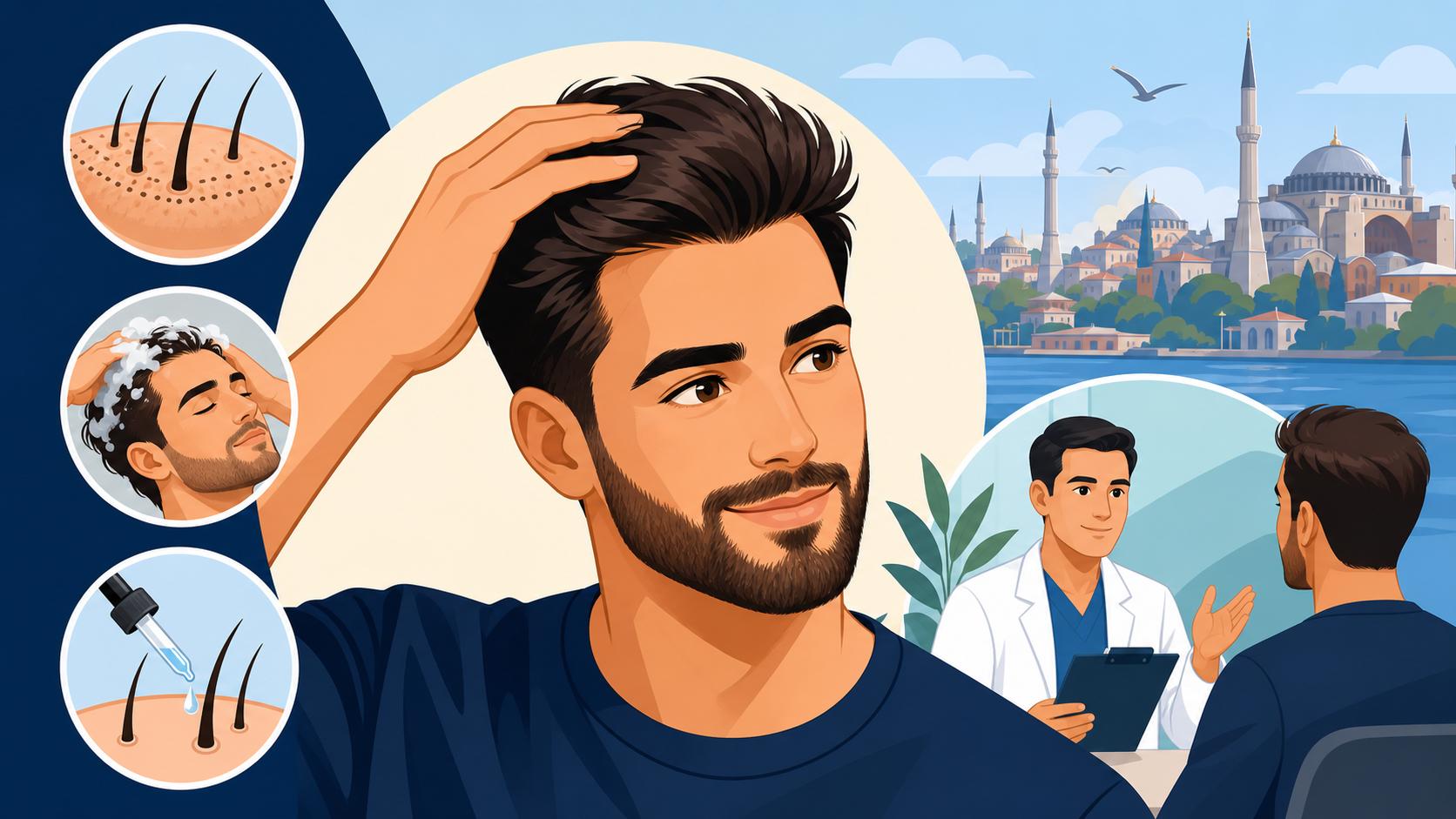
Hair Transplant Surgery: Aftercare and Medical Follow-ups for Local Residents
Waking up the morning after your hair transplant in Istanbul or Antalya is often a surreal experience, marked by a mix of excitement and the immediate, nagging worry that you might accidentally dislodge a graft. I remember staring at my reflection in a Kadıköy apartment, terrified to even blink too hard for fear of ruining the investment on my scalp. This guide solves the post-operative anxiety by providing a realistic, resident-focused roadmap for aftercare, medical follow-ups, and navigating the Turkish healthcare system during your recovery.
The Reality of Recovery in Turkey Beyond the Initial Bandages
The first few days after your procedure are the most critical, yet they are often the most stressful for those of us living here permanently rather than just flying in and out. While medical tourists might be tucked away in a hotel, local residents have to manage the "real world" of Turkey—the noise, the hills of Istanbul, and the inevitable curiosity of neighbors. The immediate goal is graft survival, which depends entirely on how you handle the first 72 hours of swelling and tenderness.
Managing the First Night and Sleep Positions
Sleep is your biggest challenge in the early days. Most clinics provide a neck pillow, and you must use it religiously to keep your head at a 45-degree angle. This prevents the swelling from migrating down to your eyes, which can be quite alarming if you aren't prepared for it. I found that stacking several firm pillows against the headboard was the only way to stay upright.
As a resident, you have the advantage of being in your own bed, but make sure you use old pillowcases or disposable pads. The donor area will likely ooze a mix of saline and a bit of blood for the first 24 hours. If you find the swelling is becoming unmanageable, you might want to look into Health Insurance in Turkey: SGK Public System vs Private Coverage Explained to see how your policy handles consultations for post-op discomfort.
Navigating Local Pharmacies for Post-Op Supplies
Your surgeon will provide a basic kit, usually containing antibiotics, painkillers, and an anti-swelling medication like Prednol. However, these supplies often run out quickly. You will need to become familiar with your local "Eczane" for refills. In Turkey, you cannot simply buy antibiotics over the counter anymore; you will need the prescription provided by your clinic.
If you find yourself needing more specialized care or a different pain management routine, understanding Pharmacies (Eczane) in Turkey: Prescriptions, Duty Hours, and Medications is vital. I’ve often found that for high-quality post-op vitamins like Biotin or Saw Palmetto, using iHerb is a much more reliable way to get international brands that aren't always stocked in the small neighborhood shops. Keeping your scalp healthy from the inside out is just as important as the external lotions.
The Washing Process Local Tips for a Sensitive Scalp
Around the second or third day, you will face the dreaded first wash. Many clinics insist you come back for them to do it the first time, which I highly recommend. Navigating the metro or a taxi with a fresh transplant can be daunting, but having a professional show you exactly how much pressure to apply is worth the trip.
The First Wash at the Clinic vs At-Home Care
When you do eventually transition to home washes, the "foam and lotion" routine becomes your new ritual. You’ll typically apply a moisturizing lotion (often Bepanthol) to the transplanted area for 30 minutes to soften the scabs, followed by a very gentle tapping wash with a specialized shampoo.
The water quality in major Turkish cities can be quite "hard" and full of chlorine. If you are a resident, I strongly suggest using bottled water or a high-quality shower filter for the first two weeks. Using lukewarm water—never hot—is non-negotiable. If you run into issues like an localized infection during this stage, you should know how to find Emergency Medical Care in Turkey: Dialing 112, Ambulances, and Triage just in case of a fever or severe reaction.
Choosing the Right Local Products and Substitutes
While your clinic will give you a starter set, you might eventually want to switch to products that fit your long-term budget. Procapil and Minoxidil are widely available in Turkish pharmacies under various local brand names. However, for those of us with sensitive skin, finding organic or additive-free supplements can be a hunt. This is where iHerb comes in handy again, as they ship directly to Turkey and offer a wider range of hair-strengthening minerals than what you might find at a local Migros or small pharmacy.
| Phase | Timeframe | Primary Goal | Required Products |
|---|---|---|---|
| Protection | Days 1-3 | Graft Anchorage | Neck pillow, Saline spray, Antibiotics |
| Scab Removal | Days 4-10 | Cleaning the Scalp | Bepanthol lotion, Ph-neutral shampoo |
| The Shedding | Weeks 2-6 | Patience | Gentle handling, No hats, Biotin |
| Growth Phase | Months 3-6 | Stimulation | PRP sessions, Minoxidil, Healthy diet |
Medical Follow-ups and Communication with Turkish Clinics
One of the perks of being a local resident is that you aren't limited to a "WhatsApp-only" follow-up relationship with your doctor. Most reputable clinics in Istanbul, particularly those that are Finding Medical Care in Turkey: Public Hospitals vs JCI-Accredited Clinics, offer in-person check-ups at the one-month, three-month, and six-month marks.
Scheduling Routine Check-ups in Istanbul or Ankara
Don't skip these appointments just because you live in the same city. The doctor needs to check for "pitting," "folliculitis," or any signs that the donor area isn't healing correctly. If you've moved since your procedure, you can often find a dermatologist by Choosing a Primary Care Physician (Aile Hekimi) at a Local Health Center who can at least monitor your general scalp health, though they may refer you back to your hair specialist for specific graft issues.
If you are worried about the cost of these ongoing visits, it is worth checking your private policy. Brands like Cigna Global are often preferred by expats because they provide more comprehensive coverage for specialist consultations that basic residency insurance might exclude. Having a solid plan from Cigna Global ensures that if a minor post-op issue turns into a dermatological complication, you aren't stuck with massive out-of-pocket costs.
Troubleshooting Complications When to Visit the ER
While rare, complications like excessive bleeding, severe allergic reactions to the local anesthetic, or infections can happen. If you develop a high fever or if the donor area begins to throb with heat, do not wait for your clinic to open on Monday morning. Knowing the Essential Medical Turkish: Vocabulary for Explaining Symptoms to Doctors will help you communicate your situation to ER staff who might not be specialists in hair restoration.
Long-Term Maintenance Keeping Your New Hair as a Resident
The "ugly duckling" phase—where the transplanted hair falls out before growing back—usually hits around week three. This is when many expats panic. Living in Turkey means you have access to incredible food, but the high-carb nature of some local diets isn't always best for hair growth.
Diet Supplements and Turkish Nutritional Habits
To support follicle health, focus on the rich proteins and healthy fats found in the Turkish Mediterranean diet—think fresh fish, walnuts, and olive oil. However, it can be difficult to get enough Zinc and Vitamin D, especially if you’re spending your recovery indoors to avoid the sun. I’ve found that supplementing my diet with high-potency vitamins ordered through iHerb ensures I’m hitting the nutritional benchmarks my surgeon recommended without having to decipher every label in a local supplement shop.
Professional Treatments Available Locally
As a resident, you have the luxury of undergoing PRP (Platelet-Rich Plasma) or Mesotherapy sessions every few months. Most Istanbul clinics offer these as part of a package. These sessions involve injecting your own plasma into the scalp to stimulate the newly planted follicles. If you’re managing your own medical records, using the Navigating the e-Nabız Website: Translating Your Blood Test Results tool can help you keep track of your iron and hormone levels, which are crucial for hair retention.
Understanding Insurance and Costs for Post-Op Complications
One of the biggest misconceptions is that the initial price of the transplant covers everything that could possibly go wrong. For residents, budgeting for the "what ifs" is essential. While the procedure itself is cosmetic and rarely covered by insurance, the complications resulting from it—like a staph infection—are a different story.
Does Private Insurance Cover Hair Transplant Issues?
Standard "Ikamet" insurance is very basic and will almost never cover anything related to a hair transplant. However, if you have an international policy from a provider like Cigna Global, you may have more leeway for related dermatological care. It’s always best to check your policy's fine print regarding "complications from elective surgery." For a broader look at how billing works here, see Healthcare Budgeting: Understanding Copays, Tariffs, and Billing in Turkey.
Budgeting for Medications and Long-Term Care
Beyond the surgery, you should set aside a monthly budget for maintenance. This includes the specialized shampoos, serums, and vitamins. Buying these locally can be cheaper, but the quality varies. Many of my fellow expats prefer the peace of mind that comes with ordering from iHerb, especially for brands that have clinical backing for hair health. If you are also looking for a comprehensive health safety net, Cigna Global offers plans that can be tailored to the specific needs of long-term residents in Turkey, providing a level of service that matches the high-end private hospitals in the country.
Lifestyle Adjustments for Expats During Recovery
Turkey’s climate and culture offer some unique challenges for a healing scalp. From the scorching sun of the Aegean coast to the cultural importance of the Turkish bath, you’ll need to make some temporary changes to your lifestyle.
Sun Protection on the Turkish Riviera
The Turkish sun is exceptionally strong, and a sunburn on a fresh transplant can be devastating to the follicles. You cannot wear a tight baseball cap for at least two weeks, and you should avoid direct sunlight entirely for the first month. If you live in a coastal city like Izmir or Antalya, this means staying indoors during peak hours. When you finally can wear a hat, make sure it’s a loose-fitting "bucket" style hat that doesn't touch the recipient area.
Gym Saunas and Turkish Baths (Hamam) Restrictions
This is the hardest part for many residents. You must avoid the gym for at least two weeks to prevent blood pressure spikes that could "pop" the grafts. More importantly, you must stay out of saunas and Turkish baths (Hamams) for at least a month. The intense heat and steam can open your pores and lead to infection or graft loss. It’s a small price to pay for a lifetime of hair, but it’s a significant shift in the local social routine.
If you do find yourself feeling isolated or stressed during this long recovery, remember that Mental Health in Turkey: Counseling, Psychiatry, and Expat Support Systems are available to help you navigate the emotional ups and downs of the "ugly duckling" phase.
Important Disclaimer
The information provided in this guide is for informational purposes only and does not constitute professional medical advice, diagnosis, or treatment. Always seek the advice of your surgeon, dermatologist, or other qualified health provider with any questions you may have regarding a medical condition or post-operative care. Neither the author nor this publication assumes any liability for actions taken based on the content of this article. Health insurance coverage depends on your specific policy terms and conditions.