Postpartum Care in Turkey: Cultural Traditions (Lohusa) and Medical Follow-ups
Bringing a newborn home in a foreign country can feel like you are trying to solve a puzzle with half the pieces missing. When I first navigated the postpartum fog in a high-rise Istanbul apartment, I quickly realized that my Western expectations of privacy were about to collide head-on with thousands of years of Anatolian tradition. This guide bridges that gap, explaining exactly how to manage your medical follow-ups while gracefully navigating the unique cultural landscape of Turkish motherhood.
The Lohusa Period: Understanding the 40-Day Cultural Tradition
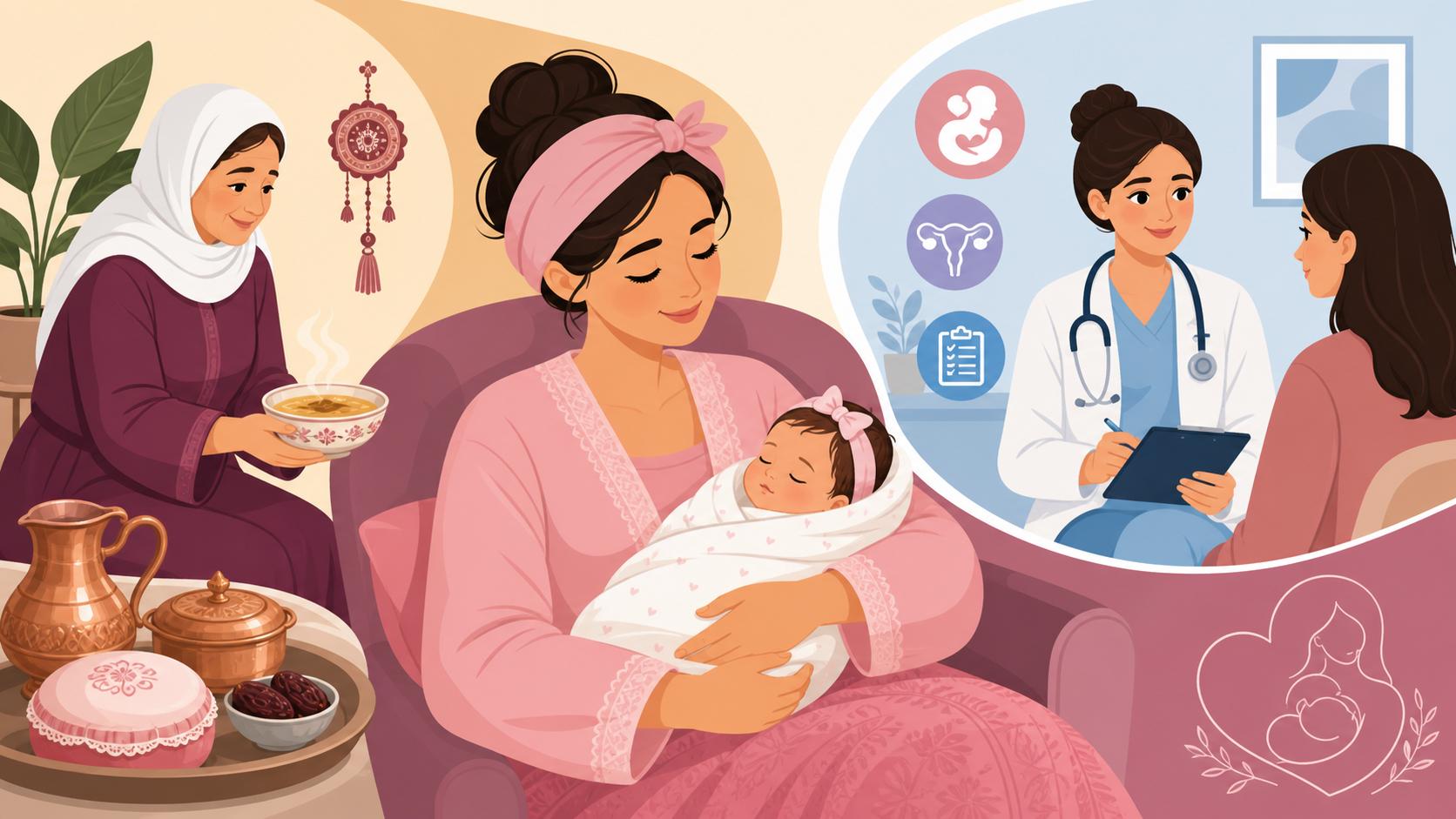
In Turkey, the first 40 days after birth are known as the Lohusa period. This isn't just a medical recovery window; it is a culturally sacred time where the mother is considered both vulnerable and highly respected. For an expat, this can be a double-edged sword. On one hand, you will likely be showered with food and offers of help; on the other, you might find the constant stream of visiting neighbors and mother-in-laws a bit overwhelming if you aren't prepared for the social expectations.
Red Ribbons and Lohusa Şerbeti
The most visible sign of a woman in her Lohusa period is the red ribbon (Lohusa tacı) often worn in the hair. This tradition is rooted in the belief that the red color protects the new mother and baby from the "evil eye" (nazar) and spiritual disturbances. While you might not believe in the supernatural, wearing the ribbon is a signal to the community that you are in recovery, and it often prompts people to treat you with extra kindness and patience in public spaces.
Another staple you will encounter is Lohusa Şerbeti. This is a bright red, spiced drink made from cinnamon, cloves, and sugar. It is traditionally served to guests who come to visit the baby, but the mother is also encouraged to drink it to "increase breast milk production." You will likely find pre-mixed Lohusa sugar blocks at local spice markets or your neighborhood grocery store. If you are struggling with the local palate or prefer your own trusted brands, many expats use iHerb to source organic lactation teas and specific postnatal vitamins that are harder to find in Turkish pharmacies.
The Forty Days Rule: Social Expectations vs. Personal Space
The concept of "Kırkı Çıkmak" (the coming out of the forty days) is a major milestone in Turkey. Historically, neither the mother nor the baby would leave the house for 40 days to avoid infection and exhaustion. Today, most modern Turks in cities like Istanbul or Ankara don't follow this strictly, but your Turkish neighbors might still look concerned if they see you taking a week-old infant to a crowded cafe.
Navigating this as an expat requires a balance of firm boundaries and cultural appreciation. If you have moved into a new neighborhood, expect at least a few "hayırlı olsun" (congratulations) visits. It is customary for guests to bring small gifts, often gold coins for the baby or boxes of chocolates. If you find the social load too heavy, it is perfectly acceptable to blame your doctor’s advice for needing rest. Understanding Turkish Business Culture: Communication Styles, Meetings, and Etiquette can actually help you navigate these social interactions even in a domestic setting, as the respect for hierarchy and elders remains constant.
Medical Follow-Ups and Postnatal Logistics
While the cultural side is colorful, the administrative and medical side of postpartum life in Turkey is quite rigorous. The Turkish healthcare system is highly proactive regarding infant health, and you will find yourself back in a clinical setting much sooner than you might expect. Whether you are using the public system or have a policy with Cigna Global, the sequence of checks is generally the same.
The Topuk Testi and the 15-Day Checkup
Before you even leave the hospital, your baby will have their first "Topuk Testi" (heel prick test) to screen for metabolic disorders. However, you are often required to repeat this test at your local Family Health Center, or Sağlık Ocağı, within the first week. This is a critical step for the Ministry of Health’s tracking system. Even if you are seeing a private pediatrician in Nişantaşı or Kadıköy, I highly recommend registering with your local health center.
Registering with a primary care physician is essential for your long-term residency. You can learn more about this in our guide on Choosing a Primary Care Physician (Aile Hekimi) at a Local Health Center. These centers provide free basic checkups and are the primary hubs for the national vaccination program. During the 15-day checkup, the doctor will check the baby’s weight gain, jaundice levels, and the healing of the umbilical cord. For the mother, this is also the time to discuss any immediate physical recovery concerns, such as incision healing from a C-section.
The 6-Week Postnatal Review
The major medical milestone for the mother is the 6-week checkup. In Turkey, this is usually conducted by your OB-GYN who handled the delivery. They will perform a pelvic exam, perhaps an ultrasound to ensure the uterus has returned to its normal size, and discuss contraception. It’s important to note that while Women's Health Services: Accessing Birth Control and Routine Screenings are widely available, some private hospitals may have different protocols regarding postpartum care packages.
If you are covered by a comprehensive international plan like Cigna Global, you may have access to a wider range of English-speaking specialists who can provide more detailed postnatal counseling. Many expats find that the private sector in Turkey offers a level of luxury—think private suites and gourmet meal service—that exceeds what is available in many Western countries for a similar or lower price point. You can find more details on this in our article on Finding Medical Care in Turkey: Public Hospitals vs JCI-Accredited Clinics.
Registering Your Newborn: Navigating Nüfus and SGK
One of the most stressful parts of having a baby in Turkey is the paperwork. You have 30 days to register the birth at the local Nüfus (Population) Directorate. If you miss this window, you may face a fine. You will need the birth certificate from the hospital (Doğum Belgesi), your passports, and your residence permits (Ikamet). If you are married, your marriage certificate must be apostilled and translated into Turkish.
Once the birth is registered, the baby needs to be added to your health insurance. If you are working and enrolled in the state system, you should check SGK Monthly Premiums 2026: Payment Methods and Coverage for Expats to see how your dependents are covered. For those on private insurance, there is often a short window (usually 15-30 days) to add the newborn to your policy without a medical exam. Failing to do this can lead to high out-of-pocket costs for early pediatric visits.
Pediatric Care and Vaccinations in Turkey
Turkey has a very strict and organized vaccination schedule that is mandatory for all residents. The Ministry of Health tracks these through the e-Nabız system, and your Sağlık Ocağı will likely call you if you miss an appointment.
Understanding the National Vaccination Schedule
The Turkish vaccination program is quite comprehensive and follows WHO guidelines. It includes Hepatitis B, BCG (Tuberculosis), DaPT, Polio, and MMR, among others. Most of these are provided free of charge at public health centers. However, some vaccines, like Rotavirus and Meningococcal vaccines, are considered "special" vaccines in Turkey. You will have to pay for these out-of-pocket or through private insurance, and you usually buy the dose at a pharmacy (Eczane) and bring it to the pediatrician for administration.
Detailed information on the timing of these shots can be found in our post on Pediatricians in Turkey: National Vaccination Schedules and Child Health. I personally found that having a dedicated pediatrician in a private clinic was worth the extra cost for the ease of communication, as many of them provide their mobile numbers for WhatsApp questions—a common and very helpful practice in Turkish medical culture.
Managing Common Infant Ailments Locally
Infant colic and gas are universal problems, but the Turkish approach often involves local herbal remedies alongside modern medicine. You might be told to rub "elma yağı" (apple oil, which is actually a type of sage oil) on the baby's feet. Be cautious with these traditional remedies and always consult your doctor first. For trusted over-the-counter supplies, many expats rely on iHerb for specific probiotic drops or vitamin D supplements that might not contain the additives found in some local pharmacy brands.
If your baby develops a fever or a more serious issue, knowing where the nearest pediatric emergency room is located is vital. Not all hospitals have a 24/7 pediatrician on-site. You should review Emergency Medical Care in Turkey: Dialing 112, Ambulances, and Triage to understand which facilities in your city—whether it’s Istanbul, Izmir, or Antalya—are best equipped for infant emergencies.
Comparing Postpartum Care Options
Choosing between the public and private sectors for your postpartum journey depends largely on your budget and insurance coverage. While the medical standards in public hospitals are generally high, the "human" experience and comfort levels differ significantly.
| Feature | Public (SGK / Sağlık Ocağı) | Private (Private Insurance / Out-of-Pocket) |
|---|---|---|
| Cost | Very low to free for residents | High out-of-pocket; covered by premium plans |
| Language | Primarily Turkish | English-speaking staff common in major cities |
| Wait Times | Can be long for specialists | Generally short; appointments via WhatsApp/Apps |
| Postnatal Room | Shared or basic private; limited visitors | Luxury suites; guest catering; extended visiting |
| Lactation Support | Basic; nurse-led | Dedicated consultants; follow-up home visits |
| Vaccinations | Full national schedule (Free) | National + Optional (Paid separately) |
For many, the middle ground is the best approach: using Private Health Insurance (Özel Sağlık Sigortası): Top Providers for Foreigners to cover the birth and immediate specialist follow-ups, while using the local Sağlık Ocağı for routine vaccinations and administrative tracking.
Support Systems for Expat Moms
Isolation is the biggest enemy of a new mother in a foreign land. In Turkey, the concept of a "doula" or a "postpartum coach" is growing in popularity in affluent areas like Bodrum or the European side of Istanbul. If you don't have family nearby, hiring professional help can be a lifesaver.
Finding Postpartum Support: Midwives and Doulas
While Turkish hospitals have plenty of nurses, they are often busy. If you want one-on-one help with breastfeeding or newborn care at home, you may need to look for a private "bebek hemşiresi" (baby nurse). There are several agencies in Istanbul that cater specifically to the expat community. If you are struggling with the transition, don't hesitate to look into Mental Health in Turkey: Counseling, Psychiatry, and Expat Support Systems to find English-speaking therapists who specialize in postpartum depression and expat life.
Many expat mothers also find community through online groups. Platforms like "Istanbul Moms" or local Facebook groups for Antalya and Izmir provide a wealth of "I've been there" advice. Whether you need to find a specific brand of diapers or an English-speaking pediatrician, these communities are invaluable.
Diet and Physical Recovery
Turkish culture places a huge emphasis on the mother’s diet for recovery. You will likely be told to eat plenty of "çorba" (soup), especially lentil or bone broth, and to avoid cold drinks. While some of this is folklore, the emphasis on hydration and nutrient-dense food is beneficial. If you are looking for specific nutritional supplements to aid your recovery that aren't available in local shops, iHerb remains a top choice for expat families in Turkey due to its reliable shipping.
Additionally, as you begin to move more, you might want to explore Physical Therapy and Rehabilitation: Costs and Quality of Care in Turkey if you are dealing with pelvic floor issues or back pain from carrying the baby. Turkey has excellent, affordable physical therapy clinics that are often overlooked by the expat community.
Navigating the Streets with a Newborn
Once the 40 days are up and you are ready to explore, you will find that Turkey is an incredibly child-friendly country. People will stop you on the street to admire the baby (and perhaps try to pinch their cheeks—don't be alarmed, it's a sign of affection). However, the infrastructure can be challenging.
In Istanbul, certain neighborhoods are much better for strollers than others. If you are living in a hilly area with narrow cobblestone streets, a high-quality baby carrier is often more practical than a stroller. You can find more tips on navigating your specific city in our Istanbul Neighborhood Guide: European vs Asian Side Lifestyles for Expats. From the parks of Bebek to the seaside promenades of Izmir, there are plenty of beautiful places to enjoy your first outings as a new family.
Disclaimer
The information provided in this guide is for informational purposes only and does not constitute medical or legal advice. Healthcare regulations and cultural practices in Turkey can change rapidly. Always consult with a qualified medical professional and the relevant Turkish authorities (such as the Ministry of Health or Provincial Migration Management) regarding your specific health needs and legal obligations. Individual insurance coverage varies; please verify your benefits with your provider.