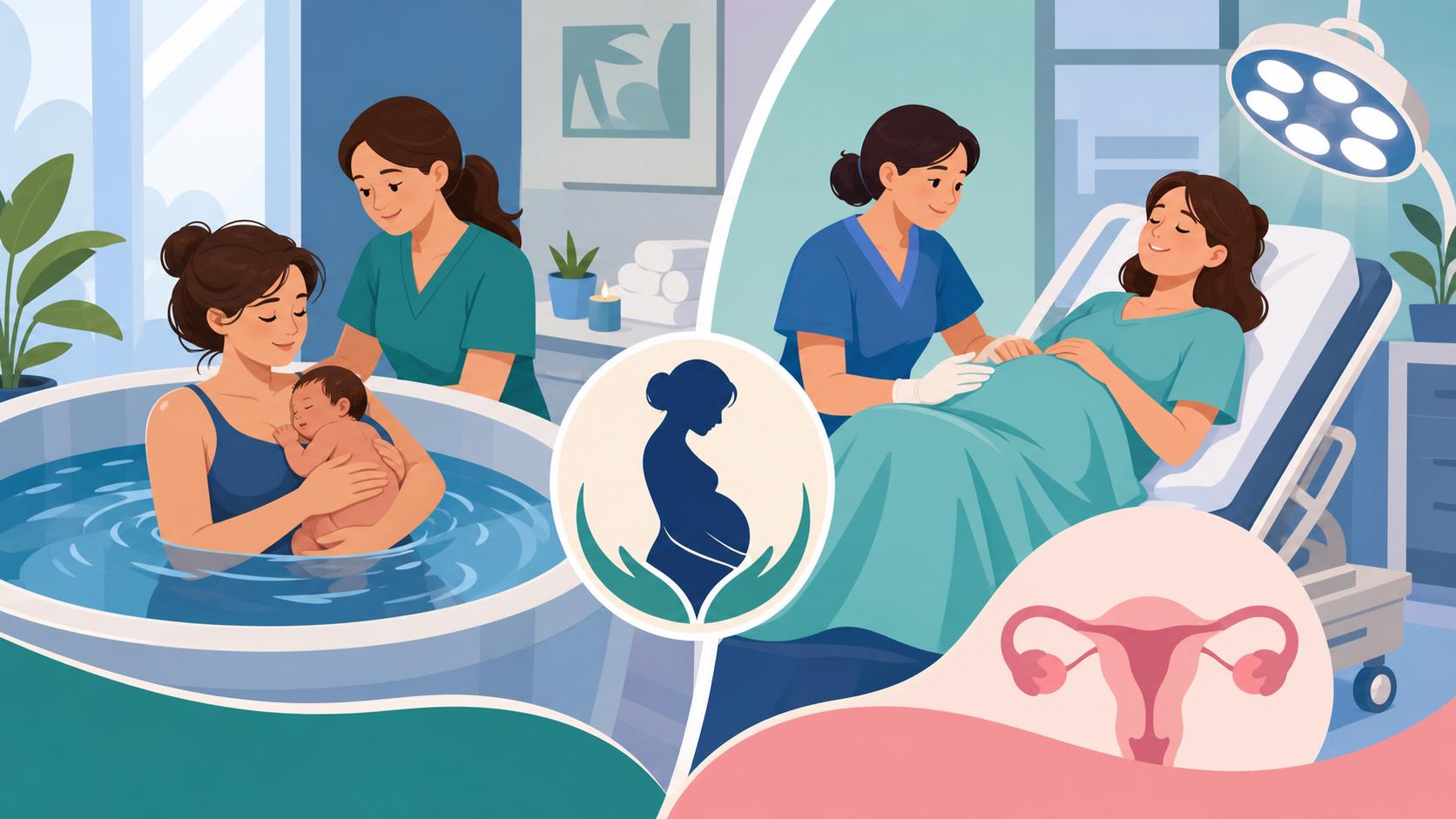
Water Births and Natural Delivery Methods in Turkish Hospitals
When you first enter the Turkish maternity system, the sheer speed at which doctors suggest a C-section can be jarring. I remember sitting in a gleaming clinic in Istanbul, feeling like my desire for a natural, unmedicated birth was being treated as a quaint, slightly dangerous hobby. This guide breaks down how to reclaim your birth plan, from finding water birth facilities to navigating the cultural expectations of local hospitals.
The Medical Landscape: Why Natural Birth is a Niche in Turkey
Turkey has one of the highest cesarean section rates in the world, often exceeding 50% in public sectors and reaching as high as 80% or 90% in some private hospitals. For a veteran expat, understanding this "surgical culture" is the first step toward a successful natural delivery. Doctors here are often trained in a high-intervention environment where efficiency and risk mitigation take precedence over the slower, more unpredictable process of natural labor. You might find that the default response to a labor that isn't progressing on a specific timeline is a recommendation for Pitocin (Suni Sancı) or an immediate move to the operating theater.
To navigate this, you must be your own advocate from day one. Many expats find that Giving Birth in Turkey: Comparing Public Hospital and Private Maternity Suites provides a necessary baseline for understanding these differences. If you are determined to have a natural birth, you cannot simply show up at the nearest hospital and expect your birth plan to be honored. You need to vet your doctor’s personal statistics. Ask them directly: "What is your personal C-section rate for low-risk pregnancies?" and "Do you allow for intermittent monitoring instead of being tethered to a machine?"
The cultural perception of pain also plays a role. In many Turkish circles, a "modern" birth is seen as one where the mother doesn't suffer, leading to a high demand for epidurals or elective C-sections. Choosing a natural path often means pushing back against well-meaning advice from local friends and medical staff who may view your choice as unnecessarily difficult. This is why finding a "Baby-Friendly" (Bebek Dostu) accredited hospital is vital, as these institutions are mandated to support natural processes and immediate breastfeeding.
Water Births: The Logistics of a Gentle Entry
Water birth (Suda Doğum) is a growing but still relatively rare option in Turkey. It is primarily available in top-tier private hospitals in major hubs like Istanbul, Ankara, and Izmir. The appeal is obvious for many foreigners: the buoyancy of the water provides natural pain relief and allows for easier movement during the second stage of labor. However, because it is a niche service, the "water birth suite" is often just one specific room in a massive facility. You must book this well in advance and ensure your doctor is actually certified and comfortable attending a birth in the water.
When looking for these facilities, focusing on JCI Accredited Hospitals in Turkey: What the Certification Actually Guarantees can help you identify hospitals that meet international safety standards for specialized delivery methods. Hospitals like Acıbadem Altunizade or specific branches of Memorial and Medical Park have invested in these suites, but the availability can change. It is also important to note that many Turkish hospitals have "laboring in water" policies but require you to exit the tub for the actual delivery. If your goal is a full water birth, you must clarify this distinction during your Prenatal Care Packages: Scans, Routine Tests, and Gynecological Support consultations.
Cost is another factor. A water birth is almost always more expensive than a standard vaginal delivery due to the specialized equipment and the extra staff training required. This is where high-quality international insurance, such as Cigna Global, becomes invaluable. Standard local "Ikamet" insurance rarely covers the bells and whistles of a private water birth suite. Having Cigna Global ensures that you aren't limited to the basic options and can choose a facility that truly aligns with your birth philosophy.
Natural Delivery Methods: Doulas, Midwives, and Birth Plans
In the traditional Turkish system, the Ebe (midwife) is often a hospital employee who handles the bulk of the labor monitoring while the doctor arrives only for the final stages. For an expat seeking a natural birth, this can feel impersonal. Consequently, many foreigners are turning to independent doulas. A doula in Turkey acts as your bridge—not just emotionally, but linguistically. They can help you communicate your desire to avoid an episiotomy or to delay cord clamping when the hospital staff is in a rush.
The rise of Doulas and Midwives in Turkey: Navigating Alternative Birth Choices has made it easier to find English-speaking professionals who understand the specific anxieties of the expat community. These professionals often advocate for "Active Birth" techniques—using birthing balls, stools, and varied positions—rather than the standard lithotomy (back-lying) position common in Turkish labor wards.
Preparing your body is also part of the process. Since many local pharmacies have a limited range of high-end prenatal supplements, many of us rely on iHerb to source specific items like red raspberry leaf tea or high-quality magnesium that support uterine health and muscle relaxation. Using iHerb allows you to maintain the supplement regimen you might be used to in your home country, which can be a huge comfort when everything else about the medical system feels foreign.
| Feature | Standard Private Delivery | Water Birth (Private) | Public Hospital Delivery |
|---|---|---|---|
| Availability | High (All Cities) | Low (Main Cities Only) | High |
| C-Section Risk | High (70%+) | Moderate | Moderate to High |
| Pain Management | Epidural Default | Water / Movement | Limited Options |
| Cost (Est. 2026) | 40,000 – 80,000 TL | 60,000 – 120,000 TL | Free (with SGK) |
| Room Style | Private Suite | Specialized Tub Suite | Usually Shared |
Overcoming the Language Barrier in the Delivery Room
Communication is the most significant hurdle when you are in the throes of labor. Even if your doctor speaks perfect English, the floor nurses and the ebeler on duty might not. Birth plans have been known to be ignored simply because the shift-change nurse couldn't read the English document the mother had prepared. This is why learning Essential Turkish Phrases for the Doctor: Communicating Symptoms Effectively is non-negotiable for the birthing partner.
You need to know how to say "No intervention without consent" (Rızam olmadan müdahale istemiyorum) and "I want to move around" (Hareket etmek istiyorum). Beyond the language, there is the cultural etiquette of the Turkish hospital. Family is huge here. Expect your Turkish friends to want to visit the hospital immediately after birth. If you want a "golden hour" of privacy for skin-to-skin contact, you must explicitly state this to the staff and your social circle, as the local custom is to celebrate and pass the baby around almost immediately.
After the birth, you will be introduced to the concept of the Lohusa period—the 40 days of recovery. This is a beautiful part of Turkish culture, but it comes with many "rules" (like not drinking cold water or wearing a red ribbon). Understanding Postpartum Care in Turkey: Cultural Traditions (Lohusa) and Medical Follow-ups will help you navigate the advice of your Turkish neighbors and mother-in-law while you focus on your own natural recovery.
Practical Preparation: Insurance and Supplies
When planning a natural or water birth, the financial logistics are just as important as the medical ones. Most private hospitals require a deposit, and if you are using international insurance like Cigna Global, you need to ensure the hospital has a direct billing agreement with them. If not, you’ll be paying out of pocket and claiming back later, which can be a significant stressor during your third trimester. Always verify this with the "International Patient Department" of your chosen hospital.
For your hospital bag, don't assume the hospital will provide everything. While private suites are like hotels, they often lack the specific natural care items many expats prefer. It is wise to order your postpartum recovery kits, organic nipple creams, and perineal sprays from iHerb a few weeks before your due date. Shipping to Turkey is reliable, but customs can be slow, so don't leave it until week 38.
Once the baby arrives, the administrative marathon begins. You will need to navigate How to Register a Newborn's Health Records in the Turkish Healthcare System to ensure your child has access to pediatric care and their initial vaccinations. If you are covered by Does Private Health Insurance in Turkey Cover Maternity and Childbirth?, you usually have a window of 15 to 30 days to add your newborn to your policy to ensure they are covered for their first check-ups.
Finally, keep in mind that the cost of living and medical inflation in Turkey is volatile. While Are Dietary Supplements and Vitamins Expensive in Turkey? notes that local options are becoming more prevalent, the quality and specific formulations for natural-minded parents often still point toward international brands. Budgeting an extra 20% for your birth plan is a wise move in the current economic climate of 2026.
Summary Checklist for Natural Birth in Turkey
- Select a Doctor, Not Just a Hospital: Find a practitioner who specifically supports natural birth and has low intervention rates.
- Confirm Water Birth Logistics: Ensure the tub is available, the doctor is certified for it, and your insurance (like Cigna Global) covers the premium.
- Hire a Doula: Especially if your Turkish is limited. They are the best investment for staying calm and informed.
- Source Your Supplies Early: Use iHerb for specific prenatal and postpartum items that aren't easily found in local "Eczane" shops.
- Translate Your Birth Plan: Have a Turkish version of your preferences printed and laminated for the nursing station.
Disclaimer
This guide is based on personal expat experiences and general healthcare trends in Turkey as of 2026. Medical practices and hospital policies can change rapidly. Always consult with a licensed medical professional in Turkey and verify insurance coverage details with your provider before making healthcare decisions. This information does not constitute medical or legal advice.