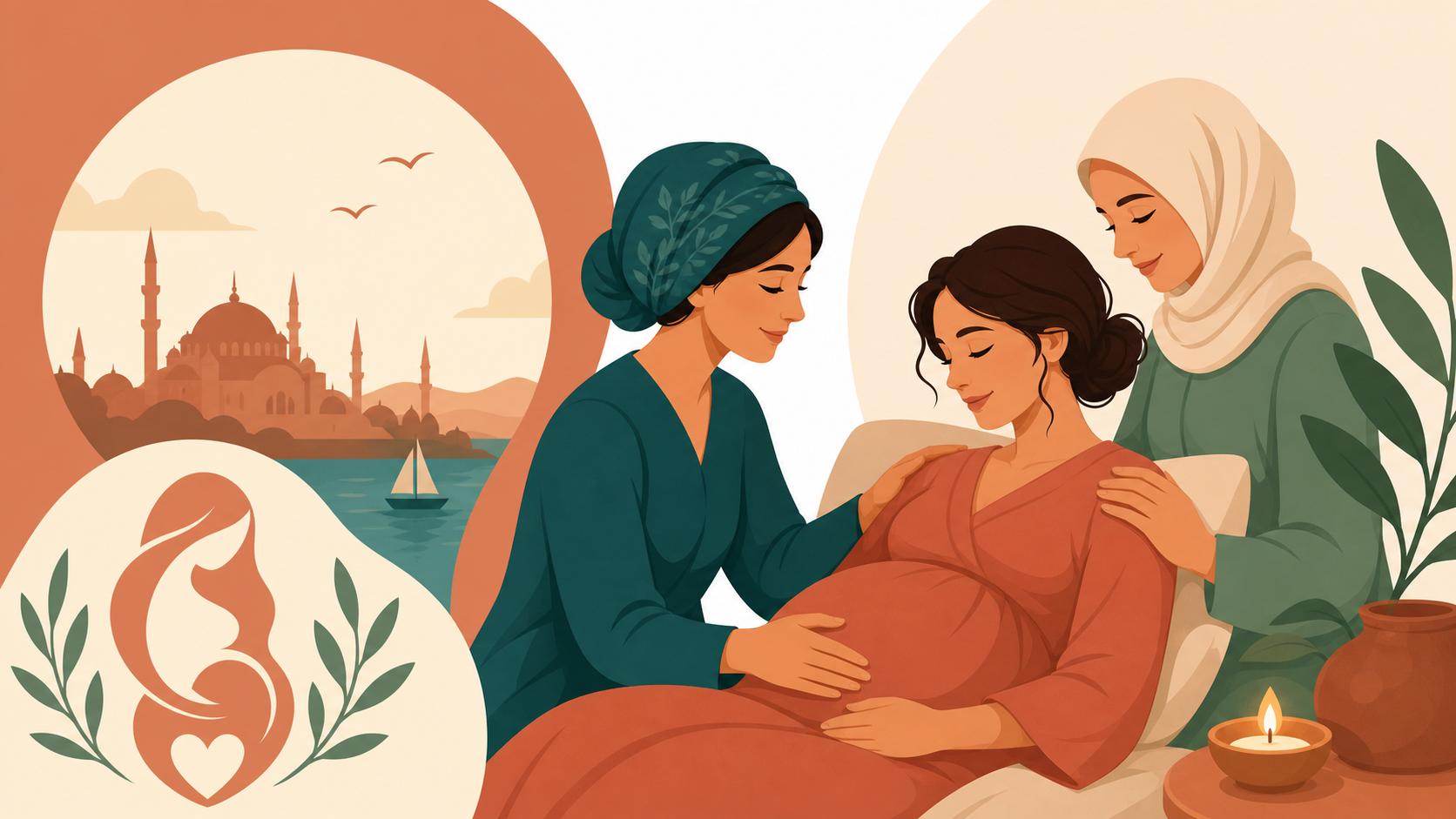
Doulas and Midwives in Turkey: Navigating Alternative Birth Choices
Finding out you are pregnant while living as an expat in Turkey often triggers a whirlwind of emotions, ranging from pure joy to absolute panic about navigating a medical system that might feel worlds apart from home. I remember sitting in a crowded waiting room in Istanbul, clutching a sonogram and feeling completely unheard by a doctor who seemed to be rushing me toward a scheduled surgery before I’d even finished my first trimester. This guide is designed to help you reclaim your birth experience by exploring the growing world of doulas and midwives in Turkey, ensuring you have the support you need for the birth you actually want.
The Reality of Giving Birth in the Turkish Medical System
If you have spent any time talking to other expat mothers in Turkey, you have likely heard about the high intervention rates. Turkey has one of the highest Cesarean section rates in the world, often exceeding 50% nationally and climbing even higher in some private hospitals. For many Turkish doctors, a "safe" birth is a scheduled, highly managed birth. This can be a major culture shock for women coming from countries where natural, low-intervention births are the gold standard.
When you start looking into Family Health in Turkey: Pregnancy, Maternity Care, and Pediatrics, you will find that the system is split distinctly between the public and private sectors. In public hospitals, midwives (known as ebeler) handle the majority of the labor process, but the environment is often high-pressure and low-privacy. In the private sector, the doctor is the star of the show, and the midwife often takes a secondary, nursing-style role. This medicalized hierarchy is exactly why many foreigners begin searching for alternative birth choices that prioritize their autonomy and emotional well-being.
One of the biggest frustrations for expats is the lack of "continuity of care." In many Western systems, you see the same midwife throughout your pregnancy and birth. In Turkey, unless you specifically hire a private midwife or a doula, you may encounter a rotating cast of medical staff who don't know your birth plan or your personal history. Navigating this requires a proactive approach to Prenatal Care Packages: Scans, Routine Tests, and Gynecological Support and a clear understanding of who will actually be in the room when the time comes.
The Role of the Turkish Midwife: Ebe vs. Independent Midwife
In Turkey, the term for midwife is ebe. It is a respected profession with a long history, but the modern application of the role varies wildly. Most ebeler work within the hospital system. In a public hospital setting, the midwife is the one who will monitor your contractions, check your dilation, and often deliver the baby if there are no complications. However, these midwives are often managing multiple patients at once and may not have the time to provide the one-on-one emotional support many expats crave.
In the private sector, the situation is different. Private hospitals are often "doctor-led." When you are Giving Birth in Turkey: Comparing Public Hospital and Private Maternity Suites, you’ll notice that the private midwife's role is often more focused on administrative tasks, administering IVs, and assisting the doctor. If you want a midwife who will stay by your side, help you through different laboring positions, and advocate for your natural birth preferences, you may need to look for an "independent" midwife. These are professionals who can be hired privately to accompany you to the hospital of your choice, though you must ensure your chosen hospital and doctor are open to this arrangement.
For those with comprehensive international coverage, such as a plan from Cigna Global, the cost of hiring a private midwife or opting for a premium private hospital that allows more freedom might be partially or fully covered. It is essential to check your policy early in the pregnancy to see what "extra" birth support services are included, as these can significantly change the tone of your delivery experience.
The Rise of Doulas in Turkey: Your Birth Advocate
A doula is a relatively new concept in the Turkish mainstream, but the community is growing rapidly, especially in expat-heavy hubs like Istanbul, Ankara, and Izmir. Unlike a midwife, a doula does not provide medical care. Instead, they offer continuous physical, emotional, and informational support. In a country where the language barrier can lead to misunderstandings in the delivery room, having a doula who speaks both English and Turkish can be a literal lifesaver.
Many expat women find that a doula is the "missing link" in Turkish maternity care. Your doctor might be excellent at the medical side of things, but they likely won't be there to massage your back for six hours or remind you of the breathing techniques you practiced. A doula helps you bridge the gap between your birth plan and the hospital's standard protocols. They are particularly skilled at helping you use Essential Turkish Phrases for the Doctor: Communicating Symptoms Effectively when you are in the throes of labor and can't remember the word for "pressure" or "nausea."
Finding a doula often starts with local expat parent groups or specialized birth centers like İçsel Doğum or Doğana. These organizations focus on "gentle birth" and can connect you with trained professionals who understand the nuances of the Turkish system while respecting Western birth preferences. While you are preparing for your birth, you might also find yourself ordering specific comfort items or supplements; many expats use iHerb to source specific prenatal vitamins or perineal massage oils that aren't always easy to find in local Turkish pharmacies.
Comparing Birth Support Roles in Turkey
Understanding who does what is the first step in building your "dream team." The table below breaks down the typical roles you will encounter in the Turkish maternity system.
| Feature | Hospital Midwife (Ebe) | Independent Midwife | Doula | Obstetrician (Kadın Doğum Uzmanı) |
|---|---|---|---|---|
| Medical Authority | Yes (under doctor) | Yes | No | Yes (Primary) |
| One-on-One Support | Rarely (rotational) | Yes | Yes | No (arrives for delivery) |
| Home Visit Support | Usually No | Yes | Yes | No |
| Primary Location | Public/Private Hospitals | Private Clinics/Home | Hospital/Home | Hospitals/Private Clinics |
| Advocacy | Limited by hospital policy | High | High | Focus on medical safety |
Navigating Home Birth and Water Birth Options
For those looking for the most "alternative" choices, such as home birth or water birth, Turkey presents some unique challenges. Home birth is technically legal, but it is not integrated into the national health system. Most Turkish doctors will strongly discourage it, and it can be difficult to find a midwife who is willing to attend a home birth due to the professional risks involved. If you choose this route, you are essentially operating outside the standard medical framework, which means you need a very robust backup plan.
Water birth is becoming more accessible, but it is still limited to a handful of private hospitals in major cities. If you have your heart set on a water birth, you must specifically search for "Suda Doğum" facilities. These hospitals usually charge a premium, and you will need to ensure your doctor is specifically trained and willing to facilitate a birth in the tub. Using a plan from Cigna Global can often help offset these higher costs at JCI-accredited private hospitals that offer these boutique services.
Regardless of the location, you should also ensure you are registered with your local Choosing a Primary Care Physician (Aile Hekimi) at a Local Health Center. Even if you plan a private birth with a doula and an independent midwife, your local Sağlık Ocağı (Health Center) is responsible for your official pregnancy tracking and your baby's future vaccinations. Keeping them in the loop ensures your paperwork remains in order for the Health Insurance in Turkey: SGK Public System vs Private Coverage Explained requirements.
Practical Steps to Securing Your Birth Choice
- Interview Your Doctor Early: Don't be afraid to ask about their C-section rate and their stance on doulas. If a doctor seems dismissive of your desire for a natural birth in the first trimester, they are unlikely to support you in the delivery room.
- Confirm Hospital Policies: Some hospitals allow doulas; others do not. Some allow only one companion, which means you have to choose between your partner and your doula. Get these rules in writing.
- Hire Your Support Team by Month Five: The best English-speaking doulas and independent midwives in Turkey book up quickly. Start your search early to ensure you have time to build a relationship of trust.
- Stock Up on Essentials: Use services like iHerb to get your preferred birth kit items, such as specific homeopathic remedies, labor combs, or high-quality maternity pads that might not be the standard "brand" in Turkish hospitals.
- Prepare for the "Turkish Way": Even with a great team, be prepared for some cultural differences. Family members may expect to be in the waiting room in large numbers, and nurses may be very insistent on certain post-birth traditions. Your doula can help manage these social expectations so you can focus on your newborn.
Ultimately, having a baby in Turkey can be a beautiful, empowering experience if you take the time to build a support network that aligns with your values. Whether you are navigating the SGK Monthly Premiums 2026: Payment Methods and Coverage for Expats or selecting the perfect private suite, remember that you are the primary advocate for your body and your baby.
Disclaimer
The information provided in this guide is for informational purposes only and does not constitute medical or legal advice. Birth practices and regulations in Turkey can change frequently. Always consult with a qualified medical professional and verify current local laws and hospital policies before making decisions regarding your healthcare or birth plan.