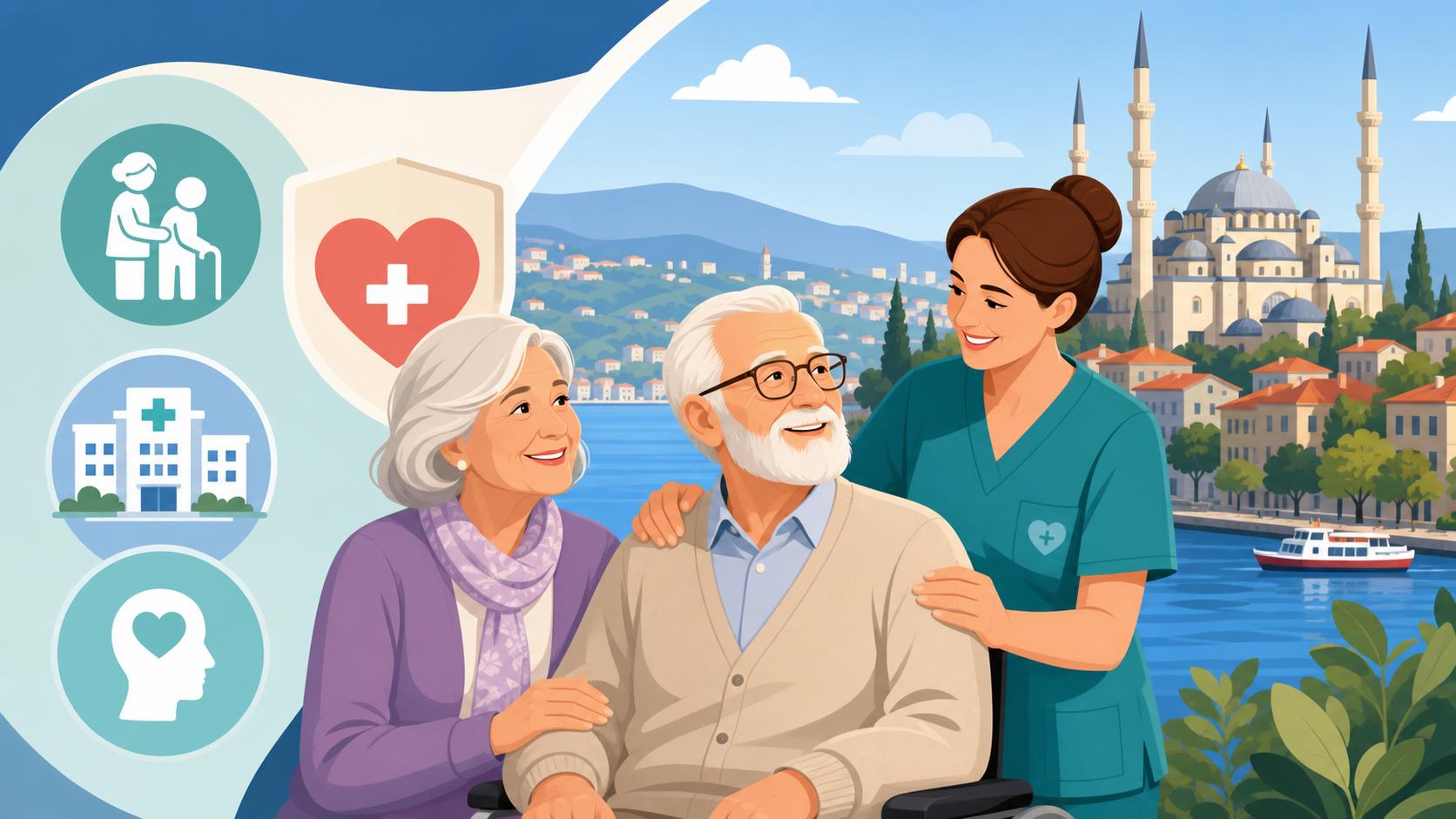
Senior Expat Healthcare: Geriatric Care Availability and Nursing Support
Finding yourself aging in a foreign country often brings a specific kind of anxiety that doesn’t hit you when you are in your thirties. I’ve personally sat in a crowded waiting room in a public hospital in Istanbul, trying to explain my aging parent's complex medical history while the translator app kept glitching. It is overwhelming to realize that the family-centric care model Turkey is famous for can sometimes feel like a barrier to foreigners who don't have a large local network. This guide solves that by breaking down exactly how to navigate geriatric care, find professional nursing support, and manage your health as a senior expat in Turkey.
The Landscape of Geriatric Care in Turkey
Turkey is currently undergoing a massive demographic shift. While it has traditionally been a "young" country where the elderly are cared for by their children at home, the rise of urban living and smaller family units has led to a boom in professional geriatric services. As a senior expat, you are stepping into a system that is rapidly modernizing but still retains some traditional quirks. Understanding the difference between general medical care and specialized geriatric medicine (Geriatri) is your first step toward a comfortable retirement here.
Public vs Private Geriatric Clinics
In the Turkish medical system, geriatricians are specialists who focus specifically on the 65+ demographic. While you can see a general practitioner at a local Sağlık Ocağı (Family Health Center), for complex age-related issues, you want a dedicated geriatric department. Public university hospitals, such as Istanbul University’s Çapa or Hacettepe in Ankara, have world-class geriatric departments. However, the wait times can be grueling. If you are navigating Healthcare in Turkey for Foreigners: Complete Expat Guide (2027), you’ll find that public facilities require a lot of patience and, usually, a Turkish-speaking companion.
Private hospitals, such as the Acıbadem or Memorial groups, offer geriatric screening packages that are far more streamlined. These facilities feel more like five-star hotels than clinics, which can significantly reduce the stress of medical visits. Many senior expats choose to maintain a policy with Cigna Global to ensure they have immediate access to these top-tier private geriatricians without worrying about the high out-of-pocket costs associated with specialized senior care. This is particularly important because geriatricians in private hospitals often spend much more time on a comprehensive assessment than those in the busy public sector.
University Hospitals and Research Centers
If you are dealing with a rare or chronic condition, the university hospitals (Eğitim ve Araştırma Hastaneleri) are where the heavy hitters of Turkish medicine reside. These centers are at the forefront of geriatric research in the Middle East and Europe. While the aesthetics might be older than the shiny private clinics in Levent or Ataşehir, the clinical expertise is often superior.
When visiting these centers, you should look for the "Geriatri Bilim Dalı" (Department of Geriatrics). They provide holistic assessments including cognitive testing, nutritional evaluation, and polypharmacy reviews—which is crucial if you are taking multiple medications. For those living in the capital, the Ankara Expat Healthcare Guide: Hospitals and Embassy-Recommended Clinics provides a list of these academic institutions that are more accustomed to dealing with the diplomatic and expat community.
The Role of the Primary Care Physician (Aile Hekimi)
Every resident in Turkey, including foreigners with an ikamet, is assigned a local family doctor at a Sağlık Ocağı. For seniors, this doctor is your gatekeeper. They can issue repeat prescriptions for many chronic medications and provide basic vaccinations like the annual flu shot or the pneumonia vaccine. Getting to know your Aile Hekimi is vital for "aging in place."
Even if you prefer private care, registering with your local clinic is a legal requirement and a practical safety net. They keep your records on the e-Nabız system, which any hospital in Turkey can access in an emergency. If you are worried about the quality of local clinics, you can supplement your care with Long-Term Care and Preventive Medicine: Checkups and Vaccinations to ensure you aren't missing any age-specific screenings that the local clinic might not proactively suggest.
Navigating Home Care and Nursing Support
One of the greatest benefits of living in Turkey as a senior is the relative affordability of home-based support compared to Western Europe or North America. However, "home care" in Turkey isn't a single service; it ranges from a neighbor helping with groceries to medically intensive 24/7 nursing.
Hiring Private In-Home Caregivers (Bakıcı)
Most expats who need help with daily living activities (ADLs) hire a "bakıcı." Historically, these were local Turkish women, but today many are from Central Asia (Uzbekistan, Turkmenistan, Georgia) because they often live-in and provide 24/7 care for a flat monthly salary. Finding a reliable caregiver usually happens through word-of-mouth in expat Facebook groups or through specialized agencies in big cities.
When hiring, it is crucial to distinguish between a domestic helper and a "hasta bakıcı" (patient caregiver). A patient caregiver has specific training in moving patients, preventing bedsores, and basic hygiene for the elderly. If your needs are more specialized, such as wound care or IV therapy, you must look for a "Hemşire" (Licensed Nurse). For managing daily health and wellness, many expats also rely on high-quality supplements and mobility aids. I’ve found that ordering specific vitamins or joint support creams from iHerb is often easier than hunting for specific international brands in local pharmacies, as iHerb ships reliably to Turkey and offers a wider range of geriatric-focused wellness products.
Medical Home Visits and Palliative Care
For seniors with mobility issues, many private hospitals in Istanbul, Izmir, and Antalya offer "Evde Bakım" (Home Care) services. This includes a doctor coming to your home for a check-up, mobile X-rays, and blood collection. This service is a lifesaver if you live in a hilly area like Arnavutköy or a high-rise without a spacious elevator.
Palliative care is a newer concept in Turkey but is growing rapidly. Most major hospitals now have palliative wards and home-visit teams. If you are managing a terminal illness or chronic pain, you should look for hospitals with JCI accreditation. Using Finding Medical Care in Turkey: Public Hospitals vs JCI-Accredited Clinics will help you identify which facilities meet the international standards for end-of-life care and pain management, ensuring that comfort is prioritized.
Technology and Remote Monitoring
Turkey’s digital health infrastructure is surprisingly advanced. The e-Nabız app allows you to see every blood test result, MRI image, and prescription you’ve ever had in Turkey. For seniors, this is an incredible tool for "remote" care. You can share your login with your children abroad or a secondary doctor in your home country for a second opinion.
Furthermore, several private companies now offer wearable SOS buttons that connect to private ambulance services. In a country where the language barrier can make calling 112 stressful, having a dedicated "red button" service can provide immense peace of mind. Many of these tech-heavy services are not covered by basic insurance, so having a comprehensive plan like Cigna Global can help offset the costs of these premium "concierge" medical services.
Facilities for Long-Term Senior Residency
There comes a point where home care might not be enough. Turkey has a two-tier system for residential care: the state-run "Huzurevi" (Rest Homes) and private luxury "Elderly Care Centers" (Yaşlı Bakım Merkezleri).
Private Nursing Homes (Huzurevi) in Turkey
Private nursing homes in Turkey have evolved significantly. The best ones are located in the suburbs of Istanbul (like Silivri or Şile) or in the coastal regions of Fethiye and Antalya, where the air is cleaner and the pace is slower. These facilities often provide a mix of independent living, assisted living, and full nursing care.
When touring a facility, you should ask about the "Doctor-to-patient ratio" and whether they have English-speaking staff. It is a reality that most staff in these homes will speak only Turkish, so an expat might feel isolated without a high level of language proficiency or a dedicated translator. Costs for high-end private facilities can range from $1,500 to $4,000 per month, which is often much cheaper than equivalent care in the UK or US, but still a significant investment.
Specialized Memory Care and Alzheimer’s Facilities
Dementia and Alzheimer's care require a specific environment that the average Turkish "Huzurevi" might not be equipped for. However, specialized centers are opening in Izmir and Istanbul that focus on "Memory Care." These facilities are designed with secure gardens, simplified layouts, and staff trained in de-escalation and cognitive stimulation.
If you are looking for such specialized care, it is vital to check the licensing from the Ministry of Family and Social Services. Some of these centers operate more like rehabilitation clinics than long-term homes. For those still in the early stages of a diagnosis, Mental Health in Turkey: Counseling, Psychiatry, and Expat Support Systems can provide the necessary therapeutic support for both the patient and the expat family members navigating the diagnosis.
| Care Option | Level of Support | Average Monthly Cost (2026) | Best For |
|---|---|---|---|
| Home Bakıcı (Live-in) | Personal care, cooking, cleaning | 35,000 – 55,000 TL | Independent seniors needing help with ADLs |
| Private Nursing Home | 24/7 monitoring, meals, social activities | 60,000 – 120,000 TL | Seniors with moderate health issues or isolation |
| Specialized Memory Care | Intensive medical and cognitive support | 100,000 – 180,000 TL | Alzheimer's or Advanced Dementia patients |
| Medical Home Care | Intermittent nurse or doctor visits | 5,000 – 15,000 TL per visit | Post-surgery recovery or chronic illness management |
Insurance and Financial Planning for Seniors
Perhaps the most confusing part of being a senior in Turkey is the insurance. Once you turn 65, the rules for your residence permit (ikamet) and health coverage change. You are no longer required to show private insurance for your visa, but you absolutely should have it.
SGK Coverage for Expats Over 65
If you have lived in Turkey legally for at least one year, you have the right to enroll in the SGK (Social Security) system. For many seniors, this is the most cost-effective way to manage chronic conditions. SGK covers most of the cost of prescription medications and provides heavily subsidized care at state and university hospitals.
The process involves a medical exam to ensure you don't have certain pre-existing conditions that might exclude you from specific benefits, though generally, you cannot be denied enrollment based on age. You can read more about the specifics of Enrolling in SGK (Public Health Insurance): The 1-Year Residency Rule to understand the timeline. Once you are in, your monthly premium covers you and your dependent spouse, making it an excellent baseline for healthcare.
Private Insurance Limitations and Supplemental Plans
Most local private insurance companies in Turkey stop issuing new policies once you reach age 65 or 70. If you already have a policy, they will usually renew it, but the premiums can skyrocket. This is where international providers like Cigna Global come into play. They offer "Global Senior" plans that are specifically designed to cover expats who are older and may have pre-existing conditions that local Turkish insurers won't touch.
If you are planning to rely on private hospitals for major surgeries or cancer treatments, having international insurance is almost a necessity. Local "Ikamet Insurance" is often just a "paper policy" that covers very little in a real emergency. For a deep dive into how these systems interact, check out Health Insurance in Turkey: SGK Public System vs Private Coverage Explained.
Managing Out-of-Pocket Expenses
Even with insurance, you will face out-of-pocket costs for things like dental care, high-end physical therapy, and certain brand-name medications. In Turkey, medical "extras" can add up. For example, a specialized orthopedic mattress or a high-end wheelchair might need to be imported.
To keep costs down, many seniors use a hybrid approach. They use SGK for their routine "maintenance" medications and blood tests, but keep a private fund (or a policy like Cigna Global) for emergencies and specialist consultations. Additionally, for daily wellness, sourcing supplements from iHerb can save you a significant amount of money, as high-potency vitamins often carry a heavy "luxury tax" in Turkish pharmacies.
Practical Logistics for Senior Living
Living in Turkey as a senior requires a bit more "strategic planning" regarding your immediate environment than it does for a younger person.
Medication Management and Local Pharmacies
The Turkish pharmacy (Eczane) system is excellent, but it can be a shock to find that your specific brand of heart medication from home has a different name here. Pharmacists in Turkey are highly trained and often act as "mini-doctors." They can give advice on minor ailments and help you find local equivalents for your prescriptions.
However, be aware that Turkey has strict "reçete" (prescription) rules for certain classes of drugs, especially those related to mental health or heavy pain management. You should consult Pharmacies (Eczane) in Turkey: Prescriptions, Duty Hours, and Medications to understand how to get your foreign prescriptions converted into the Turkish system. For non-prescription wellness items like probiotics or specific herbal teas that support aging, I still find iHerb to be a more reliable source for organic, international-standard products that may not be stocked in the local neighborhood Eczane.
Accessibility in Major Cities
Accessibility is the Achilles' heel of many Turkish cities. Istanbul is notoriously difficult for those with mobility aids—cobblestone streets, high curbs, and incredibly steep hills are the norm in historic areas like Galata or Beşiktaş. If you are choosing a place to live, I highly recommend the flatter areas of Kadıköy (like Moda or Suadiye) or the coastal stretches of Antalya and Izmir.
When looking at apartments, "Giriş Kat" (Ground Floor) or buildings with "Asansör" (Elevator) are non-negotiable. Even then, check if the elevator is large enough for a walker or wheelchair. If you are in the planning stages, Finding English-Speaking Doctors in Istanbul: Top International Clinics can help you find medical providers located in more accessible, modern districts.
Dietary and Nutritional Support
The Turkish diet is generally very healthy for seniors—lots of fresh vegetables, olive oil, and lean proteins. However, the high salt content in traditional "salça" (tomato paste) and the abundance of sugary "tatlı" (desserts) can be a challenge for those with hypertension or diabetes.
Shopping at the local "Pazar" (weekly market) is a great way to stay active and get the freshest produce, but for specialized dietary needs—like gluten-free products or specific meal replacement shakes for seniors—you might need to visit larger supermarkets like Migros Jet or Carrefour Gourmet. For highly specific nutritional supplements that support bone density or eye health, many expats continue to use iHerb to ensure they are getting the exact dosages they were used to back home.
Cultural Integration and Support Networks
Loneliness is one of the biggest health risks for senior expats. In Turkey, social life is the "medicine" that keeps the elderly going, but you have to know where to find it.
The Role of Social Centers and Expat Groups
In many Turkish neighborhoods, you will see "Emekli Evleri" (Retiree Houses) run by the local municipality. While these are predominantly for Turkish citizens, they are often open to foreign residents. They offer tea, backgammon, and sometimes even art classes.
For English speakers, groups like the International Women of Istanbul (IWI) or various "Expats in [City Name]" Facebook groups are vital. They often have sub-groups for "Seniors" or "Retirees" who meet for coffee and help each other navigate the latest changes in residence laws or hospital procedures. Staying socially connected is a key part of Preventative Health Checkup Packages (Check-Up): A Guide to Private Clinics because your mental health directly impacts your physical resilience.
Legal Preparedness: POA and Health Directives
One thing many expats overlook is the legal side of healthcare. In Turkey, "Living Wills" or "Advance Directives" are not as legally binding as they are in some Western countries. Medical decisions are traditionally made by the next of kin.
If you want a specific person to make decisions for you, you must set up a "Vekaletname" (Power of Attorney) through a Turkish Notary. This document should be very specific about healthcare decisions. Families can struggle because they didn't have the right notarized paperwork when a parent became incapacitated. It’s a somber topic, but one that is essential for a stress-free life in Turkey.
Language and Translation Services
While many doctors in top private hospitals speak excellent English, the nursing and administrative staff often do not. As a senior, you don't want to be in a position where you can't communicate your pain level or a specific symptom.
If you don't speak Turkish, consider hiring a professional medical translator for important appointments. Some international insurance plans, including certain levels of Cigna Global, may offer assistance with translation services or have a list of preferred English-speaking providers. Over time, learning a few basic medical phrases in Turkish can also go a long way in building a rapport with your local "Aile Hekimi" and pharmacists.
Disclaimer
This guide is for informational purposes only and does not constitute medical or legal advice. Healthcare laws, insurance regulations, and facility availability in Turkey can change rapidly. Always consult with a qualified medical professional or a legal expert specializing in Turkish residency and healthcare before making significant decisions regarding your long-term care.