STD Testing in Turkey: Privacy Concerns, Clinics, and Anonymous Options
One of the most anxiety-inducing moments for an expat in Turkey is realizing you need an STD test but having no idea if your results will be shared with the government or your employer. I remember standing outside a clinic in Istanbul for twenty minutes, debating whether to use my real name or just walk away. This guide clarifies the testing landscape, from anonymous NGOs to private labs, ensuring your health stays private.
The Cultural and Administrative Reality of Sexual Health in Turkey
Navigating sexual health in a country that is a blend of secular law and traditional social values can be confusing. In Turkey, while medical professionals are bound by confidentiality, the digital integration of the healthcare system means that your data is more "connected" than you might be used to back home. If you visit a standard hospital and use your residency permit (ikamet), the visit and any prescriptions will likely appear on your national health profile.
For many foreigners, the primary concern is the stigma. While major cities like Istanbul, Ankara, and Izmir are quite progressive, walking into a local family health center (Sağlık Ocağı) and asking for a full STI panel might result in some inquisitive looks or a lack of specialized testing equipment. Most expats find that the best way to handle this is to bypass the local GP and head straight to a private laboratory or a dedicated NGO. Understanding the nuances of Healthcare in Turkey for Foreigners: Complete Expat Guide (2027 is essential before you make your first appointment, as it sets the stage for how much of your data becomes part of the public record.
Private Laboratories: The Gold Standard for Discretion
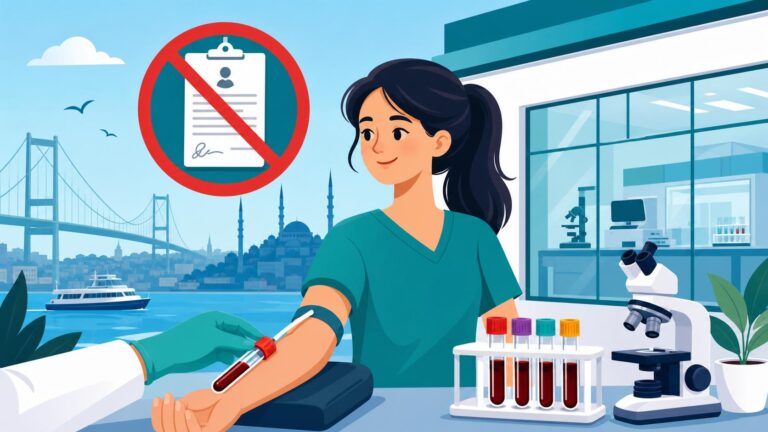
If privacy is your absolute priority and you have the budget for it, private laboratories (Laboratuvar) are the way to go. These are standalone facilities that focus specifically on blood, urine, and swab analysis. They are not hospitals; they are diagnostic centers. You do not usually need a doctor's referral to walk in and ask for a specific test or a "Check-up" package.
Names like Gelişim, Biruni, and Düzen are well-known across the country. The benefit here is speed and the "transactional" nature of the service. You walk in, choose a panel (often labeled as an HIV panel or a broad Hepatitis-Syphilis-HIV screen), pay, and receive your results via a password-protected PDF or a physical printout. Many of these labs allow you to provide a nickname or just a phone number, though some may ask for a passport or ID for their internal records. If you are using comprehensive international insurance like Cigna Global, you can often find these labs within their network, though you should check if "voluntary screening" is covered under your specific plan or if it requires a symptomatic referral.
Anonymous Testing via NGOs and Municipal Centers
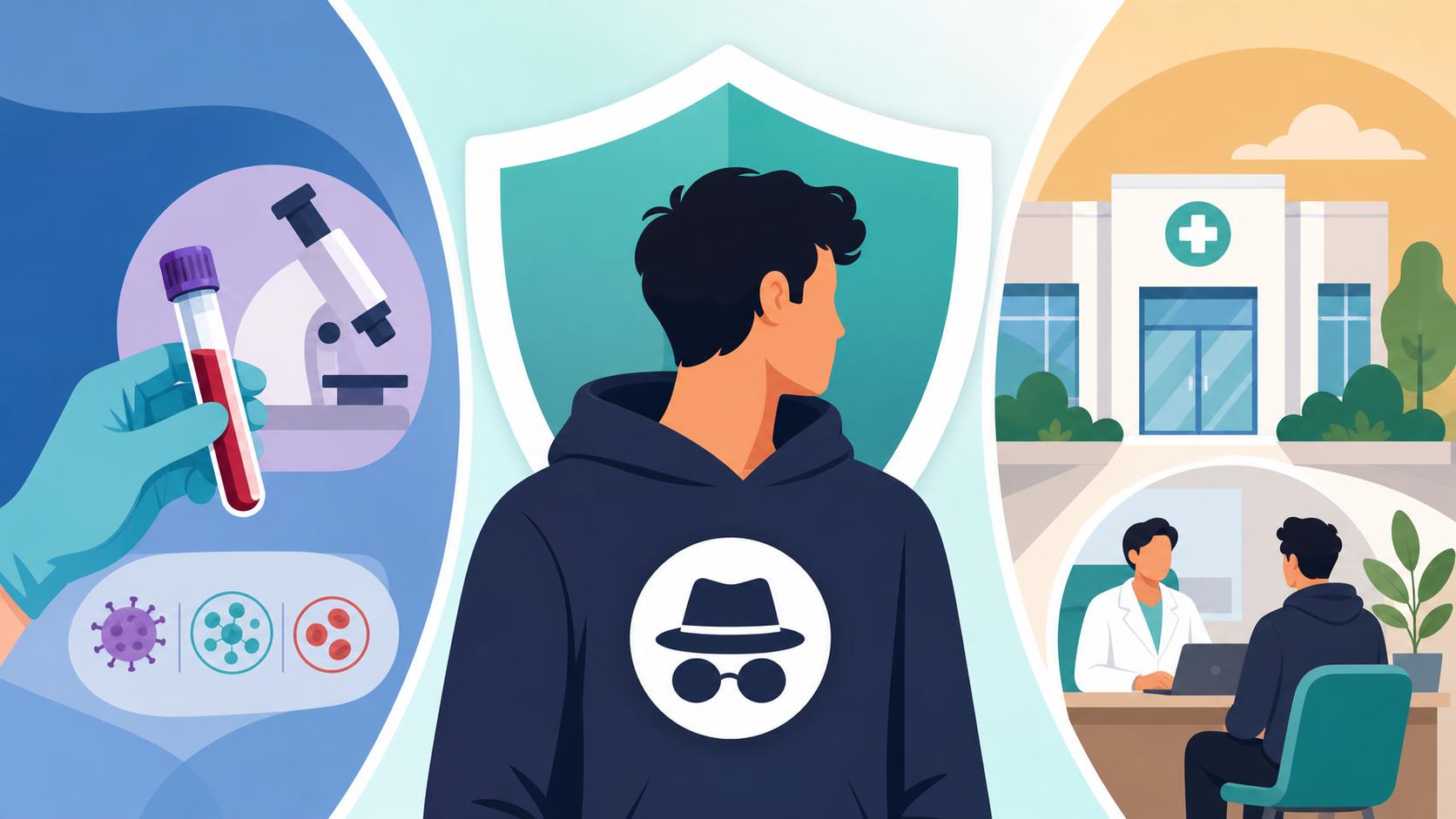
For those who are worried about their 99-number (Turkish ID) being linked to an HIV or Syphilis test, there are specific anonymous options. Turkey has a few Voluntary Counseling and Testing (VCT) centers that are specifically designed for high-risk groups and those seeking total anonymity.
The Beşiktaş and Şişli municipalities in Istanbul, for example, have historically offered free, anonymous testing centers. You are given a code instead of using your name. Organizations like Pozitif Yaşam (Positive Living Association) are also incredible resources. They can guide you toward clinics that are "expat-friendly" and where the staff is trained to handle sexual health queries without judgment. If you find yourself needing support for the stress associated with these scares, Mental Health in Turkey: Counseling, Psychiatry, and Expat Support Systems can provide a network of English-speaking therapists who understand the specific anxieties of the expat community.
Understanding the E-Nabız System and Your Privacy
This is the part where you need to be careful. Turkey uses a centralized digital system called E-Nabız (e-Pulse). This app tracks every doctor’s visit, every blood test taken at a hospital, and every prescription you buy. If you go to a public hospital (Devlet Hastanesi) or a private hospital that is integrated with the Social Security Institution (SGK), your results will be uploaded to E-Nabız.
While only you and your authorized doctors can see this, many expats prefer to keep sexual health records completely off the grid. To do this, you must explicitly ask a private lab if they "upload to the Ministry of Health system." Some high-end labs in Nişantaşı or Kadıköy maintain separate internal databases for sensitive tests. Learning more about Using e-Nabız: Accessing Your Medical Records on the Ministry of Health App will help you manage who sees what in your medical history. If you are concerned about your residency status, rest assured that an STD test result, even a positive one, is a health matter and not an immigration matter; however, privacy remains a valid personal preference.
Cost Comparison and Insurance Utility
Testing costs in Turkey vary wildly depending on where you go and how many "parameters" you want to check. A basic HIV test might be relatively cheap, but a full panel including HPV, Herpes, Chlamydia, and Gonorrhea can become expensive because some of these require specialized PCR testing.
| Facility Type | Privacy Level | Estimated Cost (TRY) | Speed of Results |
|---|---|---|---|
| Public Hospital (SGK) | Low (Logged in E-Nabız) | Free / Low Copay | 3-7 Days |
| Private Hospital | Medium | 2,500 – 6,000 | 1-3 Days |
| Private Laboratory | High | 3,500 – 8,000 | Same Day / 48 Hours |
| Anonymous NGO | Maximum | Free / Donation | Rapid Test (20 mins) |
If you have Health Insurance in Turkey: SGK Public System vs Private Coverage Explained, you might be tempted to use it to cover the cost. Be aware that most "Touristic" or "Ikamet-only" insurance policies do not cover routine screenings. However, premium international plans like Cigna Global often have better provisions for preventative care or diagnostic tests if you mention you are experiencing symptoms. For those paying out-of-pocket, always ask for a "paket" (package) price, as individual tests are always more expensive than a bundled panel.
The Testing Process: Step-by-Step for Expats
- Identify the Lab: Search for a "Laboratuvar" in your district. In Istanbul, areas like Şişli and Kadıköy have the highest density of English-speaking staff.
- Choose Your Panel: You can ask for a "Cinsel Yolla Bulaşan Hastalıklar Paneli." If your Turkish is rusty, refer to Essential Turkish Phrases for the Doctor: Communicating Symptoms Effectively to ensure you are asking for the correct tests (e.g., "HIV," "Sifiliz," "Hepatit").
- The Sampling: Most tests are blood-based. However, for Chlamydia or Gonorrhea, you may be asked for a urine sample or a swab. Note that for urine tests, you should not have urinated for at least 2 hours prior for the best accuracy.
- Waiting for Results: Most labs will send an SMS with a link. You will need your passport number or the temporary ID they gave you to log in.
- Post-Care: If everything is clear, many expats like to maintain their general health with supplements and vitamins. While local pharmacies are great, many of us still rely on iHerb for specific high-quality zinc or probiotic brands that aren't always on the shelf in Turkey. Using iHerb can also be a more private way to get wellness products delivered to your door without explaining your health goals to a local pharmacist.
Prescriptions and Pharmacy Discretion
If a test comes back positive for a bacterial infection like Chlamydia, you will need antibiotics. In Turkey, you cannot buy most antibiotics over the counter anymore; you need a prescription from a doctor. This is where Pharmacies (Eczane) in Turkey: Prescriptions, Duty Hours, and Medications becomes a vital resource.
You can take your lab results to a private doctor (often a Urologist for men or a Gynecologist for women) to get the necessary prescription. If you are worried about the pharmacist seeing your specific medication, don't be. Pharmacists in Turkey are highly professional and see hundreds of patients a day. They are far more interested in ensuring you understand the dosage than in your personal life. If you are a woman seeking routine care alongside STI testing, looking into Women's Health Services: Accessing Birth Control and Routine Screenings is a good way to bundle your appointments with a trusted, English-speaking gynecologist.
Navigating the Emotional Side of Sexual Health
Getting tested is only half the battle; the "waiting period" and the potential results can take a toll on your mental well-being, especially when you are far from your home support system. Turkey has a growing number of expat support groups and mental health professionals who specialize in sexual health and LGBTQ+ issues.
If you are using a top-tier provider like Cigna Global, you might also have access to "Telehealth" services, allowing you to speak with a doctor in your home country about your results before you seek local treatment. This can be a huge relief if you are struggling with the language barrier or cultural nuances of a Turkish clinic. Additionally, for general immune support during stressful times, a quick order of wellness boosters from iHerb can help you feel like you are taking proactive steps for your body's recovery.
Always remember that Finding Medical Care in Turkey: Public Hospitals vs JCI-Accredited Clinics is about finding a space where you feel safe. Don't settle for a clinic where you feel judged. The private healthcare sector in Turkey is world-class, and there are plenty of doctors who treat sexual health with the modern, clinical respect it deserves.
Healthcare Budgeting and Tariffs
When you are not using the public system, you need to be prepared for the "Expat Tax"—not a literal tax, but the reality that private clinics in high-end neighborhoods charge more. Understanding Healthcare Budgeting: Understanding Copays, Tariffs, and Billing in Turkey will help you avoid being overcharged. Always ask for an itemized receipt (fatura). This is not just for your insurance; it ensures the lab is charging you the standard rate and not an inflated "tourist" price.
Most private labs are very transparent with their pricing, often listing it on their websites or having a printed price list at the reception. If you have Private Health Insurance (Özel Sağlık Sigortası): Top Providers for Foreigners, you should call your insurance provider's "Provizyon" (Provision) department beforehand to see if they can direct-bill the lab, saving you the hassle of a reimbursement claim later.
Final Advice for the Expat Community
The most important thing is not to delay. Turkey’s medical infrastructure is efficient, and whether you are in the heart of Istanbul or a coastal town like Fethiye, you have options. Use the private labs for speed and privacy, use the NGOs for anonymity, and use your international insurance like Cigna Global to ensure you have access to the best specialists if you need follow-up care. Keep your immune system strong with the right nutrition and supplements from iHerb, and stay informed through the local expat networks. Your health is your priority, and the Turkish system, while digitally integrated, still offers pathways for those who value their discretion.
Disclaimer
This guide is for informational purposes only and does not constitute professional medical advice, diagnosis, or treatment. Always seek the advice of your physician or other qualified health provider with any questions you may have regarding a medical condition. The Turkish healthcare system and its regulations regarding digital records (E-Nabız) and insurance coverage are subject to change; always verify current procedures with the relevant authorities or your insurance provider.