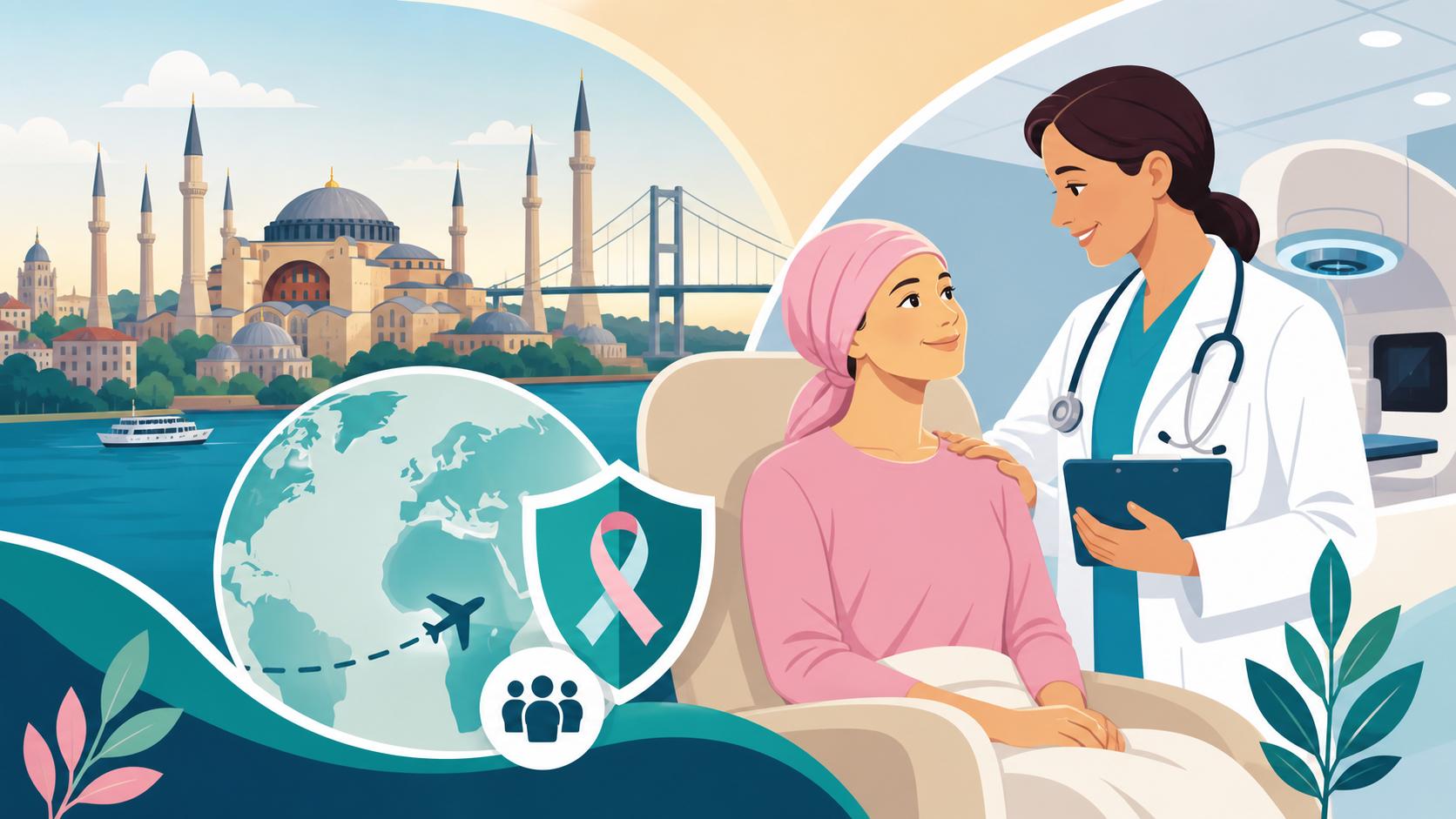
Cancer Treatment for Foreigners: Leading Oncology Centers in Istanbul
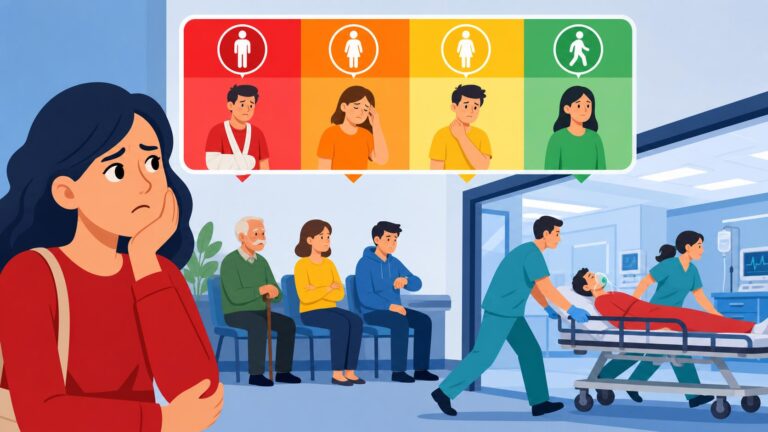
Facing a serious health diagnosis while living abroad is perhaps the most isolating experience an expat can endure. Expats often spend long afternoons in hospital waiting rooms, helping others translate their fears into a language their doctors could understand. It’s overwhelming to navigate medical jargon in Turkish when your world has just been turned upside down. This guide is designed to cut through that confusion, highlighting the leading oncology centers in Istanbul and explaining how you can access world-class cancer treatment without getting lost in the bureaucracy.
Navigating a Cancer Diagnosis as an Expat in Turkey
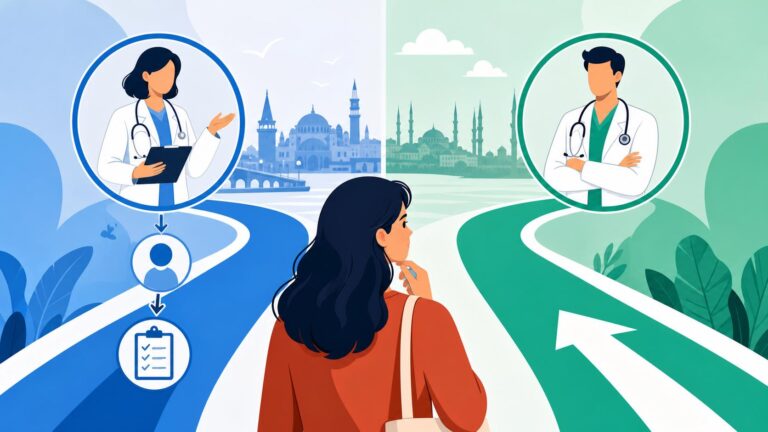
The moment you receive news that requires oncology intervention, your first instinct might be to pack your bags and head back to your home country. However, many expats realize that the quality of care in Istanbul’s top-tier private facilities often rivals or exceeds what they would find back home, often with significantly shorter wait times. The first step is usually a referral from a general practitioner or a specialist who has spotted something concerning during a routine checkup or a diagnostic scan.
In Turkey, the transition from a "suspected" case to a confirmed diagnosis involves a flurry of activity. You will likely be directed to undergo advanced imaging—PET-CT scans, MRIs, and biopsies. One thing I’ve learned from living here is that the speed of the private sector is staggering. While public hospitals are excellent, the sheer volume of patients means you might wait weeks for a scan. In contrast, private oncology centers often schedule these within 24 to 48 hours. During this phase, you’ll find it helpful to review my tips on Finding Medical Care in Turkey: Public Hospitals vs JCI-Accredited Clinics to understand which facility suits your immediate diagnostic needs.
Communication is the most significant hurdle. While many senior oncologists in Istanbul have trained in the US or Europe and speak fluent English, the nursing and administrative staff may not. This is where you need to be prepared. It is wise to recommend keeping a folder—physical or digital—with every single report. You should also brush up on some Essential Turkish Phrases for the Doctor: Communicating Symptoms Effectively to ensure that even the small details of your daily discomfort are accurately conveyed to the care team.
The Role of the International Patient Center
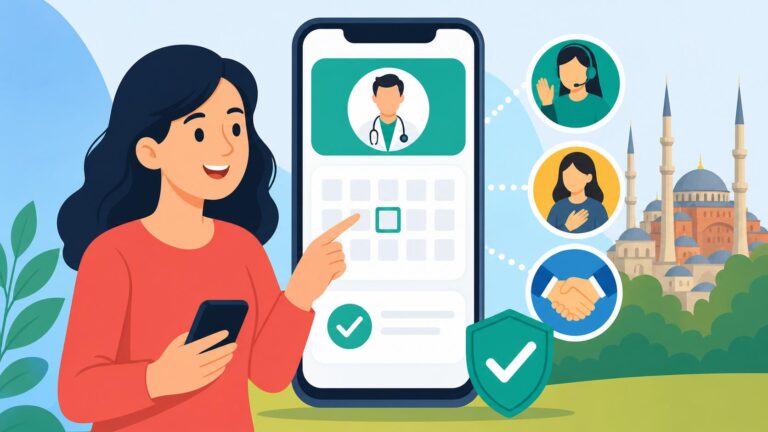
Most major hospitals in Istanbul have a dedicated "International Patient Center" (IPC). These departments are a godsend for foreigners. They are staffed with coordinators who act as your primary point of contact, often providing free translation services and helping you navigate the financial side of your treatment. They handle everything from scheduling your appointments to communicating with your insurance provider.
When you first walk into a hospital like Acıbadem or Anadolu, head straight for the IPC. They will assign you a case manager who speaks your language. This person isn't just a translator; they understand the hospital’s internal workflow and can expedite your path to the right specialist. It takes a massive weight off your shoulders when you know someone is looking out for the administrative details while you focus on your health.
Leading Oncology Centers in Istanbul: Where to Seek Specialized Care
Istanbul has transformed into a global hub for oncology, attracting patients from across Europe and the Middle East. The city hosts several facilities that hold prestigious international certifications, ensuring that the protocols used for your chemotherapy, radiation, or surgery meet the highest global standards.
Anadolu Medical Center: The Johns Hopkins Connection
Located just on the outskirts of Istanbul in Gebze (but easily accessible for residents), Anadolu Medical Center is often the first name mentioned in expat circles. Their strategic partnership with Johns Hopkins Medicine in the US means they follow identical clinical protocols. For a cancer patient, this offers a massive amount of peace of mind. They are particularly renowned for their Bone Marrow Transplantation center and their precision medicine approach, which uses genetic profiling to tailor treatments to the specific mutation of a tumor.
The campus itself feels more like a quiet retreat than a bustling hospital, which is a relief when you are undergoing taxing treatments. If you are looking for a facility that prioritizes research-backed methods, this is a top contender. When vetting such places, it’s useful to understand JCI Accredited Hospitals in Turkey: What the Certification Actually Guarantees so you can see why Anadolu consistently ranks so high.
Acıbadem Healthcare Group: Cutting-Edge Technology
Acıbadem is a household name in Turkey, but for oncology, the Maslak and Altunizade branches are the crown jewels. These hospitals are equipped with some of the most advanced radiotherapy equipment in the world, including the Gamma Knife and CyberKnife systems. If your treatment plan requires highly targeted radiation to minimize damage to surrounding healthy tissue, Acıbadem’s technology is hard to beat.
The Altunizade branch, in particular, is designed with a "hospital-within-a-hospital" concept for oncology patients. This means your scans, blood tests, and chemotherapy sessions often happen in the same wing, reducing the amount of walking and waiting you have to do. Because they handle so many foreign residents, their staff is very used to the nuances of international care. You can learn more about how they bridge the language gap by reading about How Patient Relations Departments Provide Translators in Private Hospitals.
American Hospital (Amerikan Hastanesi) and Koç University
Located in the heart of Nişantaşı, the American Hospital is favored by the expat community for its boutique feel and exceptionally high standard of English-speaking staff. It is an older, prestigious institution that has integrated modern oncology very well. For those living on the European side, its central location makes frequent appointments much more manageable.
Just a bit further north, Koç University Hospital serves as the group's academic research hub. This is where you go if you are interested in clinical trials or the latest immunotherapy treatments. Because it is a university hospital, the oncologists here are often at the forefront of new medical literature, providing a level of intellectual depth to your care plan that is incredibly reassuring.
| Hospital Name | Primary Location | Notable Specializations | International Affiliation |
|---|---|---|---|
| Anadolu Medical Center | Gebze / Istanbul | Precision Medicine, Bone Marrow | Johns Hopkins Medicine |
| Acıbadem Maslak | Maslak, European Side | Radiotherapy (CyberKnife), Pediatrics | I-CON Network |
| American Hospital | Nişantaşı | Medical Oncology, Hematology | Independent / High-End |
| Koç University Hospital | Topkapı | Immunotherapy, Genetic Research | Academic Center |
Understanding Costs, Insurance, and Medical Records
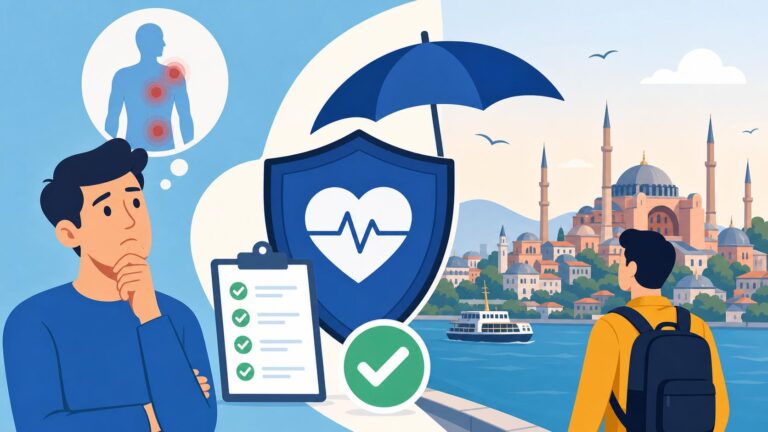
The financial aspect of cancer treatment is, frankly, terrifying. In Turkey, the cost of oncology care is a fraction of what it is in the United States, but it is still a significant investment if you are paying out of pocket. Understanding your insurance coverage is the first thing you should do after a diagnosis.
If you are a resident enrolled in the SGK (social security) system, you are entitled to free or heavily subsidized cancer treatment in public hospitals. However, the wait times for surgery or specialized immunotherapy can be problematic. Most expats prefer a hybrid approach or rely on comprehensive private policies. Companies like Cigna Global are particularly popular among the international community here because they offer modular plans that specifically include high-limit oncology benefits, which can be used at the top-tier private hospitals I mentioned above.
When dealing with insurance, remember that "pre-existing conditions" are a major sticking point in Turkey. If you are just moving here and already have a diagnosis, getting a new local policy to cover it will be nearly impossible. This is why having an international policy like Cigna Global before you arrive, or choosing a plan with a "global" reach, is a safer bet for long-term security. For a deeper dive into how the local system works, check out Health Insurance in Turkey: SGK Public System vs Private Coverage Explained.
Managing Your Digital Medical Life
One thing Turkey does exceptionally well is digital health records. The e-Nabız system tracks every blood test, x-ray, and prescription you receive in the country. This is vital for oncology patients who may see multiple specialists. You can even upload your previous medical records from your home country into the system.
I highly recommend familiarizing yourself with Using e-Nabız: Accessing Your Medical Records on the Ministry of Health App. Being able to show a new doctor your previous scan results on your phone can save you from repeating expensive and draining tests. Also, when it comes to paying, ensure you understand Understanding Turkish Hospital Invoices and the Direct Billing Process. Private hospitals in Istanbul are generally very transparent, but oncology billing can get complex with "extra" fees for certain specialized drugs or imported materials.
Supportive Care and Life During Treatment in Istanbul
Treatment isn't just about the hours spent in a clinic; it's about how you live your life between those sessions. Istanbul can be a challenging city to navigate when your energy levels are low, but it also offers incredible resources for recovery and comfort.
Nutrition plays a massive role in managing the side effects of chemotherapy and radiation. While Turkish local markets (pazars) are great for fresh produce, you might find yourself looking for very specific supplements or high-quality vitamins that aren't always stocked in every local "Eczane." I’ve often used iHerb to order specific nutritional supports and wellness products that my doctors recommended. Since iHerb ships to Turkey with relatively predictable customs processes now, it’s a reliable way to get the exact brands of protein powders or specialized antioxidants you might be used to from home.
Mental Health and Community Support
The psychological toll of cancer is heavy, and being an expat adds a layer of cultural isolation. Finding an English-speaking therapist who understands the specific stress of being sick in a foreign land is essential. There are several counseling centers in Beşiktaş and Kadıköy that specialize in "health psychology." You can explore these options through Mental Health in Turkey: Counseling, Psychiatry, and Expat Support Systems.
Furthermore, your local pharmacy will become a regular stop. In Turkey, pharmacists (Eczacı) are highly trained and can offer significant advice on managing minor side effects like skin irritation or nausea. It’s worth knowing how the system works, especially for specialized oncology drugs that might need to be ordered in advance. Check out Pharmacies (Eczane) in Turkey: Prescriptions, Duty Hours, and Medications to stay prepared.
Choosing the Right Neighborhood for Recovery
If you are relocating to Istanbul for treatment or moving within the city to be closer to a hospital, location is everything. You want a neighborhood that is flat (strolling is good for recovery) and has easy access to green spaces. Areas like Moda in Kadıköy or certain parts of Beşiktaş are excellent because they are pedestrian-friendly and close to major medical hubs. If you have children with you during this time, finding a supportive environment is even more critical; look at the Best Areas in Istanbul for Families with Young Children and Strollers for neighborhoods that offer a gentler pace of life.
Living through a cancer journey in Turkey is a test of resilience, but you are not alone. The medical community here is remarkably warm and often goes above and beyond to ensure their foreign patients feel at home. By choosing the right center and staying organized with your documentation and insurance, you can access care that is truly world-class while remaining in the beautiful, vibrant surroundings of Istanbul.
Disclaimer
The information provided in this guide is for educational and informational purposes only and does not constitute medical or legal advice. Healthcare regulations and hospital affiliations in Turkey can change frequently. Always consult with a qualified medical professional and your insurance provider regarding your specific diagnosis and treatment plan. The author is a lifestyle blogger and expat, not a medical doctor.