Getting Braces or Invisalign in Turkey: Long-Term Treatment for Residents
Moving to Turkey often means trading high healthcare costs for affordable excellence, but managing a multi-year orthodontic plan while navigating the "expat tax" and language gaps can feel like a full-time job. I remember the panic of a broken bracket in Kadıköy and not knowing how to explain the sharp pain to a local receptionist. This guide solves the logistical nightmare of starting or continuing braces and Invisalign as a resident.
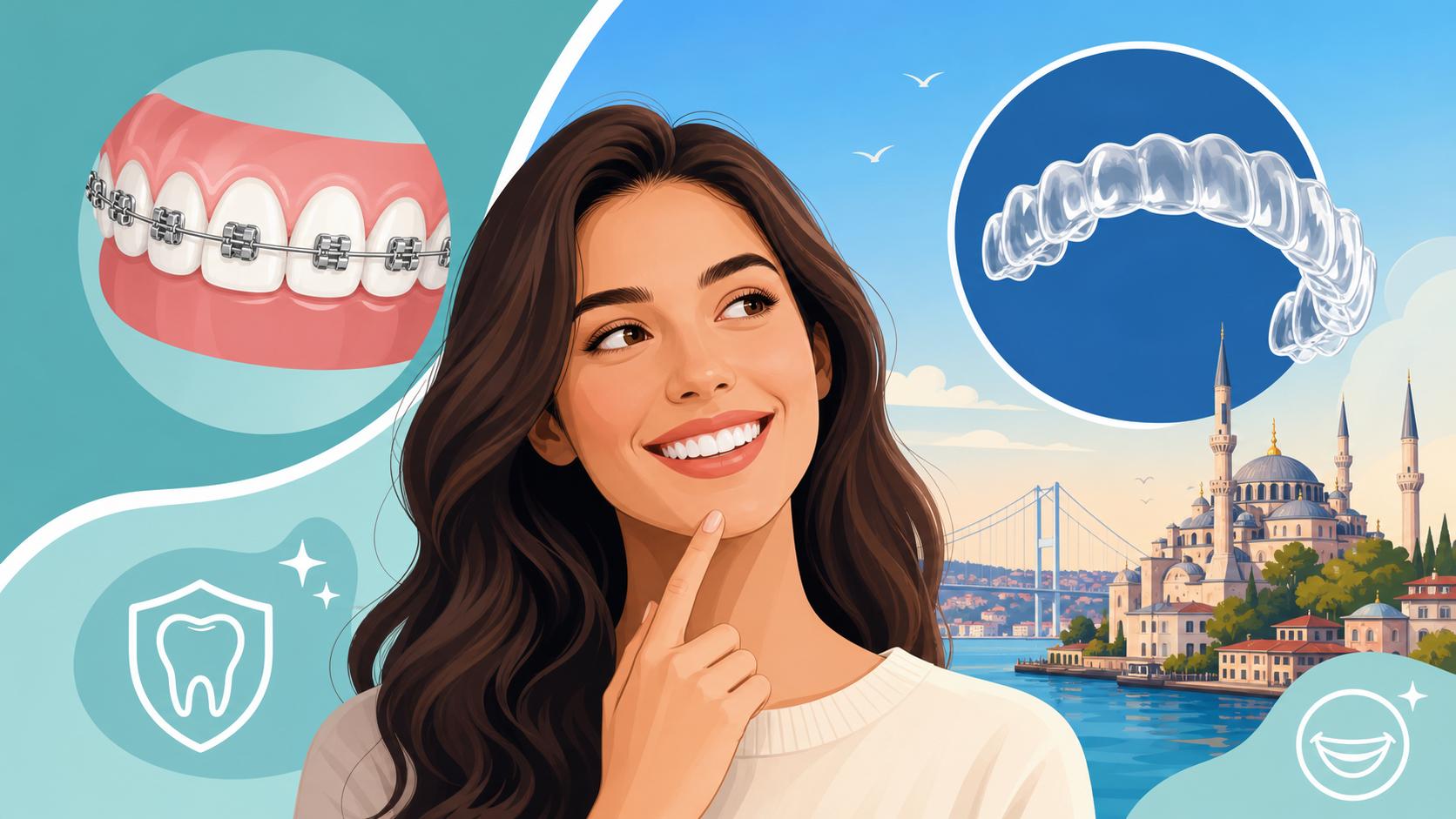
Deciding Between Traditional Braces and Invisalign in Turkey
When you first settle into your life in Istanbul or Izmir, you’ll notice that Turkish culture places a massive premium on a "Hollywood smile." Because of this, the orthodontic market is incredibly mature. However, as a resident rather than a tourist, your needs are different. You aren't here for a one-week veneer "glow-up." You need a doctor who will be there for the next 18 to 24 months.
Traditional metal braces remain the most common choice for long-term residents. They are robust, handled by almost every clinic, and significantly cheaper than clear aligners. In my experience, the "metal mouth" stigma is non-existent here; adults of all professions wear them proudly. If you’re worried about the aesthetic, ceramic or sapphire braces are widely available, though they come with a slightly higher price tag and a bit more fragility when you're biting into that crusty Simit.
Invisalign has exploded in popularity across Turkey’s major cities. If you opt for this, make sure the clinic is an "Invisalign Provider"—they usually have a tiered ranking (Diamond, Platinum) based on how many cases they’ve handled. The benefit for an expat is flexibility. If you have to fly home for two months, a good orthodontist can give you several sets of trays in advance. The downside is the cost, which is often quoted in Euro or USD due to the trays being manufactured abroad, making it sensitive to the fluctuating Lira.
Finding a Resident-Friendly Orthodontist
The biggest mistake I see newcomers make is walking into a clinic that looks like a five-star hotel and has "Dental Tourism" splashed across its website. While Finding Medical Care in Turkey: Public Hospitals vs JCI-Accredited Clinics is generally a safe bet for surgery, orthodontics requires a relationship. You want a local neighborhood "Ortodontist" who treats Turkish families. These doctors often have lower overheads and will give you the "local" price rather than the "tourist" price.
Always verify that your doctor is a specialist. In Turkey, a general dentist (Diş Hekimi) can legally perform many procedures, but you want an Ortodontist who has completed several years of additional university training. You can check their credentials through the Turkish Orthodontic Society. Don't be afraid to ask where they studied; many top-tier Turkish specialists have spent time in the US or Germany and speak impeccable English.
When you go for your first consultation, pay attention to the "vibe" of the office. Are they rushing you? Do they have a 3D scanner (like iTero) or are they still using old-school putty molds? Since you'll be visiting every 4 to 6 weeks, choose a clinic that is easily accessible via the Metro or Marmaray. Trust me, trying to cross the Bosphorus for a 10-minute wire tightening during rush hour will make you regret your life choices.
Understanding the Costs and Payment Structures for Residents
One of the most refreshing things about Healthcare Budgeting: Understanding Copays, Tariffs, and Billing in Turkey is the transparency of private dental costs, but orthodontics can still be a bit of a maze. Unlike a filling or a cleaning, braces are usually billed as a package.
As of 2026, you can expect a wide range of prices depending on the complexity of your case. To give you a realistic idea of the market for residents, I’ve broken down the average costs you’ll encounter in major hubs like Istanbul, Ankara, and Antalya.
| Treatment Type | Estimated Cost (USD Equivalent) | Average Duration | Ideal Candidate |
|---|---|---|---|
| Metal Braces | $1,200 – $2,200 | 18 – 24 Months | Complex bite issues |
| Ceramic/Clear Braces | $1,800 – $2,800 | 18 – 24 Months | Aesthetic-conscious adults |
| Invisalign (Full) | $3,000 – $4,500 | 12 – 18 Months | Mild to moderate crowding |
| Lingual Braces (Behind teeth) | $3,500 – $5,500 | 24+ Months | Maximum discretion |
Most clinics will ask for a down payment (usually 20-30%) to cover the cost of materials and the initial bonding. For the remaining balance, it is very common to negotiate a monthly payment plan in Turkish Lira. This is a huge win for expats. If you lock in a Lira-based payment plan, high inflation often means your "real" cost decreases over the two-year period. However, be aware that some high-end clinics now peg their installments to the Euro to avoid this. Always clarify this before the brackets go on.
Insurance Reality: Does Your Policy Cover Braces?
If you are relying on Mandatory Ikamet Insurance: What Health Policies Actually Cover for Visas, I have some bad news: it almost never covers orthodontics. These basic policies are designed for emergencies, not elective dental alignment. Even the Health Insurance in Turkey: SGK Public System vs Private Coverage Explained doesn't typically cover adult braces in state hospitals unless there is a functional necessity like a severe jaw deformity requiring surgery.
For comprehensive coverage, many expats turn to international providers like Cigna Global. These plans often have a "Dental" rider that can be added. If you’re planning to start treatment, check the waiting periods. Most international policies require you to be a member for 6 to 12 months before they will reimburse orthodontic expenses. If you already have a plan with Cigna Global, it’s worth submitting a pre-authorization request to see if your Turkish orthodontist's treatment plan qualifies for reimbursement.
For those of us without dental insurance, the out-of-pocket costs in Turkey are still often 50-70% lower than in the UK, US, or UAE. This makes Turkey one of the best places to pay "cash" for your smile. Just ensure you get a proper receipt (Fatura) for every payment. This is essential if you ever need to prove your medical expenses for tax purposes back home or for any future insurance claims.
Navigating the Language Barrier at the Orthodontist
Even in "English-speaking" clinics, the assistants and front-desk staff might only speak Turkish. This is where things get tricky. If your wire is poking your cheek or a bracket has popped off, you need to be able to communicate that urgently. I highly recommend learning a few Essential Turkish Phrases for the Dentist: Explaining Pain and Sensitivities to make your life easier.
Common phrases you’ll need include:
- "Telim çıktı" (My wire came out)
- "Braketim düştü" (My bracket fell off)
- "Canım çok yanıyor" (I am in a lot of pain)
- "Randevu almak istiyorum" (I want to make an appointment)
Most modern clinics use WhatsApp for scheduling. This is a godsend for expats. You can use translation apps to craft your messages, and you have a written record of your appointment time. If you’re struggling to find a specialist who speaks your language, you might look into Finding English-Speaking Doctors in Istanbul: Top International Clinics, as many of these hubs have dedicated dental departments with translators on staff.
Living with Braces: Maintenance and Supplies in Turkey
Maintaining your braces in Turkey requires a change in your shopping habits. You won't always find your favorite brand of orthodontic wax at the local Migros. While Pharmacies (Eczane) in Turkey: Prescriptions, Duty Hours, and Medications are everywhere, they often have a limited selection of specialized dental tools like interdental brushes or specific fluoride rinses.
I personally recommend using iHerb for your more specialized orthodontic supplies. They ship to Turkey reliably, and you can get specific high-quality waxes, retainer cleaning tablets, and water flosser tips that are hard to find locally. Just keep an eye on the customs limits; try to keep your orders under 150 Euros to avoid the heavy import taxes that hit larger shipments.
Dietary adjustments are also part of the "Expat with Braces" experience. Turkey is a land of chewy bread, sticky baklava, and nuts. You’ll need to be careful with "Antep Fıstığı" (pistachios) and the ubiquitous "Lokum" (Turkish Delight). If you do break something, don't panic. Most orthodontists will squeeze you in for a quick fix if you tell them it’s an "Acil" (emergency). If you’re outside the major cities, check out the Antalya Medical Network: Where to Go for Care on the Mediterranean Coast for reputable clinics that deal with foreign residents regularly.
Continuing Treatment Started Abroad
If you moved to Turkey in the middle of your orthodontic treatment, you might face some resistance. Many Turkish orthodontists are hesitant to take over a "work in progress" because they don't know the exact brand of brackets used or the original treatment goals. If they do agree, they may charge a "transfer fee" or insist on replacing the existing brackets with the system they use.
To make this transition smoother, bring your full medical records from your previous doctor. This should include your initial X-rays, 3D scans, and a summary of the movements already achieved. You can also use Using e-Nabız: Accessing Your Medical Records on the Ministry of Health App once you have your residency to upload these documents so your new Turkish doctor has a digital trail.
If you are using Invisalign, the process is slightly easier since the "case" can be digitally transferred between doctors via the Invisalign portal. However, the new doctor will still charge you for their professional time and office visits. Be upfront about your situation and don't be surprised if the first two or three clinics turn you down; keep looking until you find a specialist who is comfortable with international transfers.
Long-Term Retainers and Aftercare
The journey doesn't end when the braces come off. In Turkey, the standard aftercare involves both a fixed lingual retainer (a thin wire glued behind your teeth) and a removable plastic tray for nighttime wear. Ensure that your initial contract includes the cost of these retainers. Some "budget" quotes conveniently leave these out, leading to a nasty surprise of several hundred dollars at the end of your treatment.
If you ever lose your retainer while living here, it’s much cheaper to get a replacement in Turkey than in most Western countries. You can usually walk into a clinic, get a scan, and have a new tray within 48 hours for a fraction of the cost you'd pay in London or New York. This is one of those Dental Tourism Traps: How to Vet a Turkish Dentist Safely Before Implants that residents actually benefit from—the fast turnaround and high-tech labs.
Finally, keep up with your routine cleanings. Having braces makes you more prone to tartar buildup, and Turkish dentists are excellent at thorough "detertraj" (scaling). Regular checkups will ensure that when those braces finally come off, your teeth are not only straight but also healthy and stain-free.
Disclaimer
This guide is for informational purposes only and is based on personal expat experiences and general market trends in Turkey as of 2026. It does not constitute professional medical or legal advice. Always consult with a licensed orthodontic specialist in Turkey before beginning any dental treatment. Healthcare regulations and prices can change frequently; verify all insurance coverage details directly with your provider.