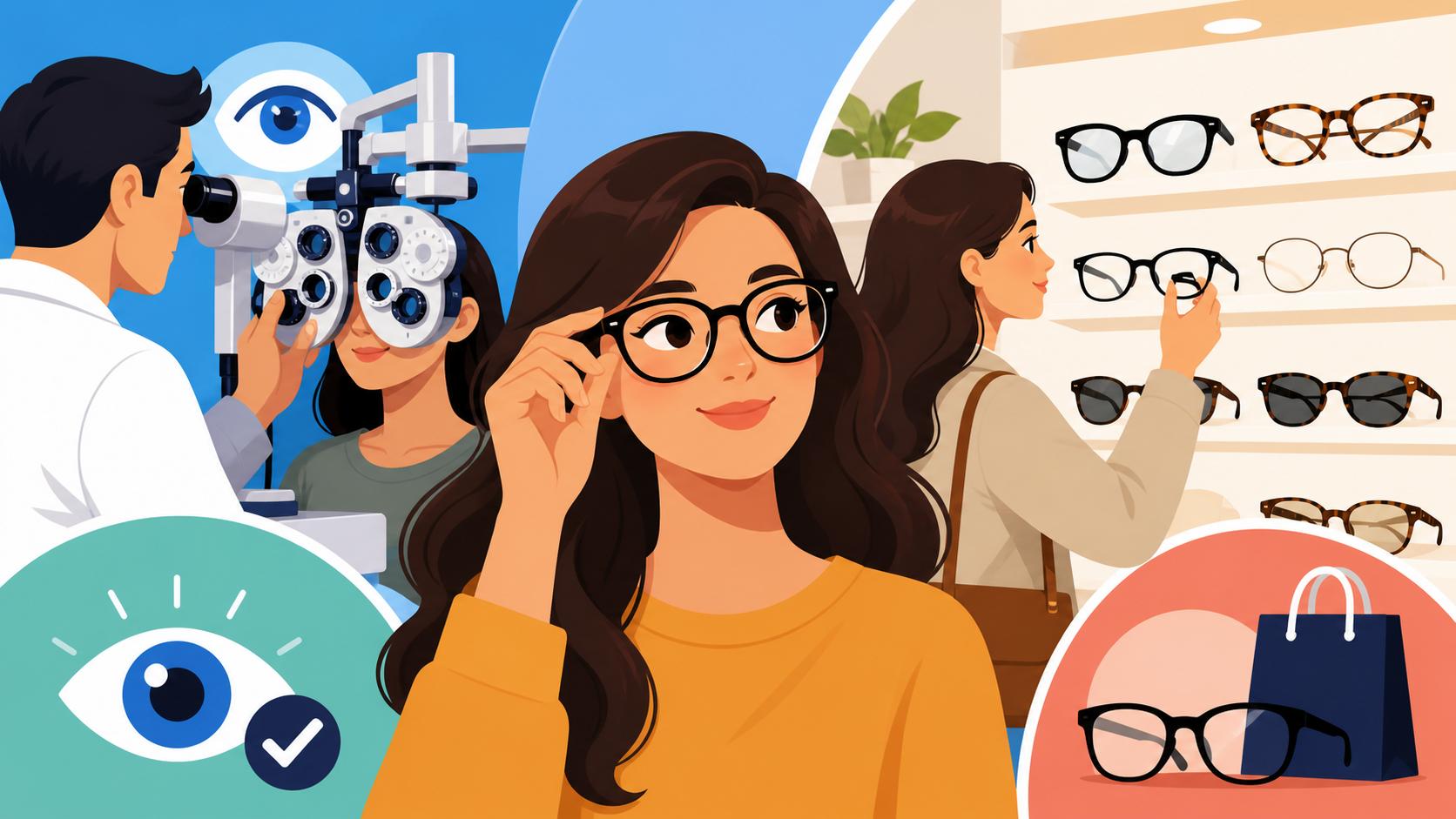
Eye Exams and Buying Prescription Glasses: Navigating Optical Shops
Squinting at the blurred departure boards at the Yenikapı metro station or struggling to read a menu in a dimly lit Beyoğlu bistro is a rite of passage for many newcomers. I remember my first week in Istanbul, nearly tripping over a stray cat because my old glasses just weren't cutting it anymore. This guide solves the confusion of navigating Turkish eye clinics and optical shops so you can see the Bosphorus in high definition.
Finding the Right Ophthalmologist in Turkey
The first thing you need to understand is that in Turkey, there is a very clear distinction between an optician (Gözlükçü) and an eye doctor (Göz Doktoru). Unlike in some Western countries where you might get a quick eye test at a mall booth, a valid prescription for glasses or contacts must come from a licensed ophthalmologist. You won't find optometrists performing exams inside the shops; you must visit a clinic or hospital first.
If you are looking for efficiency and have a comprehensive plan like Cigna Global, heading to a private hospital is your best bet. Major chains such as Acıbadem, Memorial, or Liv Hospital have world-class ophthalmology departments. When I went to a private clinic in Nişantaşı, the equipment was more advanced than what I’d seen back home, and the doctor spent nearly 40 minutes checking not just my vision, but my eye pressure and retinal health. This level of detail is standard in private care, whereas public hospitals are often much more rushed due to the high volume of patients.
For those on a tighter budget, you can use the state system. You will need to learn about Booking Public Hospital Appointments via the MHRS Digital System to secure a slot. Be warned: appointments in popular districts like Fatih or Kadıköy fill up weeks in advance. If you manage to get one, the exam is free if you are enrolled in the SGK system. However, English-speaking staff are rare in public clinics, so bring a friend or have a translation app ready. Once you have your "Reçete" (prescription), it will be entered into the national e-Nabız system, and you can take a physical or digital copy to any optical shop.
Navigating the Gözlükçü Experience
Walking into a Turkish optical shop, or "Gözlükçü," can be overwhelming. You’ll see walls lined with everything from budget-friendly local brands to high-end designer frames like Prada and Gucci. In expat-heavy areas like Antalya or Bodrum, shop owners are used to foreigners and will often offer you a glass of tea while you browse. Don't be surprised if the process feels more like a social visit than a medical transaction.
When you present your prescription, the optician will check the numbers for "Sferik" (sphere), "Silendirik" (cylinder), and "Aks" (axis). If you are confused about how these values translate to your international records, you might want to look into Vision Care: Opticians, Getting Prescriptions, and Contact Lenses in Turkey for a deeper breakdown of the terminology. A common frustration is the wait time for lenses. While simple single-vision lenses might be ready in 24 hours, progressive or high-index lenses (for those of us with "coke-bottle" prescriptions) can take 3 to 7 business days as they are often ordered from central labs in Istanbul or Ankara.
Pricing in these shops is rarely fixed, especially in independent boutiques. While the frames have price tags, there is often room for a "discount" if you are buying both frames and lenses. Large chains like Atasun Optik are more rigid with their pricing but often run "buy one get one 50% off" campaigns. If you have a premium international policy from Cigna Global, make sure to ask the shop for a detailed "Fatura" (invoice) that includes the tax office details and your full name as it appears on your passport to ensure your reimbursement goes smoothly.
Understanding Costs and Insurance Subsidies
The financial side of vision care in Turkey is a bit of a mixed bag. If you are covered by the state, you should read up on Health Insurance in Turkey: SGK Public System vs Private Coverage Explained to see how much the government contributes. As of 2026, the SGK subsidy for frames and lenses is quite low—often covering only a small fraction of the total cost (around 150 to 300 TRY). It is meant to cover "basic" options, which most expats find unsatisfying in terms of style and durability.
In the private sector, costs for a comprehensive eye exam at a top-tier hospital generally range from 2,000 TRY to 4,500 TRY. The frames themselves can cost anywhere from 1,500 TRY for local brands to 15,000+ TRY for imported luxury brands. Turkey imposes significant import taxes on luxury goods, so you might find that Ray-Bans are more expensive here than in Europe or the US. To balance these costs, many expats choose to buy their frames locally but supplement their eye health with vitamins like Lutein or Bilberry ordered from iHerb, which often ships faster to Turkey than local specialty health stores can restock.
| Service/Item | Public Hospital (SGK) | Private Clinic / Hospital | High-End Optical Shop |
|---|---|---|---|
| Eye Exam Fee | Free (with SGK) | 2,000 – 4,500 TRY | N/A (Must go to doctor) |
| Wait Time | 2-4 Weeks | Same Day / Next Day | N/A |
| Basic Frames | ~200 – 800 TRY | N/A | 1,500 – 3,000 TRY |
| Designer Frames | N/A | N/A | 5,000 – 20,000+ TRY |
| Lens Fitting | 1-2 Days | N/A | 1 – 7 Days |
If you are a resident, it is worth checking if your Private Health Insurance (Özel Sağlık Sigortası): Top Providers for Foreigners includes a vision "rider." Some plans provide a yearly allowance of $100 or $200 specifically for glasses or contact lenses. I’ve found that even if the plan doesn't cover the full cost of my titanium frames, it usually covers the cost of the exam and the basic lens coating, which is a massive help when inflation is biting.
Essential Tips for Buying Prescription Glasses
One hurdle I faced was the "Pupillary Distance" (PD) measurement. In Turkey, opticians usually measure this with a digital pupillometer when you buy the frames. If you are planning to order backup glasses online from abroad later, make sure to ask them to write your PD on your prescription. They don't always do this automatically. Also, be aware of the "blue light filter" upsell. Every shop in Istanbul will try to sell you a blue-light coating for your computer use. While it adds about 500-1,000 TRY to the cost, it’s often worth it if you’re a digital nomad staring at screens all day in a Kaş coffee shop.
Maintenance is another area where Turkish hospitality shines. Most optical shops will tighten your screws, replace your nose pads, and give your glasses a professional ultrasonic cleaning for free, even if you didn't buy the glasses from them. It’s a great way to build a rapport with your local "esnaf" (shopkeeper). If you find yourself needing more than just a checkup, such as surgical options, you should consult the Medical Tourism Guide 2027: Navigating Hair Transplants and Aesthetics Safely which often covers laser eye surgery centers as well.
Finally, keep your physical prescription safe. Even though it is stored in the e-Devlet system, having a paper copy makes life much easier if you travel to a different city and break your frames. For those who prefer contacts, you can often buy them over the counter at shops if you know your brand and strength, but technically, a prescription is required. If you're struggling with dry eyes due to the intense summer heat in Antalya, I highly recommend looking for preservative-free drops on iHerb to keep in your bag.
Technical Terms and Language Barriers
While doctors in private hospitals like American Hospital or Koç University Hospital usually speak excellent English, the staff at the local optical shop might not. Knowing a few key phrases will save you a lot of gesturing and confusion. If you are preparing for a visit, reviewing Essential Turkish Phrases for the Doctor: Communicating Symptoms Effectively can give you a head start.
Some specific terms you will encounter:
- Miyop: Nearsightedness
- Hipermetrop: Farsightedness
- Astigmat: Astigmatism
- Uzak: Distance vision (for driving/walking)
- Yakın: Near vision (for reading)
- Cam: Literally "glass," but used to refer to the lenses.
- Çerçeve: Frames.
If you have a complex prescription, ensure the optician understands if you want "İnceltilmiş cam" (thinned lenses). Because of the way Turkish billing works, sometimes they won't suggest thinning unless you ask, and you could end up with very heavy glasses. If you have international coverage through Cigna Global, their 24/7 support line can sometimes provide a translator or help you find a clinic where the doctor is guaranteed to be fluent in English. This is particularly helpful when you are trying to explain nuanced issues like "floaters" or sudden light sensitivity.
Managing Eye Health in the Turkish Climate
Turkey's climate can be surprisingly harsh on the eyes. The combination of high UV indices on the coast and the dusty winds in Central Anatolia can lead to chronic irritation. I learned the hard way that a cheap pair of "fashion" sunglasses from a street market in Eminönü offers zero UV protection and can actually damage your pupils. Always ensure your sunglasses from a Gözlükçü have the "UV400" or "CE" mark.
If you wear contacts, the salty air in places like Izmir can make them feel "gritty." It is vital to stay hydrated and perhaps use a higher-quality contact solution than the generic ones found in supermarkets. For those who are considering a more permanent solution to avoid the hassle of glasses altogether, Laser Eye Surgery (LASIK) in Turkey: High-Quality Options at Lower Costs provides a comprehensive look at the risks and rewards of undergoing surgery in Istanbul’s top clinics.
Lastly, don't forget the importance of regular checkups. If you are here for the long haul, you should be integrating eye exams into your annual Long-Term Care and Preventive Medicine: Checkups and Vaccinations routine. Eye health is often a window into other issues like high blood pressure or diabetes, both of which can be managed effectively if caught early in the Turkish healthcare system.
Disclaimer
This guide is for informational purposes only and does not constitute medical or legal advice. Healthcare regulations and pricing in Turkey change frequently. Always consult with a licensed ophthalmologist and verify your insurance coverage with your provider before undergoing any medical procedures or purchasing expensive medical devices.