Dental Tourism Traps: How to Vet a Turkish Dentist Safely Before Implants
The lure of a perfect "Hollywood Smile" at a fraction of the cost often blinds foreigners to the potential for botched surgeries and life-altering dental complications in Turkey. I spent months researching clinics in Istanbul after hearing horror stories from friends who ended up with chronic pain and failing implants instead of a confident new grin. This guide solves the vetting crisis by teaching you how to spot "dental mills" and find legitimate, high-quality specialists.
Understanding the Dental Tourism Landscape in Turkey
Turkey has undeniably become the global capital for dental work, specifically for implants and veneers. From the moment you land at Istanbul Airport, you are greeted by massive billboards of smiling faces and rows of shuttles waiting to ferry patients to various clinics. However, this boom has created a two-tiered system: world-class JCI-accredited facilities and predatory "dental mills" that prioritize turnover over patient health.
The problem for most expats and tourists is that these two tiers often look identical online. Both use sleek websites, high-definition videos of happy patients, and luxury hotel packages. To stay safe, you have to look past the marble floors and the VIP transfers. Real dental surgery, especially involving Dental Tourism in Turkey: Implants, Veneers, and Vetting Reputable Dentists, is a medical procedure that requires long-term planning and biological healing time.
The reality of living here as an expat is seeing the influx of "smile tourists" who arrive on a Monday and leave on a Saturday with a full set of crowns. This "fast-track" approach is the primary cause of future failure. Legitimate dental health is about bone density, gum health, and proper alignment—things that cannot always be fixed in a five-day vacation. If you are considering this journey, you need to think like a resident, not a tourist.
Red Flags: How to Identify a Dental Mill
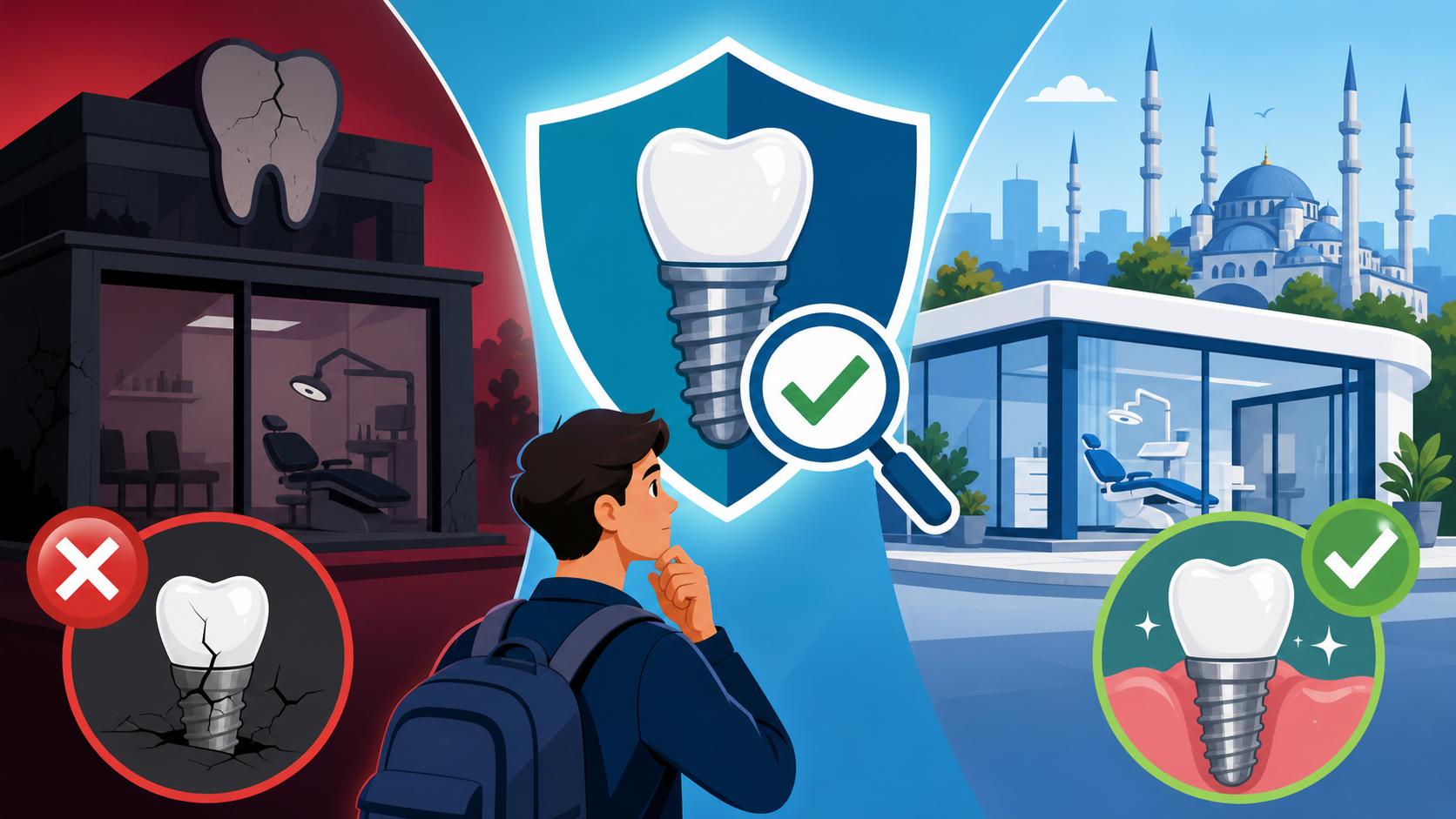
Identifying a dental mill before you fly in is the most critical step in your journey. A "mill" is a high-volume clinic that treats patients like products on an assembly line. They often employ junior dentists or even technicians to perform parts of the procedure that should be handled by a specialist. One of the biggest red flags is a clinic that provides an immediate, firm quote based solely on a few photos sent via WhatsApp without seeing a 3D Tomography scan.
Another major warning sign is aggressive marketing. If a clinic relies heavily on influencers who have no medical background, be wary. These influencers are often given free treatment in exchange for glowing reviews, and they rarely show the reality of the recovery process or the long-term maintenance required. You should also be cautious of "all-inclusive" packages that seem suspiciously cheap. While Healthcare Budgeting: Understanding Copays, Tariffs, and Billing in Turkey is generally more affordable here, the cost of high-quality titanium implants and zirconium crowns remains relatively consistent worldwide. If the price is 70% lower than the local average, they are likely cutting corners on material quality or sterilization protocols.
Finally, look at the consultation process. A reputable clinic will ask you about your medical history, including any chronic conditions or medications you are taking. They might even suggest that you are not a candidate for certain procedures until other health issues are addressed. A mill, conversely, will tell you "yes" to every request because their goal is to get you into the chair.
Vetting the Surgeon: Beyond the Fancy Website
In Turkey, every dentist must be registered with the Turkish Dental Association (Türk Dişhekimleri Birliği or TDB). This is your first line of defense. Before you even book a flight, ask for the full name of the specific dentist who will be performing your surgery—not just the name of the clinic owner. You can then verify their credentials and see how long they have been practicing.
Don't be afraid to ask about their specialization. An "implantologist" should ideally be a Maxillofacial Surgeon (Ağız, Diş ve Çene Cerrahisi). While general dentists are legally allowed to place implants, a specialist has years of additional surgical training specifically for the jawbone and complex grafting procedures. If your case involves significant bone loss, you absolutely want a surgeon who understands Finding Medical Care in Turkey: Public Hospitals vs JCI-Accredited Clinics and knows how to handle complications if they arise.
Asking About Implant Brands
The brand of the implant matters more than most patients realize. There are hundreds of implant manufacturers, but only a handful of "premium" brands like Straumann, Nobel Biocare, or Zimmer Biomet have decades of clinical research backing them. Why does this matter? If your implant fails or needs a new screw ten years from now, you need a brand that is available globally. If you get a "generic" local brand to save $200, a dentist in your home country might not have the specific tools required to service it later.
Always ask for an "Implant Passport" or a certificate of authenticity after your surgery. This document contains the serial numbers and brand details of the hardware used. A reputable clinic will provide this without being asked. If they hesitate or say it isn't necessary, consider it a major red flag.
Verifying Clinic Accreditations
Look for clinics that have international certifications such as JCI (Joint Commission International) or TEMOS. These organizations audit clinics for patient safety, sterilization, and clinical quality. While many clinics claim to be "international," only those that have gone through these rigorous audits can prove they meet global standards. You can also check if they are licensed by the Turkish Ministry of Health for "Health Tourism," which provides a layer of government oversight.
Preparing for Your Trip: Medical Records and Insurance
Before traveling to Turkey for dental work, you must have your local dental records ready. This includes any recent X-rays or 3D scans. Having a second opinion from a dentist in your home country can be invaluable. It gives you a baseline for what work is actually necessary, preventing "over-treatment"—a common tactic where clinics suggest 20 veneers when you only needed a few crowns.
One thing many dental tourists overlook is health insurance. Standard travel insurance almost never covers complications from elective dental surgery. This is where specialized international plans come in. Companies like Cigna Global offer comprehensive international health insurance that can be a lifesaver if a minor procedure turns into a major medical emergency. While they may not pay for the implants themselves, having Cigna Global ensures you have access to the best private hospitals in Turkey if you experience a severe infection or reaction to anesthesia.
Nutrition and Healing
Surgery is taxing on the body. Many veteran expats in Turkey use services like iHerb to order specific supplements that aren't always easily accessible or affordable in local pharmacies (Eczane). For dental implants to "osseointegrate" (fuse with the bone), your body needs optimal levels of Vitamin D3, Calcium, and Vitamin C. Starting a high-quality supplement regimen from iHerb a few weeks before your flight can significantly improve your healing outcomes.
| Feature | Reputable Medical Clinic | High-Volume "Dental Mill" |
|---|---|---|
| Initial Consultation | Requires 3D Scans & Medical History | WhatsApp photos & Price Quote only |
| Primary Surgeon | Maxillofacial Surgeon (Specialist) | General Dentist or Senior Technician |
| Implant Brands | Global Premium Brands (Straumann, Nobel) | Generic or "In-House" local brands |
| Timeline | 2-3 trips over 3-6 months | "Full mouth" in 5-7 days |
| Aftercare | Detailed plan & local follow-up contacts | "Call us if you have a problem" |
| Focus | Long-term oral health and function | Immediate aesthetic "Hollywood" look |
What to Expect During the Procedure and Recovery
The most important thing to understand about dental implants is that they usually require two separate trips. The first trip is for the surgery, where the titanium post is placed into your jawbone. You will then need a healing period of three to six months for the bone to grow around the post. During this time, you may wear a temporary bridge or denture.
On the second trip, the dentist will place the permanent crown or bridge. If a clinic tells you they can do "permanent" implants and crowns in a single week, they are likely using "Immediate Load" techniques which have a much higher failure rate for most patients. Patience is your best friend when it comes to Dental Checkups in Turkey: Average Out-of-Pocket Costs for Routine Cleanings and major restorative work.
During the recovery phase, you will likely be prescribed antibiotics and painkillers. In Turkey, the rules for certain medications are strict. For example, Buying Antibiotics in Turkey: Understanding Strict New Prescription Rules means you cannot simply walk into an Eczane and buy them over the counter; the clinic must provide a valid electronic prescription. Be sure to clarify how your medication will be handled before you leave the clinic on surgery day.
Legal Recourse and Post-Op Support
One of the biggest risks of dental tourism is the "ghosting" phenomenon. Once you have paid and left the country, it can be difficult to get a mill to take responsibility for complications. This is why vetting their aftercare policy is vital. Does the clinic have partner dentists in your home country for follow-ups? Do they offer a written guarantee on their work, and what does that guarantee actually cover?
If things go wrong, Handling Medical Malpractice: How to File Complaints with the Ministry of Health is a process that is available to foreigners, but it is notoriously slow and requires a local lawyer. Preventing a problem is a thousand times easier than solving one legally in Turkey. Always keep copies of your invoices, your implant passport, and any communication you have with the clinic.
If you are an expat living here long-term, you have the advantage of being able to visit the clinic for regular check-ups. For those visiting from abroad, consider staying a few extra days after your procedure rather than flying out immediately. This gives the dentist a chance to check your stitches and ensures you aren't dealing with Emergency Medical Care in Turkey: Dialing 112, Ambulances, and Triage while mid-air over the Atlantic.
Language and Communication Barriers
While many top-tier clinics in Istanbul and Antalya have English-speaking staff, the actual surgeon may not be fluent. This can lead to misunderstandings regarding your expectations vs. clinical reality. If you feel like the translators are "selling" you rather than explaining the medical risks, trust your gut.
You might want to learn some Essential Turkish Phrases for the Doctor: Communicating Symptoms Effectively or even Essential Turkish Phrases for the Dentist: Explaining Pain and Sensitivities just to be safe. Knowing how to say "It hurts here" (Burası ağrıyor) or "I am allergic to…" (Alerjim var…) can bridge the gap during a stressful procedure.
Ultimately, the key to success is viewing your dental work as a medical journey, not a shopping trip. By using a reputable surgeon, verifying your hardware, and maintaining your health with supplements from iHerb and the safety net of Cigna Global, you can achieve that dream smile without it becoming a nightmare.
Disclaimer
This guide is for informational purposes only and does not constitute medical or legal advice. Always consult with a qualified dental professional in your home country before undergoing significant medical procedures abroad. Medical treatments involve inherent risks, and outcomes can vary significantly based on individual health factors.