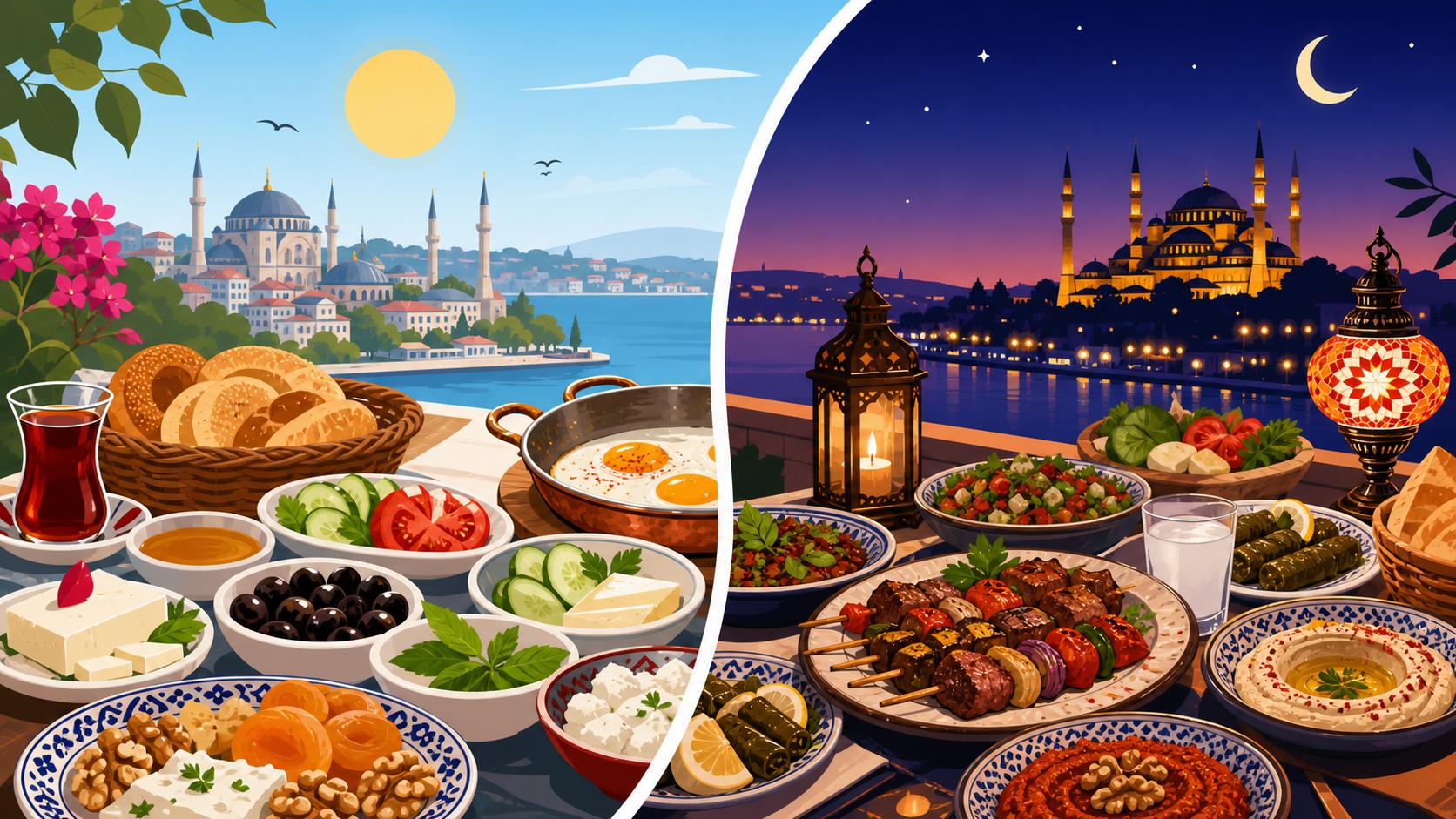
Turkish Dining Culture: Lavish Breakfast Spreads (Kahvaltı) and Late Dinners
Starting a new life in Turkey often means your first major culture shock happens at 10:00 AM over a table covered in thirty tiny plates. I remember my first week in Istanbul, staring at a dish of honey and clotted cream, wondering if I was supposed to eat it with the olives or the cucumbers. This guide deciphers the complex, beautiful, and often exhausting world of Turkish dining culture to help you navigate every meal like a seasoned resident.
The Turkish Breakfast (Kahvaltı) Ritual
The word "Kahvaltı" literally translates to "under-coffee," referring to the meal you eat before you're ready for that first strong hit of Turkish coffee. Unlike the grab-and-go cereal or toast culture in the West, the Turkish breakfast is a multi-hour commitment, usually reserved for the weekends but practiced in smaller forms every day. When you first move into a new neighborhood, perhaps even a managed apartment through Blueground, you will quickly notice that the local "fırın" (bakery) is the heart of the community every morning.
The Components of a Serpme Kahvaltı
The "Serpme" breakfast is the full-throttle version of the meal, where the table is literally "scattered" with small plates. You will find a standard array that includes at least three types of olives (green, black, and often scratched or marinated), sliced tomatoes, and crisp cucumbers. Then comes the cheese—usually a salty white cheese (beyaz peynir), an aged yellow cheese (kaşar), and perhaps a stringy or braided variety from the East.
Don't ignore the "Bal-Kaymak." This combination of honey and thick clotted cream is the crown jewel of the spread. You spread a bit of each on a piece of fresh bread or "simit" (the sesame-crusted bread rings sold on every corner). If you are hosting a breakfast at home and need specific serving platters to impress your new local friends, you can easily find traditional and modern sets on Amazon Turkey to complete your table setting.
Tea Culture: The Unlimited Fuel of the Morning
The most important thing to understand about a Turkish breakfast is that coffee is not the star—tea (çay) is. It is served in small, tulip-shaped glasses and is replenished constantly. In a restaurant, the waiter will often bring a new glass before you’ve even finished your last one. This is part of the hospitality; an empty glass is a sign of a neglected guest.
If you're out at a popular breakfast spot and need to check the menu or your location, having a reliable data connection through Airalo is essential, as public Wi-Fi in some older "meyhanes" or breakfast gardens can be spotty. The tea is brewed in a double teapot (çaydanlık), with the strong tea on top and hot water on the bottom, allowing you to customize the strength. For an expat, learning to say "açık çay" (weak tea) might save you from a caffeine-induced tremor during your first few months.
Regional Varieties From Van to the Aegean
Not all breakfasts are created equal. The "Van Kahvaltısı" is the most famous, originating from the eastern city of Van. It features unique items like "otlu peynir" (cheese with wild herbs) and "murtuğa" (a flour and egg scramble). If you find yourself living on the coast, the Aegean breakfast will lean heavily into green herbs, olive oils, and a variety of local jams—sometimes even tomato or eggplant jam.
Navigating these regional menus can be tricky if you aren't fluent yet. You might want to brush up on Essential Turkish Phrases for the Doctor: Communicating Symptoms Effectively just in case you overindulge in some of the spicier regional dishes. While it's rare to get sick, the sheer volume of food in a regional spread can be a shock to a stomach used to a simple bowl of oatmeal.
Navigating the Social Etiquette of Turkish Dining
Dining in Turkey is rarely just about the food; it is about "sohbet" (conversation). If you expect a quick 45-minute dinner before heading to the cinema, you are in for a surprise. Waiters will rarely bring the bill unless you specifically ask for it, because "rushing" a guest is considered extremely rude.
The Art of the Long Meal
In Turkey, the table is a sacred space for bonding. Whether it's a business lunch or a family dinner, the pace is slow. I’ve sat through dinners that lasted five hours, where the main course didn't even arrive until hour three. This can be frustrating for expats who are used to efficiency. However, once you embrace the slow pace, you’ll find it’s the best way to integrate into the culture.
If you are staying in a high-end Blueground property in a district like Nişantaşı or Bebek, you’ll find that the local restaurants are extensions of people's living rooms. People come to talk, argue, laugh, and occasionally break into song. It's helpful to have your phone ready with an Airalo eSIM so you can look up cultural references or translate a particularly poetic toast in real-time.
Paying the Bill: The Generosity Tug-of-War
One of the most stressful experiences for a foreigner is the "bill dance." In Turkish culture, the host pays. Period. If a Turkish friend invites you out, they fully intend to pay for everything. Attempting to split the bill "Alman usulü" (German style) is often met with genuine resistance and can even be seen as an insult to the host's hospitality.
If you want to contribute, your best bet is to say, "The next one is on me," and actually mean it. For those moving to Turkey for the long term, understanding your budget is key to managing these social expectations. You can read more about Healthcare Budgeting: Understanding Copays, Tariffs, and Billing in Turkey to see how other costs compare to your social spending. Generally, dining out is affordable, but the frequent "hosting" can add up.
Smoking and Socializing in Restaurants
Despite strict indoor smoking bans, Turkey has a massive smoking culture, and many restaurants have "outdoor" sections that are fully enclosed with retractable glass. If you are sensitive to smoke, you need to be very specific when booking a table. Ask for a "sigarasız alan" (non-smoking area), though be aware that in many traditional "meyhanes," the smoke is as much a part of the atmosphere as the music.
| Meal Type | Peak Start Time | Duration | Key Feature |
|---|---|---|---|
| Breakfast (Kahvaltı) | 10:00 AM | 2-3 Hours | Unlimited Tea & Small Plates |
| Lunch (Öğle Yemeği) | 1:00 PM | 1 Hour | Quick "Esnaf Lokantası" Style |
| Dinner (Akşam Yemeği) | 8:00 PM | 3-5 Hours | Mezes & Slow Conversation |
| Night Soup (Çorba) | 12:00 AM | 30 Mins | Lentil or Tripe Soup after Rakı |
Late Dinners and the Culture of Rakı Sofrası
Dinner in Turkey usually starts much later than in Northern Europe or the US. It’s common to see families, including young children, sitting down for a full meal at 9:00 PM or even 10:00 PM. The most iconic version of this is the "Rakı Sofrası" (The Rakı Table).
The Meze Tradition: Small Plates, Big Impact
The dinner begins with mezes. These are small appetizers, but unlike the breakfast plates, these are often complex, cooked dishes. You’ll see "Haydari" (thick yogurt with herbs), "Fava" (mashed broad beans), and "Atom" (spicy peppers in strained yogurt). If you're trying to recreate these at home, Amazon Turkey is a great place to find specialized kitchen tools like granite mortars or high-speed blenders to get that perfect yogurt consistency.
The mezes are meant to be eaten slowly, accompanied by sips of Rakı. Usually, people will order 5-10 different mezes for the table to share. If you are new to the country, you might want to check How to Register Your Address with the Local Sağlık Ocağı (Health Clinic) just in case you discover a previously unknown allergy to one of the many herbs used in these dishes.
Drinking Etiquette: The Lion's Milk (Rakı)
Rakı is the national drink—an anise-flavored grape brandy that turns milky white when water is added, hence the nickname "Lion's Milk." There is a strict etiquette to drinking it. You don't take shots; you sip it slowly. You must always clink the bottom of your glasses together if you are clinking with someone you respect.
Drinking Rakı is about the conversation, not the intoxication. If you start getting too drunk too quickly, it's considered "ayıp" (shameful). The food helps absorb the alcohol, so you should always have a piece of white cheese or a melon slice between sips. For those who don't drink alcohol, "Şalgam" (fermented black carrot juice) is a popular, albeit polarizing, alternative that locals swear by for digestion.
Main Courses and the Night Soup
After several hours of mezes, the "Ara Sıcak" (hot starters) like fried calamari or grilled liver arrive. Only after all of this does the main course appear—usually grilled fish or lamb chops. By this time, it's often midnight. In cities like Istanbul, the night doesn't end there. It’s common to visit a "Çorbacı" (soup house) for a bowl of "Mercimek" (lentil) or "İşkembe" (tripe) soup to settle the stomach before heading home.
If you are living in a Blueground apartment in a central area, you’ll likely have several 24-hour soup spots within walking distance. This late-night culture is one of the most vibrant aspects of Turkish life, making the city feel safe and alive at all hours. Just make sure your Airalo data is active so you can call a taxi through local apps once the soup is finished.
Modern Conveniences for the Expat Kitchen
While dining out is a major part of the lifestyle, eventually you’ll want to cook at home. The Turkish kitchen is usually the largest room in the house, reflecting its importance. Even if you are in a temporary rental, you will find that the tools available to you are different from what you might be used to back home.
Sourcing Ingredients for Home Cooking
Turkish supermarkets like Migros or Carrefour are excellent, but for the best ingredients, you must go to the "Pazar" (weekly street market). This is where you find the freshest produce, often brought in directly from farms. For more "exotic" expat needs—like peanut butter, specific hot sauces, or imported baking supplies—Amazon Turkey has become an essential lifeline for the international community.
You can learn more about the logistics of daily shopping in our guide on Turkish Supermarkets Explained: The Difference Between Migros, Carrefour, Şok, and Bim. Understanding the hierarchy of shops will save you a lot of money and frustration. For instance, never buy your bread at a supermarket if there is a "fırın" nearby; the quality difference is immense.
Delivery Apps and the Convenience of Hemen
Turkey has one of the most advanced food and grocery delivery ecosystems in the world. Apps like Getir, Yemeksepeti, and Trendyol Go can deliver everything from a single bottle of water to a full kebab dinner in under 20 minutes. This is particularly useful when you are first settling in and haven't yet mastered the Essential Turkish Phrases for the Dentist: Explaining Pain and Sensitivities or the doctor, and you just need some comfort food delivered to your door.
Most of these apps allow you to track your delivery in real-time. Having an Airalo connection ensures you can communicate with the delivery driver (kurye) if they have trouble finding your building—a common occurrence in the winding streets of Istanbul or Ankara.
Setting Up Your Kitchen: Essentials for the Turkish Home
If you've moved into a long-term unfurnished place, you'll need the basics. A "Çaydanlık" (double teapot) and a "Cezve" (Turkish coffee pot) are non-negotiable if you want to host locals. You can find high-quality versions of these on Amazon Turkey that will last for years.
Furthermore, many Turkish apartments use bottled gas for cooking. Learning how to order a new "tüp" (gas canister) is a rite of passage for any expat. If you prefer a more seamless experience without the hassle of utility setups, choosing a furnished provider like Blueground can bypass these administrative hurdles entirely, as they handle the utility connections and provide a fully equipped kitchen from day one.
Practical Tips for Dining Out as a Foreigner
To truly enjoy the Turkish dining scene, there are a few practicalities you should keep in mind. These "insider" tips will help you avoid the common pitfalls that tourists often face.
Understanding Kuver and Service Charges
When the bill arrives, you might see an entry for "Kuver." This is a standard cover charge that usually covers the bread, water, and basic spreads brought to the table automatically. It is not a tip. In addition to the kuver, some high-end restaurants now add a 10% "Servis Ücreti" (service fee).
Tipping in Turkey is appreciated but not as aggressive as in the US. If there is no service fee, a 10% tip left in cash is standard. For more on the financial side of living here, see our Healthcare Budgeting: Understanding Copays, Tariffs, and Billing in Turkey article, which touches on how service costs are handled across various industries.
Finding English-Speaking Staff and Menus
In tourist hubs like Sultanahmet or central Bodrum, English menus are everywhere. However, the best food is often found in places where only Turkish is spoken. Don't let this intimidate you. Most waiters are incredibly patient and will help you order by pointing at the display case (common in meze restaurants).
Using a translation app via your Airalo data can help, but a few basic words go a long way. "Elinize sağlık" (health to your hands) is the polite way to thank the chef or the host after a meal. It's a phrase that immediately earns you respect in any Turkish establishment.
Table Manners and Respecting Local Traditions
While Turkey is quite liberal in its major cities, certain table manners remain important. For example, blowing your nose loudly at the table is considered extremely offensive. If you need to do so, head to the restroom. Also, it is common for the eldest person at the table to be served first and to start eating before others.
If you are invited to a local home, it’s polite to bring a small gift, like a box of "baklava" or "lokum" (Turkish delight) from a reputable shop like Karaköy Güllüoğlu. Avoid bringing alcohol unless you are 100% sure the family drinks it. If you're staying in a Blueground apartment, you can even host your own dinner party to practice these customs in a comfortable environment.
Summary of Dining Expectations for Expats
Navigating the dining culture in Turkey is one of the most rewarding parts of the expat journey. From the sun-drenched breakfast gardens of the Bosphorus to the hidden "esnaf lokantaları" (tradesmen restaurants) in the backstreets of Izmir, the food is a gateway to the heart of the country.
By understanding the slow pace, the emphasis on hospitality, and the rituals of the "sofra," you move from being a mere observer to a participant in Turkish life. Whether you are ordering a quick "lahmacun" on a busy workday or spending six hours at a fish restaurant, remember that the food is just the excuse for the connection.
For those still planning their move or newly arrived, check out our other guides like Finding Medical Care in Turkey: Public Hospitals vs JCI-Accredited Clinics or Emergency Medical Care in Turkey: Dialing 112, Ambulances, and Triage to ensure you have all your bases covered while you explore the culinary wonders of your new home.
Disclaimer
The information provided in this guide is for informational purposes only and based on personal expat experiences and current cultural trends in Turkey. Regulations, prices, and cultural norms can change. Always verify specific details with local authorities or professional advisors when making significant lifestyle or legal decisions.