Living in Turkey as a Foreigner: The Ultimate Starter Guide (2027)
You’ve just landed in Istanbul, your suitcases are heavy, and the sheer volume of upcoming paperwork feels like trying to climb Mount Ararat in flip-flops. I spent my first three months in Turkey chasing stamps and "missing" documents, feeling utterly defeated by the system more than once. This guide simplifies that chaos, providing a realistic roadmap for your new life.
Navigating the Turkish Residency Maze
The most daunting hurdle you will face as a new arrival is securing your legal right to stay. Gone are the days when a simple "touristic" residence permit was handed out like candy at the airport. In 2026, the Turkish Migration Office (Göç İdaresi) has tightened the screws significantly, requiring much more robust documentation than a simple bank statement and a smile. If you are planning to stay beyond the standard 90-day visa-free period, you need to understand that the Turkish Residence Permits (Ikamet): The Complete Application Guide (2027) is your new bible.
Choosing the Right Permit Type
When I first arrived, I assumed "one size fits all." It doesn’t. You have to be surgical about which permit you apply for. If you have purchased property worth over $200,000, you are eligible for the real estate permit, which is currently the most stable route. For those working remotely, the newly popularized Digital Nomad Visa has become a godsend, provided you can prove a steady income from abroad. However, many still try for the short-term touristic permit. Be warned: in 2026, these are frequently denied unless you provide a very detailed travel plan or a valid reason for staying that isn't just "I like the coffee."
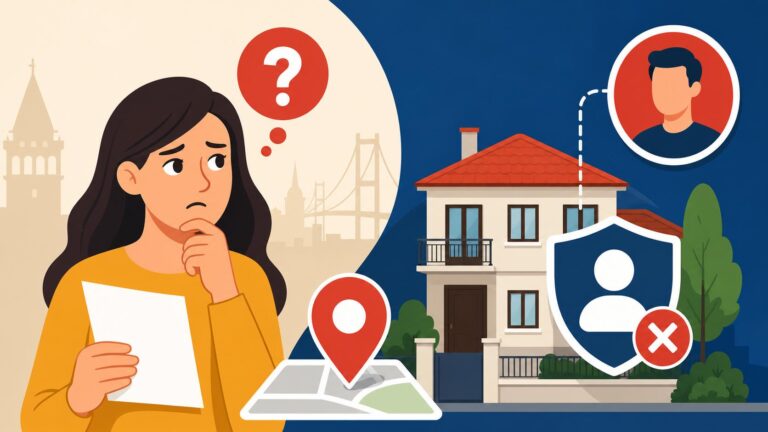
You also need to be acutely aware of Navigating Closed Neighborhoods: A Guide to Areas Where Foreigners Cannot Register. If you sign a lease in a district where the foreigner-to-local ratio has exceeded 20%, your residency application will be rejected automatically. Many expats lose their deposits because they didn't check the "closed neighborhoods" list before signing a contract. Always verify the status of your specific mahalle (neighborhood) through the e-Devlet system or a trusted consultant before handing over any cash.
The e-Ikamet Application Workflow
The process starts online at the e-Ikamet website. It looks like a relic from the early 2000s, but it is the only way in. You will fill out your personal details, insurance information, and address. Once you hit submit, the system will generate a "randevu" (appointment) date. This date is your legal shield; as long as your appointment is pending, you are legally allowed to remain in Turkey even if your original visa expires.
During the actual interview at the Göç İdaresi, the atmosphere can be tense. I remember sitting in a plastic chair in the Fatih district office for four hours, clutching a pink folder. You must have every document translated and notarized. If a clerk asks for a document you don't have, don't argue. Take the "missing document" paper they give you, which usually grants you 30 days to return with the correct paperwork. This is why having a local friend or a translator is worth their weight in gold during those first few months.
Managing Rejections and Address Checks
In 2026, the government has stepped up "tahkikat" or police address checks. This means the police might actually knock on your door to see if you really live where you say you do. If they visit and you aren't home, or if your neighbors tell them they’ve never seen you, your permit could be canceled. New expats are well advised to introduce themselves to the "Kapıcı" (the building manager) early on. They are the eyes and ears of the street and can confirm your residency to the authorities.
If your permit is rejected, do not panic, but do act fast. You usually have 10 days to leave the country. At this point, many expats choose to file a lawsuit to stay the deportation, but this is expensive and slow. The best way to avoid this is to ensure your Address Registration (Nüfus): The Most Critical Post-Arrival Step for Foreigners is completed immediately after you get your card. Without that Nüfus registration, your residency card is essentially a piece of useless plastic in the eyes of many government departments.
Finding Your Home: Renting and Neighborhoods
Finding a place to live in Turkey is a high-stakes game of speed and intuition. The market in 2026 is still reeling from high inflation, meaning prices can fluctuate wildly from one month to the next. You aren't just looking for a flat; you are looking for a landlord who won't try to double the rent in six months. This is where companies like Blueground come in handy; they offer fully furnished, high-quality apartments with flexible terms, which is a lifesaver for those who want to avoid the "Sahibinden" (local Craigslist) stress while they find their feet.
Istanbul, Antalya, or Izmir?
Deciding where to plant your roots is a deeply personal choice. Istanbul is the pulsating heart of the country, offering endless culture but also soul-crushing traffic and higher costs. If you want the "big city" life, you’ll likely look at Kadıköy on the Asian side or Beşiktaş on the European side. For those seeking a slower pace, Antalya and Izmir offer a Mediterranean lifestyle that is hard to beat. You should consult a guide on the Best Cities in Turkey for Expats: Comparing Istanbul, Izmir, Ankara, and Antalya to see which vibe matches your remote work or retirement goals.
I personally started in Istanbul but eventually found myself gravitating toward the Aegean coast for the air quality and the pace. However, keep in mind that coastal towns can feel like ghost towns in the winter. If you are moving with a family, Istanbul or Ankara are usually better bets due to the concentration of international schools and high-end medical facilities.
Understanding Rental Contracts and Deposits
When you find a place, you will encounter the "Emlakçı" (real estate agent). In Turkey, the standard fee is 12% of the annual rent plus VAT. This, combined with a deposit (usually two months' rent) and the first month's payment, means your move-in costs are quite high. Make sure you read the Renting in Turkey: Lease Contracts, Deposits, and Tenant Rights Explained before you sign anything. One of my biggest mistakes was not insisting on a notarized contract from day one; without that notary stamp, you cannot use the contract for your residency application.
In 2026, it is also vital to include a clause about the "TÜFE" (inflation) rate. Turkish law limits how much a landlord can increase rent for existing tenants, but many landlords will try to bypass this. Having a clearly written, notarized contract is your only real protection against sudden eviction attempts. Also, check if the "Deprem" (earthquake) insurance, known as DASK, is up to date. It is mandatory, and you won’t be able to get your utilities turned on without it.
The Concept of Aidat and Apartment Life
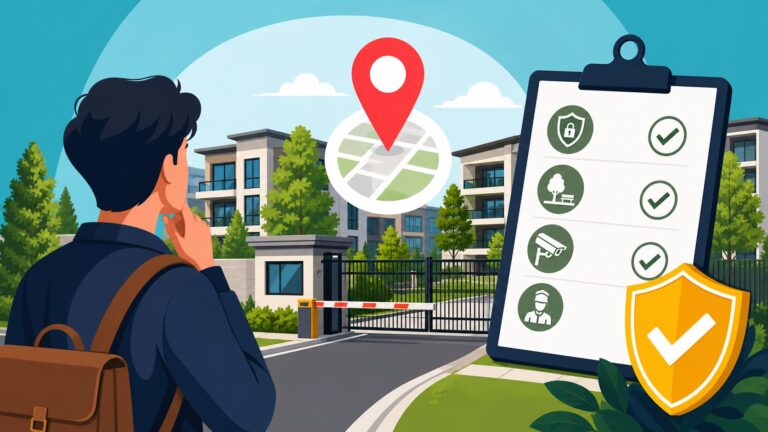
Beyond your rent, you will pay "Aidat." This is a monthly maintenance fee for your building or complex (site). In a simple building, it might just cover hallway cleaning and the elevator. In a luxury "site," it covers 24/7 security, gym access, and pool maintenance. It has been observed that Aidat fees in 2026 reach levels that rival actual rent prices in smaller cities. Always ask for the Aidat amount before you agree to a lease.
Living in a Turkish apartment is a social experience. People will know who you are. You will smell what your neighbors are cooking for dinner (usually delicious). You might hear the "Eskici" (old-goods buyer) shouting in the street or the "Boza" seller in the winter. It’s vibrant and loud, which is a far cry from the sterile suburbs of Northern Europe or North America. If you value absolute silence, you might want to look for a "müstakil" (detached) house, though these are rare and expensive in city centers.
Banking and Financial Integration
Handling money in Turkey requires a bit of a mental shift. We are currently operating in a high-inflation environment, which means the price of a liter of milk today might be different next Tuesday. While this sounds scary, most expats earning in foreign currency actually find their purchasing power remains quite strong, provided they manage their exchanges wisely.
Opening Your First Bank Account
Opening a bank account as a foreigner can be hit or miss. Some branches of Garanti or İş Bankası will be very helpful, while others will tell you they "don't open accounts for foreigners" simply because they don't want to deal with the paperwork. You will need your Tax ID (Vergi Numarası), which you can get online in five minutes, your passport, and a translated utility bill or a residency card. For more details, check Opening a Bank Account in Turkey: Rules for Expats, Tourists, and Investors.
It is wise to have at least two accounts: one with a traditional Turkish bank and one with a digital-friendly option. This ensures that if one card gets swallowed by an ATM (it happens!), you aren't left stranded. Also, make sure you enable "mobile banking" immediately. The banking apps in Turkey are actually lightyears ahead of many Western banks, allowing you to pay everything from your water bill to your traffic fines with a few taps.
Handling the High Inflation Environment
To thrive financially, you have to stop thinking in Lira for long-term savings but start using Lira for daily transactions. I use Amazon Turkey for many of my household purchases because their pricing is often more stable and transparent than the local high-street shops. Keeping your bulk savings in a stable currency (USD, EUR, or Gold) and only converting what you need for the month is a classic expat survival strategy.
In 2026, many locals and expats have also turned to "Kur Korumalı" accounts or gold-linked accounts to hedge against the Lira's volatility. While I’m not a financial advisor, I’ve learned that keeping too much Lira in a standard checking account is a recipe for losing value. Use it, don't hold it.
Managing International Transfers
Getting money into the country is easier than it used to be, but it still has its quirks. SWIFT transfers to Turkish banks can be slow and expensive. Many of us use apps like Wise or Remitly to move small amounts. However, for larger sums—like a house purchase or a business investment—you will need to go through the traditional banking system and ensure you get a "Döviz Alım Belgesi" (Foreign Exchange Document). This document is legally required if you are using that money for immigration purposes or property title deeds.
| Expense Category | Estimated Monthly Cost (2026 – USD) | Notes |
|---|---|---|
| Mid-range Rent (1+1 Istanbul) | $800 – $1,200 | Depends heavily on the district. |
| Utilities (Electric, Water, Gas) | $80 – $150 | Higher in winter due to heating. |
| Aidat (Maintenance) | $30 – $150 | Complexes with pools are pricier. |
| Groceries (Single Person) | $250 – $400 | Shopping at local pazars saves money. |
| Fiber Internet (100 Mbps) | $20 – $30 | Requires residency for best rates. |
| Dining Out (Mid-range) | $15 – $25 per meal | Includes "Meze" and a main course. |
Health and Medical Systems for Expats
One of the biggest pleasant surprises for most expats is the quality of healthcare in Turkey. The country remains a global hub for medical tourism, and as a resident, you have access to that same world-class infrastructure. However, navigating the "Public vs. Private" divide is crucial.
SGK vs. Private Health Insurance
Once you have been a resident for one year, you are eligible to opt into the SGK (Sosyal Güvenlik Kurumu), which is the state insurance. It’s surprisingly comprehensive and covers pre-existing conditions, which most private policies do not. However, the public hospitals can be crowded, and you’ll need a fair bit of Turkish to navigate them. You can read more in Healthcare in Turkey for Foreigners: Complete Expat Guide (2027).
Most of us start with private health insurance because it’s a requirement for the residence permit. These "Ikamet-only" policies are cheap but offer very limited coverage—usually only for emergencies and inpatient care. For real peace of mind, many expats upgrade to a comprehensive private policy that allows them to visit top-tier hospitals like Acıbadem or American Hospital without breaking the bank. For daily aches and pains, I suggest learning some Essential Medical Turkish: Vocabulary for Explaining Symptoms to Doctors so you can communicate with the local pharmacist.
Finding Doctors and Hospitals
In the major cities, you will have no trouble finding English-speaking doctors. Many of them have studied abroad and are very comfortable with international patients. In private hospitals, there is often a "Foreign Patient Coordination" desk that can provide a translator to follow you from the blood test to the doctor’s office.
If you are living in a more rural area or a smaller coastal town, you will rely more on the "Sağlık Ocağı" (Family Health Center). These are local clinics where you can get basic prescriptions, vaccinations, and blood tests for free or a very small fee. You need to register your address there once you get your residency card. It’s a great way to handle the "small stuff" without spending a whole day at a large hospital.
Pharmacies and Local Medications
The Turkish "Eczane" (pharmacy) system is fantastic. Pharmacists here are highly trained and can often provide medical advice for minor ailments, saving you a trip to the doctor. Most medications are sold under their chemical names or local brand names. If you are looking for common items, Amazon Turkey can be a good source for non-medicinal health supplies, but for anything with an active ingredient, you must go to a physical pharmacy.
Remember that Turkey has "Nöbetçi Eczane" (Night/Duty Pharmacies). On Sundays and after 7 PM on weekdays, only one or two pharmacies in each district stay open. You can find out which one is "on duty" by looking at the sign in the window of any closed pharmacy or checking a local app. It’s a bit of a tradition for expats to wander the streets on a Sunday night looking for the glowing red "E" sign!
Connectivity and Communications
Turkey is incredibly well-connected, but the government has some of the strictest mobile phone regulations in the world. If you bring a phone from home, pay close attention to this section, or you will find yourself with a very expensive paperweight within 120 days.
The Infamous IMEI Registration Rule
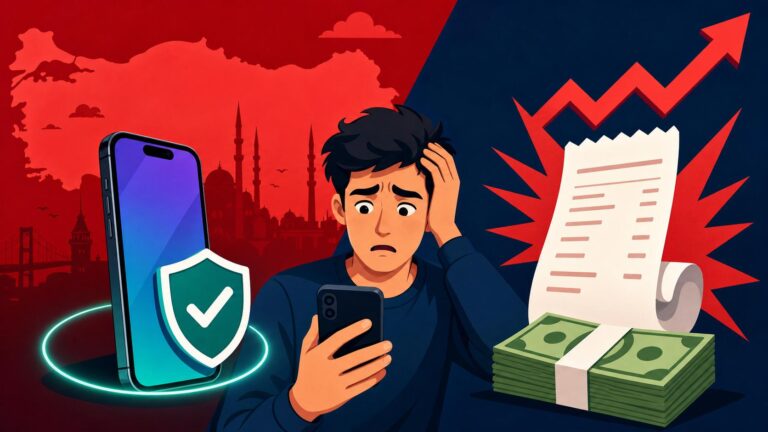
Turkey uses a system where every mobile phone's unique IMEI number must be registered with the government. If you insert a Turkish SIM card into a foreign phone, a countdown timer starts. After 120 days, the phone's communication functions will be blocked. To "unblock" it, you have to pay a staggering tax, which in 2026 has reached levels that make buying a new phone locally more sensible. You should definitely read The Turkey IMEI Rule: How to Register Foreign Phones in 2026 to understand your options.
Many expats choose to carry two phones: a cheap Turkish one for calls and as a hotspot, and their "good" foreign phone for everything else via Wi-Fi. If you are just visiting or have just arrived, I highly recommend using Airalo for an e-SIM. It allows you to get data immediately upon landing without having to deal with the overpriced "Tourist SIMs" sold at the airport. Airalo is also a great backup for when your home fiber inevitably goes down during a storm.
Home Internet and Fiber Challenges
Getting home internet is relatively straightforward once you have your residency card. Providers like Turk Telekom and Turkcell Superonline offer fiber connections in most urban areas.
If you are a digital nomad, you might find that using Blueground for your initial stay solves this problem, as their apartments come with high-speed internet already set up. If you are setting it up yourself, always ask your neighbors which provider is best in your specific building. In Turkey, one provider might have a fiber line to your front door while another only offers slow VDSL.
Mobile Plans and Staying Connected
Once you have your "99" (residency) number, you can switch from a tourist SIM to a resident contract. This will drop your monthly mobile bill by about 60%. Turkcell is generally considered to have the best coverage, especially if you plan on traveling to the mountains or the coast, while Vodafone and Türk Telekom often have more aggressive pricing.
Stay wary of "Data caps." While "unlimited" plans exist, they are often throttled after a certain point. I always keep an Airalo e-sim profile active as a secondary data source for those days when I'm working remotely from a café and the local Wi-Fi just isn't cutting it. It’s a small price to pay for professional reliability.
Daily Life, Logistics, and Shopping
Life in Turkey is lived on the streets and through apps. It is a country of contrasts, where you can buy handmade copper pots in a 500-year-old bazaar and then have a gourmet burger delivered to your door by a motorcycle courier in 15 minutes.
Master of the Turkish Kitchen: Supermarkets and Pazars
Shopping for food is an art form here. For your staples, you have the "Big Three" discounters: BİM, A101, and Şok. They are everywhere, cheap, and surprisingly good for basics. Migros and CarrefourSA offer more international products and a better shopping experience but at a higher price point. For a detailed breakdown, check the Cost of Living in Turkey 2026: Detailed Budgets for Singles and Families.
But the real heart of Turkish food culture is the "Pazar" (weekly market). Every neighborhood has a designated day where the streets are closed off, and farmers bring in fresh produce. It is louder, cheaper, and much higher quality than any supermarket. I’ve learned more Turkish at the pazar than in any classroom—mostly by arguing over the price of tomatoes or being called "Abla" (older sister) by the fruit sellers.
E-commerce and Delivery Apps
Turkey’s e-commerce scene is world-class. Amazon Turkey has become my go-to for everything from electronics to imported coffee beans, often offering next-day delivery. For everything else, there is Trendyol and Hepsiburada. You can buy a literal sofa or a pack of chewing gum and have it delivered to your door.
Then there are the delivery apps: Getir and Yemeksepeti. These are the lifeblood of the Turkish expat. Getir pioneered ultra-fast grocery delivery, and they are still the fastest. If you are sick or just lazy on a rainy Istanbul evening, being able to order a "Simit" and some "Peynir" (cheese) in under 10 minutes is a luxury you will quickly get used to. Just remember to tip your courier; they are the hardest-working people in the country.
Transport and Getting Around
You do not need a car in a major Turkish city. In fact, in Istanbul, a car is often a liability. The public transport system—comprising the Metro, Metrobus, Marmaray (the tunnel under the sea), and the iconic ferries—is excellent and affordable. You just need an Istanbulkart, which you can top up via an app.
For intercity travel, the "Otogar" (bus station) is your gateway. Turkish long-distance buses are legendary—think reclining seats, a steward serving tea and snacks, and frequent breaks at massive roadside service stations. If you’re in a hurry, the high-speed train (YHT) connects Istanbul, Ankara, and Konya, but you must book tickets weeks in advance as they sell out almost instantly.
Social Etiquette and Language Barriers
Finally, we come to the part that will actually make or break your experience: the people. Turks are famously hospitable, but there are unwritten rules that, if followed, will turn you from a "Yabancı" (foreigner) into a "Misafir" (guest).
Learning the Language: How Much is Enough?
You can survive in the expat bubbles of Kaş or Cihangir with only English, but you will never truly live here until you learn some Turkish. People's faces light up when you try to speak their language, even if you mangle the grammar. I recommend reaching at least an A2 level. It’s the difference between being able to explain a leak to a plumber and standing there pointing at a wet floor and crying.
The grammar is logical but "backwards" compared to English (it's an agglutinative language). Start with the basics: "Kolay Gelsin" (may it come easy to you) is a phrase you should say to anyone working—the waiter, the bus driver, the person sweeping the street. It is the magic key to Turkish social harmony.
Workplace and Social Norms
If you find yourself working in a Turkish environment, prepare for a lot of tea. Decisions are rarely made in formal meetings; they are made over small tulip-shaped glasses of çay. Hierarchy is important, and using titles like "Bey" (Mr.) and "Hanım" (Ms.) is standard.
Socially, the concept of "Ikram" (hospitality/offering) is huge. If a neighbor brings you food, do not return the plate empty. Fill it with something you’ve made—even if it’s just some cookies—and return it. This "plate exchange" is how friendships are cemented in Turkish apartment blocks. Also, always take your shoes off before entering someone's home. They will almost certainly provide you with "terlik" (slippers) that are three sizes too big, but you must wear them.
Making Friends and Finding Community
The expat community in Turkey is incredibly welcoming because we’ve all been through the same "Ikamet" fire. Facebook groups and WhatsApp communities are active, but don't limit yourself to other foreigners. Some of my best friends here are my local butcher and the woman who runs the vintage shop on my corner.
Turkey is a country that rewards patience and persistence. Things will go wrong. The power will go out. A document will be rejected. But then, someone will offer you a cup of tea, the sun will set over the Bosphorus, and you’ll realize there is nowhere else on earth you’d rather be.
Legal Disclaimer
This guide is for informational purposes only and reflects the personal experiences and research of the author. Turkish immigration laws, financial regulations, and tax codes are subject to frequent and sudden changes. You should always consult with a qualified legal professional, a certified public accountant, or the official websites of the Turkish Republic before making significant financial or legal decisions. No information in this article constitutes official legal or financial advice.