How to Find an English-Speaking Pediatrician in Kadıköy or Beşiktaş
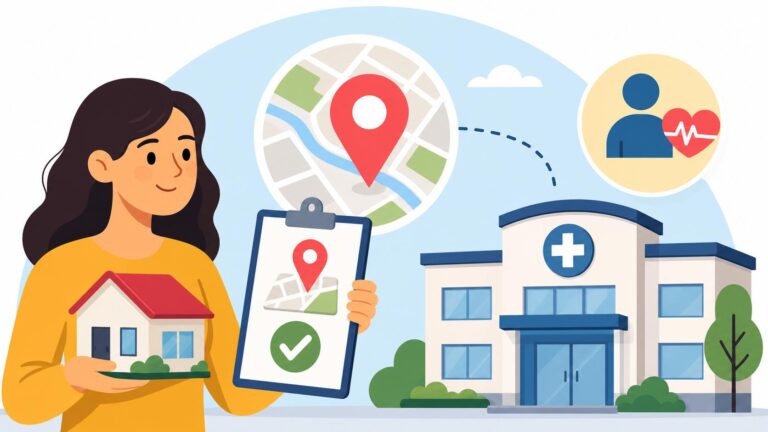
Finding a doctor who understands your child’s needs is stressful enough, but doing it in a foreign language while your little one has a 39-degree fever is a different level of panic. I remember sitting in a waiting room in Kadıköy, desperately trying to translate "ear infection" while my son screamed, feeling completely helpless. This guide solves that specific nightmare by pinpointing exactly where to find high-quality, English-speaking pediatricians in the Beşiktaş and Kadıköy districts.
The Reality of Pediatric Care in Istanbul’s Central Hubs
When you first arrive in Istanbul, the sheer scale of the healthcare system can feel overwhelming. You have public hospitals (Devlet Hastanesi), university hospitals, and a massive array of private medical groups. For most expats living in central areas like Beşiktaş on the European side or Kadıköy on the Asian side, the private sector is the go-to for pediatric care. This is not just about the luxury of shorter wait times; it is about the linguistic bridge.
In Turkey, the medical education system is rigorous, and many top-tier specialists have completed fellowships in the United States, the UK, or Germany. However, "speaking English" can range from basic medical terminology to full fluency. When it comes to your child’s health, you need the latter. You need a doctor who can explain the nuances of a treatment plan, not just someone who can say "antibiotic."
The neighborhoods of Beşiktaş (including Nişantaşı, Fulya, and Levent) and Kadıköy (specifically Moda, Fenerbahçe, and Bağdat Caddesi) are the gold mines for international-standard care. These areas house the city’s most prestigious private hospitals where English is often the second language of the staff. Understanding Family Health in Turkey: Pregnancy, Maternity Care, and Pediatrics starts with knowing which facility fits your family’s specific logistics and insurance profile.
Top English-Speaking Pediatric Options in Beşiktaş and European Istanbul
Beşiktaş is arguably the healthcare heart of Istanbul. It is home to some of the most famous hospitals in the country, many of which carry JCI (Joint Commission International) accreditation. If you are living in Beşiktaş, Ortaköy, or Bebek, you are within a ten-minute drive of world-class pediatricians.
One of the standout institutions is the American Hospital (Amerikan Hastanesi) located in Nişantaşı, just a stone's throw from the Beşiktaş border. This hospital was founded by an American doctor in 1920, and the culture of English-language service is baked into its DNA. Their pediatric department is massive, covering everything from routine check-ups to pediatric surgery. Most doctors here have international experience, and you will rarely find a staff member in the "International Patient Department" who isn't fluent in English.
Another heavy hitter in the Beşiktaş vicinity is Acıbadem Fulya. The Acıbadem group is one of the largest private healthcare providers in Turkey. Their Fulya branch is particularly well-regarded for its child-friendly environment. When navigating Finding Medical Care in Turkey: Public Hospitals vs JCI-Accredited Clinics, you'll find that places like Acıbadem offer dedicated "International Patient Centers" that can help you book appointments specifically with English-speaking doctors. They often accept premium international policies like Cigna Global, which can significantly reduce your out-of-pocket stress.
If you are looking for a more boutique experience, many pediatricians in Beşiktaş run private "muayenehane" (private practices). These are often located in high-end office buildings. The benefit of a private practice is the direct access to the doctor via WhatsApp—a very common and essential part of Turkish medical culture—but the downside is that they may not have the onsite diagnostic equipment of a major hospital.
Navigating Pediatric Care on the Asian Side: Kadıköy and Beyond
Kadıköy is the soul of the Asian side, and for expat families living in Moda or along the lush Bağdat Avenue, the healthcare options are equally impressive. The vibe in Kadıköy is often slightly more relaxed than the European side, but the medical standards remain peak.
Florence Nightingale Hospital in Kadıköy is a top choice for many foreigners. It is a modern facility with a robust pediatric wing. The doctors here are accustomed to the international community that resides in the nearby coastal neighborhoods. Similarly, the Acıbadem Kozyatağı branch serves the Kadıköy district and is famous for its pediatric oncology and neurology, though they handle routine pediatric care with equal excellence.
For those residing in the trendy Moda neighborhood, you might find that some of the best pediatricians are found in smaller private clinics. These doctors often spend more time with each patient compared to the fast-paced environment of a large hospital. It is quite common for these specialists to have trained abroad, and they are very comfortable discussing Childhood Vaccinations in Turkey: Navigating the Mandatory Public Schedule or developmental milestones in English.
If you are managing chronic issues or need specific pediatric supplements that are hard to find in local pharmacies (Eczane), many expats use services like iHerb to bridge the gap for international brands, though your local Kadıköy pediatrician will likely be able to recommend Turkish equivalents that are just as effective.
Booking Appointments and What to Bring
The Turkish healthcare system is highly digitized. While Turkish citizens use the MHRS system, foreigners with a residence permit can also access it. However, for private hospitals in Beşiktaş or Kadıköy, the easiest way to book is usually via the hospital’s own app or their international call center.
When you call, specifically ask for an "English-speaking pediatrician." Do not assume every doctor in a private hospital is fluent. Once you find a doctor you like, stick with them. The continuity of care is highly valued in Turkey.
Essential Checklist for Your First Appointment:
- Your Residence Permit (Ikamet): This is your primary ID. Without it, you will be billed as a "tourist," which is significantly more expensive.
- Passport: If you don't have an Ikamet yet, your passport is mandatory.
- Insurance Card: Whether you are using a local policy or an international one like Cigna Global, have your digital or physical card ready.
- Previous Records: If you are moving from abroad, have a digital copy of your child's vaccination history and past growth charts. You can eventually upload these to the Turkish system via Using e-Nabız: Accessing Your Medical Records on the Ministry of Health App.
| Hospital Name | District | Specialty / Perk | English Level |
|---|---|---|---|
| American Hospital | Beşiktaş/Nişantaşı | High-end, All Specialties | Native/Fluent |
| Acıbadem Fulya | Beşiktaş | Sports Medicine & Pediatrics | High |
| Liv Hospital | Beşiktaş/Ulus | Robotic Surgery & Children's Clinic | High |
| Florence Nightingale | Kadıköy | Modern, Full-Service | High |
| Acıbadem Kozyatağı | Kadıköy | Pediatric Sub-specialties | High |
| Central Hospital | Kadıköy/Kozyatağı | Budget-Friendly Private | Moderate |
Cultural Nuances: The "WhatsApp Doctor" and Home Visits
One thing that surprises many new expats is how accessible Turkish doctors are. Once you have an initial consultation with a pediatrician in Beşiktaş or Kadıköy, it is very common for them to give you their personal mobile number. In Turkey, it is culturally acceptable to send a quick WhatsApp message if your child develops a rash or has a reaction to a medication.
This level of access is a lifesaver, but use it respectfully. Don't be surprised if your doctor replies at 9 PM with advice. This direct line of communication is one of the biggest "pros" of the Turkish private medical system. It also helps when you need to navigate Pharmacies (Eczane) in Turkey: Prescriptions, Duty Hours, and Medications, as your doctor can often message the pharmacist directly or send you a photo of the prescription.
Another thing to note is that while home visits for pediatricians are becoming rarer in the age of massive medical complexes, there are "Eve Doktor" (Doctor to Home) services available in Beşiktaş and Kadıköy. These are private services where an English-speaking GP or pediatrician can come to your apartment for non-emergencies. This is particularly helpful if you have multiple sick children and don't want to navigate the Istanbul traffic.
Insurance and Cost Considerations
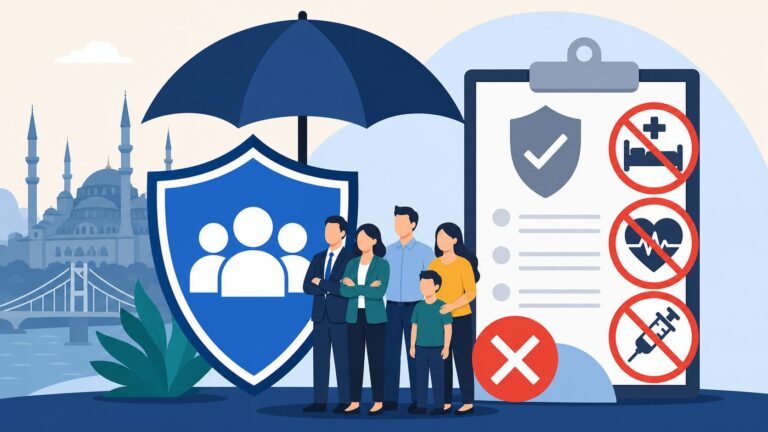
Budgeting for pediatric care is essential. If you are working for a Turkish company, you will likely have SGK, but this is primarily for public hospitals where English is scarce. For the high-end private hospitals in Beşiktaş and Kadıköy, you will want private coverage.
Understanding Health Insurance in Turkey: SGK Public System vs Private Coverage Explained is the first step in avoiding "bill shock." A routine pediatric consultation at a top-tier hospital like American Hospital can cost between 3,000 TL to 6,000 TL out-of-pocket (prices fluctuate with inflation). However, if you have a "complementary" or "private" policy, your co-pay might be as low as 150 TL or even zero.
If you do not have insurance yet, always ask for the "cash price" (nakit fiyatı) before the consultation. Some hospitals offer discounts for those paying out-of-pocket without insurance. For long-term peace of mind, many expat families choose a comprehensive plan from providers like Cigna Global, which covers the high costs of these premium Istanbul facilities. For routine vitamins, probiotics, or specialty diaper creams that your pediatrician might suggest, you can often find them at a local "Eczane," but many expats still prefer the variety on iHerb for specific organic brands.
Emergency Pediatric Care: Where to Go at 2 AM
If you find yourself in a situation that can't wait for a scheduled appointment, you need to know which ERs have pediatric specialists on-site 24/7. In Beşiktaş, the American Hospital and Acıbadem Fulya have excellent pediatric emergency departments. They have dedicated "Children's ER" entrances so your sick child isn't sitting next to adults with traumatic injuries.
In Kadıköy, the Acıbadem Kozyatağı branch is the most reliable for late-night emergencies. Before you rush out the door, it’s worth reading up on Emergency Medical Care in Turkey: Dialing 112, Ambulances, and Triage to understand how the "Acil" (Emergency) system works. In private hospitals, the triage system is usually very efficient, and as an English speaker, you will find that the night-shift staff in these central districts usually have a functional level of English.
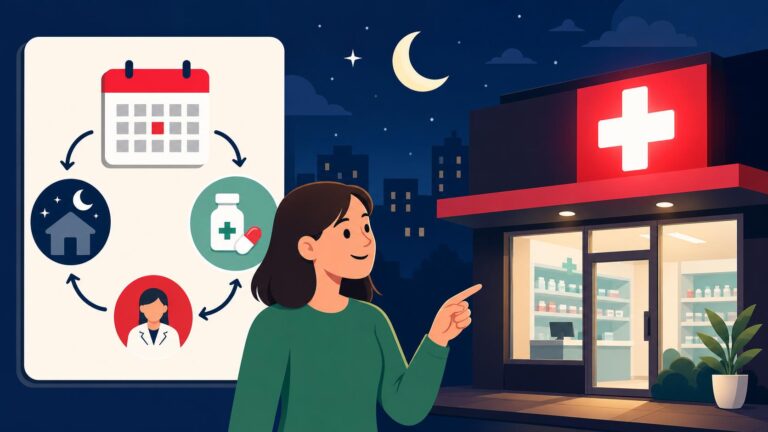
If you only need a medication and not a full ER visit, you will need to find the "Nöbetçi Eczane" (Duty Pharmacy). These rotate every night. You can find the nearest one in Beşiktaş or Kadıköy by looking at the sign in the window of any closed pharmacy or using a mobile app like "Eczane Bul." Having a pediatrician who speaks English means you can call them even at night to ask which "Nöbetçi" pharmacy might stock the specific medicine you need.
Final Advice for Expat Parents in Istanbul
The search for the perfect pediatrician often involves a bit of trial and error. Don't be afraid to switch doctors if you feel the communication isn't 100% clear. Istanbul is a city of millions, and the medical talent in districts like Beşiktaş and Kadıköy is world-class.
Once you find a doctor who explains things in a way that makes you feel confident, your experience of living in Turkey will transform. You’ll go from feeling like an outsider to feeling like a parent who has a "team" behind them. Whether you are navigating Healthcare Budgeting: Understanding Copays, Tariffs, and Billing in Turkey or just looking for the best place for a yearly check-up, the central districts are undoubtedly your best bet for English-language support.
Disclaimer
This guide is for informational purposes only and does not constitute medical or legal advice. Healthcare regulations and prices in Turkey change frequently. Always verify the current status of a doctor's credentials and the hospital's insurance agreements directly with the facility before seeking treatment. In the event of a life-threatening emergency, always dial 112 immediately.