Triage Colors in Turkish Emergency Rooms: Why You Might Be Waiting
Walking into a Turkish "Acil" at 2:00 AM can feel like stepping into a frantic, high-stakes theater where you do not know the script. I spent six agonizing hours in a plastic chair in a Kadıköy hospital once, watching patients who arrived after me get treated first while I nursed a painful but non-lethal injury. This guide demystifies the triage color system to help you understand exactly why you are waiting and how to navigate the system effectively.
The Architecture of Turkish Emergency Care
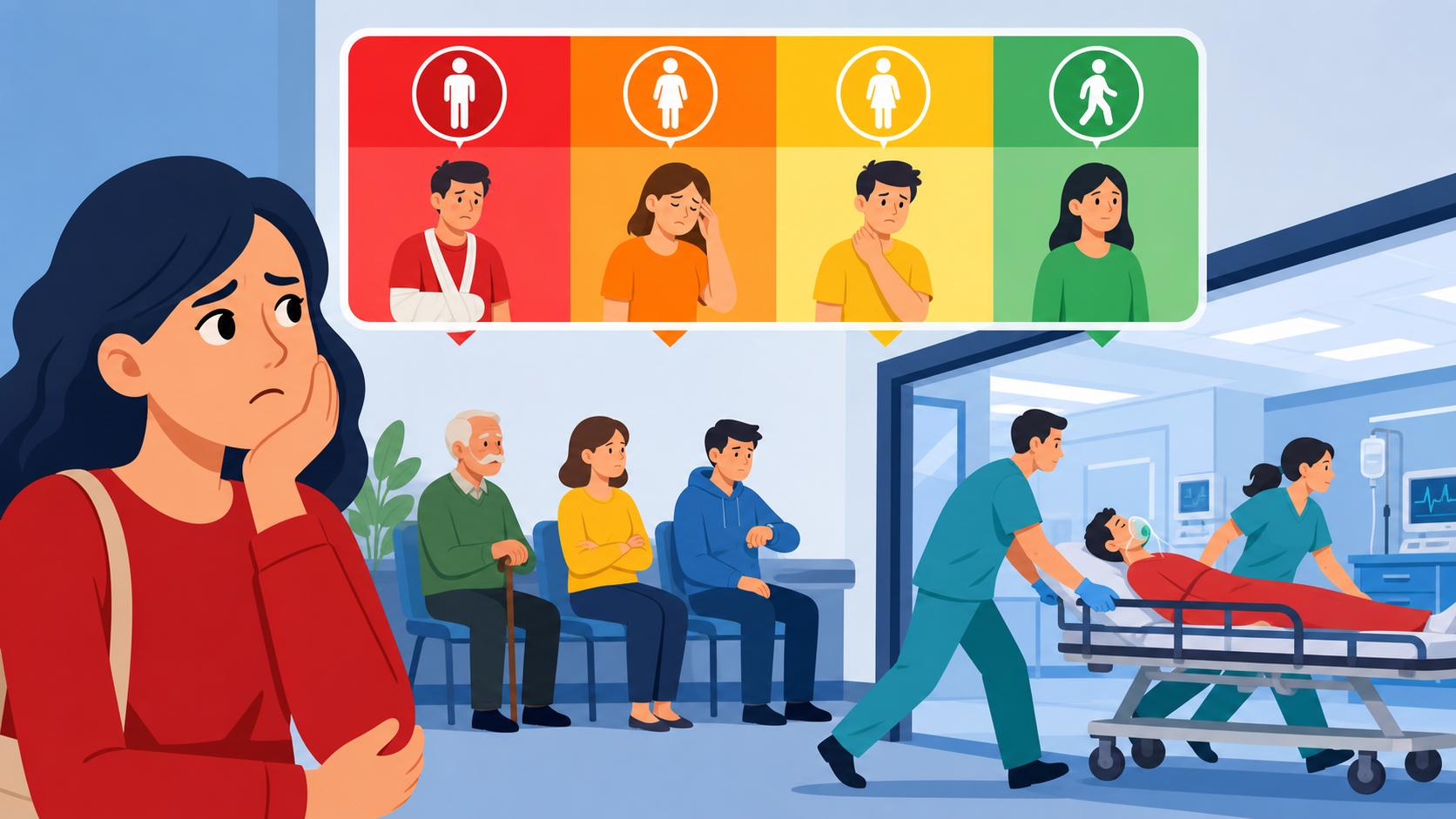
When you first enter the emergency department, known in Turkish as the Acil Servis, the environment can be overwhelming. In major cities like Istanbul, Ankara, or Izmir, the public hospitals (Devlet Hastanesi) are often packed to the rafters, while private facilities might feel calmer but still follow a strict protocol. The first person you will interact with is not usually a doctor, but a triage nurse. Their job is to perform a rapid assessment to determine where you fall in the hierarchy of care. This is a critical moment where your symptoms are categorized into one of three colors: Red, Yellow, or Green.
In my experience, many expats struggle because they expect a "first-come, first-served" approach. That simply does not exist in Turkish emergency medicine. The triage nurse is looking for specific physiological indicators—heart rate, respiratory effort, consciousness levels, and visible trauma. If you are standing, talking, and breathing clearly, you are almost certainly going to be placed in the Green or Yellow category. This is why understanding Emergency Medical Care in Turkey: Dialing 112, Ambulances, and Triage is so important; it prepares you for the reality that the loudest person in the room is not necessarily the one who gets the bed first.
The system is designed to maximize survival, not comfort. In a busy public hospital, the triage area is the gatekeeper. You will be asked for your Kimlik (ID) or passport immediately. If you have been proactive, you might already have your records updated on the Ministry of Health app, and being able to show your history Using e-Nabız: Accessing Your Medical Records on the Ministry of Health App can significantly speed up the intake process by giving the staff a clear picture of your medical background.
Breaking Down the Color Codes: Red, Yellow, and Green
The triage system is standardized across Turkey, but the way it is implemented can vary between a high-tech private clinic and a localized state hospital. Each color represents a specific window of time in which a patient must be seen. If you find yourself waiting, it is because someone with a more urgent color code has entered the building, perhaps through a separate ambulance entrance you didn't even see.
Red (Kırmızı): Immediate Life-Threatening Situations
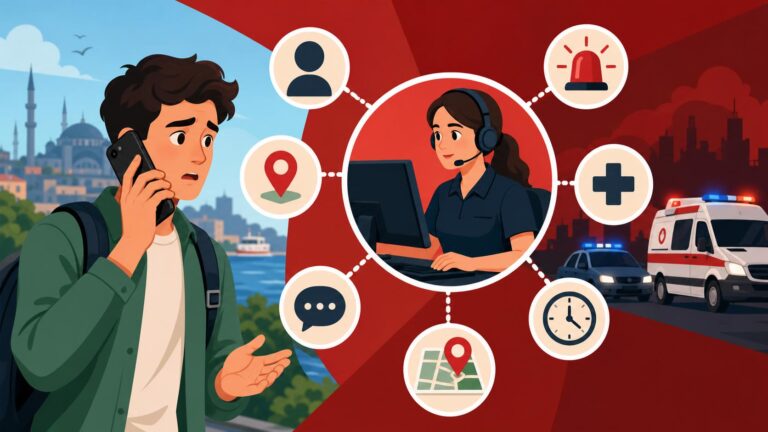
The Red zone is for patients who require immediate resuscitation or life-saving intervention. There is no waiting time for Red cases; they are wheeled straight into the trauma or stabilization rooms. This category includes cardiac arrest, major respiratory failure, massive hemorrhaging, or deep unconsciousness. If you arrived via ambulance after Calling 112 as a Foreigner: What Details the Dispatcher Will Ask You, the paramedics have likely already signaled the hospital to prepare for a Red-tier arrival.
As a bystander or a family member of a Red-tier patient, you will notice a sudden surge of staff and a total disregard for the queue. This is the system working exactly as it should. In these moments, the quality of your insurance, such as Cigna Global, becomes a secondary thought to the immediate medical expertise available. However, having premium coverage often ensures that once the "Red" crisis is stabilized, you can be transferred to a private suite with much higher comfort levels than the general ward.
Yellow (Sarı): Urgent but Stable
Yellow is the middle ground and often the most confusing for expats. This category is for patients whose condition could deteriorate if not seen within 20 to 60 minutes. Think of things like moderate breathing difficulties, intense abdominal pain that could be appendicitis, or a compound fracture where the bone has broken the skin but the patient is not bleeding out. You are in pain, you are scared, but you are stable.
The Yellow zone is where I spent most of my time during a bout of severe Food Poisoning in Turkey: When to Go to the ER vs Relying on a Pharmacy. I was dehydrated and vomiting, which felt like a life-or-death emergency to me, but the triage nurse correctly identified that I was stable enough to wait while a "Red" case was handled. In the Yellow zone, you will eventually be given a bed or a trolley, but you might still wait for several hours for blood test results or a specialist consult.
Green (Yeşil): Non-Urgent Care
The Green category is for minor injuries and illnesses—sore throats, mild rashes, sprains, or low-grade fevers. In Turkey, many locals use the "Acil" as a walk-in clinic after work hours because they cannot get a daytime appointment. This floods the Green zone with hundreds of patients. If you are tagged Green, be prepared for a wait that can last anywhere from two to six hours in a public hospital.
If you are a Green-tier patient, the staff will be polite but brief. This is a good time to use Essential Turkish Phrases for the Doctor: Communicating Symptoms Effectively to ensure you aren't downplaying your pain so much that you're forgotten, but also not exaggerating so much that you lose credibility. If your condition is truly "Green," it is often worth considering whether you can wait until morning to visit a private clinic where Private Health Insurance (Özel Sağlık Sigortası): Top Providers for Foreigners will cover a much more comfortable and faster experience.
| Triage Color | Turkish Name | Typical Conditions | Expected Wait Time |
|---|---|---|---|
| Red | Kırmızı | Cardiac arrest, major trauma, stroke | 0 minutes (Immediate) |
| Yellow | Sarı | Severe pain, broken bones, high fever | 20 – 60 minutes |
| Green | Yeşil | Sprains, minor cuts, cold/flu | 1 – 6 hours |
Navigating the Wait: Practical Tips for Expats
When you are sitting in that waiting room, the minutes feel like hours. The first thing to realize is that the "wait" is not just for the doctor, but for the "system." In Turkey, the ER is a hub of diagnostic activity. Once you are seen by a doctor, they will likely order blood tests or imaging (X-ray/CT). You aren't just waiting for the doctor to come back; you are waiting for the lab to process your results.
One thing that surprised me early on was the cultural expectation of having a "refakatçi" or a companion. In Turkish hospitals, the family does a lot of the non-medical legwork—getting water, finding a blanket, or checking with the desk for updates. If you are alone, the process can feel much more isolating. If you can, bring a friend. Not only for emotional support, but to help navigate the bureaucratic steps like paying the "contribution fee" at the vezne (cashier) if you are using SGK or out-of-pocket payments.
Communication is your best tool. If your pain spikes or you feel faint while waiting, do not just sit there suffering in silence. Go back to the triage desk and calmly explain that your condition has changed. Use simple Turkish: "Ağrım çok arttı" (My pain has increased a lot) or "Başım dönüyor" (I feel dizzy). This may trigger a re-evaluation of your triage color. However, avoid being aggressive; the staff are often overworked and dealing with a high volume of patients, and being the "angry foreigner" will rarely get you treated faster.
Insurance, Costs, and Aftercare
The financial aspect of a Turkish ER visit depends heavily on your status. For true emergencies (Red and some Yellow cases), public hospitals are mandated to provide care regardless of your ability to pay at that exact moment. However, for Green-tier cases, you will be expected to pay a fee if you do not have active SGK or a valid private policy. Many expats find that having a comprehensive plan like Cigna Global allows them to bypass the crowded public ERs entirely and head to private institutions like Acıbadem or Memorial, where the Green-tier wait is often less than thirty minutes.
After you are discharged, you will likely be given a "reçete" (prescription). Most hospital pharmacies are closed at night, so you will need to find the "Nöbetçi Eczane" (Duty Pharmacy) in your neighborhood. The hospital usually has a list posted near the exit. While the hospital provides the acute care, your long-term recovery is on you. I usually stock up on high-quality vitamins and supplements from iHerb to help my immune system bounce back after a hospital-grade infection or a heavy course of antibiotics prescribed in the ER.
Remember to keep every piece of paper the hospital gives you. From the triage slip to the lab results and the final invoice, these are essential for insurance reimbursement. If you are using international insurance like Cigna Global, they will often require a detailed medical report (Epikriz Raporu) which you must request before you leave the hospital. Once you're home and resting, you can also look into ordering health essentials from iHerb to ensure your recovery is supported by the best international products, as local pharmacy selections can sometimes be limited to specific brands.
The Cultural Nuance of the Turkish "Acil"
One final thing to keep in mind is the sheer humanity of the Turkish medical system. While it can seem chaotic, there is a deep sense of "yardımlaşma" (mutual aid). You will see strangers helping each other find the right department or sharing a seat in a crowded hallway. If you approach the situation with patience and a bit of a "we're all in this together" attitude, you will find the staff much more willing to go the extra mile for you.
The triage colors are there to keep people alive, but they are not a perfect science. They are a tool used by human beings in a high-pressure environment. By understanding why a child with a high fever (Yellow) is going in before your sprained wrist (Green), you can manage your own stress levels. Stay hydrated, keep your documents ready, and know that even if the wait is long, the medical training in Turkey is exceptionally high, and you are in capable hands.
Disclaimer
This guide is for informational purposes only and does not constitute professional medical or legal advice. Medical protocols and triage systems in Turkey may change; always follow the instructions of on-site medical professionals and the Ministry of Health. In a life-threatening emergency, dial 112 immediately.