A Step-by-Step Guide to Booking MHRS Appointments Without Perfect Turkish
Trying to navigate the Turkish healthcare system when you are feeling under the weather is stressful enough, but doing it in a language you haven't mastered yet feels like a genuine nightmare. I remember staring at the MHRS login screen for nearly an hour, terrified I would accidentally book a neurosurgeon instead of a general practitioner just because I couldn't decipher the dropdown menus. This guide provides a meticulous, step-by-step walkthrough of the Central Physician Appointment System (MHRS) to help you secure medical care without the linguistic headache.
Understanding the MHRS Ecosystem for Foreigners
The Merkezi Hekim Randevu Sistemi, or MHRS, is the backbone of the Turkish public healthcare infrastructure. It is the centralized portal used to book appointments at state hospitals (Devlet Hastanesi), dental centers (Ağız ve Diş Sağlığı Merkezi), and family health centers (Aile Sağlığı Merkezi). For those of us living here on a residence permit, this system is our primary gateway to subsidized or SGK-covered care. While the interface is primarily in Turkish, the logic behind it is quite consistent once you know where to click.
To even begin the process, you must have your Foreigner Identity Number, which starts with "99." Without this number, you are effectively invisible to the digital public health system. Many new arrivals try to use their passport numbers, only to be met with error messages. If you are still waiting for your physical card, you can often find this number on your residency application document. Understanding how this identity functions is vital, and you can learn more about its utility in our guide on The 99-Number: What Your T.C. Kimlik Number Gives You Access To in Daily Life.
One thing many expats realize quickly is that while public care is affordable, it can be crowded. This is why many of us supplement our local coverage with international plans from providers like Cigna Global to ensure we have access to private facilities when the public wait times are too long. However, for routine issues or required screenings, mastering the MHRS is a non-negotiable skill for life in Turkey. If you find the system overwhelming, having high-quality vitamins and minerals from a reliable source like iHerb can help maintain your baseline health, potentially reducing your need for frequent hospital visits.
Step by Step Online Booking via the MHRS Portal
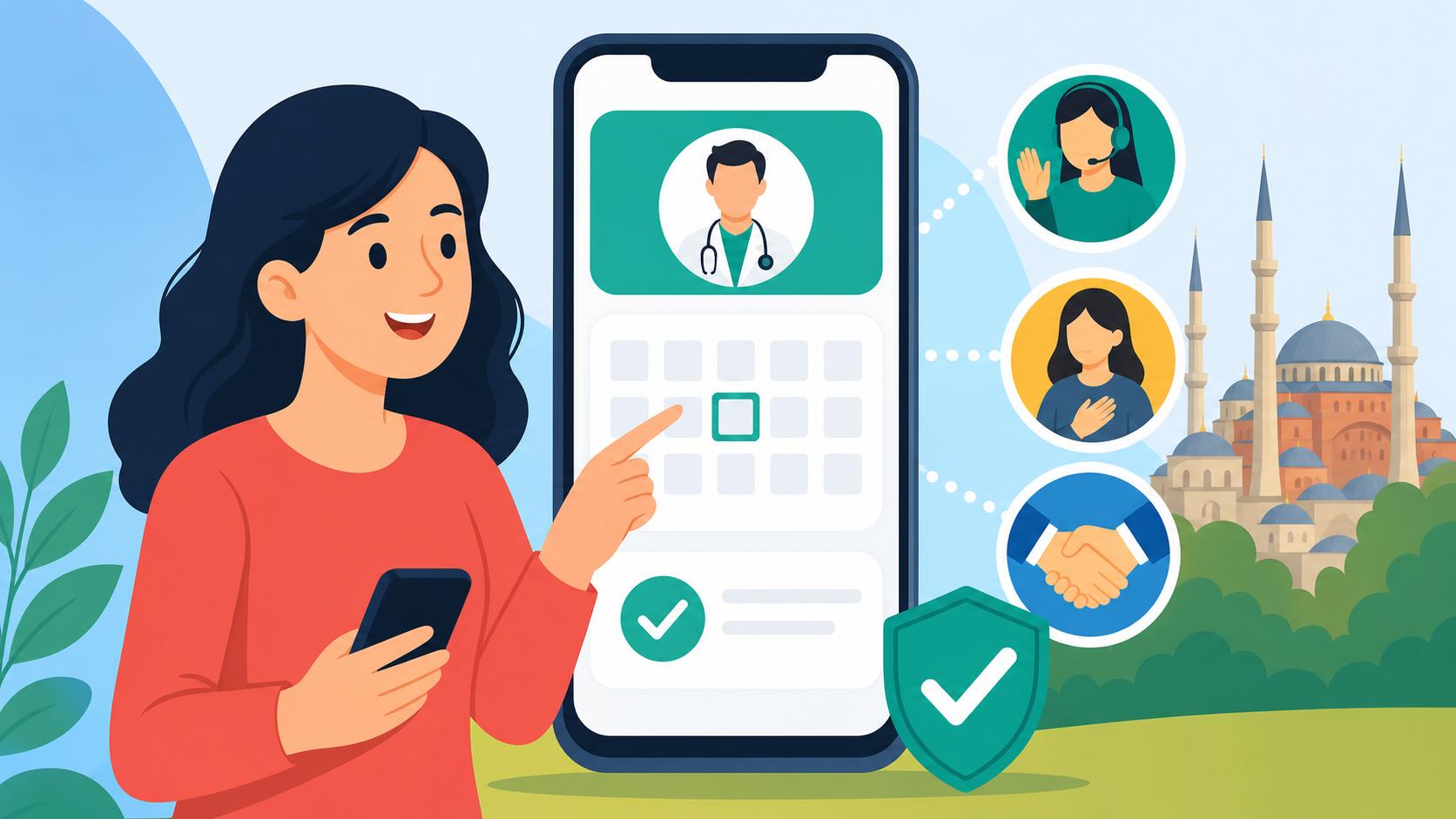
The most reliable way to book is through the official website (mhrs.gov.tr) or the mobile app. Most veterans recommend using a desktop browser because you can use auto-translate features, though these often garble medical terminology. The first hurdle is the login. You have two choices: "Giriş" (Login) using an MHRS-specific password or "e-Devlet ile Giriş." I highly recommend the e-Devlet route. It’s more secure and saves you the trouble of remembering yet another password.
Once you are in, you will face the "Randevu Al" (Get Appointment) dashboard. You need to decide between "Hastane Randevusu" (Hospital Appointment) or "Aile Hekimi Randevusu" (Family Physician Appointment). For general complaints, the family doctor is usually the faster route. However, if you need a specialist, you’ll click the hospital option. This brings you to a map or a list where you must select your province and district. If you live in a massive city like Istanbul, don't feel restricted to your immediate neighborhood; sometimes a hospital two districts away has an opening weeks earlier than the one next door.
After selecting the location, you must pick the "Klinik" (Clinic). This is where the Turkish language barrier usually hits the hardest. If you are looking for an eye doctor, you need "Göz Sağlığı ve Hastalıkları." If you have a skin issue, look for "Dermatoloji." It is helpful to have a list of these translations ready before you start clicking. While waiting for your appointment, keeping your immune system supported with products from iHerb is a proactive way to manage your well-being. Additionally, if you are worried about the complexities of public hospitals, having a policy with Cigna Global allows you to bypass these steps entirely by visiting English-speaking private clinics.
| Turkish Department Name | English Translation | Common Symptoms/Reasons |
|---|---|---|
| Dahiliye (İç Hastalıkları) | Internal Medicine | General illness, stomach issues, fatigue |
| Göz Sağlığı ve Hastalıkları | Ophthalmology | Vision problems, eye infections |
| Kulak Burun Boğaz (KBB) | ENT (Ear, Nose, Throat) | Sinusitis, earaches, sore throat |
| Dermatoloji (Cildiye) | Dermatology | Rashes, acne, skin concerns |
| Kardiyoloji | Cardiology | Chest pain, heart palpitations |
| Ortopedi ve Travmatoloji | Orthopedics | Bone fractures, joint pain, back issues |
| Kadın Hastalıkları ve Doğum | Gynecology & Obstetrics | Women’s health, pregnancy care |
| Diş Hekimliği | Dentistry | Toothaches, cleanings, fillings |
Navigating the ALO 182 Call Center as a Non-Native
If the website feels like a digital maze, you can dial 182 from any Turkish phone. This is the official MHRS calling center. Now, a word of caution: while there is technically support for multiple languages, it is hit or miss. You might get an operator who speaks excellent English, or you might get someone who only speaks Turkish and will wait for you to catch up. If you choose this route, have your 99 number and your preferred hospital name written down in front of you.
When the operator answers, they will ask for your "T.C. Kimlik Numarası." Speak the numbers clearly in Turkish if you can. If your Turkish is very limited, try saying "İngilizce bilen biri var mı?" (Is there someone who knows English?). If the answer is "Hayır" (No), don't panic. Simply state the clinic name and the date you want. They will give you available times, usually using the 24-hour clock. For example, "on dört otuz" means 14:30. Be sure to confirm the appointment by saying "Onaylıyorum" (I confirm).
Sometimes the call center can access slots that don't appear immediately on the web interface, especially for urgent follow-ups. For those who find this process too daunting, Finding Medical Care in Turkey: Public Hospitals vs JCI-Accredited Clinics offers insights into more foreigner-friendly alternatives. Whether you use the public system or a private one, having supplemental health insurance like Cigna Global ensures that language support and international standards are always within reach. And remember, keeping yourself stocked with essentials from iHerb means you are less likely to be making these stressful calls for minor, preventable issues.
Managing the Appointment and Finding Success at the Hospital
Booking the appointment is only half the battle; the actual visit requires its own set of survival skills. You should arrive at the hospital at least 20 minutes early. Look for the "Kayıt" (Registration) desk or a "Barkod" kiosk. You will need to swipe your Ikamet card or type in your 99 number to get a small slip of paper with your queue number. Even though you have a timed appointment, the system often functions more like a "window of time" rather than a strict start.
If you are nervous about explaining your symptoms, it is highly beneficial to look up Essential Turkish Phrases for the Doctor: Communicating Symptoms Effectively beforehand. Writing down your symptoms or using a translation app can bridge the gap. Doctors in Turkey are often incredibly busy, seeing dozens of patients a day, so being concise and prepared is appreciated. If they prescribe medication, it will be uploaded to the system digitally. You don't need a paper script; you just go to any "Eczane" (Pharmacy) with your ID card.
To keep a record of what happened during your visit, you should familiarize yourself with Using e-Nabız: Accessing Your Medical Records on the Ministry of Health App. This app is a lifesaver for expats because it lists all your prescriptions, blood test results, and past diagnoses in one place, which you can show to future doctors. For long-term health management, many of us also rely on Pharmacies (Eczane) in Turkey: Prescriptions, Duty Hours, and Medications to understand how to get refills. Throughout this entire journey, remember that while the public system is a great safety net, maintaining your health through a balanced diet and supplements from iHerb, backed by the security of a Cigna Global policy, offers the ultimate peace of mind in a foreign land.
Troubleshooting Common MHRS Errors and Rejections
One of the most frustrating experiences is seeing the message "Aradığınız kriterlere uygun randevu bulunamamıştır" (No appointment found matching your criteria). This doesn't mean the hospital is closed; it just means the current block of appointments is full. The system usually refreshes at midnight or early in the morning. If you are struggling to find a slot, try searching for Booking Public Hospital Appointments via the MHRS Digital System to see if there are specific tips for high-demand clinics like Dentistry or Eye Care.
Another common issue for foreigners is the "Nüfus Kaydı Bulunamadı" (Population record not found) error. This usually happens if your address isn't properly registered with the Nüfus directorate. In Turkey, your health records are tied strictly to your registered home address. If you’ve recently moved, you must update your address, or the MHRS might block you from booking in your new district. If the digital hurdles become too much, don't forget that your Cigna Global coverage often includes a 24/7 telehealth line where you can speak to a doctor in English, bypassing the Turkish system entirely.
Finally, always make sure your phone number is updated in the system. The MHRS will send you a confirmation SMS, and more importantly, a cancellation SMS if the doctor becomes unavailable. There is nothing worse than trekking across Istanbul only to find out your appointment was canceled an hour ago. While you wait for your next available slot, stay proactive with your health by ordering your necessary wellness supplies from iHerb, so you're always operating at your best while navigating life in Turkey.
Disclaimer
This guide is for informational purposes only and does not constitute legal or medical advice. Procedures for the MHRS and Turkish healthcare regulations are subject to frequent change by the Ministry of Health. Always verify current requirements via official government channels or consult with a licensed healthcare professional or legal advisor regarding your specific residency and insurance status.