Is the European Health Insurance Card (EHIC) Valid in Turkey?
Navigating the Turkish healthcare system can feel like trying to solve a Rubik’s cube while blindfolded, especially when you assume your European documents have your back. I remember vividly a friend from Berlin standing in a private clinic in Bodrum, waving her blue EHIC card at a confused receptionist while dealing with a nasty case of food poisoning. This guide finally clears up the confusion regarding whether the European Health Insurance Card (EHIC) is valid in Turkey and what your actual safety net looks like.
The Reality of EHIC Validity in Turkey
If you are packing your bags for a trip to Istanbul or the turquoise coast, you need to know this immediately: the European Health Insurance Card (EHIC) is not valid in Turkey. Many travelers make the mistake of assuming that because Turkey is a candidate for EU membership or because it sits partially in Europe, the same rules apply as they do in Spain or Italy. They do not. Turkey is not a member of the European Union or the European Economic Area (EEA), which means the reciprocal healthcare agreements that underpin the EHIC system do not extend across the Turkish border.
When you present an EHIC at a Turkish hospital, whether public or private, it will be treated as nothing more than a piece of plastic. You will be expected to pay for your treatment upfront, often at "foreigner rates," which can be significantly higher than what locals pay. This is one of those administrative hurdles that catches people off guard, leading to stressful situations in the middle of a medical emergency. If you are planning on staying long-term, you’ll quickly realize that Mandatory Ikamet Insurance: What Health Policies Actually Cover for Visas is the bare minimum required, but it certainly won't replace the comprehensive coverage you might be used to back home.
For those of us who have lived here for years, we’ve learned that relying on assumptions is a recipe for a very expensive bill. Without a valid insurance policy, a simple overnight stay for observation can cost thousands of liras. This is why many expats opt for international providers like Cigna Global, which offers the kind of portability and depth that local basic policies simply lack. Having a plan from a provider like Cigna Global ensures that you aren't stuck navigating the complexities of the Turkish system without a financial shield.
Bilateral Social Security Agreements: The Rare Exception
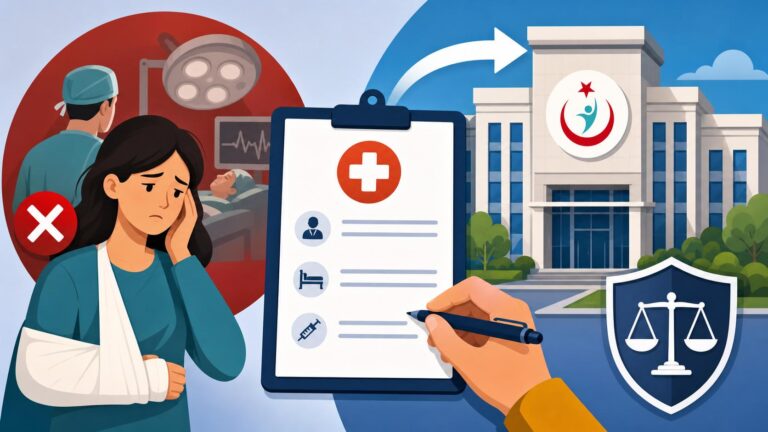
While the EHIC itself doesn't work, there is a "hidden" layer of bureaucracy that might help some Europeans. Turkey has signed bilateral social security agreements with several countries. If you are a citizen of one of these nations, you might be eligible for state-funded emergency care, but it requires a very specific paper-based process that must be completed before you get sick. These agreements are generally designed for workers, retirees, and their dependents rather than casual tourists, but the rules vary.
Countries with these agreements often include Germany (the famous T/A 11 form), the Netherlands (T/A 11 or similar), Belgium, and France. If you are from one of these countries, you must visit your home country’s social security office before departure and request a specific certificate of entitlement. Once you arrive in Turkey, you technically need to take that paper to a local SGK (Social Security Institution) office to have it converted into a Turkish document. It is a tedious process, and in a real emergency, most people find it nearly impossible to navigate.
For most, the effort of Enrolling in SGK (Public Health Insurance): The 1-Year Residency Rule is the more permanent path if you are moving here. But even then, the public system can be overwhelmed. This is why newcomers are generally advised that while the bilateral agreement exists on paper, you should never rely on it as your primary plan. It’s a backup for a backup. Instead, look into Private Health Insurance (Özel Sağlık Sigortası): Top Providers for Foreigners to ensure you can access high-quality private hospitals where English is more commonly spoken.
Why Private Insurance is Essential for Visitors and Expats
Since your EHIC is useless, the question becomes: how do you protect yourself? If you are a tourist, standard travel insurance is a must. If you are an expat or a digital nomad, you need something more robust. Turkish private hospitals are world-class—many are JCI-accredited—but they operate like businesses. Without a guarantee of payment from a recognized insurer like Cigna Global, you might find yourself redirected to a crowded public facility.
People often struggle with the "tourist" insurance policies sold just to satisfy visa requirements. These basic policies often have incredibly low caps on outpatient care and may not cover things like diagnostic imaging or specialist consultations. If you find yourself needing a specialist, you'll want to understand the nuances of Navigating Specialists in Turkey: Referrals vs Direct Access in Private Care. A high-quality international plan from Cigna Global usually allows you to bypass the referral system and go straight to the best doctors in the country.
Furthermore, it’s not just about the big accidents. It’s about the daily health maintenance. In Turkey, you might find that certain supplements or vitamins you rely on are either hard to find or surprisingly expensive at a local eczane. I personally use iHerb to ship in specific brands that I trust, as the local market can be limited in terms of variety. Whether it’s high-quality probiotics or specific mineral supplements, iHerb has been a lifesaver for my household, especially when the local options don't quite meet the standards I’m used to.
Emergency Medical Care: Public vs. Private Expectations
In the event of an emergency, your first instinct might be to call an ambulance. In Turkey, dialing 112 is the standard, but where that ambulance takes you matters. If you don't have private insurance, you will likely be taken to a state hospital (Devlet Hastanesi). These facilities are capable, but the wait times can be grueling, and English proficiency among the staff is often hit-or-miss. For a deeper look at what to expect, check out Emergency Medical Care in Turkey: Dialing 112, Ambulances, and Triage.
Private hospital emergency rooms are much more like what you would expect in Western Europe or North America, but again, they will ask for a credit card or a valid insurance confirmation the moment you are stabilized. If you are holding an EHIC, they will politely (or sometimes bluntly) inform you that it is not accepted. This is where a policy from Cigna Global pays for itself; their 24/7 support lines can often issue a "guarantee of payment" directly to the hospital, saving you from having to deplete your savings account on the spot.
| Feature | EHIC | Bilateral Agreement (e.g., T/A 11) | Private International (Cigna Global) |
|---|---|---|---|
| Validity | None in Turkey | Limited to specific countries | Full coverage in private & public |
| Ease of Use | N/A | High (requires prior paperwork) | Very High (direct billing) |
| English Support | None | Limited to SGK staff | 24/7 Multilingual support |
| Coverage Scope | Zero | Emergency only in public clinics | Full (Outpatient, Inpatient, Dental) |
| Network | N/A | State hospitals only | Top-tier private clinics |
Navigating Pharmacies and Medications Without EHIC
Another common misconception is that an EHIC might help with the cost of prescriptions at a Turkish pharmacy (Eczane). It won't. However, the good news is that many medications that require a strict prescription in Europe are available over-the-counter in Turkey, and they are often quite affordable. But "affordable" is relative, and costs have been rising. To understand how the local pharmacy system works, you should read Pharmacies (Eczane) in Turkey: Prescriptions, Duty Hours, and Medications.
For those who take regular supplements, you might be surprised to find that the "wellness" industry in Turkey is heavily taxed. This is another reason why many of us in the expat community rely on iHerb. When you need a specific methylated B12 or a particular brand of vegan protein that isn't loaded with local fillers, iHerb is often the more cost-effective and reliable route. Just be mindful of Turkish customs regulations regarding the number of items you can import at once.
If you are bringing chronic medication from home, you won't be able to use your European prescription to get a discount. You will need to see a local doctor to get a Turkish equivalent prescription if you want any chance of insurance reimbursement. This is a common hurdle for those Managing Chronic Illnesses: Diabetes, Hypertension, and Medication Supply. Having a comprehensive plan ensures that these doctor visits are covered, so you aren't paying out of pocket just to get a piece of paper that allows you to buy your life-saving meds.
The Financial Trap of "Visa-Only" Insurance
Many people moving to Turkey on a short-term residence permit (Ikamet) buy the cheapest insurance possible just to pass the application. This is a dangerous game. These policies are often designed to meet the legal minimums and offer almost no real protection for significant health events. They certainly don't provide the peace of mind that an EHIC provides within Europe.
If you are serious about your health while living here, you need to look beyond the basic requirements. Healthcare Budgeting: Understanding Copays, Tariffs, and Billing in Turkey is essential reading for anyone trying to figure out their monthly expenses. A real international policy from Cigna Global might cost more per month than the "tourist" version, but it covers the "major unexpected surgeries" that the cheap policies explicitly exclude. There are many reported cases of expats needing an emergency appendectomy and finding out their $50-a-year insurance only covers 20% of the cost.
Don't forget the smaller things, either. Dental care is often excluded from basic plans. If you are looking for Dental and Vision Care in Turkey: Out-of-Pocket Costs and Insurance, you will find that while out-of-pocket costs are lower than in the UK or US, they can still add up. Some premium plans will include these as add-ons, which is highly recommended if you plan on staying for more than a year.
Summary of Action Steps for Europeans Visiting Turkey
Since we've established that the EHIC won't help you, here is what you actually need to do to stay safe:
- Check for Bilateral Agreements: If you are from Germany, the Netherlands, or Belgium, contact your health provider and ask for the specific Turkish-equivalent form.
- Purchase Private Travel or Health Insurance: Ensure your policy specifically mentions Turkey and offers a high limit for emergency medical evacuation. Providers like Cigna Global are preferred for their direct-billing arrangements with major Turkish hospital groups like Acıbadem or Memorial.
- Stock Up via iHerb: Before you leave or as soon as you settle, order your essential vitamins and supplements from iHerb to avoid the "import tax" markup at local specialty shops.
- Keep Digital Copies: Store your insurance policy and your passport on your phone. Turkish hospitals will not even begin a non-emergency intake without seeing your passport or residence permit.
- Locate Your Nearest Private Hospital: Don't wait for an emergency. Find the nearest private clinic and check if they accept your insurance provider. For those in the capital, the Ankara Expat Healthcare Guide: Hospitals and Embassy-Recommended Clinics is a great place to start.
Living in Turkey is an incredible adventure, but the bureaucracy is real and the "I thought it worked like Europe" excuse won't save you from a massive hospital bill. Take the time to set up your coverage properly, whether it's through the state system or a robust private plan, and keep your iHerb account ready for those wellness essentials.
Disclaimer
This guide is for informational purposes only and does not constitute legal or medical advice. Healthcare regulations in Turkey, including insurance requirements for residence permits and bilateral agreements, are subject to frequent change by the Turkish Ministry of Health and the Directorate General of Migration Management. Always verify current requirements with official government sources or a qualified insurance professional before traveling or applying for residency.