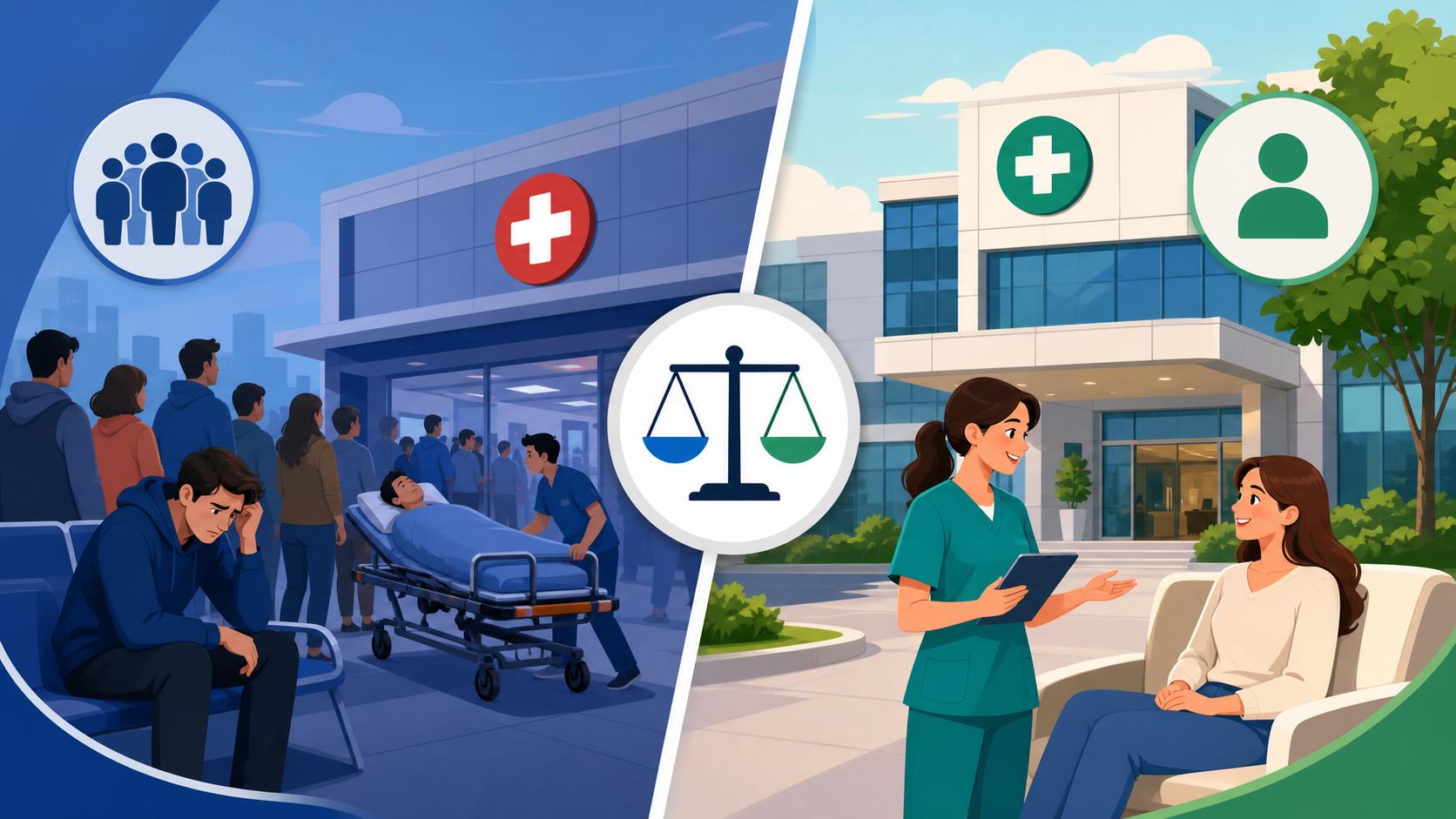
Emergency Rooms (Acil) in Turkey: Public vs Private Hospital Expectations
Finding yourself in the middle of a medical crisis in a foreign country is one of the most isolating experiences an expat can face. I still remember the sheer panic of rushing my neighbor to a local hospital in Izmir at 2 AM, squinting at glowing red "Acil" signs while struggling to remember the Turkish word for "chest pain." This guide is designed to strip away that uncertainty, providing a clear roadmap for navigating Turkey's emergency rooms so you can focus on recovery rather than red tape.
Understanding the Acil System: Public vs. Private Basics
The Turkish word for emergency is "Acil," and you will see it illuminated in red neon outside almost every hospital in the country. Whether you are in the heart of Istanbul or a coastal village, the fundamental structure of emergency care remains consistent, but the experience within those walls varies wildly. In Turkey, the law states that no one—regardless of their insurance status or nationality—can be turned away from an emergency room if they are in a life-threatening condition. However, how that "life-threatening" status is defined and what happens once you are stabilized is where the complexities begin.
The Philosophy of Emergency Care in Turkey
In many Western countries, the emergency room is a place of last resort, often avoided due to high costs or long wait times. In Turkey, the "Acil" is frequently used by locals as a primary care clinic after hours. This cultural nuance means that public emergency rooms are often bustling hubs of activity at all hours of the night. If you walk into a public ER with a minor ailment, you might find yourself waiting behind dozens of others, whereas a private facility operates with a much more streamlined, albeit expensive, workflow. Understanding this difference in usage is key to managing your expectations.
While the medical staff in both sectors are generally highly trained—Turkish doctors are some of the most experienced in the region due to the sheer volume of patients they see—the environment is the differentiator. Public hospitals are the backbone of the national healthcare system, handling everything from major trauma to the common flu. Private hospitals, on the other hand, are designed to offer a more "boutique" experience. If you have a comprehensive international plan from a provider like Cigna Global, the private sector becomes much more accessible, offering a level of comfort that can be vital during a stressful medical event.
Triage and Priority: The Red, Yellow, Green System
Upon entering any Turkish ER, you will immediately encounter the triage desk. Turkey uses a standardized color-coded system to prioritize patients. It is not "first come, first served," and understanding this will save you a lot of frustration if you are left waiting in the "Green" zone.
- Red (Kırmızı): This is for immediate, life-threatening emergencies. Think cardiac arrest, severe trauma, or unconsciousness. If you are in the red zone, you are bypassed through all lines and seen instantly.
- Yellow (Sarı): This is for urgent cases that are not immediately life-threatening but require prompt attention. This includes high fevers, severe abdominal pain, or broken bones. You will be seen quickly, but there may be a short wait.
- Green (Yeşil): This is for non-urgent issues like minor cuts, mild coughs, or stable chronic conditions. In a public hospital, being in the green zone can result in a wait time of several hours.
If you are visiting for something that falls into the green category, you might find it more efficient to consult a primary care physician during the day. For those living in the city, Choosing a Primary Care Physician (Aile Hekimi) at a Local Health Center is often a better route for non-emergencies.
Public Hospital ERs: What to Really Expect
Public hospitals (Devlet Hastanesi) are the workhorses of Turkey. They are where the most complex surgeries often happen and where the most specialized equipment is located. However, for a foreigner, the "Devlet" experience can be a sensory and linguistic overload. From my experience, the medical care is excellent, but the "customer service" aspect is virtually non-existent. You are a patient to be treated, not a client to be catered to.
Crowds, Wait Times, and the Language Barrier
The first thing you will notice at a public ER is the crowd. Family is central to Turkish culture, so a single patient might be accompanied by four or five relatives. This creates a crowded, noisy environment that can be overwhelming if you are already feeling unwell. Wait times for non-critical issues can be substantial. If you are in a major city, Finding Medical Care in Turkey: Public Hospitals vs JCI-Accredited Clinics will show that public facilities are often at 100% capacity.
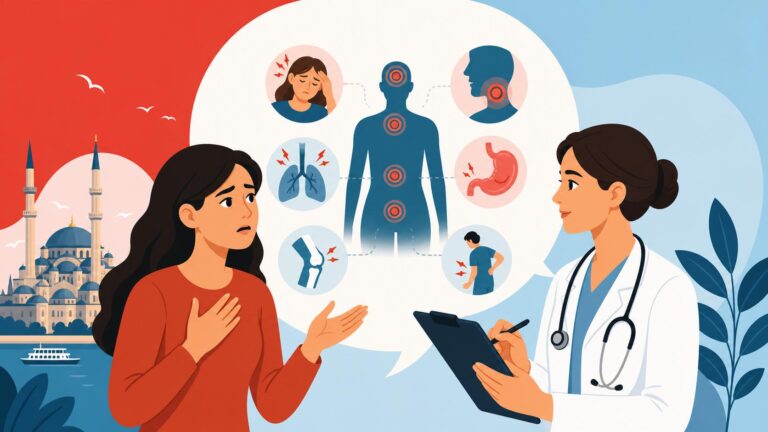
The language barrier is the most significant hurdle in the public sector. While younger doctors often speak some English, the nursing staff and administrative clerks usually do not. I highly recommend having a translation app ready or, better yet, a Turkish-speaking friend on speed dial. Learning Essential Medical Turkish: Vocabulary for Explaining Symptoms to Doctors before an emergency happens is a proactive step every expat should take. Without a translator, you may find the process of giving your medical history frustrating and prone to misunderstandings.
Cost Structure and SGK Coverage
If you are enrolled in the Turkish social security system, known as SGK, emergency services in public hospitals are generally free at the point of service for true emergencies. However, you may still be billed for certain medications or follow-up tests that are not classified as "emergency interventions." For those without SGK, the costs are still remarkably low compared to North American or European standards, but you will be expected to pay at the "Vezne" (cashier) before leaving or being admitted.
It is important to note that while the ER visit itself might be covered, the recovery phase often requires out-of-pocket expenses. For instance, if you need specific vitamins or supplements during recovery, you might find that ordering from iHerb is more cost-effective than buying from local boutique pharmacies, though most standard meds are affordable at any local "Eczane."
The Quality of Public Medical Expertise
Despite the lack of frills, the medical expertise in public hospitals is world-class. Because these doctors see such a high volume of patients, they are incredibly adept at rapid diagnosis. In a major trauma situation, many locals actually prefer the public university hospitals (e.g., Çapa or Cerrahpaşa in Istanbul) because they have access to the most experienced specialists in the country. If you are facing a truly dire situation, being in a public facility is often the safest place to be medically, even if the walls need a fresh coat of paint and the rooms are shared.
Private Hospital ERs: Premium Service and Costs
For most expats, private hospitals (Özel Hastane) are the preferred choice for emergency care. Chains like Acıbadem, Memorial, and Medical Park feel more like five-star hotels than medical facilities. If you have the financial means or a high-quality international insurance plan like Cigna Global, the difference in the experience is night and day.
Facilities, English Support, and Comfort
In a private ER, the environment is quiet, clean, and highly organized. You will likely be given a private curtained area or even a small room while you wait for results. One of the biggest draws is the language support. Most top-tier private hospitals have "International Patient Relations" departments specifically designed to assist foreigners. They often provide free translation services and will help you navigate the paperwork in English.
For those residing in the capital, the Ankara Expat Healthcare Guide: Hospitals and Embassy-Recommended Clinics highlights that private facilities there are accustomed to dealing with diplomats and international staff, making the English-speaking experience even more seamless. The comfort of being able to explain your symptoms and be understood cannot be overstated when you are in pain.
Billing Realities for Foreigners
The primary drawback of private ERs is the cost. While they are still cheaper than the US, they are significantly more expensive than public options. Private hospitals are also notorious for "upselling"—ordering every possible blood test and scan "just to be sure." While this leads to a very thorough diagnosis, it can result in a bill that reaches thousands of dollars very quickly.
If you are not covered by a local private policy or an international one like Cigna Global, you will be required to provide a credit card upfront or pay a large deposit before treatment begins. Always ask for an itemized receipt. If you are confused about the charges, checking Healthcare Budgeting: Understanding Copays, Tariffs, and Billing in Turkey can help you understand what a reasonable price for an MRI or blood panel should be in the current Turkish market.
Insurance Coordination and Direct Billing
The "Hero" of any private ER visit is your insurance provider. Top-tier hospitals have direct billing agreements with major international insurers. When you arrive, you present your insurance card, and the hospital contacts the provider directly to handle the guarantee of payment. This saves you from having to pay thousands of dollars out-of-pocket and waiting months for reimbursement.
Companies like Cigna Global are well-regarded in the Turkish private medical community, which often speeds up the admission process. If you are using a local Turkish private policy, be aware that many have a "waiting period" for certain conditions, but true emergencies are usually covered from day one. Always keep a digital copy of your policy on your phone.
Critical Logistics: Ambulances, IDs, and Procedures
In an emergency, the "how" is just as important as the "where." Knowing the logistical dance of the Turkish medical system can save precious minutes.
Calling 112 vs. Taking a Taxi
In Turkey, the universal emergency number is 112. This will connect you to a dispatcher who can send an ambulance, police, or fire services. The quality of the ambulance service is generally high, but traffic in cities like Istanbul can be a nightmare. If you are in a major metropolitan area and the condition is not immediately life-threatening (like a broken arm or a deep cut), it is often faster to take a taxi or a ride-share app like BiTaksi.
If you do call an ambulance, be prepared for the dispatcher to potentially speak only Turkish. For a deep dive into what to say and what to expect, refer to Calling 112 for an Ambulance: Dispatch Workflows and Language Support. The paramedics will stabilize the patient and usually take them to the nearest public hospital, unless you specifically request a private one and the patient is stable enough for the longer journey.
Essential Documents to Carry
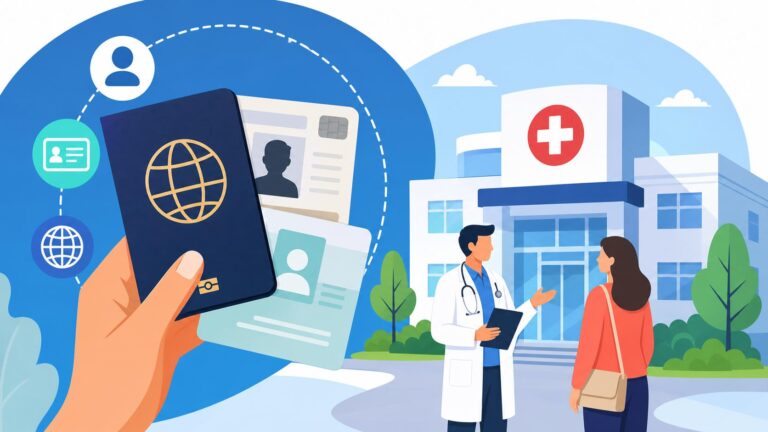
You should never leave your house in Turkey without your identification, but in an emergency, it is vital. You will need:
- Your Passport or Ikamet (Residence Permit): The hospital needs your Foreigner ID number (starting with 99) to enter you into the national "e-Nabız" system.
- Insurance Card: Physical or digital.
- Blood Type: While they will test it, having it written down is helpful.
If you have already established residency, Using e-Nabız: Accessing Your Medical Records on the Ministry of Health App is an incredible tool. It allows ER doctors to see your previous test results, prescriptions, and allergies instantly, which is a literal lifesaver if you are unable to communicate.
Comparison Table: Public vs. Private ERs
| Feature | Public Hospital (Devlet) | Private Hospital (Özel) |
|---|---|---|
| Cost | Very Low / Free with SGK | High / Covered by International Plans |
| Wait Times | Can be long (Green Zone) | Usually short |
| English Support | Rare / Minimal | Excellent (Patient Relations) |
| Expertise | Very High (Volume based) | High (Specialized) |
| Facilities | Basic / Crowded | Luxury / Private |
| Direct Billing | Only with SGK | Often available for Cigna Global etc. |
| Triage System | Strict Red/Yellow/Green | Strict Red/Yellow/Green |
Practical Tips for Navigating an Emergency in Turkey
Beyond the choice of hospital, there are cultural and practical elements that define the Turkish ER experience. Being prepared for these "soft" factors can make the ordeal much more manageable.
Aftercare and Pharmacies
Once you are discharged from the ER, you will likely be given a prescription. In Turkey, hospitals do not have internal pharmacies that sell medicine to outpatients. You must find a local "Eczane." If it is the middle of the night, you will need to find the "Nöbetçi Eczane" (Duty Pharmacy) in your neighborhood. There is usually only one or two open per district on rotation. You can find the list on the door of any pharmacy or via a quick search on Google Maps for "Nöbetçi Eczane."
For chronic recovery or general wellness post-emergency, many expats prefer to supplement their local prescriptions with high-quality items from iHerb, especially for specific brands of probiotics or vitamins that might be overpriced or unavailable in Turkey. Just ensure you are aware of Pharmacies (Eczane) in Turkey: Prescriptions, Duty Hours, and Medications so you don't get caught without your primary meds.
Cultural Nuances in Turkish Hospitals
Do not be surprised if the doctor speaks to your Turkish friend or spouse rather than you, even if you are the patient. There is a paternalistic streak in some older medical traditions here. You may need to assertively ask for the doctor to address you directly. Additionally, "Geçmiş Olsun" is the phrase you will hear a hundred times. it means "May it be past," and it is the standard Turkish way of wishing someone a speedy recovery.
If you are staying overnight, Turkish hospitals expect a family member (Refakatçi) to stay in the room with the patient to help with basic needs like getting water or going to the bathroom. In private hospitals, rooms are equipped with a "companion bed" for this very reason. If you are alone, you may need to hire a private nurse or assistant, which can be coordinated through the hospital's international desk.
Strategic Planning for Expats
If you are new to the country, don't wait for an emergency to find your nearest hospital. Take a weekend to locate the closest "Acil" and the closest private hospital that accepts your insurance. If you have a plan with Cigna Global, check their portal for a list of "Network Hospitals" in your city. Knowing exactly where to tell a taxi driver to go when you are in pain is a small bit of planning that pays massive dividends.
For those who are in Turkey for aesthetic reasons, remember that an ER is for emergencies, not complications from elective surgery. If you are here for a procedure, keep your surgeon's number handy, as Medical Tourism Guide 2027: Navigating Hair Transplants and Aesthetics Safely explains that regular ERs may not always be equipped to handle specialized post-op issues without consulting your original doctor.
Summary Checklist for a Turkish ER Visit
- Determine Urgency: Use the triage colors (Red, Yellow, Green) to manage your wait-time expectations.
- Choose Your Facility: Go Public for major trauma or if you have SGK; go Private for comfort, English support, and if you have international insurance like Cigna Global.
- Grab Your ID: Never leave without your passport or Ikamet card.
- Call 112 for Trauma: Use the emergency line for ambulances but consider a taxi for non-life-threatening issues to avoid Istanbul traffic delays.
- Locate the Duty Pharmacy: Use local apps to find the "Nöbetçi Eczane" for your post-ER prescriptions.
- Restock via iHerb: For recovery vitamins and supplements that are often cheaper and more varied online than in local specialty shops.
Navigating the healthcare system in a new country is a rite of passage for any expat. While the "Acil" sign might seem intimidating at first, Turkey offers a robust and capable emergency network. Whether you are in the chaotic heart of a state hospital or the serene halls of a private clinic, you are in capable hands. The key is knowing which door to walk through before the emergency even begins.
Health and Medical Disclaimer
The information provided in this article is for informational and educational purposes only and is not intended as professional medical advice, diagnosis, or treatment. Always seek the advice of your physician or another qualified health provider with any questions you may have regarding a medical condition or emergency. The healthcare landscape in Turkey, including laws, costs, and insurance regulations, is subject to change. While we strive to provide the most up-to-date information, the realities on the ground may vary by region and individual hospital policy. Reliance on any information provided in this guide is solely at your own risk.