Auto Insurance (Kasko) vs Compulsory Traffic Insurance (Trafik Sigortası)
Navigating the chaotic streets of Istanbul or the winding coastal roads of Antalya is an adrenaline-fueled experience that most expats eventually embrace. However, the real stress doesn't come from the traffic itself; it comes from the crushing uncertainty of what happens if you actually get into a fender bender. I vividly remember my first minor scrape near Kadıköy, standing on the sidewalk with two different insurance policies in my hand, wondering which one would stop me from losing my hard-earned savings. This guide solves the confusion between Kasko and Trafik Sigortası by detailing their coverage limits, legal requirements, and the specific nuances of the Turkish insurance market.
The Foundation of Vehicle Protection in Turkey
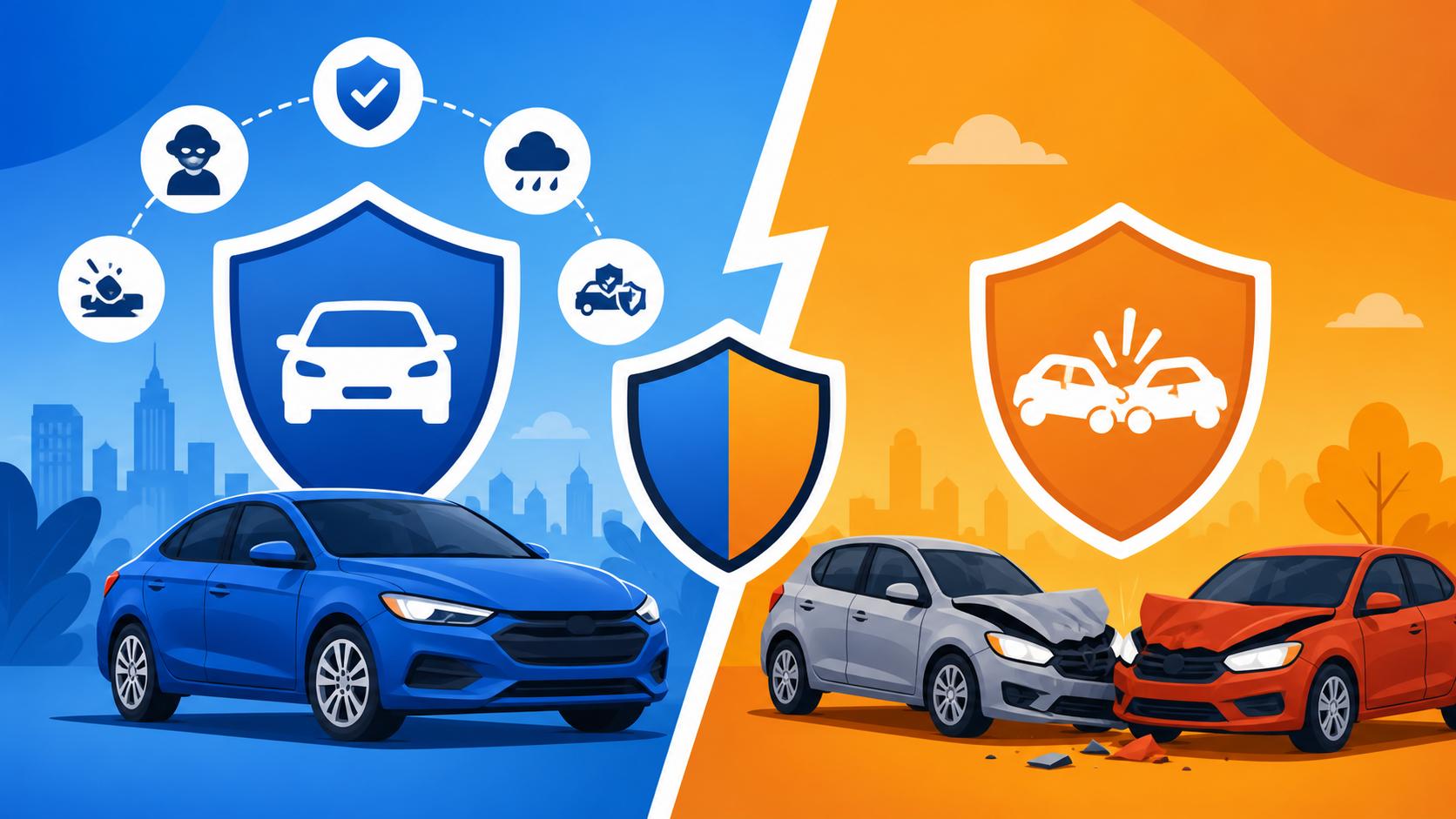
To drive legally in Turkey, you must understand that the government views insurance through two very different lenses. One is about protecting the public and other drivers from your mistakes, while the other is about protecting your own wallet and your vehicle from the unpredictable nature of Turkish roads. These two layers of protection are distinct, and having one does not satisfy the requirements or benefits of the other.
Zorunlu Trafik Sigortası: The Mandatory Minimum
The first thing every car owner must possess is the Zorunlu Trafik Sigortası, often referred to simply as Trafik Sigortası. As the name suggests, it is compulsory. Without it, you cannot register a vehicle in your name, pass the mandatory TÜVTÜRK inspection, or even leave a police checkpoint without your car being towed to a secure lot. This policy is designed strictly for third-party liability. If you are at fault in an accident, this insurance pays for the damage to the other person's car, their medical expenses, or, in tragic cases, funeral costs and compensation for their family.
The most critical thing to understand about Trafik Sigortası is that it provides zero protection for your own vehicle. If you slide on a wet patch of road and hit a tree, your mandatory insurance will not pay a single kuruş to fix your bumper. Furthermore, the coverage limits for Trafik Sigortası are set by the government and are often quite low compared to the skyrocketing costs of vehicle repairs. In an era where even a minor headlight replacement on a luxury vehicle can cost tens of thousands of Liras, the mandatory limits might not be enough to cover a major collision, leaving you personally liable for the difference.
Kasko: Your Voluntary Shield Against Financial Ruin
Kasko is the voluntary, comprehensive insurance policy that covers your own car. In the expat community, skipping Kasko is often seen as a massive gamble that rarely pays off. Kasko is designed to cover your vehicle against a wide range of "unfortunate events," including theft, fire, glass breakage, and, most importantly, accidents where you are at fault or where the other party is unknown (the classic hit-and-run).
Because Why Imported Electronics, Phones, and Cars are Extremely Expensive in Turkey is a reality we all face, the cost of replacing a car is significantly higher here than in many Western countries. Kasko ensures that if your car is totaled or stolen, you receive the current market value of the vehicle. It also often includes "roadside assistance" (Asistans Hizmeti), which is a lifesaver when you find yourself with a dead battery in the middle of a rural mountain pass.
Comparing the Two Policies Side by Side
Understanding the differences between these two products is easier when you see how they function in real-world scenarios. While the mandatory policy satisfies the law, the comprehensive policy satisfies your peace of mind.
| Feature | Compulsory Traffic Insurance (Trafik Sigortası) | Comprehensive Insurance (Kasko) |
|---|---|---|
| Legal Status | Mandatory by law | Voluntary |
| Who is Covered? | Third parties (the other driver/pedestrians) | You and your vehicle |
| Damage to Your Car | Not covered | Covered (accidents, fire, theft) |
| Theft/Fire | Not covered | Covered |
| Limits | Fixed by the government (often low) | Flexible (based on policy choice) |
| Roadside Assistance | Usually not included | Almost always included |
| Glass/Windshield | Not covered | Covered (usually one free replacement per year) |
| Pricing | Based on risk tiers and city | Based on car value, driver age, and features |
How Insurance Premiums are Calculated for Expats
When you go to buy insurance, you’ll notice that the price quoted to your Turkish neighbor might be vastly different from what you are offered. The Turkish insurance industry relies heavily on a tiered system that tracks your "performance" as a driver. If you are Buying a Used Car in Turkey: Notaries, Expertise Reports, and High Taxes, the insurance company will look at the car's history as well as your own.
The Tier System and No-Claims Discounts
Both Trafik Sigortası and Kasko use a level system from 1 to 7 (sometimes extending to 8). A brand-new driver or a newly arrived expat typically starts at Level 4. Every year you drive without an "at-fault" accident, you move up a level. By the time you reach Level 7, you are eligible for a "Hasarsızlık İndirimi" (No-Claims Discount) which can slash your premiums by 50% or more.
Conversely, if you cause an accident, you drop down the levels, and your premiums can skyrocket. For expats, it is sometimes possible to bring a "No Claims" certificate from your home country, though many Turkish insurers are hesitant to accept them unless they are from a global partner. If you are staying in a premium managed apartment through a company like Blueground, they may have concierge contacts who can help translate your foreign documents to local insurers to help you secure a better starting tier.
Vehicle Age and Replacement Value
For Kasko, the age of your vehicle is a massive factor. Most insurance companies in Turkey are reluctant to provide full Kasko coverage for cars older than 10 or 15 years. If your car is in this "vintage" category, you might be offered a "Narrow Kasko" (Dar Kasko), which only covers specific events like theft or fire, rather than full collision.
The valuation of the car is updated monthly based on the "Kasko Değer Listesi" published by the Insurance Association of Turkey. This is vital because inflation can change the value of your car in Lira terms very quickly. Always ensure your policy reflects the true market value so you aren't under-insured in the event of a total loss.
Navigating the Claims Process as a Foreigner
The moment an accident happens, the clock starts ticking on your insurance claim. In Turkey, the process is very specific, and failing to follow the steps can lead to a rejected claim. The most important document you will ever carry in your glovebox is the "Kaza Tespit Tutanağı" (Accident Report Form).
Filing the Report Without the Police
In Turkey, if an accident involves only property damage (no injuries) and both drivers agree on how it happened, you do not need to call the police. In fact, the police will often refuse to come for minor fender benders. You and the other driver must fill out the Kaza Tutanağı together, draw a sketch of the accident, and take clear photos of both cars, their license plates, and the surrounding road.
Having a reliable data connection via Airalo is essential here, as you will likely need to use translation apps to communicate with the other driver or immediately upload the photos to your insurance company’s app. For a deeper look at this process, check out our guide on What to Do in a Minor Car Accident in Turkey: Filing a Kaza Tutanağı. If there is a disagreement or if anyone is injured, you must call 155 (Police) or 156 (Gendarmerie) immediately and do not move the vehicles until they arrive.
The Role of the Insurance Adjuster (Eksper)
Once you submit your claim to your Kasko provider, they will appoint an "Eksper" (Insurance Adjuster). This person is an independent professional who visits the repair shop to inspect the damage and decide which parts will be replaced or repaired.
As an expat, this is where things can get "lost in translation." The Eksper will decide if "original" parts or "equivalent" (yan sanayi) parts will be used. Most high-end Kasko policies allow you to insist on original parts at an authorized dealer (Yetkili Servis), but cheaper policies might force you to use a private garage (Özel Servis). Always clarify this when you are signing your policy.
Special Considerations for Foreigners
Driving in Turkey as a foreigner adds layers of complexity to your insurance validity. You cannot simply assume that your home country's habits will fly here.
Foreign Licenses and Insurance Validity
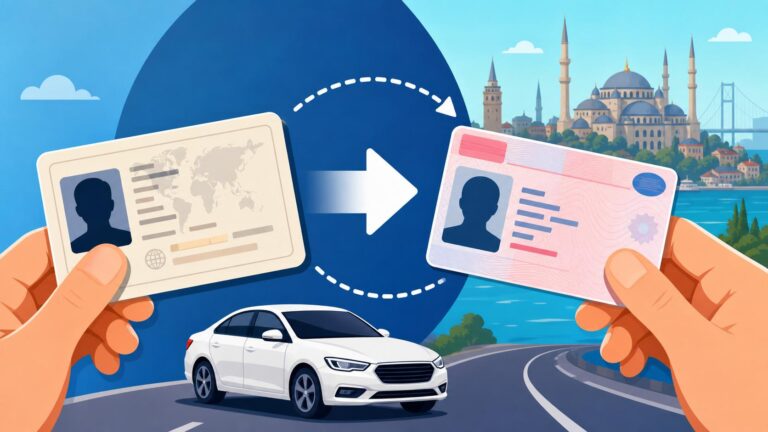
One of the most common reasons insurance claims are denied for expats is the "six-month rule." In Turkey, you can drive on your foreign license for six months from the date of your last entry. After that, you must convert it. If you have an accident on month seven and you are still using your foreign license, your Kasko provider will likely declare your policy void because you were technically driving without a valid local permit.
I highly recommend prioritizing Converting Your Foreign Driver's License to a Turkish License as soon as you have your residency. To do this, you will often need to visit a doctor for a Getting a Health Report (Sağlık Raporu) for Work or Driving License Conversions, which is a standard part of the bureaucracy.
Essential Gear for the Road
Turkish law requires every vehicle to carry a first aid kit, two reflective triangles, and a fire extinguisher. While these are usually checked during the TÜVTÜRK inspection, insurance companies may also look for them if a fire claim is filed. You can easily find high-quality Essential First Aid Items to Keep in Your Turkish Apartment and car safety kits on Amazon Turkey, which often delivers faster than you can find a specialty auto shop in a new city.
Additionally, consider the logistical side of driving. Understanding Toll Roads and Bridges: Navigating Turkish Highways with HGS Stickers is essential because unpaid toll fines can actually lead to complications with your vehicle's clean title, which in turn can affect your insurance renewals.
Tips for Saving Money and Choosing the Right Provider
Buying insurance in Turkey is often a "you get what you pay for" situation. The cheapest Kasko policy might save you 2,000 TL today but cost you 50,000 TL later when they refuse to provide a replacement car while yours is in the shop for a month.
- Check for "Ikame Araç" (Replacement Car): Ensure your Kasko includes a replacement vehicle for at least 7 to 14 days. Repairs in Turkey can be slow due to parts availability.
- IMMS (Increased Liability): If you only have Trafik Sigortası, ask for an "İhtiyari Mali Mesuliyet" (IMM) add-on. This increases your third-party liability limits to 10 million TL or even "unlimited" for a very small fee, protecting you if you hit an expensive supercar.
- Mini Onarım (Mini Repair): Many Kasko policies offer a "Mini Repair" service. This allows you to fix small scratches, dents, or interior tears at specialized shops (like RS Servis or AutoKing) without it counting as a "claim" or affecting your no-claims discount.
- Glass Protection: Check if the policy allows for one free windshield replacement per year. Given the amount of construction and gravel on Turkish roads, cracked windshields are incredibly common.
Before hitting the road, make sure you are fully aware of Driving in Turkey: Foreign Licenses, Car Ownership Costs, and Road Safety. The more you know about the local driving culture and the legal frameworks, the less likely you are to be surprised by an insurance technicality.
Important Disclaimer
The information provided in this guide is for educational and informational purposes only and does not constitute legal or financial advice. Insurance regulations, coverage limits, and premium calculation methods in Turkey are subject to frequent changes by the Sigortacılık ve Özel Emeklilik Düzenleme ve Denetleme Kurumu (SEDDK). Always consult with a licensed insurance broker or legal professional to review your specific policy terms and ensure you are in compliance with current Turkish laws. The author and publisher are not responsible for any claims denied or legal issues arising from the use of this information.