Essential Turkish Phrases for the Dentist: Explaining Pain and Sensitivities
Sitting in a dentist's chair is nerve-wracking enough without the added stress of a language barrier making your toothache feel ten times worse. I still remember the cold sweat I broke into at a small clinic in Kadıköy when I realized I didn't know the word for "throbbing." This guide provides the exact Turkish phrases you need to navigate dental appointments, explain your pain accurately, and understand your treatment plan.
The Reality of Dental Care in Turkey for Expats
Navigating the Turkish dental system is generally a positive experience, but it requires a bit of local know-how. Most foreigners choose private dental clinics, often called a "Diş Polikliniği," because they offer faster service and a higher likelihood of finding English-speaking staff. However, even in the most high-end clinics in Nişantaşı or Antalya, the dental assistant or the receptionist might only speak Turkish. Being able to articulate your symptoms helps avoid "lost in translation" moments that could lead to unnecessary procedures.
If you are a resident, you might have access to public care through the SGK system, but the wait times for specialized procedures like root canals can be long. For more comprehensive protection, many expats opt for international policies like Cigna Global to ensure they can access top-tier private facilities without worrying about the bill. Regardless of where you go, your first interaction will likely be at the front desk. You should know that dental clinics in Turkey are exceptionally clean and strictly regulated, but they operate with a directness that can feel abrupt to those used to Western "small talk" culture.
When you walk in, you’ll be asked for your "T.C. Kimlik Numarası" if you have residency, or your passport if you are a tourist. If you've already set up your digital health records, the doctor might even look at your history Using e-Nabız: Accessing Your Medical Records on the Ministry of Health App. Having these phrases ready will make that initial intake much smoother.
Booking Your Appointment and Initial Greetings
Before you can explain your pain, you have to get into the chair. Most appointments are made over the phone or via WhatsApp, which is the lifeblood of Turkish business communication. If you have a sudden, sharp pain, you need to emphasize that it is an emergency (acil). Turkish dentists are remarkably accommodating for emergencies, often squeezing patients in between scheduled sessions.
Here are the primary phrases for getting your foot in the door:
- "Randevu almak istiyorum." (I would like to make an appointment.)
- "Dişim çok ağrıyor, acil gelebilir miyim?" (My tooth hurts a lot, can I come in urgently?)
- "Muayene ücreti ne kadar?" (How much is the examination fee?)
- "Sadece kontrol yaptırmak istiyorum." (I just want to have a check-up.)
During this phase, it’s worth checking if your insurance is accepted. While basic policies cover very little, Dental and Vision Care in Turkey: Out-of-Pocket Costs and Insurance provides a deeper look at what you can expect to pay out of pocket. Many clinics will ask for payment upfront or via credit card, so always clarify the "nakit" (cash) vs. "kredi kartı" (credit card) situation before the drill starts spinning.
Describing the Type and Location of Pain
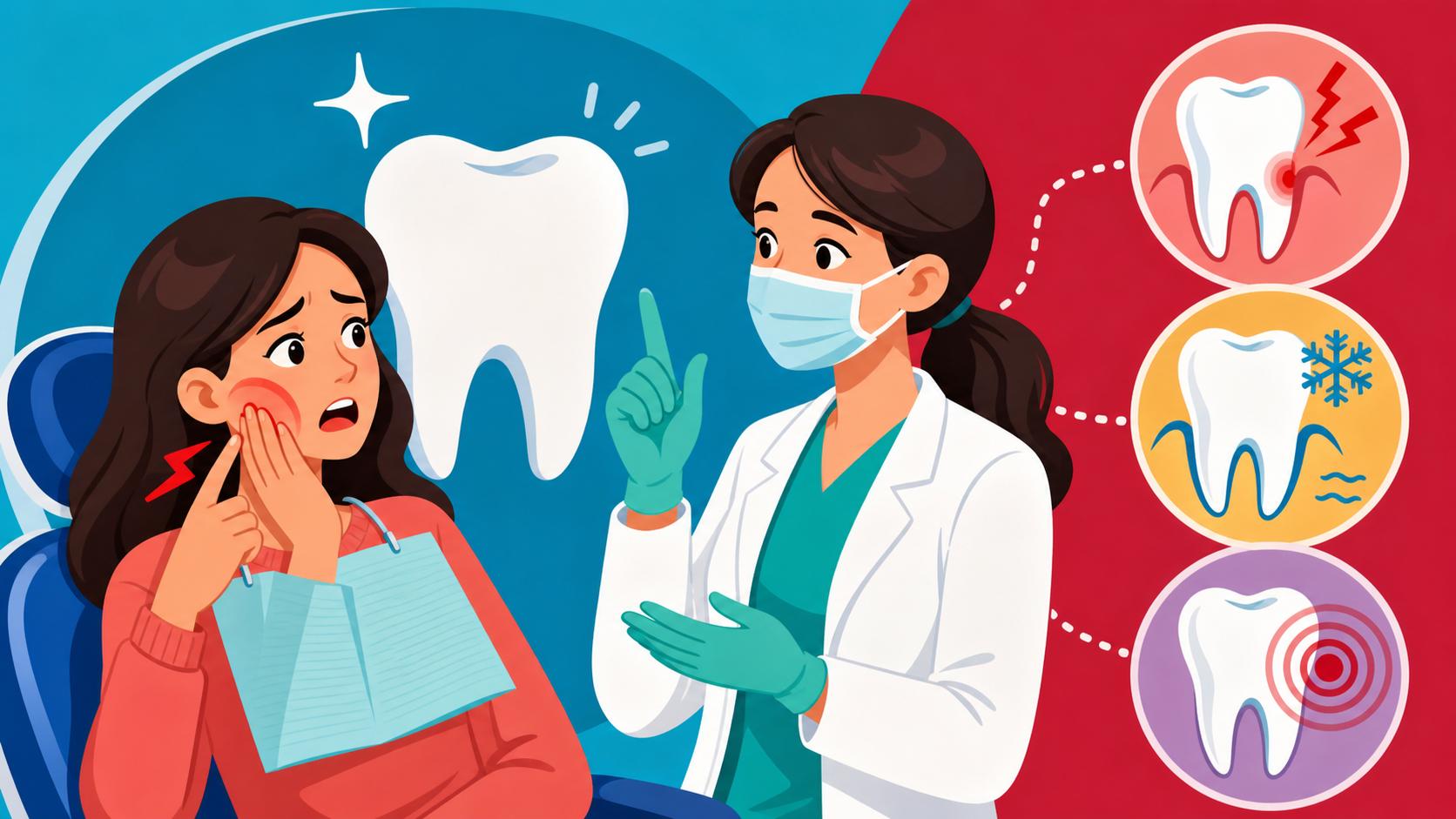
This is where things get technical. In English, we use many metaphors for pain—stabbing, dull, burning. Turkish is equally descriptive. If you tell a dentist "dişim ağrıyor" (my tooth hurts), they will immediately ask "Nasıl bir ağrı?" (What kind of pain?). Being specific here is the difference between a simple filling and a specialized referral.
In Turkey, dentists take "gece ağrısı" (night pain) very seriously, as it often indicates an abscess or the need for a root canal. You should also be prepared to point to exactly where the pain is: "sağ üst" (upper right), "sol alt" (lower left), or "arkada" (in the back).
| English Phrase | Turkish Translation | Pronunciation Guide |
|---|---|---|
| It hurts here. | Burası ağrıyor. | Boo-rah-suh ah-ruh-yor |
| Sharp pain | Keskin ağrı | Kes-keen ah-ruh |
| Dull/Achey pain | Künt ağrı | Koont ah-ruh |
| Throbbing pain | Zonklama | Zon-klah-mah |
| Sensitivity | Hassasiyet | Has-sah-see-yet |
| Swelling | Şişlik | Sheesh-leek |
| Bleeding | Kanama | Kah-nah-mah |
| My filling fell out. | Dolgum düştü. | Dol-goom doosh-too |
If the pain is unbearable and accompanied by a fever, you might need Emergency Medical Care in Turkey: Dialing 112, Ambulances, and Triage, though most dental issues are handled within the clinic network rather than general hospitals.
Explaining Sensitivities and Triggers
Understanding what triggers your pain helps the dentist narrow down the issue. Is it a cavity reacting to sugar? Or is it a cracked tooth reacting to pressure? In the coastal heat of Bodrum or Antalya, you might notice sensitivity when drinking ice-cold water. In the winter, a hot cup of Turkish tea might set it off.
Use these phrases to describe triggers:
- "Sıcağa karşı hassasiyetim var." (I have sensitivity to heat.)
- "Soğuk bir şey içince sızlıyor." (It stings when I drink something cold.)
- "Tatlı yiyince ağrıyor." (It hurts when I eat sweets.)
- "Üzerine bastırınca acıyor." (It hurts when I press on it/bite down.)
If you are someone who struggles with chronic inflammation or gum sensitivity, you might already be using supplements from iHerb to support your oral health. Mentioning this to your dentist is helpful, as they might suggest specific local alternatives or medical-grade rinses. Communication about your routine is just as important as the symptoms themselves. For more general health communication, you might also find Essential Turkish Phrases for the Doctor: Communicating Symptoms Effectively a useful companion guide.
Discussing Medical History and Anesthesia
One of the biggest fears for expats is the "numbness" factor. You need to know if you are allergic to certain types of anesthesia or if you've had bad experiences in the past. Turkish dentists generally use local anesthesia (lokal anestezi) very liberally, but they will ask if you have any chronic conditions.
- "Anesteziye karşı alerjim var." (I have an allergy to anesthesia.)
- "Hamileyim." (I am pregnant.)
- "Emziriyorum." (I am breastfeeding.)
- "Kalp rahatsızlığım var." (I have a heart condition.)
- "Şeker hastasıyım." (I am diabetic.)
If you have complex medical needs, it is often safer to seek out Finding Medical Care in Turkey: Public Hospitals vs JCI-Accredited Clinics where specialists are more accustomed to multi-faceted health histories. Mentioning your international insurance, like Cigna Global, at this stage is also wise, as they may need to pre-authorize certain surgical procedures.
Understanding the Treatment Plan
Once the dentist has poked around, they will explain the "tedavi planı" (treatment plan). This can be a barrage of technical terms. Don't be afraid to ask them to slow down or draw a diagram. Most Turkish dentists are very patient and will use a mix of Turkish, English, and Latin medical terms to explain what's happening.
Common treatment words you will hear:
- Dolgu: Filling.
- Kanal Tedavisi: Root canal treatment.
- Çekim: Extraction (pulling the tooth).
- Temizleme: Cleaning (scaling).
- Kaplama/Kron: Crown.
- İmplant: Implant.
If they suggest an implant, make sure you've done your research on Dental Tourism in Turkey: Implants, Veneers, and Vetting Reputable Dentists to ensure you're getting high-quality materials. It's common in Turkey for dentists to offer different "tiers" of materials (e.g., German vs. Turkish vs. Korean implants), and the price will vary significantly.
Aftercare and Post-Appointment Vocabulary
After the procedure, you'll likely be handed a "reçete" (prescription). In Turkey, you don't get your meds at the dental clinic; you must go to a nearby "Eczane." The dentist will tell you how long to wait before eating or drinking, usually using the phrase "İki saat bir şey yeme" (Don't eat anything for two hours).
If you need painkillers or antibiotics, you should know how the pharmacy system works by reading Pharmacies (Eczane) in Turkey: Prescriptions, Duty Hours, and Medications. For general recovery, many expats prefer to order specialized recovery vitamins or high-quality probiotics from iHerb to help their bodies bounce back from a course of antibiotics.
Key aftercare phrases:
- "Ağrı kesici yazacak mısınız?" (Will you prescribe a painkiller?)
- "Ne zaman yemek yiyebilirim?" (When can I eat?)
- "Tekrar gelmem gerekiyor mu?" (Do I need to come back again?)
- "Dikişler ne zaman alınacak?" (When will the stitches be removed?)
Practical Tips for Your Visit
Beyond the language, there are cultural norms to consider. It is polite to remove your shoes and put on the provided "galoş" (plastic shoe covers) at the entrance of many smaller clinics. Also, don't be surprised if the dentist offers you "çay" (tea) after a consultation—though maybe skip it if you just had a tooth pulled!
If you're feeling overwhelmed, remember that the Turkish dental community is world-renowned for its skill. The language barrier is just a temporary hurdle. By having these phrases written down in a note on your phone, you gain a sense of control over a situation that usually feels quite vulnerable.
For those living in larger cities, you can often find practitioners who have studied abroad. For instance, Finding English-Speaking Doctors in Istanbul: Top International Clinics can be a great resource if your Turkish is still in the early stages. However, even with an English-speaking doctor, the supporting staff will appreciate your effort to use the local language.
Essential Phrases Table for Quick Reference
Keep this table handy on your phone for your next visit. It covers the most common scenarios you'll encounter from the waiting room to the exit.
| Situation | Turkish Phrase | Meaning |
|---|---|---|
| Making Appointment | "Yarın için boş yeriniz var mı?" | Do you have an opening for tomorrow? |
| Explaining Pain | "Dişim hava alıyor." | My tooth is sensitive to air/breathing. |
| During Procedure | "Canım yanıyor!" | It's hurting me! (Use this to stop them) |
| Asking for Cost | "Toplam maliyet ne olacak?" | What will be the total cost? |
| Aftercare | "Tuzlu suyla gargara yapmalı mıyım?" | Should I gargle with salt water? |
| Medication | "Günde kaç tane içmeliyim?" | How many (pills) should I take per day? |
| Insurance | "Özel sigorta geçiyor mu?" | Do you accept private insurance? |
Whether you are in Turkey for a short holiday or calling it your forever home, taking care of your teeth shouldn't be a source of linguistic anxiety. With a little preparation and the right phrases, you can ensure that your "Gülümseme" (smile) stays bright and pain-free.
Disclaimer
The information provided in this guide is for educational and informational purposes only and does not constitute professional medical or dental advice. Always seek the advice of a qualified healthcare provider in Turkey regarding any medical or dental condition. While we strive to provide accurate translations and cultural insights, language usage can vary by region and individual practitioner. Relying on the phrases provided is at your own risk, and you should always confirm important medical details through a professional translator or English-speaking medical professional if you are unsure.