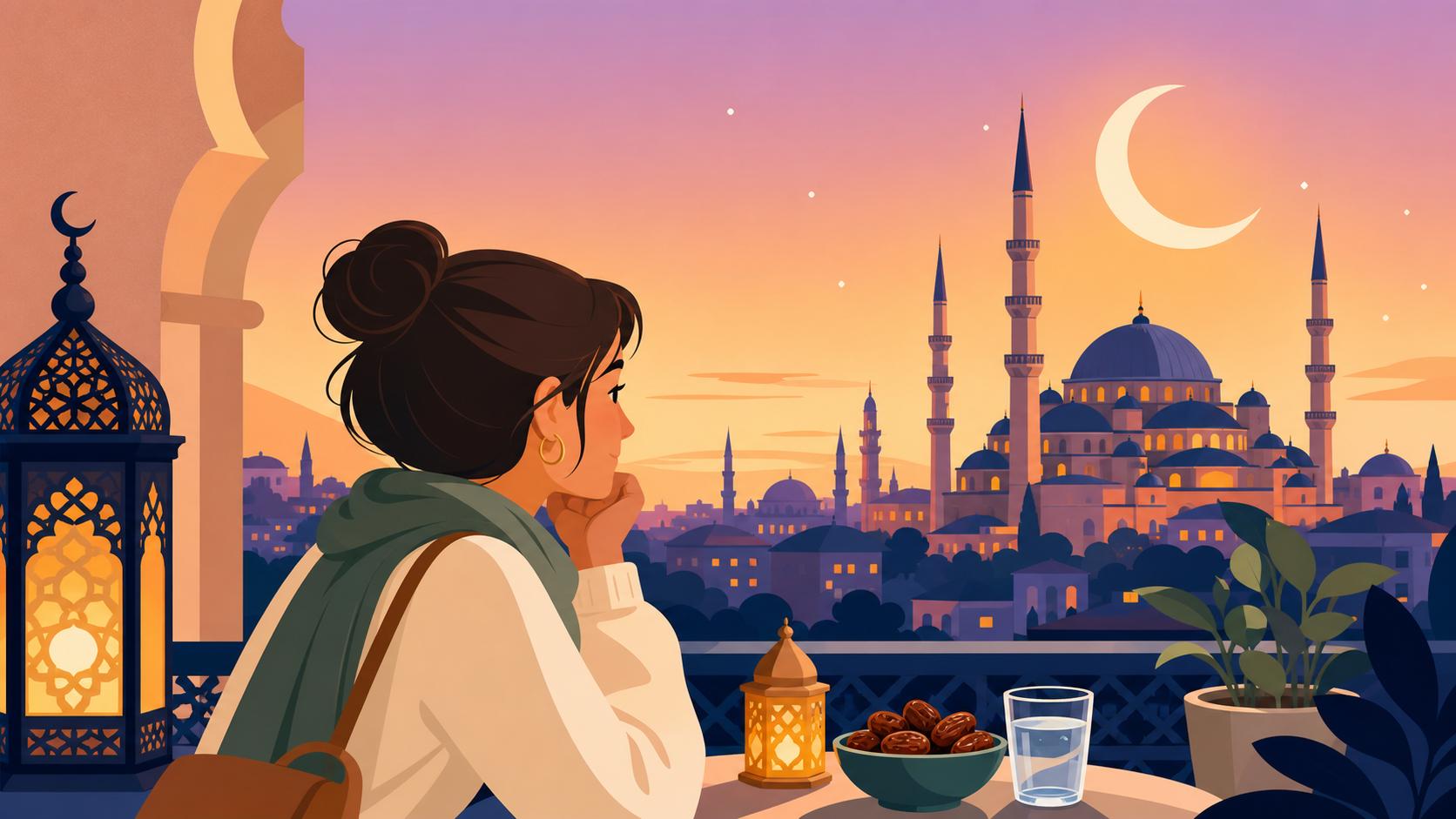
Navigating Ramadan (Ramazan) as a Non-Muslim Expat in Turkey
One of the most disorienting experiences for a new arrival in Turkey is waking up at 3:00 AM to the rhythmic thumping of a drum echoing through the narrow streets. I remember my first night in Kadıköy, bolted upright in bed, wondering if a parade had spontaneously broken out in the middle of the night. This guide solves the mystery of the Ramadan drums and provides a comprehensive roadmap for navigating daily life, etiquette, and social expectations during the holy month.
The Rhythms of Ramadan in Turkey: What Changes for You
Living through Ramadan (or Ramazan as it is called here) requires a shift in your internal clock and an understanding of the country's unique "pulse" during this period. While Turkey is a secular republic, the cultural imprint of this month is profound, affecting everything from traffic patterns to your local grocery store’s inventory.
The Concept of Sahur and the Drummer’s Wake-up Call
The most immediate change you will notice is the Sahur drum. Long before the first light of dawn, traditional drummers wander through neighborhoods, beating a specific rhythm to wake residents for their pre-dawn meal. This is a centuries-old tradition that persists even in the most modern corners of Istanbul. If you are a light sleeper, this can be a major point of frustration. I’ve learned over the years that fighting it is useless; instead, many expats find that high-quality earplugs or white noise machines are essential during this month.
Beyond the noise, Sahur changes the energy of the night. In many neighborhoods, you’ll see lights flickering on in apartment blocks at 3:30 AM, and some local bakeries will even open briefly to sell fresh bread. It is a moment of quiet community that defines the month. If you are a digital nomad or remote worker, you might find this late-night window surprisingly peaceful for deep work, provided you can catch up on sleep later in the day.
The Quiet Mid-Days and the Rush of İftar
As the sun rises, the pace of the city slows down significantly. You will notice that the usual midday bustle feels somewhat muted. People are conserving energy, and the sensory landscape of the city changes. The smell of grilled meats and roasting coffee, usually so prevalent, fades away in many residential areas. This is often the best time to run errands or visit popular tourist sites, as crowds are thinner and the atmosphere is more relaxed.
However, as the sun begins to set, the energy shifts into high gear. This leads to the İftar rush—the meal to break the fast. About an hour before sunset, traffic in cities like Istanbul and Ankara becomes legendary. Everyone is trying to get home or to a restaurant to be seated the moment the evening call to prayer sounds. If you are planning to travel across the city during this window, my advice is: don't. Taxis will be impossible to find, and public transport will be packed. It’s the perfect time to hunker down at home and perhaps browse Amazon Turkey for those household essentials you’ve been meaning to order, avoiding the street-level chaos altogether.
Regional Differences: Istanbul vs. The Anatolian Heartland
Your experience of Ramazan will vary wildly depending on where you are located. In Istanbul Neighborhood Guide: European vs Asian Side Lifestyles for Expats, the atmosphere is generally more pluralistic. You will find plenty of people eating and drinking in cafes in districts like Beşiktaş, Kadıköy, or Nişantaşı throughout the day. In these areas, the "Ramadan effect" is more of a cultural backdrop than a strict social mandate.
Conversely, if you find yourself in more conservative Anatolian cities or even certain outskirts of the major metropolises, the daytime closure of restaurants is much more common. In these regions, out of respect, it is less common to see locals eating or drinking on the street. Understanding these regional nuances is key to Daily Life & Culture: Religion, Social Etiquette, and Making Friends while living here. While no one will expect a foreigner to fast, showing awareness of your surroundings goes a long way in building rapport with your neighbors.
Practical Living Adjustments: Food Shopping and Services
Ramazan isn't just about fasting; it’s a month of feasting, charity, and specific culinary traditions that you should absolutely lean into, even if you aren't participating in the religious aspects.
Restaurant Etiquette and Daytime Dining
A common fear for expats is that they won't be able to find food during the day. In tourist hubs and major cities, this is rarely an issue. Most restaurants remain open, though some might pull their curtains or place outdoor seating behind screens to provide a more discreet environment for those not fasting. If you are looking for a place to eat, simply look for the open doors; most businesses are happy for the custom.
When dining out in the evening, however, you need to plan ahead. Most restaurants will offer a fixed "İftar Menu," which usually includes a soup, a starter plate (iftariye), a main course, and a dessert. These tables are often booked weeks in advance. If you decide to join an İftar, be prepared for a very fast-paced service initially, followed by a long, slow evening of tea and conversation. It’s a beautiful social experience, but not the night for a quick "in-and-out" meal. If you prefer a quiet night in, Blueground offers beautifully furnished apartments that provide the perfect sanctuary to cook your own meals away from the evening restaurant crowds.
Grocery Shopping and the Famous Ramazan Pidesi
The culinary star of the month is Ramazan Pidesi—a soft, leavened flatbread topped with sesame and nigella seeds. You will see long lines forming at local fırın (bakeries) about an hour before sunset. My tip: join the line. There is nothing quite like a warm pide straight from the oven. It is only sold during this month, and it’s a highlight of the year for many of us living here.
In the supermarkets, you’ll notice "Ramazan Paketi" or gift boxes filled with staples like oil, flour, dates, and tea. These are often bought by locals to be given to those in need or to Hiring a Domestic Helper or Cleaner (Temizlikçi) in Turkey: Rates and Rules as a seasonal gesture of goodwill. While you’re doing your weekly shop, you might find that certain items are in higher demand, such as dates, olives, and specialty cheeses. For a smooth experience, check out Turkish Supermarkets Explained: The Difference Between Migros, Carrefour, Şok, and Bim to understand where to find your specific needs during the holiday rush.
Navigating Business Hours and Government Offices
While the private sector generally maintains standard hours, some smaller shops might open later in the morning or close earlier in the evening to accommodate their staff’s fasting schedules. Government offices and banks typically stay on schedule, but you might find that productivity slows down slightly in the late afternoon as energy levels dip.
If you have administrative tasks to handle, such as Opening a Bank Account in Turkey: Rules for Expats, Tourists, and Investors, I highly recommend scheduling these for the morning hours. By 3:00 PM, the "hunger haze" can start to set in, and patience—both yours and the official's—might be thinner than usual. If you need to stay connected and coordinate these appointments while on the move, having a reliable data connection is vital. Using Airalo to manage your mobile data can ensure you aren't hunting for Wi-Fi when you need to check a location or translate a document on the fly.
Social Etiquette and Respecting the Fast
As a guest in the country, the goal isn't to fast, but to be a "good neighbor." This involves a bit of situational awareness that makes life easier for everyone.
Drinking and Smoking in Public Spaces
The most significant area of etiquette involves public consumption of food, water, and tobacco. In cosmopolitan areas, nobody will blink if you sip water on a hot day. However, out of empathy for those who have gone twelve hours without a drop of water, many expats choose to be discreet. Avoid walking down a crowded street while eating a sandwich or blowing cigarette smoke into a crowd.
Think of it this way: if you were incredibly thirsty and someone stood next to you chugging an ice-cold soda, you’d find it a bit tough. A little discretion goes a long way in earning the respect of your local community. If you are prone to dehydration or have health concerns, remember that your well-being comes first. You can always duck into a pharmacy to grab essentials; just check Pharmacies (Eczane) in Turkey: Prescriptions, Duty Hours, and Medications for their holiday operating hours.
How to Decline or Accept an İftar Invitation
During this month, you will almost certainly be invited to an İftar, either by a neighbor, a colleague, or a friend. This is a high honor and a sign that you are being welcomed into their inner circle. If you can attend, do! It is the best way to experience the warmth of Turkish hospitality. Bring a small gift—typically a box of high-quality baklava or chocolates. You can easily find premium gift options on Amazon Turkey if you want to avoid the last-minute rush at the dessert shops.
If you cannot attend, it is perfectly acceptable to decline, but do so with grace. A simple "I would love to, but I have a prior commitment" followed by "Hayırlı Ramazanlar" (Have a blessed Ramadan) is the standard polite response. Never feel pressured to fast just because you are attending an İftar; your hosts know you aren't Muslim and do not expect you to change your habits, though they will appreciate you waiting for the call to prayer before you start eating the main meal with them.
Essential Turkish Phrases for the Holy Month
Using a few local phrases can break the ice and show that you've put effort into understanding the culture. Here are the most common ones you'll hear:
| Phrase | Meaning | When to Use |
|---|---|---|
| Hayırlı Ramazanlar | Have a blessed Ramadan | General greeting throughout the month |
| Allah Kabul Etsin | May God accept it | Said to someone who is fasting, usually at İftar |
| Afiyet Olsun | Bon Appétit | Said as the meal begins |
| İyi Bayramlar | Happy Holidays | Used during the three-day feast at the end of the month |
Learning these basics is part of Learning Turkish for Life and Work: TÖMER, Language Schools, and Self-Study. Even if your pronunciation isn't perfect, the effort is always seen as a gesture of respect and friendship.
Logistics for the Modern Expat During Ramadan
Technology can significantly ease the transition into the Ramadan lifestyle, helping you manage your home, your work, and your social life without missing a beat.
Ordering Essentials and Home Comforts
With the shift in traffic and the evening rush, many expats prefer to avoid the streets in the late afternoon. This is where delivery services become life-savers. From groceries to electronics, getting things delivered to your door is the standard way to handle the month's logistics. Whether you are stocking up on pantry staples or buying a new espresso machine to help you stay awake after those late-night drums, Amazon Turkey offers a reliable way to get what you need without navigating the İftar traffic.
Furthermore, if you find that the 3 AM wake-up calls are affecting your productivity, investing in some home office upgrades or noise-canceling headphones can make a world of difference. Being an expat is about adaptation, and having a comfortable, well-equipped living space is the foundation of that adaptation.
Staying Connected with Family Abroad
The late nights and early mornings of Ramazan can sometimes lead to feelings of isolation, especially if your social circle back home is on a completely different schedule. Staying connected is crucial for your mental health. I’ve found that using the "quiet" hours of the morning, while the city is still sleeping off Sahur, is the best time to catch up with friends and family in different time zones.
To ensure you have the bandwidth for those video calls, make sure your mobile connectivity is sorted. If you are traveling between cities during the month—perhaps heading to the coast to escape the heat—using Airalo for an e-SIM ensures you stay connected on the road. You won't have to worry about finding a local shop that’s open during İftar to top up your minutes; everything is managed through an app.
Finding Flexible Housing for Short-Term Stays
If you are just arriving in Turkey during Ramadan, the housing market can feel a bit sluggish as people focus on their religious obligations. Finding a place that is already "set up" can save you an immense amount of stress. Services like Blueground provide fully furnished, high-end apartments that allow you to bypass the traditional hurdles of Renting in Turkey: Lease Contracts, Deposits, and Tenant Rights Explained.
Starting your Turkish journey in a turn-key apartment means you don't have to worry about buying furniture or setting up utilities during a month when service speeds might be a bit slower. You can focus on soaking in the atmosphere, learning the neighborhood, and figuring out which local bakery has the best pide.
Celebrating the End of the Month: Ramazan Bayramı
The conclusion of Ramadan is marked by a three-day national holiday known as Ramazan Bayramı (or Şeker Bayramı, the "Sugar Feast"). This is a time of intense celebration, family visits, and, unfortunately for the unprepared, massive travel delays.
The Transition to Şeker Bayramı (Sugar Feast)
The atmosphere shifts from the reflective, quiet nature of the fast to a jubilant, sugar-fueled celebration. Children will often knock on doors asking for sweets (much like Halloween), and families will gather for massive breakfasts. As an expat, you’ll notice that shops are suddenly overflowing with chocolates and traditional candies.
It is common practice to visit your elders during this time. If you have older Turkish neighbors, a quick visit to say "İyi Bayramlar" will be remembered for years. They will likely offer you sweets and Turkish coffee; it is polite to accept at least one piece of candy. If you've been living in one of the many Best Cities in Turkey for Expats: Comparing Istanbul, Izmir, Ankara, and Antalya, you’ll see the city centers empty out as people head to their hometowns.
Travel and Transportation Chaos
This is the most critical logistical warning: do not plan a last-minute trip during Bayram. Plane tickets, Intercity Travel in Turkey: High-Speed Trains (YHT) and Luxury Long-Distance Buses, and hotels will be booked months in advance. Prices skyrocket, and the highways become incredibly congested.
If you do decide to travel, give yourself double the usual time. If you are staying in the city, enjoy the silence! Istanbul, in particular, is never more peaceful than during the first two days of Bayram when half the population has left. However, be aware that Taking Taxis in Istanbul: How to Use BiTaksi and Uber to Avoid Scams becomes even more difficult during this time as many drivers are also taking time off to be with their families.
Tipping and Gifting Traditions
Bayram is also a time for tipping those who provide you with year-round service. It is traditional to give a small "Bayram bonus" to your apartment’s kapıcı (caretaker), the person who delivers your water, or your regular waste collector.
| Recipient | Suggested Gesture | Notes |
|---|---|---|
| Apartment Kapıcı | Cash tip (100-500 TL) | Usually given in an envelope |
| Water Delivery Driver | Small cash tip | 20-50 TL is standard |
| Neighbors | Box of sweets/chocolate | Great for building community |
| Security Guards | Box of chocolates | For the whole desk to share |
These gestures are not mandatory, but they are deeply ingrained in the culture and go a long way in ensuring you receive excellent service throughout the rest of the year. If you aren't sure how much to give, ask a fellow expat or a trusted local friend for advice based on your specific building's culture.
Important Disclaimer
The information provided in this guide is based on cultural observations and current administrative practices in Turkey. Laws, regulations, and social norms can change, and individual experiences may vary based on specific locations and neighborhoods. This guide is intended for informational purposes and does not constitute legal or professional advice. Always consult with local authorities or legal professionals for specific residency or legal concerns.