Understanding the AFAD Emergency Alert System on Your Mobile Phone
Living in Turkey means embracing a beautiful, vibrant culture, but the sudden, piercing siren of an AFAD alert on your phone can be genuinely jarring if you aren’t prepared. I still remember my first time—sitting in a quiet Kadıköy cafe when every phone in the room began screaming in unison, leaving me panicked and confused while everyone else calmly checked their screens. This guide breaks down the AFAD Emergency Alert System so you can stay informed, translate the warnings in real-time, and stay safe without the unnecessary stress.
What is the AFAD Emergency Alert System
The Disaster and Emergency Management Presidency, known locally as AFAD (Afet ve Acil Durum Yönetimi Başkanlığı), is the primary government body responsible for disaster response in Turkey. Over the last few years, especially following the tragic earthquakes of 2023, the government has significantly overhauled its digital infrastructure to reach residents more effectively. The Hayati Uyarı Sistemi (Life Warning System) is their frontline tool for communicating immediate threats to the public via mobile devices.
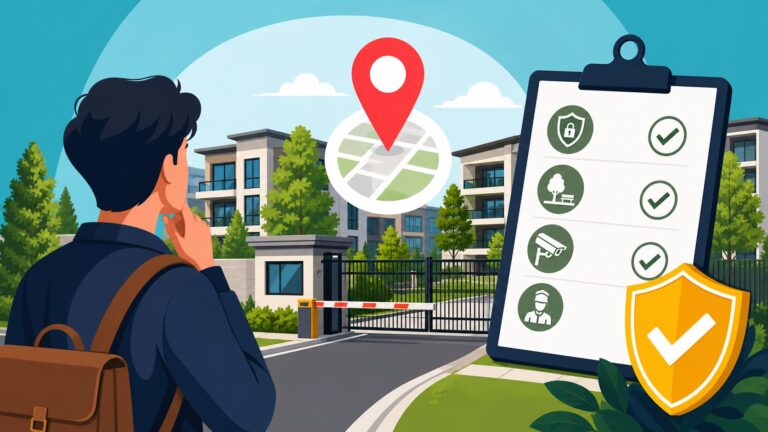
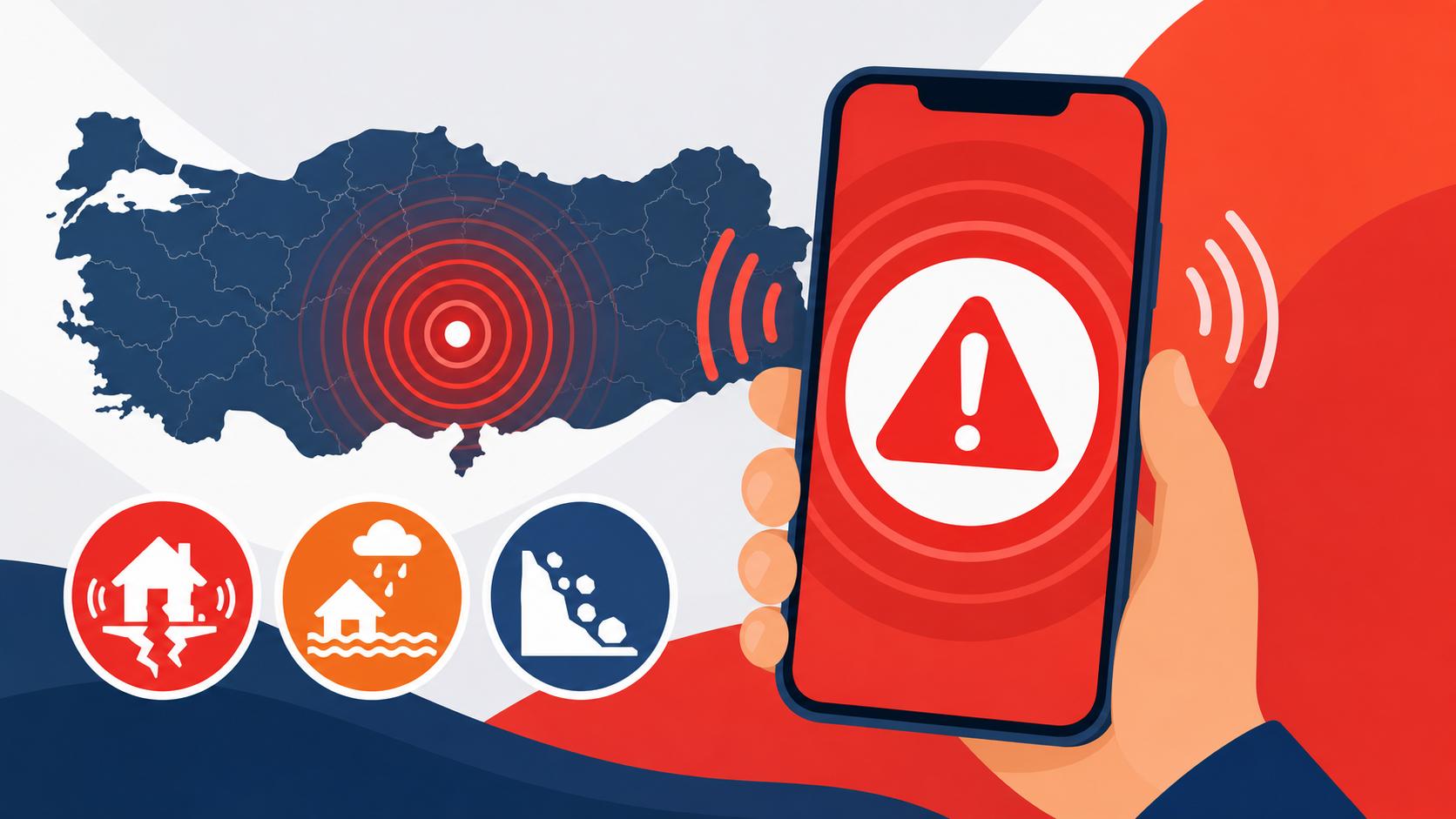
Unlike standard SMS messages that might get delayed in a congested network, the AFAD system utilizes Cell Broadcast technology. This allows the government to send a message to every single mobile phone connected to a specific cell tower simultaneously. When an alert is issued, your phone will likely emit a loud, distinctive siren—even if it is on silent or "Do Not Disturb" mode. This is designed to grab your attention during critical moments, such as an impending flood or a major earthquake drill. If you are still getting settled and looking for a safe place to live, services like Blueground offer apartments in modern buildings that often meet the latest earthquake regulations, providing an extra layer of peace of mind alongside these digital alerts.
Different Types of Alerts You Might Receive
Understanding the context of an alert is half the battle. In Turkey, alerts aren't just for earthquakes; they cover a wide spectrum of potential hazards. Since 2024, the system has been used more frequently for extreme weather events, which are becoming more common in coastal regions like Antalya and Izmir. If you are just starting your journey here, reading our Living in Turkey as a Foreigner: The Ultimate Starter Guide (2027) can help you get a broader sense of the environment you are moving into.
Earthquake Early Warnings and Drills
The most common reason you will hear the AFAD siren is for earthquake-related events. Turkey is a land of fault lines, and the government frequently conducts nationwide or regional drills. These are usually announced in advance on the news, but the alert itself will still be loud. In the event of a real, high-magnitude earthquake, the system aims to provide a few seconds of warning in certain regions, though this technology is still being refined. It is vital to distinguish between a "Tatbikat" (drill) and a real "Deprem" (earthquake).
Severe Weather and Flood Notifications
If you live in the Black Sea region or along the Mediterranean, you will likely receive "Meteorolojik Uyarı" messages. These are color-coded: yellow for potential danger and orange/red for high-risk situations like flash flooding or hurricane-force winds. After the massive floods in recent years, AFAD has become very proactive in sending these. If you haven't yet secured a permanent local number and are using an e-sim from Airalo, you might not receive these cell broadcasts reliably, which is why transitioning to a local provider is a safety priority.
Configuring Your Mobile Device for AFAD Alerts
A common frustration for expats is either receiving too many test alerts or, more dangerously, receiving none at all. Your phone's ability to pick up these signals depends on your internal settings and your network connection. If you are using an imported phone, you should also be aware of The 120-Day Phone Rule: Understanding When Your Foreign Phone Will Block, as a blocked IMEI will prevent you from receiving any emergency notifications through a Turkish SIM.
Settings for Android and iPhone Users
On an iPhone, you can find these settings under "Notifications." Scroll to the very bottom, and you will see a section for "Government Alerts." You should see options for "Emergency Alerts" and "Public Safety Alerts." In Turkey, I highly recommend keeping all of these toggled on. Android users will find similar settings under "Safety and Emergency" or "Wireless Emergency Alerts" in the settings menu. Make sure "Allow Alerts" is enabled. If you find the drill alerts too disruptive, some versions of Android allow you to turn off "Test Alerts" specifically, though I suggest keeping them on until you are familiar with the system.
The Importance of Using a Local SIM Card
While international roaming sometimes picks up these broadcasts, it is notoriously unreliable. To ensure you are part of the local "cell" being targeted by AFAD, you need a SIM card from one of the major providers. You can learn more about this in our guide on Mobile Networks in Turkey: Comparing Turkcell, Vodafone, and Türk Telekom. Local SIMs are tuned to the specific frequencies used by the Turkish government’s broadcast system. Additionally, having a local data plan ensures you can quickly use translation apps when an alert pops up in Turkish.
Translating Common AFAD Alert Phrases
When the siren goes off, you won't have time to pull out a dictionary. The messages are almost always in Turkish, which can be terrifying if you only know "Merhaba." I’ve compiled a list of the most frequent terms you will see in an AFAD notification. If you are working on your language skills, check out our Essential Turkish Phrases for the Doctor: Communicating Symptoms Effectively for other health-related vocabulary.
| Turkish Term | English Meaning | Urgency Level |
|---|---|---|
| Tatbikat | Drill / Exercise | Low (Informational) |
| Hayati Uyarı Bildirimi | Life Warning Notification | High (Immediate Attention) |
| Deprem | Earthquake | Critical |
| Sel Riski | Flood Risk | High |
| Şiddetli Fırtına | Severe Storm | Medium/High |
| Tahliye | Evacuation | Critical |
| Çök-Kapan-Tutun | Drop-Cover-Hold On | Critical (Action Required) |
What to Do Immediately After an Alert
The moment you see the "Çök-Kapan-Tutun" instruction, the system is telling you that shaking is imminent or occurring. This is the standard "Drop, Cover, and Hold On" protocol. If the alert is for a "Meteorolojik Uyarı," the message will usually advise you to stay away from trees, poles, and coastal areas. Once you’ve taken immediate cover, your next step should be to check the official AFAD Twitter (X) account or their mobile app, as they provide real-time updates that are more detailed than the initial broadcast.
Disaster Preparedness for Expats in Turkey
Receiving an alert is only effective if you have a plan. Living in an earthquake-prone zone requires a level of preparedness that many of us didn't need in our home countries. I’ve lived through several tremors in Izmir and Istanbul, and having a plan is the only thing that keeps the heart rate down. You should start by reading Natural Disasters in Turkey: Earthquake Preparedness and Safety for Expats to understand the specific risks of your neighborhood.
Building an Earthquake Kit
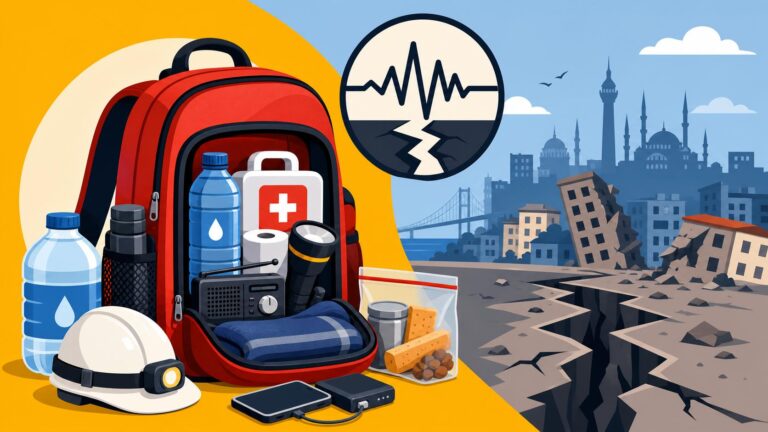
Every expat home should have a "Deprem Çantası" (Earthquake Bag) near the exit. This should include water, non-perishable food, a first-aid kit, a whistle, and copies of your residence permit and passport. You can easily find these supplies on Amazon Turkey, which is often the most convenient way to source high-quality flashlights and power banks that won't fail you in an emergency. For a full checklist, see our guide on Earthquake Go-Bags (Deprem Çantası): What to Prepare for Your Home in Istanbul.
Digital Resources and Apps
In addition to the built-in system alerts, I highly recommend downloading the "AFAD Acil" mobile app. This app allows you to report your location if you are trapped and provides a "one-tap" emergency call button to Calling 112 for an Ambulance: Dispatch Workflows and Language Support. Another useful tool is the "e-Devlet" portal. Make sure your address is correctly registered; you can follow our Using e-Devlet to Register Your Address at the Local Nüfus Directorate guide to ensure the authorities know exactly where you reside in case of a regional emergency.
Why You Might Not Receive Alerts
If your neighbors' phones are screaming and yours is silent, there are a few likely culprits. First, check your "Emergency Alert" settings as mentioned earlier. Second, if you are using a very old phone or a "gray market" device that hasn't been properly registered, the hardware might not support the specific broadcast channels used in Turkey.
Another common issue is being in a "dead zone" for your specific carrier. While Turkey has excellent overall coverage, some older stone buildings or basement apartments can block signals. This is another reason to consider well-constructed housing through reputable providers. If you ever feel that your living conditions are unsafe or lack basic health standards, it’s worth reviewing Health Hazards and Prevention: Tap Water Safety and Common Stomach Bugs to see how environment affects your overall well-being in Turkey.
Lastly, make sure you aren't stuck on a tourist SIM that has expired. If you’ve recently transitioned from a tourist visa to a residence permit, check our guide on Tourist SIM Cards vs Resident Plans: Why Data Prices Drop After Getting Ikamet to ensure your line is active and fully registered to your TC identity number. An unregistered or "passive" line is less likely to receive the full range of public safety broadcasts.
Final Steps for Your Safety
Being an expat in Turkey is a rewarding adventure, but it requires a proactive approach to safety. The AFAD Emergency Alert System is a world-class tool designed to protect you, provided you know how to use it. Take ten minutes today to check your phone settings, download the AFAD Acil app, and perhaps order a few essentials for your emergency kit.
If you are new to the country and still navigating the administrative side of things, like Getting a Health Report (Sağlık Raporu) for Work or Driving License Conversions or furnishing your new home with Buying Furniture and Appliances: Using Trendyol, Hepsiburada, and IKEA, don't let the fear of "what if" overshadow your experience. A little preparation goes a long way. Stay alert, stay informed, and remember that the loud siren is there to be your friend, not your enemy.
Disclaimer
This guide is for informational purposes only and is based on personal expat experiences and publicly available information regarding the AFAD system in Turkey as of 2026. While we strive for accuracy, emergency protocols and mobile technology settings can change. Always follow the direct instructions of local authorities and emergency services during a real disaster. We are not a government agency and cannot guarantee the delivery of emergency alerts to your specific device.