Living in Fethiye and Bodrum: Year-Round Life vs Peak Tourist Season Chaos
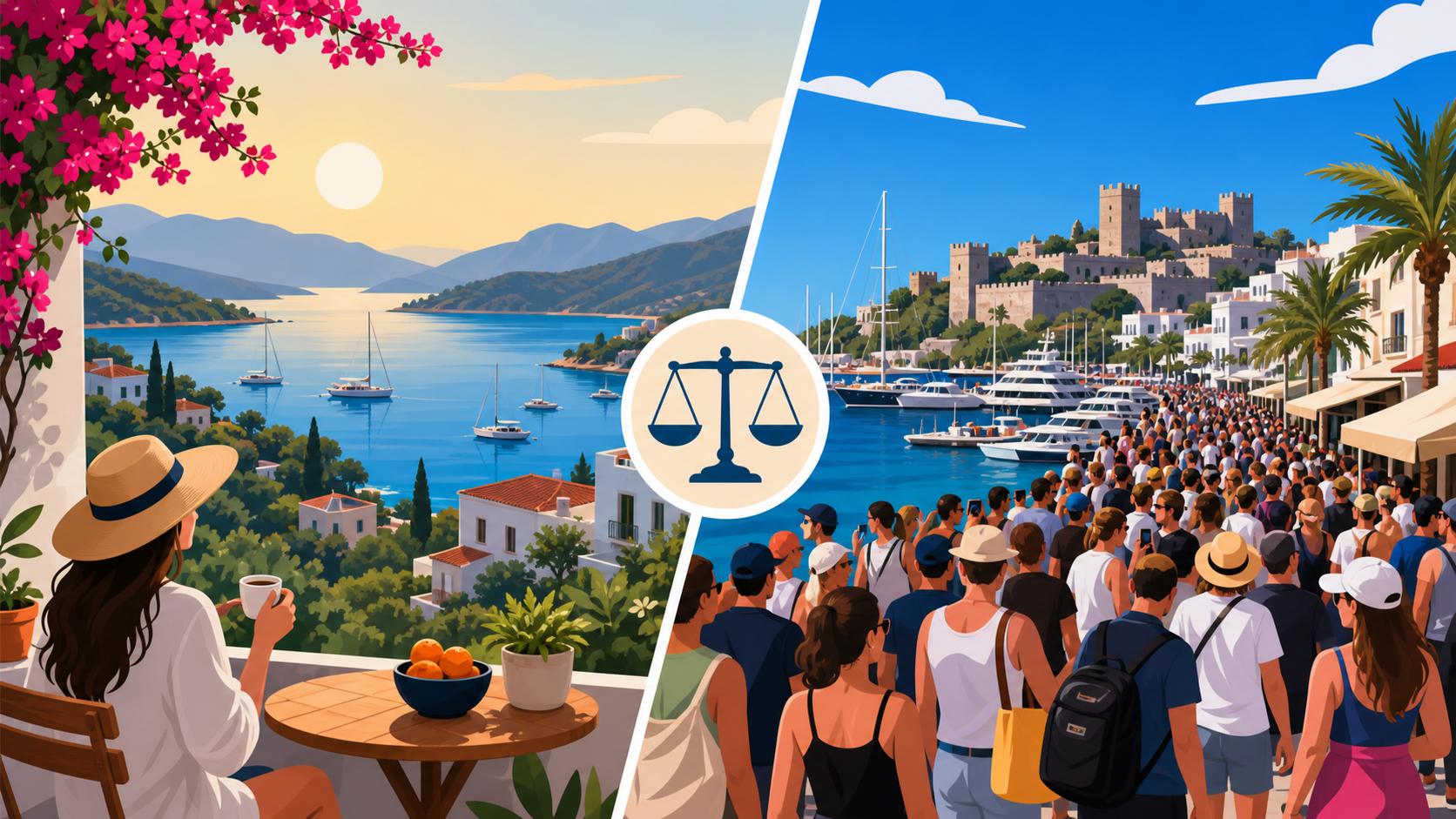
The shock of moving to the Turkish coast is often the jarring transition from a bustling July to a silent, rain-soaked January. I personally remember the eerie silence of my first Fethiye winter when the local bakery simply stopped opening. This guide solves the dilemma of whether you should choose Fethiye or Bodrum for year-round living by dissecting the seasonal chaos.
The Seasonal Transformation: Adapting to the Aegean and Mediterranean Pulse
Living in Fethiye or Bodrum is not a static experience; it is a tale of two entirely different worlds that alternate every six months. From May to October, you are living in the heart of a global vacation destination. From November to April, you are a resident of a quiet, provincial Turkish town. Understanding this rhythm is the most critical part of Living in Turkey as a Foreigner: The Ultimate Starter Guide (2027).
Summer Survival: Navigating Traffic, Crowds, and Heat
During the peak season, the population of Bodrum can swell from 180,000 to over a million. This creates a logistical nightmare that many newcomers are unprepared for. Traffic in Bodrum, particularly around the Midtown junction or the road to Yalıkavak, can become as stagnant as central Istanbul. Fethiye experiences similar strain, especially on the roads leading to Ölüdeniz and the narrow streets of Paspatur.
During these months, you will find yourself staying indoors during the day, not just because of the 40-degree heat, but to avoid the sheer volume of tourists. Your favorite quiet café will likely be overrun, and booking a table at a local restaurant becomes a week-long endeavor. During these peak surges, local mobile towers often struggle with the load. I highly recommend having an eSIM from Airalo as a backup data source when the local Wi-Fi at your favorite seaside spot inevitably buckles under the pressure of a thousand simultaneous Instagram uploads.
Winter Realities: The Ghost Town Phenomenon and Practical Hurdles
When the last charter flight leaves Dalaman or Milas-Bodrum airport in late October, the "Great Shutdown" begins. In areas like Hisarönü in Fethiye or Gümbet in Bodrum, up to 80% of businesses simply board up their windows. This is the period where many expats face a sense of isolation. The vibrant nightlife vanishes, replaced by the sound of the "Lodos" winds and heavy Mediterranean rain.
Winter in these regions is surprisingly damp. Unlike the dry cold of Ankara, the coast suffers from high humidity that can lead to mold issues in homes not built for year-round habitation. You will find that many summer rentals lack proper insulation. This is when you’ll find yourself scouring Amazon Turkey for high-capacity dehumidifiers and electric heaters, as most coastal apartments do not have natural gas connections. For a more seamless transition without the headache of furnishing a drafty summer house, companies like Blueground offer professionally managed, high-quality apartments in major Turkish hubs that can serve as a much-needed sanctuary if you decide the coastal winter isn't for you.
Practical Living: Housing, Logistics, and Infrastructure
Choosing where to lay your head involves more than just a sea view. The infrastructure in Fethiye and Bodrum was largely designed for summer occupancy, and while it is improving, year-round residents still face unique challenges. You should consult our guide on Best Cities in Turkey for Expats: Comparing Istanbul, Izmir, Ankara, and Antalya to see how these coastal towns stack up against more urban environments.
Finding Long-Term Rentals Amidst the AirBnb Gold Rush
The housing market in Fethiye and Bodrum is notoriously difficult for year-rounders. Landlords often prefer "seasonal rentals," where they charge triple the price for the summer months and leave the house empty in winter. When you are Renting in Turkey: Lease Contracts, Deposits, and Tenant Rights Explained, you must be extremely clear that you are looking for a 12-month contract.
In Bodrum, you might find more luck in the "Acıbadem" area or the hills of Konacık, which are more residential and less tourist-focused. In Fethiye, the Akarca and Çalış neighborhoods remain functional throughout the winter, whereas Ovacık becomes a literal ghost town. Be aware that since The End of the 25% Rent Cap: Calculating TÜFE Rent Increases in 2026, your second-year rent increase could be substantial, reflecting the high demand for coastal living.
Infrastructure Challenges: Heating and High-Speed Internet
One of the most common complaints from the expat community is the "winter chill." Most homes use air conditioning units (AC) for heating, which is both expensive and inefficient during the rare but real cold snaps. Before signing a lease, check for a "Kat Kaloriferi" (individual electric or coal heating system). Understanding Central Heating (Merkezi Sistem) vs Kombi Boilers: Winter Heating Costs is essential, even if your "kombi" is electric rather than gas.
Internet stability also fluctuates. While fiber is being rolled out in central Bodrum and Fethiye, more remote villas often rely on VDSL or even 4G routers. If you are a digital nomad, Choosing an Internet Provider in Turkey: Fiber vs VDSL (Turk Telekom, Superonline) should be your first priority. I have spent many a winter afternoon in a Fethiye café waiting for a technician who was delayed by a flooded road—patience is not just a virtue here; it is a survival skill.
Community and Social Dynamics for Expats
The social life in a coastal town is vastly different from the anonymous bustle of a metropolis. In Fethiye and Bodrum, you will find a tight-knit, often opinionated, and very helpful expat community. These groups are vital for Expat Support Groups: Managing Isolation and Culture Shock in Turkey.
Expat Hubs and Meeting Points
In Fethiye, the "Çalış Children's Charity" and various "Coffee Morning" groups are the backbone of the social scene. You will meet retirees, remote workers, and "yachties" who stay for the winter maintenance season. Bodrum has a more eclectic mix, with a heavy presence of artists, writers, and wealthy Istanbulites who have fled the city.
The winter is actually the best time to make real friends. When the "tourist mask" falls off the town, you get to know the local "Esnaf" (shopkeepers). You’ll find yourself spending hours at the Weekly Pazar Markets: How to Buy Fresh Produce and Negotiate Like a Local, where the vendors will eventually recognize you and start setting aside the best olives or seasonal greens. This is the "real" Turkey that disappears behind the "English Breakfast" signs of July.
Financial Considerations: Budgeting for Coastal Life
Living on the coast can be more expensive than you think. While you might save on city commute costs, the "tourist tax" is real. Prices at restaurants often have a "local" price and a "tourist" price, though this is becoming less common with standardized menus. Still, you need to know your way around Turkish Supermarkets Explained: The Difference Between Migros, Carrefour, Şok, and Bim to keep your grocery budget under control.
| Expense Category | Summer (Peak) | Winter (Off-Season) | Notes |
|---|---|---|---|
| Rent (2+1 Apartment) | 40,000 – 80,000 TL | 25,000 – 45,000 TL | Summer prices often reflect short-term holiday rates. |
| Electricity (AC/Heating) | High (Cooling) | Very High (Heating) | Coastal homes are rarely insulated; AC heating is pricey. |
| Dining Out | High (Crowded) | Moderate (Local Deals) | Many high-end Bodrum restaurants close in winter. |
| Groceries | Standard | Standard | Use the local Pazar for the best value. |
| Transportation | Expensive (Taxis/Traffic) | Cheap (Easy Dolmuş) | Taxis are hard to find in summer and use more fuel in traffic. |
Healthcare and Emergency Access
One often-overlooked aspect of coastal life is healthcare. Bodrum has excellent private hospitals like Acıbadem and American Hospital, which are frequented by expats. Fethiye has the State Hospital and private options like Letoon. However, during the winter, specialist availability might decrease. Ensure your Health Insurance in Turkey: SGK Public System vs Private Coverage Explained is up to date, as private care is the preferred route for most expats in these regions to avoid the long summer wait times in public clinics.
Living year-round in Fethiye or Bodrum requires a specific temperament. You must love the chaos of the summer—the energy, the blue cruises, and the late-night dinners—but you must also find peace in the solitude of a rainy Aegean January. It is a life of extremes, but for those of us who have stayed through the storms, we wouldn't have it any other way.
Disclaimer
The information provided in this guide is for informational purposes only and reflects the realities of living in Turkey as of 2026. Laws regarding residency, rental caps, and taxes are subject to frequent change. Always consult with official government sources or qualified legal professionals before making significant financial or immigration decisions.