Navigating Closed Neighborhoods (Kapalı Mahalleler) Before Signing a Lease
Finding out your dream apartment is located in a "closed neighborhood" is one of the most frustrating roadblocks you can hit when moving to Turkey. I personally spent weeks scouting the perfect historical flat in Fatih, only to realize at the last second that I could never actually register my address there. This guide solves that confusion by explaining exactly how to identify restricted zones and protect your residency.
The Origins and Logic of Kapalı Mahalleler
The term Kapalı Mahalleler, or "closed neighborhoods," refers to specific districts and neighborhoods across Turkey where the foreign population has exceeded 20% of the total resident count. The Turkish Ministry of Interior implemented this policy to maintain demographic balance and ensure that social services are not overwhelmed in concentrated areas. For an expat, this means that even if you find a landlord willing to rent to you, the Migration Management office (Göç İdaresi) will not allow you to register that address for your residency permit.
The 20 Percent Threshold
The math behind these closures is relatively straightforward but has massive implications for your life here. Once the ratio of foreigners to Turkish citizens in a specific neighborhood hits 20%, the government "freezes" new registrations for foreigners. This isn't just about Syrian or Afghan refugees; it applies to everyone, from digital nomads to retired CEOs. If you are using Living in Turkey as a Foreigner: The Ultimate Starter Guide (2027) to plan your move, you must understand that these numbers are updated periodically.
Living in a neighborhood where you cannot register is a legal nightmare. Without a valid address registration, your Turkish Residence Permits (Ikamet): The Complete Application Guide (2027) can be canceled, or your renewal denied. This is why using a service like Blueground can be so helpful; they often manage properties in areas that are vetted for residency compliance, saving you the heartache of a rejected application. While you are out scouting these areas, staying connected with an e-sim from Airalo is essential to check real-time updates on neighborhood status.
Demographic Preservation and Social Cohesion
The government's stated goal is social cohesion. By spreading the foreign population across more diverse districts, they aim to prevent the formation of "ghettos" or "expat bubbles" that don't integrate with the local culture. For the veteran expat, this can feel like a punishment for wanting to live near friends or international amenities, but it is the reality of the current administrative landscape.
The list of closed areas has grown significantly over the last few years. What started as a few neighborhoods in Istanbul has expanded to over 1,000 neighborhoods across the country, including major hubs in Antalya, Mersin, and Ankara. Before you even think about ordering furniture from Amazon Turkey for your new place, you need to be 100% sure the neighborhood is "open." some people buy entire living room sets from Amazon Turkey only to have to move them across the city three weeks later because their residency was rejected.
Practical Methods for Checking Restricted Areas
You cannot simply trust a real estate agent (Emlakçı) when they tell you a neighborhood is "fine." Many agents are either uninformed or simply desperate to close a deal and collect their commission. You need to be proactive and verify the status of the specific Mahalle (neighborhood) yourself. This is where your digital tools come into play. Keeping your Airalo data active allows you to pull up the latest government PDF lists while you are literally standing in front of an apartment building.
Navigating the Official Ministry Lists
The most reliable source is the official website of the Presidency of Migration Management (Göç İdaresi). They publish a list of closed neighborhoods that is updated whenever the 20% threshold is crossed. However, these lists are often provided in large PDF formats and are exclusively in Turkish. You will need to search for your specific city and then drill down into the district (İlçe) and finally the neighborhood (Mahalle).
If you are looking at the Istanbul Neighborhood Guide: European vs Asian Side Lifestyles for Expats, you will notice that popular areas like Fatih, Esenyurt, and parts of Zeytinburnu have been closed for a long time. Using a professional housing provider like Blueground can simplify this, as they generally focus on premium areas that are still open to foreign registration. If you are doing it alone, never sign a lease until you have cross-referenced the Mahalle name on the latest official list.
Using e-Devlet for Real-Time Verification
If you already have a temporary residency or a tax ID, you can sometimes use the e-Devlet portal to check address availability. While the system doesn't have a simple "is this area closed?" button for tourists, you can look at The e-Ikamet System: How to Apply, Renew, and Track Your Residence Permit and see how address registration works. If you try to change your address to a closed neighborhood through the system, it will often trigger an error message or a warning.
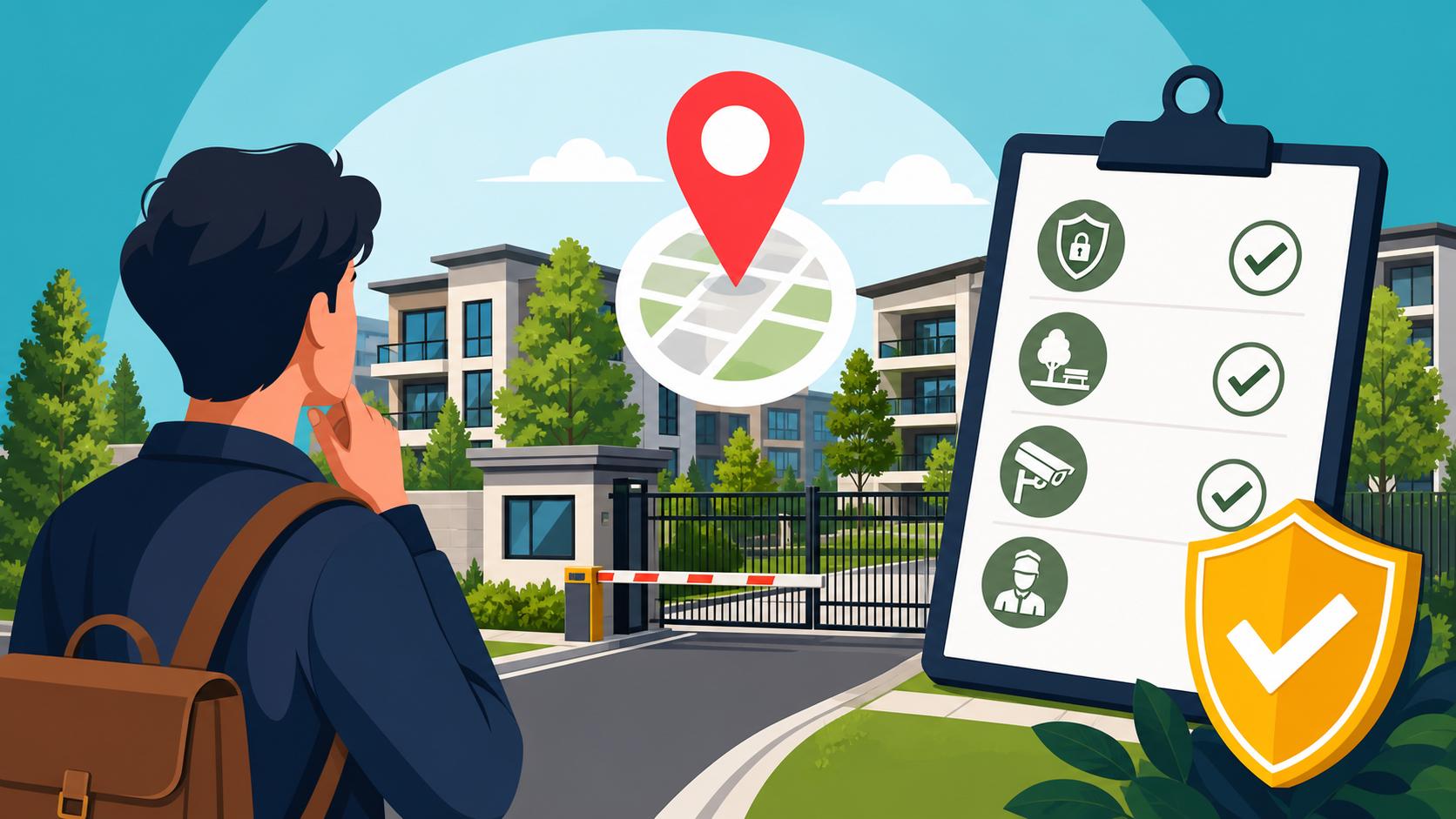
I highly recommend that before you pay a single Lira in deposit, you ask the landlord for a copy of the "Tapu" (Title Deed). The Tapu will state the exact Mahalle name. Use your Airalo connection to verify that specific name against the restricted list immediately. Once you are cleared and have signed a legal lease, you can start the fun part—ordering your home essentials from Amazon Turkey. Just remember that the address on your Amazon Turkey account must match your registered address to avoid any confusion with local kargo deliveries.
What Happens if You Rent in a Closed Zone
The consequences of renting in a closed zone range from inconvenient to life-altering. The most immediate issue is that you will be unable to complete your Address Registration (Nüfus): The Most Critical Post-Arrival Step for Foreigners. Without this registration, you are essentially "homeless" in the eyes of the Turkish state, even if you have a 12-month lease and are paying rent via bank transfer.
Automatic Rejection of Initial Applications
If you are a first-time applicant for a residence permit and you submit a lease for an apartment in a closed neighborhood, your application will be rejected almost immediately. There is no grace period for this. You will be given a document stating your application was denied and usually a 10-day window to leave the country. This is a terrifying situation to be in, especially after moving all your belongings.
To avoid this, some expats look for short-term, flexible housing through platforms like Blueground while they wait for their residency to clear in a guaranteed "open" district. This gives you a legal base of operations. While staying in such a place, you can use your Airalo data to research more permanent options without the pressure of an expiring visa. If you have already started buying appliances from Amazon Turkey, make sure they are delivered to a location where you are certain you can stay.
Complications for Ikamet Renewals
For those of us who have lived here for years, the rules are slightly different but still stressful. If you were already registered in a neighborhood before it was "closed," you are usually allowed to stay and renew your permit there. However, if you decide to move—even to the apartment next door in the same building—and that neighborhood is now closed, you will not be allowed to register the "new" address.
This "lock-in" effect means many expats are stuck in old apartments with rising rents because they are afraid to move and lose their residency status. If you find yourself in this position, consult Address Registration Penalties: The Strict 20-Day Rule for Moving House to see how to handle transitions. Many people find it easier to switch to a managed apartment from Blueground in a non-restricted area just to have peace of mind. While you are moving, Amazon Turkey is your best friend for packing supplies and new home decor, delivered right to your new, legally-compliant door.
| District (İlçe) | Neighborhoods (Mahalle) Status | Common Expat Visibility |
|---|---|---|
| Fatih | Almost Entirely Closed | High (Historic Center) |
| Esenyurt | Almost Entirely Closed | High (Budget Housing) |
| Şişli | Selective Closures (e.g., Meşrutiyet) | Very High (Business/Shopping) |
| Beşiktaş | Mostly Open | High (Luxury/Coastal) |
| Kadıköy | Mostly Open | High (Cultural/Trendy) |
| Alanya | Significant Closures (e.g., Mahmutlar) | High (Retirement/Holiday) |
Legal Exceptions for Specific Resident Groups
Not every foreigner is treated the same under the closed neighborhood policy. There are a few specific categories where the 20% rule might be waived or bypassed, though these are narrow and require significant documentation. It is always best to double-check these through the Navigating the e-Ikamet System: How to Apply, Renew, and Track Your Residence Permit portal.
Property Ownership Pre-Dating Restrictions
One of the most common exceptions applies to those who purchased property before the neighborhood was officially closed. If you hold a "Tapu" (Title Deed) for a property in Fatih that you bought in 2020, you can generally still register your residency there even though the neighborhood is now closed to new renters. This is part of the government's effort to protect the investment rights of property owners.
However, if you are buying property now, you must be extremely careful. Refer to Real Estate Residence Permits: Understanding the Strict USD 200,000 Tapu Rule to ensure you are meeting the financial thresholds while also staying in an open zone. If you are a property owner in a closed zone, you can still enjoy the convenience of Amazon Turkey for your renovations, and your Airalo e-sim will keep you connected with your lawyers during the Tapu transfer process.
Students and Work Permit Holders
In some cases, students enrolled in state or foundation universities may be allowed to register in closed neighborhoods if they are staying in official university dormitories located within those zones. Similarly, some work permit holders might find a bit more flexibility, although this is increasingly rare. Most corporate HR departments will now strictly advise their foreign employees to avoid Why Esenyurt, Fatih, and Zeytinburnu are Completely Closed to New Foreign Residents and other restricted areas.
If you are a digital nomad or freelancer, you generally do not fall under these exceptions. You are treated the same as a tourist when it comes to neighborhood restrictions. For this reason, many nomads prefer the curated experience of Blueground, which ensures all their housing is above board. Whether you are a student or a CEO, you'll likely be spending a lot of time on Amazon Turkey getting your desk setup ready, and you'll definitely need Airalo for those first few weeks before your home fiber internet is installed.
Strategic Moving and Leasing Advice
Before you sign anything, you need a strategy. The "handshake deal" does not exist in the world of Turkish residency. Everything must be documented, notarized, and verified. Many people lose their deposits because they rush into a lease in a closed area.
Including Protective Clauses in Your Lease
When you are Renting in Turkey: Lease Contracts, Deposits, and Tenant Rights Explained, you should always include a specific clause regarding residency. I recommend adding a line that states the lease is contingent upon the successful registration of the address at the Nüfus (Population) office. If the registration is rejected because the neighborhood is closed, the lease should be voidable without penalty, and the deposit should be returned.
Landlords might resist this, but it is your only real protection. If they refuse, it's a red flag that they might know the area is restricted. Using a transparent provider like Blueground eliminates this risk, as their business model depends on legal compliance. Once you have a safe lease, you can order your kitchen gadgets and linens from Amazon Turkey with total confidence. And while you're waiting for the moving truck, keep your Airalo data topped up so you can coordinate with the "Usta" (handyman) or the delivery drivers.
Scouting with Local Connectivity and Support
The best way to scout is to actually walk the streets. Use your Airalo data to keep Google Maps open and verify the exact neighborhood boundaries. Sometimes one side of a street is in an open Mahalle, while the other side is closed. It is that precise. Talk to local shopkeepers or the "Muhtar" (neighborhood head) if you can. The Muhtar is the ultimate authority on who is living in the neighborhood and whether new foreign registrations are being accepted.
If you don't speak Turkish, this can be daunting. This is why services that cater to expats, like Blueground, are worth the premium. They handle the "Muhtar" and "Nüfus" headaches for you. Once you're settled, you'll find that life in Turkey is incredible—you'll be ordering your groceries on apps and your electronics from Amazon Turkey in no time. Just make sure that the foundation—your legal address—is solid. Don't let a "closed neighborhood" be the reason your Turkish adventure ends prematurely.
Disclaimer
This guide is for informational purposes only and does not constitute legal advice. Immigration laws and the list of closed neighborhoods in Turkey change frequently and without much prior notice. Always verify the current status of any neighborhood with the official Presidency of Migration Management (Göç İdaresi) or a qualified immigration attorney before signing a lease or making financial commitments.