Credit Cards and Loans in Turkey: How Foreign Expats Can Build Credit
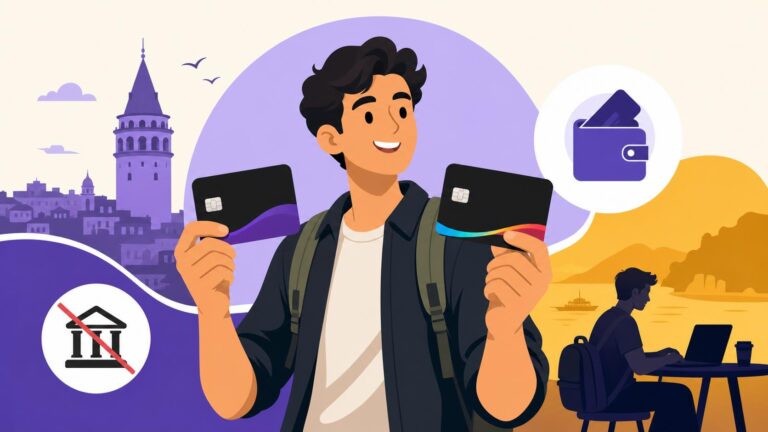
Trying to get a credit card in Turkey often feels like shouting into a void where the only response is a polite but firm "Maalesef"—unfortunately. I spent my first six months in Istanbul being rejected by every major bank despite having a steady foreign income and a clean history back home. This guide solves the mystery of the Turkish credit system and gives you a roadmap to financial credibility.
The Reality of the Turkish Credit System for Foreigners
If you have just arrived in Turkey, your credit score from your home country—no matter how stellar it might be—is essentially invisible here. Turkey operates on its own centralized credit reporting system, and until you enter that ecosystem, you are a ghost to local lenders. This can be incredibly frustrating when you are trying to do basic things like setting up a mobile phone contract or buying a car. You might have thousands of dollars in a foreign account, but to a Turkish bank clerk, you are a high-risk entity with no local footprint.
The local system is governed by the Kredi Kayıt Bürosu (KKB), which aggregates data from all financial institutions. When you apply for any form of credit, the bank pulls a report from a platform called Findeks. This report includes your payment history, current debt levels, and the age of your accounts. Because you are an expat, your Findeks file is likely empty or "not found," which triggers an automatic rejection in most automated systems. Understanding this is the first step toward overcoming the hurdle; you aren't being rejected because you're "bad" with money, but because the system hasn't met you yet.
I remember sitting in a branch in Beşiktaş, showing the manager my foreign bank statements, only to be told that they didn't exist in their "system." It was a humbling experience that taught me I needed to play by the local rules. You have to actively feed the Turkish credit machine small bits of data over time to build a profile. This requires patience and a strategic approach to how you handle your daily Money in Turkey for Expats: Banking, Payments, and Finance Guide (2027).
Why Banks are Hesitant with Foreign Residents
The primary reason for the "Maalesef" culture in Turkish banking is the perceived flight risk. Banks are wary that a foreigner might rack up significant debt on a credit card or take out a personal loan and then suddenly leave the country. Since debt collection across international borders is a legal nightmare, many branch managers prefer to simply say no rather than risk a non-performing loan on their books. Even if you have a long-term residence permit (Ikamet), the bank sees the expiration date on that card as the potential end-date of your reliability.
Furthermore, Turkish labor laws and the 5-to-1 rule (where five Turks must be employed for every one foreigner) mean that many expats are on precarious work permits. If your work permit is tied to a specific employer and you lose that job, your legal right to remain in Turkey—and thus your ability to pay back a loan—is compromised. This systemic instability makes the "İhtiyaç Kredisi" (personal loan) one of the hardest financial products for an expat to obtain in their first few years.
Finally, there is the issue of currency volatility. Banks in Turkey have lived through various cycles of high inflation and Lira devaluation. If you are earning in a foreign currency but spending in Lira, or vice versa, the bank sees an added layer of exchange rate risk. They worry that a sudden shift in the value of the Lira could make your debt unmanageable. This is why many expats choose to keep a portion of their wealth in stable assets or use platforms like Binance to manage their liquidity and hedge against local currency fluctuations.
The Kredi Kayıt Bürosu (KKB) and Findeks Explained
Findeks is the consumer-facing brand of the KKB, and it is your new best friend or your worst enemy. It assigns you a score between 1 and 1,900. A score of 1,500 or above is generally considered "Good," while anything below 1,100 makes it nearly impossible to get a standard credit card. As a foreigner, you won't even have a score until you've had a registered credit product for at least six months. This creates a "catch-22" where you need a card to get a score, but you need a score to get a card.
To check your score, you can download the Findeks app or access it via the e-Devlet portal. However, be warned that as a foreigner, the registration process on the Findeks app can be finicky. It often requires a Turkish phone number registered in your own name and your 99-series foreigner identification number. If the system doesn't recognize you, it’s usually because your bank hasn't yet reported your existence to the KKB. This is common if you only have a basic savings account with no overdraft or credit features.
Monitoring this score is essential once you finally break into the system. Every small action, from a late utility bill payment to a rejected credit card application, can ding your score. Conversely, consistently using a small amount of credit and paying it off in full each month will see your numbers climb. It’s a slow game, but once you hit that 1,500 mark, the doors to Credit Card Eligibility for Foreigners Without a Lengthy Turkish Credit History begin to open.
Securing Your First Turkish Credit Card
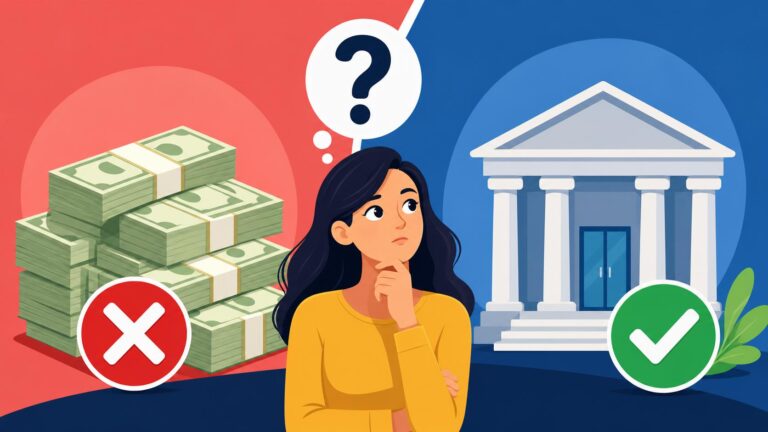
The most effective way to break the "no credit history" cycle is to apply for what is known as a "Bloke Teminatlı Kredi Kartı"—a cash-blocked or secured credit card. In this arrangement, you deposit a certain amount of money into a fixed account (say, 20,000 TL), and the bank "blocks" this money as collateral. They then issue you a credit card with a limit usually representing 70% to 80% of that deposit. Since the bank has your cash sitting in a vault, their risk is zero.
New arrivals are often advised to skip the standard application and go straight for the secured option. It saves you the emotional drain of constant rejections and starts your Findeks clock immediately. Banks like Kuveyt Türk, Ziraat Bankası, and sometimes Garanti BBVA are more open to these arrangements for foreigners. You will need to walk into the branch and specifically ask for a "teminatlı" card, as the entry-level staff might not always suggest it.
While you are setting up these accounts, security is paramount. Turkish banking apps are sophisticated but frequently targeted by local phishing scams. Using a secure connection through NordVPN when accessing your banking portal, especially on public Wi-Fi in Istanbul's many cafes, is a non-negotiable habit for the tech-savvy expat. It adds that necessary layer of encryption that prevents local sniffers from intercepting your login credentials during the sensitive setup phase.
The Cash-Block Method (Bloke Teminatlı)
The cash-block method is the "golden ticket" for expats. When you set this up, the bank will typically ask you to keep the funds in a "Vadeli" (time-deposit) account. This is actually a small win for you, as that blocked money will often earn a bit of interest while it sits there. You'll sign a contract agreeing that if you fail to pay your credit card bill, the bank can seize the blocked funds to cover the debt. For a detailed breakdown, see our guide on Securing a Credit Card in Turkey by Depositing a Cash Block (Bloke).
After about 6 to 12 months of using this card and paying it off religiously, you can return to the bank and ask them to "unblock" your deposit. By this point, you will have a Findeks score. If your score is healthy, the bank will often release your cash and convert the card into a standard, unsecured credit card. This is the moment you officially transition from a "financial tourist" to a "financial resident."
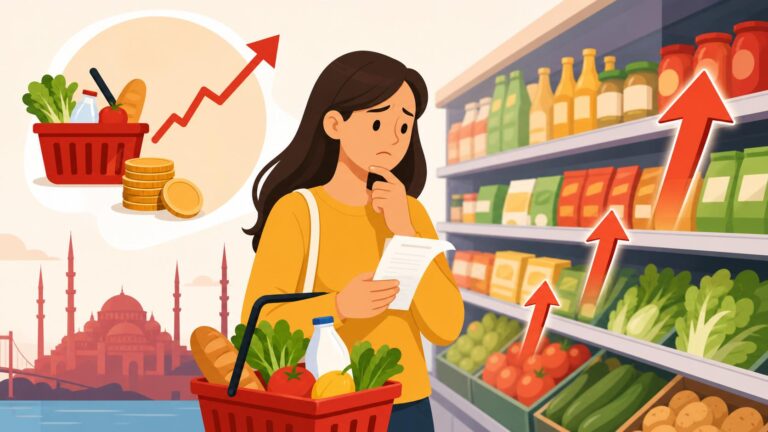
One thing to watch out for is the limit. Because of the high inflation we’ve seen leading into 2026, a 20,000 TL limit that seemed generous a year ago might now barely cover a weekly grocery run and a nice dinner out. You may need to periodically increase your blocked deposit to keep your credit limit functional. To fund these deposits without losing a fortune in bank transfer fees, using Wise to move your home currency into your Turkish Lira account is the smartest move. It avoids the "telegraphic transfer" fees that local banks love to hide in the fine print.
Necessary Documentation for Applications
When you head to the bank, do not expect them to have your information on file just because you have an account there. You must bring a "physical folder" of your life in Turkey. At a minimum, this includes your original passport, your valid residence permit (Ikamet), and a Turkish Tax ID number. If you haven't secured these yet, you should start with our tutorial on Opening a Bank Account in Turkey: Rules for Expats, Tourists, and Investors.
In addition to the basics, the most critical document for an unsecured card is proof of income. If you are employed locally, this means a "Maaş Bordrosu" (payslip) from the last three months, stamped and signed by your employer. If you are a digital nomad or freelancer, you will need to show a consistent history of incoming funds. This is where things get tricky, as Turkish banks often don't "count" foreign income unless it’s actually landed in a Turkish account.
Finally, you will need a "Yerleşim Yeri Belgesi" (address certificate) which you can download from e-Devlet. The bank needs to know exactly where you live to send your physical card and legal notices. If your address is not registered with the Nüfus (Civil Registry), your application will be dead on arrival. Make sure you have completed your Address Registration (Nüfus): The Most Critical Post-Arrival Step for Foreigners before even stepping into a bank branch.
| Feature | Secured (Bloke Teminatlı) Card | Standard (Unsecured) Card |
|---|---|---|
| Approval Odds | Very High (95%+) | Low for new expats |
| Deposit Required | Yes, 100-120% of limit | No |
| Findeks Impact | Positive (Builds history) | Positive |
| Interest Rates | Standard | Standard |
| Documentation | Ikamet + Passport + Cash | Ikamet + Proof of Local Income |
| Best For | First-year residents | Long-term residents (3+ years) |
Building Your Credit Score from Scratch
Building credit is a marathon, not a sprint, especially in an environment as dynamic as Turkey’s. Once you have that first card, the goal is "utilization management." You want to use the card enough that the bank sees you are active, but not so much that you look desperate for credit. The sweet spot is using about 30% of your available limit. If your limit is 30,000 TL, try to keep your balance around 9,000 TL and pay it off in full every month.
Another overlooked way to build credit is through automated utility payments. In Turkey, having your electricity, water, and internet bills tied to your bank account via "Otomatik Ödeme Talimatı" (automatic payment order) is a sign of financial stability. While these don't always directly impact your Findeks score as much as a credit card does, banks look at your internal "customer score" when deciding whether to grant you a future loan. Consistency here is key.
If you are a high-net-worth individual or a serious investor, you might also consider diversifying your holdings to show the bank you have assets. While traditional Turkish banks are great for daily Lira transactions, many expats use Trade Republic to manage their broader European investment portfolios. Showing a bank manager that you have significant global assets can sometimes grease the wheels for higher credit limits, though this is usually at the manager's discretion.
Timely Bill Payments via e-Devlet
The integration between Turkish banking and the e-Devlet (Electronic Government) portal is impressive. You can track almost all your debts and payments through this single window. For an expat, missing a payment is often a result of not understanding the billing cycle or the SMS notification (which will be in Turkish). Make it a habit to check the E-Devlet Financial Services: Tracking Taxes, SGK Debts, and Bank Accounts section once a month to ensure no "invisible" debts are mounting.
Failure to pay utility bills or traffic fines doesn't just result in a late fee; it eventually gets reported to the credit bureaus. In Turkey, "protested" debts (those that have gone to a notary or legal enforcement) stay on your record for five years and are a total "deal-breaker" for credit applications. If you’re traveling back home for a few months, don't just leave your bills to chance. Ensure your account is funded via Wise so your automatic payments don't bounce.
Some expats have lost their chance at a mortgage simply because they forgot to pay a 200 TL internet bill from an old apartment. The system doesn't care about the amount; it cares about the "breach of contract." Treat every bill, no matter how small, as a test of your financial character in the eyes of the Turkish state.
Using "Taksit" (Installments) Wisely
One of the unique features of the Turkish financial system is the "Taksit" or installment culture. When you buy a laptop or furniture, the cashier will often ask, "Taksit var mı?" (Are there installments?). Turkish credit cards allow you to split a purchase into 3, 6, 9, or even 12 months, often with zero interest if the bank has a partnership with that store. This is a fantastic tool for managing cash flow in a high-inflation environment.
However, from a credit-building perspective, you must be careful. When you take a 12-month installment, the entire amount of the purchase is deducted from your available credit limit immediately. If you have a 50,000 TL limit and buy a 40,000 TL phone on installments, your credit utilization is now 80%, which looks bad on your Findeks report. You need to balance the convenience of installments with the need to keep your utilization ratio low. To learn more about how this works, read Understanding Turkish Installment Payments (Taksit) on Credit Card Purchases.
Furthermore, the government frequently changes the rules on how many installments are allowed for certain items (like electronics or jewelry) to control inflation. As of 2026, some luxury items have very limited installment options for foreigners. Always ask for the "taksit options" before swiping, but keep a mental tally of how much of your total limit you are tying up for the long term.
Navigating Loans and Mortgages
If you are looking to take out a "Konut Kredisi" (mortgage) or an "Araç Kredisi" (car loan) in Turkey, you are facing a challenging landscape. Interest rates have remained significantly higher than those in Western Europe or North America as the Central Bank tries to stabilize the Lira. For a foreigner, getting a mortgage usually requires a down payment of at least 50% of the property's appraised value, and the term is often limited to 10 years rather than 30.
Before you even dream of a mortgage, you need a flawless Findeks history and at least two years of residency. Banks will also require a "Foreign Exchange Document" (DAB) to prove the funds for the down payment came from abroad. This is a complex process involving the Land Registry and your bank. You should read our specialized guide on Personal Loans and Mortgages for Foreigners: High Interest Rates in 2026 before signing any sales contracts.
Many expats find that the interest rates are so high that it makes more sense to "be the bank" themselves. Rather than borrowing locally, they keep their savings in high-yield environments or even stablecoins via Binance to maintain their purchasing power, and then buy property or vehicles in cash. If you do decide to borrow, ensure you are getting a "Sabit Faizli" (fixed rate) loan, as variable rates in Turkey can be a roller coaster you don't want to ride.
Personal Loans (İhtiyaç Kredisi)
A personal loan, or "İhtiyaç Kredisi," is usually used for smaller expenses like home renovations or travel. For foreigners, these are rarely granted without some form of collateral, such as a blocked savings account or a Turkish guarantor (kefil). A "kefil" is a Turkish citizen who agrees to pay your debt if you default. Asking a Turkish friend to be your guarantor is a massive favor and should not be taken lightly, as it ties their credit score to your behavior.
If you are approved, the interest rates will be significantly higher than those for credit cards. In 2026, many banks are capping loan amounts for foreigners based on the remaining duration of their residence permit. If your Ikamet expires in six months, they likely won't give you a 12-month loan. It’s a very logical, but very restrictive, policy.
It is often suggested that expats look into their home-country lending options first. If you have a property or a strong credit history back in the UK, US, or Germany, it is often cheaper to take a personal loan there and transfer the funds to Turkey using Wise. You will pay a fraction of the interest, even after accounting for the currency conversion.
The Housing Loan Market for Foreigners
The Turkish property market has seen massive changes recently, including the $200,000 minimum for property-based residency. This has slowed down the "cheap apartment" boom and forced banks to be more selective. When applying for a housing loan, the bank will send its own appraiser to the property. Note that the "bank value" is often lower than the "market value," meaning you might need even more cash upfront than you anticipated.
As a foreigner, you will also be subject to "Military Clearance" in certain regions, although this is becoming less common in major cities like Istanbul. The bank will not release the funds until the "Tapu" (Title Deed) office gives the green light. It is a bureaucratic marathon that requires a good lawyer and a lot of patience.
For those who are building wealth to eventually buy a home, using platforms like Trade Republic to invest in global ETFs is a common strategy among the expat community. It allows you to grow your "house fund" in a stable currency while you wait for the right moment to enter the Turkish market. Remember, Cost of Living in Turkey 2026: Detailed Budgets for Singles and Families can vary wildly, so ensure your mortgage payment doesn't exceed 30% of your monthly income.
Digital Alternatives and Financial Management Tools
If the traditional banks are giving you a hard time, the "Fintech" scene in Turkey is a lifesaver. Apps like Papara, Oldubil, and FUPS allow you to have a Turkish IBAN and a physical debit card without the heavy documentation required by a big bank like Ziraat. While these don't technically build your Findeks credit score, they allow you to function in society—paying for Netflix, ordering from Yemeksepeti, and using the metro—while you work on your long-term credit plan.
These digital cards are also much safer for online shopping. I never use my main Turkish credit card on local websites. Instead, I load a specific amount onto a Papara card or use a virtual card feature. This limits your exposure if a local site is compromised. For an even deeper layer of protection, I always keep NordVPN active on my phone. It’s not just about hiding your IP; it’s about ensuring that the data traveling between your banking apps and the servers is encrypted, which is vital in a country with high rates of digital fraud.
Neobanks and Fintech Solutions
The beauty of Turkish fintech is the speed of innovation. Most of these apps allow you to "split the bill" with friends or get instant "Cashback" at popular retailers like Carrefour or Migros. For a new expat, a Papara account is often the first financial tool they get, sometimes even before a residency permit is issued. It gives you a sense of normalcy in a system that can otherwise feel very exclusionary.
However, be aware of the "unverified" vs. "verified" account limits. If you don't have an Ikamet yet, your monthly transaction limit on these apps will be quite low (often around 2,750 TL). Once you verify your account with your residence permit, those limits jump significantly. This makes them a viable alternative for daily spending while your Securing a Credit Card in Turkey by Depositing a Cash Block (Bloke) is processing.
Cross-Border Transfers and Exchange Rates
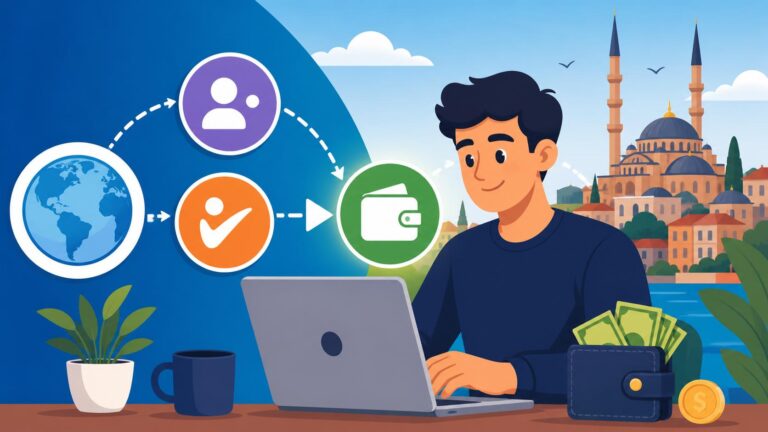
One of the biggest "hidden taxes" on expats is the exchange rate spread. If you send USD to a Turkish bank, they will often give you a poor rate to convert it to Lira. This is why Wise is ubiquitous in the expat community. You can hold Lira in your Wise account and send it to your Turkish IBAN as a local transfer (FAST), which is nearly instantaneous and much cheaper than a SWIFT transfer.
For those moving larger sums or looking for P2P options, Binance is frequently used to move value across borders using stablecoins like USDT. While the Turkish government has introduced new regulations for crypto exchanges in 2026, the P2P market remains a vital tool for those who need to bypass the slow and expensive traditional banking rails. Just ensure you are reporting your income correctly to avoid issues with Double Taxation Treaties: How Turkey Taxes Foreign Income and Pensions.
Common Pitfalls and How to Avoid Them
The biggest mistake I see expats make is "shotgunning" credit applications. Every time you apply for a card and get rejected, it's recorded in the Findeks system. If the KKB sees five rejections in one month, they flag you as "credit hungry" or "desperate," which automatically lowers your score. If you get rejected once, stop. Do not go to the bank across the street. Wait three months, build your balance, and try again with a more prepared folder.
Another pitfall is the "Lira Trap." In 2026, interest rates on credit card debt are very high. If you carry a balance, the interest will eat your savings faster than you can imagine. Always pay the "Toplam Borç" (total balance), not just the "Asgari Ödeme" (minimum payment). The minimum payment in Turkey is often quite high (around 40% of the balance), and the interest on the remaining 60% is compounding daily.
Finally, watch out for the "imported goods" tax. If you use your Turkish credit card to buy things from Amazon Germany or US websites, you will be hit with heavy customs duties and potentially "overseas transaction fees" from your bank. It’s often cheaper to buy locally, even if the base price is higher. For more on this, check out Why Imported Electronics, Phones, and Cars are Extremely Expensive in Turkey.
Interest Rates and Inflation Impacts
Inflation in Turkey creates a weird psychological environment for debt. In some years, if inflation is 60% and your loan interest is 40%, you are technically "making money" by being in debt because the value of the money you owe is shrinking faster than the interest is growing. However, this is a dangerous game for expats who earn in foreign currencies. If the Lira suddenly strengthens or the Central Bank hikes rates further, you could find yourself underwater.
The government has been aggressive in cooling the economy. This means credit limits are tighter and "Taksit" (installment) periods are shorter. Don't assume that the "easy credit" stories you heard from expats who moved here in 2021 still apply. The game has changed, and the "financial discipline" required today is much higher.
Debt Collection and Legal Risks
If you do find yourself unable to pay, the Turkish legal system moves surprisingly fast with "İcra" (foreclosure/debt collection). They can freeze your bank accounts and even place a lien on your residence permit renewal. For a foreigner, a legal dispute with a bank is a fast track to having your Ikamet rejected. The immigration office (Göç İdaresi) increasingly looks at financial "cleanliness" as a condition for staying in the country.
If you are leaving Turkey permanently, do not just "walk away" from your debt. It will stay in the system, and if you ever try to return—even as a tourist—you could be stopped at the border or find your old accounts seized. Close your accounts properly, pay your final "Damga Vergisi" (stamp tax), and get a "debt-free" letter from the bank.
Moving Forward: Long-Term Financial Health in Turkey
Building credit in Turkey is ultimately about proving you are part of the "system." Once you have a card, a high Findeks score, and a history of on-time payments, you'll find that life becomes much smoother. You can rent apartments without paying six months upfront, you can get the latest iPhone on a contract, and you can truly feel like a resident rather than a guest.
Financial health here also means diversifying. Don't keep all your eggs in the Turkish Lira basket. Use local banks for your daily life and credit building, but keep your long-term wealth in global platforms like Trade Republic or Binance. This "hybrid" approach—living locally but thinking globally—is the secret to a stress-free expat life in Turkey.
Retirement and Investment Portfolios
Many expats who stay long-term eventually look into the "BES" (Bireysel Emeklilik Sistemi), which is a private pension system. The Turkish government often provides a "matching" contribution (currently 30%) to your savings. However, for foreigners, the rules on withdrawing these funds if you leave the country can be complex. Always read the fine print about "stopaj" (withholding tax) on early withdrawals.
For more sophisticated investing, the "Borsa Istanbul" (BIST) has been a high-performer in certain sectors. If you have a local bank account and a high credit score, you can easily open a brokerage account. Just remember that the Turkish market is highly sensitive to political news and global interest rates.
Closing Accounts and Moving Abroad
When the time comes to leave Turkey, the "financial exit" is just as important as the entrance. You must cancel your credit cards, ensuring no pending "Taksit" remain. If you have a blocked deposit card, this process can take up to 30 days, as the bank wants to ensure no final charges come through from merchants. Plan your exit at least two months in advance.
Finally, ensure your address is de-registered and all utility debts are settled via e-Devlet. Leaving with a "clean sheet" ensures that if you ever decide to come back to this beautiful country, the financial doors will be wide open for you. Turkey is a land of incredible opportunity, provided you know how to navigate its unique financial maze.
Disclaimer Regarding Financial Advice
The information provided in this guide is for informational and educational purposes only and does not constitute professional financial, legal, or investment advice. While we strive to provide the most up-to-date facts regarding the Turkish financial system, regulations in Turkey are subject to frequent and sudden changes. Always consult with a qualified financial advisor, a certified public accountant (SMMM), or a legal professional before making significant financial decisions or entering into loan agreements in Turkey. Individual results with credit applications may vary based on personal circumstances and bank policies.