Do Short-Term Tourists Need Mandatory Health Insurance to Enter Turkey?
Most travelers worry about being turned away at the Istanbul border because they lack a specific piece of paper. I still remember the sweat on my brow during my first arrival when the officer asked for my "documents," only to realize he just wanted my passport and e-Visa. This guide clarifies if health insurance is truly required for entry or just a highly recommended safety net for your trip.
Understanding the Legal Requirements for Turkish Tourist Entry
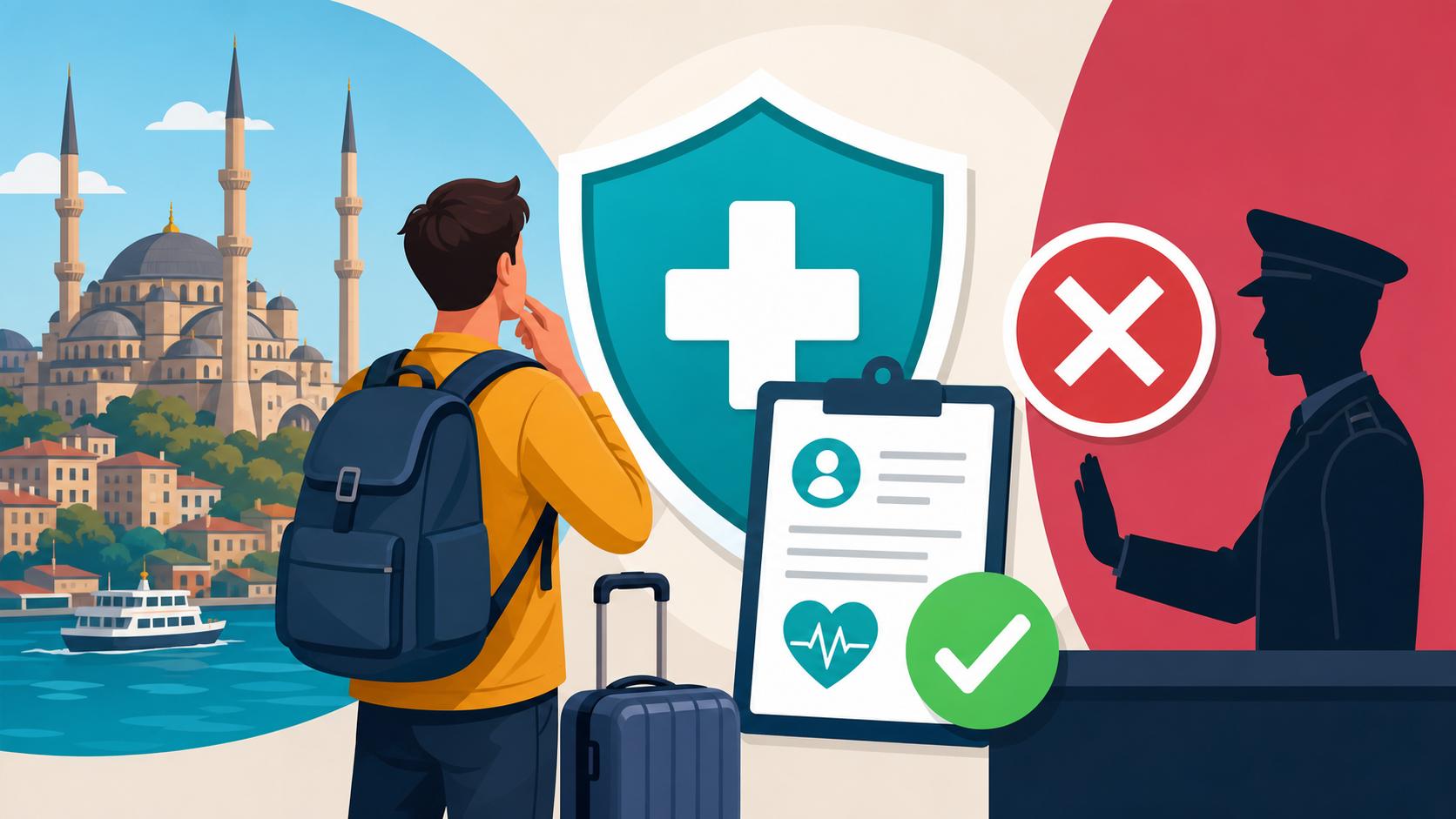
The question of whether insurance is mandatory for a short-term visitor is one of the most common sources of confusion for those planning a trip to Turkey. To answer it simply: for the vast majority of tourists entering on a standard e-Visa or a visa-exempt status, there is no strict legal requirement to present a physical health insurance policy at the passport control desk. However, the Turkish Ministry of Foreign Affairs does state that travelers must have the financial means to support themselves and cover potential medical costs during their stay.
In practice, when you apply for a Turkish e-Visa and Tourist Visas: Entry Rules and Expirations by Nationality, you are often checking a box that confirms you have health insurance. While the officer at the airport is very unlikely to ask for a printed policy, if you were to have a major accident or an encounter with the law, your ability to pay for your medical bills becomes a matter of state interest. This is where many travelers get caught out. They assume that because no one asked for it at the gate, they are "covered" by the system. Turkey has a robust healthcare network, but it is not free for visitors.
If you are planning to stay for the full 90 days allowed within a 180-day period, the risks increase significantly. For those who want more than just the bare minimum, looking into comprehensive plans like those offered by Cigna Global is a wise move. These plans provide a level of security that basic travel insurance often lacks, especially if your "short-term" trip is actually a precursor to a longer stay. Having Cigna Global ensures that if a minor stomach bug turns into a week-long hospital stay in a private clinic in Nişantaşı, you aren't left with a bill that costs more than your flight home.
When Health Insurance Becomes 100 Percent Mandatory
The tone of the conversation changes entirely the moment you decide to stay longer than a standard tourist visa allows. If you fall in love with the Bosphorus sunset and decide to apply for a "Short-Term Residence Permit" (Tourist Ikamet), the requirement for health insurance is no longer a suggestion; it is a hard gatekeeper. Without a valid policy, your application will be rejected immediately by the Göç İdaresi (Migration Office).
For these individuals, understanding Mandatory Ikamet Insurance: What Health Policies Actually Cover for Visas is essential. These local "foreigner insurance" policies are designed specifically to satisfy the visa requirement, but they often have very low coverage limits for outpatient procedures. If you are an expat who values high-end care, you might choose to supplement a basic local policy with an international one. Cigna Global is frequently chosen by the expat community here because it bridges the gap between the "bare-minimum" visa insurance and the high-quality care found in JCI-accredited facilities.
Furthermore, the type of insurance required for residency is quite specific. It must be valid for the entire duration of the permit you are seeking. Many newcomers find themselves in a loop of administrative frustration because their insurance dates don't match their lease agreement or their application date. If you are in this transition phase, you should also read up on Health Insurance in Turkey: SGK Public System vs Private Coverage Explained to see which path is better for your long-term health and your wallet.
The Specific Case of Senior Travelers and High-Risk Groups
While the border guards might not check a 25-year-old backpacker for an insurance policy, travelers over the age of 65 or those with pre-existing conditions are in a more precarious position. Turkish private hospitals are excellent, but they are businesses. If you require urgent care and cannot prove you have insurance or the immediate funds to pay, the stress of the situation is compounded.
For those managing chronic conditions, it is wise to bring a surplus of your essential medications. However, if you run out, you can often find high-quality supplements and wellness products through iHerb, which ships quite reliably to Turkey, though you must be mindful of customs limits. Using iHerb can be a lifesaver when you can't find your specific brand of vitamins in a local Turkish Eczane.
Navigating Medical Care as a Tourist Without Insurance
If you choose to enter Turkey without insurance and find yourself needing a doctor, you won't be denied care, but you will be charged "tourist rates." These rates are significantly higher than what a local would pay under the SGK (social security) system. In major cities like Istanbul or Antalya, you will likely be directed to a private hospital where English-speaking staff are available.
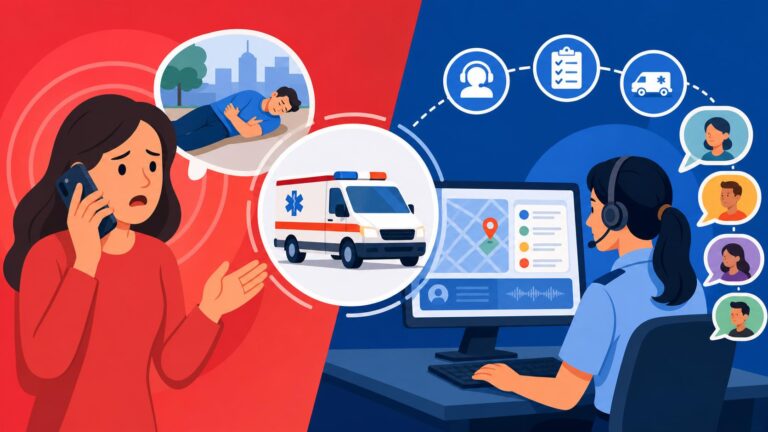
In an emergency, you should know that Emergency Medical Care in Turkey: Dialing 112, Ambulances, and Triage is available to everyone. However, the ambulance ride and the subsequent emergency room stabilization will generate an invoice. Without a policy from a provider like Cigna Global, you will be expected to settle this bill before discharge. Most private hospitals accept international credit cards, but the costs for something like an appendectomy or a broken limb can quickly climb into the thousands of dollars.
For minor issues, the local pharmacy is your best friend. In Turkey, pharmacists are highly trained and can offer advice for common ailments. You can learn more about this in our guide on Pharmacies (Eczane) in Turkey: Prescriptions, Duty Hours, and Medications. Many medications that require a prescription in the US or UK are available over the counter here, but you should always cross-reference them. If you are looking for specific Western-branded wellness products that the local pharmacy doesn't stock, iHerb is a great alternative for getting those items delivered to your Turkish address.
The Cost of Common Medical Services for Uninsured Tourists
| Service Type | Estimated Out-of-Pocket Cost (USD) | Recommendation |
|---|---|---|
| Private GP Consultation | $80 – $150 | Use a private clinic for English support |
| Emergency Room Visit (Minor) | $200 – $500 | Keep your receipts for potential reimbursement |
| Specialized Blood Tests | $100 – $300 | Available at private labs without a referral |
| Overnight Hospital Stay | $500 – $1,500+ | High-end care is expensive without Cigna Global |
| Basic Dental Cleaning | $40 – $80 | Very affordable compared to Western Europe |
Practical Tips for Short-Term Visitors
If you are coming for a week or two, you might feel that a full international policy is overkill. However, the unpredictability of travel—from "Istanbul tummy" to a twisted ankle on the cobblestones of Galata—makes some form of protection necessary. Even if the government doesn't check your papers at the border, your peace of mind is worth the small investment.
For those who travel frequently, a global plan from Cigna Global is often more cost-effective than buying separate travel policies for every trip. It ensures that no matter where you are in Turkey—whether skiing in Erzurum or diving in Kaş—you have access to the best medical care available. And for your daily health maintenance, don't forget that iHerb offers a wide range of products that can be delivered to your hotel or Airbnb if you're staying for a few weeks. Expats often use iHerb to get popular protein powders and specialized vitamins that just aren't available in the local markets.
Before you fly, make sure you have downloaded the Healthcare in Turkey for Foreigners: Complete Expat Guide (2027) to your phone. It contains the essential numbers and phrases you might need if you find yourself in a medical waiting room. Additionally, familiarizing yourself with Finding Medical Care in Turkey: Public Hospitals vs JCI-Accredited Clinics will help you decide where to go based on the severity of your situation.
Managing Medications and Supplements on the Go
Turkey is quite strict about certain medications, especially those classified as psychotropic or narcotics. If you are bringing prescription meds, keep them in their original packaging with a copy of your doctor's prescription. For everyday health needs, the local Over-the-Counter (OTC) Drugs in Turkey: Equivalents for Common Expat Meds guide is invaluable.
If you are someone who relies on specific organic supplements or niche health foods, you might find the local selection a bit limited. This is where iHerb becomes a vital resource for expats and long-term tourists alike. By ordering through iHerb, you can maintain your health routine without having to hunt through the backstreets of a foreign city for a specific type of magnesium or herbal tea. Just remember that shipping to Turkey can sometimes take 7-10 days, so plan your iHerb orders accordingly.
Why Quality Coverage Matters Even if Not "Mandatory"
The "mandatory" nature of insurance is really about your personal risk tolerance. While the Turkish border police are focused on your passport and visa validity, the reality of life doesn't stop at the immigration desk. Accidents happen, and the Turkish healthcare system is split into two very different worlds: the crowded public hospitals and the world-class private facilities.
With a premium provider like Cigna Global, you are effectively buying a "fast pass" to the private sector. Instead of waiting for hours in a public clinic, you can be seen by a specialist in a modern facility with a translator by your side. This is the difference between a minor hiccup in your holiday and a complete disaster.
Furthermore, having insurance helps with the small things too. If you need a specific type of skin cream or a specialized supplement and can't find it, you can always rely on iHerb to bridge that gap. Being healthy in a foreign country is about having multiple layers of support—from the insurance policy in your pocket to the iHerb delivery arriving at your door.
In conclusion, while you can technically enter Turkey as a tourist without a health insurance policy in hand, doing so is a gamble that rarely pays off. Whether you choose a basic travel policy or a comprehensive international plan from Cigna Global, making sure you are covered is the mark of a veteran traveler who knows how to navigate the beautiful, sometimes chaotic, reality of life in Turkey. Don't let a small accident turn into a massive financial burden; get covered, stay healthy with your favorite iHerb supplements, and enjoy everything this incredible country has to offer.
Disclaimer
This guide is for informational purposes only and does not constitute legal or professional medical advice. Immigration rules and health insurance requirements in Turkey can change without notice. Always verify current entry requirements with the official Republic of Türkiye e-Visa website or your local Turkish consulate before traveling. Under no circumstances should this information replace the advice of a qualified legal professional or healthcare provider.