Taking Taxis in Istanbul: How to Use BiTaksi and Uber to Avoid Scams
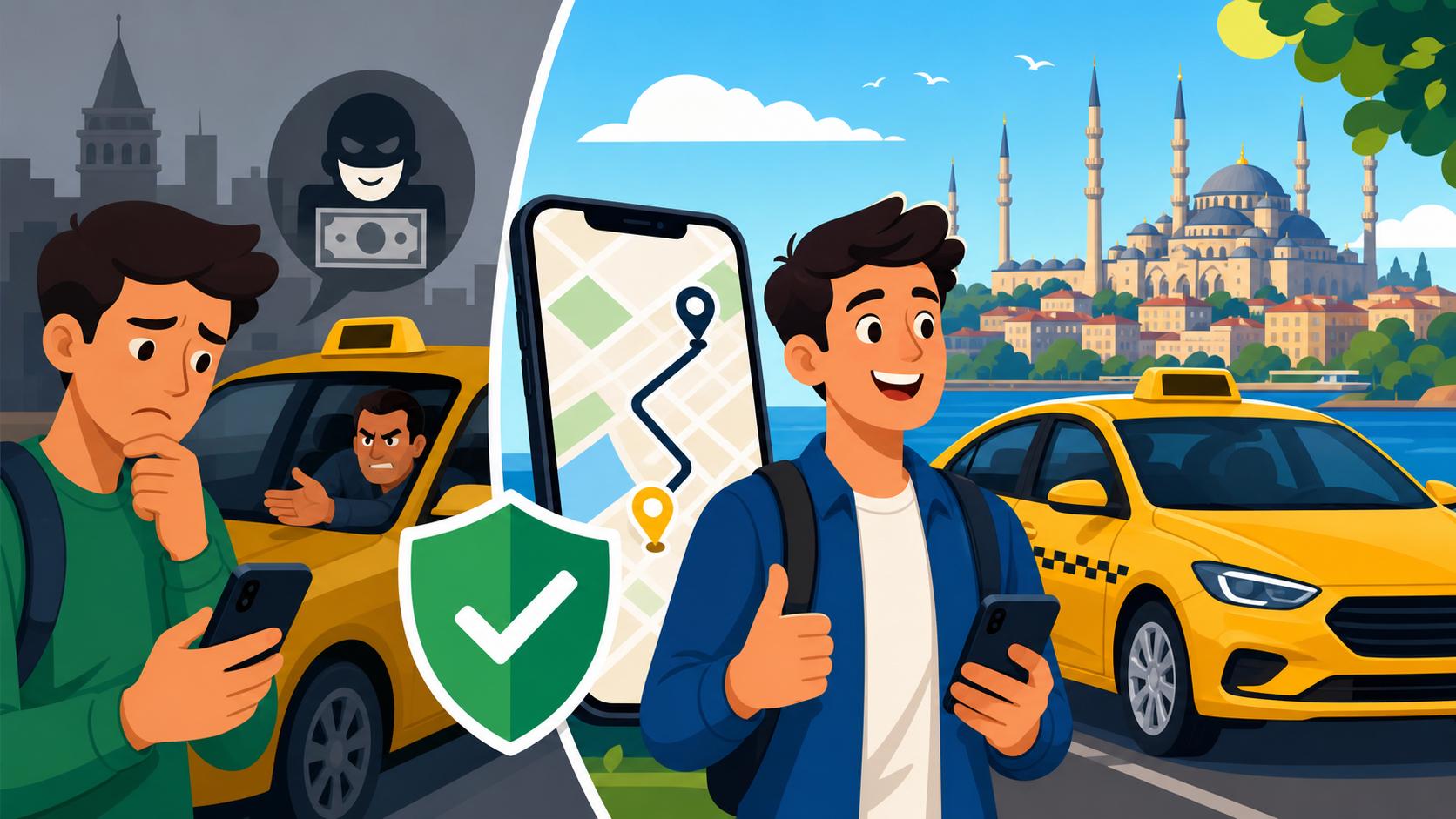
You are standing on a rain-slicked corner in Karaköy, your grocery bags are getting heavy, and every yellow taxi that passes either has a "Dolu" sign or the driver simply shakes his head when you mention your destination. I have spent countless hours in that exact spot, feeling that specific brand of Istanbul-induced frustration where you just want to get home without a negotiation. This guide provides the digital roadmap to navigating the city's complex taxi culture using BiTaksi and Uber to ensure your fares stay fair and your routes stay honest.
The Reality of the Istanbul Taxi Scene
Istanbul is a city of nearly 16 million people, and the taxi ecosystem is notoriously competitive and, at times, predatory toward those who don't know the local unwritten rules. For a new arrival, the yellow car is a symbol of both convenience and anxiety. You need them because the hills of Cihangir or the winding streets of Arnavutköy can be brutal on the legs, but you fear the "scenic route" that doubles your fare.
The driver gave me a convincing story about "extra weekend taxes," and I fell for it. Understanding the baseline reality of how these drivers operate is the first step toward becoming a savvy resident. Most drivers are hardworking individuals trying to make a living in a high-inflation environment, but the few who target expats can make the whole experience feel like a battlefield.
Common Scams to Watch Out For
The most frequent issue is the "broken meter." A driver might tell you the meter is fixed or that they only work with a "flat rate" for certain distances. In Istanbul, this is illegal. Every single taxi ride must be on the meter (taksimetre). If they refuse to turn it on, it is often better to step out and wait for the next car. Another classic is the "money switch," where you hand over a 100 Lira note, and the driver quickly swaps it for a 20 Lira note under the dashboard, claiming you underpaid.
Then there is the "long way" scam. Drivers might take the Eurasia Tunnel (Avrasya Tüneli) when it isn't necessary, simply because the toll is high and they can add a surcharge. While the tunnel is a marvel of engineering, it is expensive. If you are living in one of the professional hubs managed by companies like Blueground, you likely want a direct, efficient commute, not a tour of the Bosphorus bridges at peak hour. Always have your own navigation app open so you can see if the driver is deviating significantly from the suggested path.
Mastering the Tech: BiTaksi and Uber
The arrival of ride-hailing technology changed the game for expats in Turkey. While it hasn't eliminated every headache, it has added a layer of accountability that was previously missing. To use these apps effectively, you will need a reliable data connection the moment you land. I highly recommend setting up an e-SIM through Airalo before you even arrive at the terminal so you aren't hunting for expensive airport Wi-Fi just to book a ride.
Using these apps provides a digital paper trail. You have the driver’s plate number, their name, and a GPS log of your journey. This alone prevents 90% of the common street-hailing scams because the driver knows they can be reported to the municipality or the app's headquarters.
BiTaksi: The Local Hero
BiTaksi is the homegrown favorite and often has a higher density of available cars than Uber. It allows you to call yellow taxis (standard) and turquoise taxis (higher-end, usually electric cars with more legroom). One of the best features of BiTaksi is the ability to see the estimated fare before you even hit the "call" button. This gives you a baseline for what the trip should cost.
When you use BiTaksi, you can link your credit card directly. This is a lifesaver because it removes the "I don't have change" excuse that some drivers use to round up the fare. If you are still in the process of Opening a Bank Account in Turkey: Rules for Expats, Tourists, and Investors, you can still use many international cards in the app, though some users report occasional glitches with non-Turkish 3D Secure systems. Having a digital record of the payment is your best defense against overcharging.
Uber: The Global Familiarity
Uber in Istanbul functions differently than in many Western cities. You aren't calling a private citizen in their personal car; you are calling a licensed yellow or turquoise taxi through the Uber interface. The benefit here is the robust customer support. If a driver takes a wildly inefficient route, Uber is generally very quick to refund the difference if you lodge a complaint through the app.
For those living in upscale Istanbul Neighborhood Guide: European vs Asian Side Lifestyles for Expats, Uber's "Black Taxi" option is often available. These are luxury vans (like Mercedes Vitros) that are perfect for families or when you have a lot of luggage from an Amazon Turkey delivery spree. They cost significantly more, but the service level is usually much higher, and the drivers are often more accustomed to dealing with international clients.
Practical Tips for a Smooth Ride
Knowing which app to use is only half the battle. You also need to understand the logistics of the city's infrastructure. Istanbul is split by the Bosphorus, and crossing between Europe and Asia involves tolls that are not always reflected clearly on the meter screen.
| Feature | Yellow Taxi | Turquoise Taxi | Black Taxi |
|---|---|---|---|
| Vehicle Type | Standard Sedan (Fiat/Renault) | Luxury Sedan/SUV (VW/Tesla) | Luxury Van (Mercedes/VW) |
| Base Fare | Lowest | ~15% higher than Yellow | ~Double the Yellow fare |
| Availability | Very High | Medium | Low/Pre-book |
| Comfort Level | Basic | High | VIP |
Understanding Tiers: Yellow, Turquoise, and Black
The color of the taxi indicates the "class" of the service. Yellow taxis are the "C-segment" cars. They are the workhorses of the city. If you're a student or just Living in Turkey as a Foreigner: The Ultimate Starter Guide (2027), these will be your daily go-to. However, they can be cramped and don't always have working air conditioning.
Turquoise taxis are "D-segment" vehicles, often Volkswagens or Skodas. They are cleaner, newer, and the drivers generally tend to be a bit more professional. If you are heading to an important meeting or a date in Nişantaşı, the extra 15% in fare is usually worth the peace of mind. Black taxis are the top tier. These are essentially private shuttles and are the only way to guarantee a high-end experience if you're willing to pay the premium.
Bridge and Tunnel Fees Explained
This is where most expats get confused. When you cross the 15 July Martyrs Bridge, the Fatih Sultan Mehmet Bridge, or use the Eurasia Tunnel, there is a toll. In a standard taxi, the driver will pay this via an HGS (fast-pass) sticker on their windshield. They will then add this toll amount to the final meter price.
It is vital to check the current toll prices online. Some drivers might try to charge you the "round trip" toll, claiming they have to pay to get back. This is incorrect; you only pay for the direction you are traveling. If you're frequently moving between continents, you might find that Commuting in Istanbul: Mastering the Metro, Metrobus, Marmaray, and Ferries is actually faster and cheaper, but if you must take a taxi, keep a mental note of the toll.
Alternatives to the Yellow Cab
There are times when no app will save you. If it's Friday at 6 PM and it starts to snow, you might as well forget about a taxi. The city grinds to a halt, and drivers become extremely selective about where they will go. They will often roll down their window and ask "Nereye?" (To where?). If your destination is in a high-traffic area, they might just drive off.
In these scenarios, your phone is still your best friend, but not for BiTaksi. You should look for the nearest Metro or Marmaray station. Mastering How to Buy, Register, and Reload an Istanbulkart for Public Transport is the most important survival skill for any Istanbulite. The ferries (Vapur) are also a magnificent alternative, offering a peaceful 20-minute Bosphorus crossing for a fraction of a taxi fare, with zero traffic.
When to Walk or Use an App
If your destination is within 2 kilometers, many Istanbul taxi drivers will actually refuse the fare because it’s not "worth it" for them to sit in traffic for a small meter jump. In these cases, walking is often faster. However, if you are carrying heavy items or it's late at night, use the app to call a car. The app forces the driver to accept the destination before they see you, which reduces the chance of them rejecting you on the spot.
If you are dealing with The Turkey IMEI Rule: How to Register Foreign Phones in 2026, ensure your phone is properly registered so your apps don't stop working suddenly. There is nothing worse than being stuck in a remote part of Beykoz with a blocked phone and no way to call a ride.
What to Do When Things Go Wrong
Despite your best efforts, you might encounter a driver who is aggressive or clearly trying to scam you. The most important thing is to stay calm. Do not get into a physical or shouting match. If you feel you are being overcharged, take a photo of the "Taksi Plaka" (the license plate number) which is also printed on the sides and roof of the car.
Reporting a Driver via 153
The Istanbul Metropolitan Municipality (IBB) takes taxi complaints very seriously these days. You can call 153 (the "Beyaz Masa" or White Desk) to report a driver. They have English-speaking operators who can take your complaint. If you have a screenshot of your BiTaksi or Uber trip, it makes the process much smoother. Many drivers have had their licenses suspended because of expat reports, so your voice actually carries weight.
If you are a regular traveler and concerned about your connectivity while navigating these issues, always keep a power bank handy. I usually order mine from Amazon Turkey to ensure I have a high-capacity one, as using GPS-heavy apps like Uber and Google Maps simultaneously will drain your battery faster than a commute through the Zeytinburnu traffic.
Lastly, if you're feeling overwhelmed by the city's pace, remember that The Metrobus Etiquette: Surviving Istanbul's Intense Rush Hour Crowds is another hurdle you'll eventually clear. Istanbul is a city that rewards persistence and "social intelligence." The more you use the apps and learn the landmarks, the less you'll look like a target and the more you'll feel like a local.
Disclaimer
The information provided in this guide is for informational purposes only and reflects the personal experiences and observations of the author. Taxi regulations, app functionalities, and toll prices in Turkey are subject to frequent changes by the Ministry of Transport and local municipalities. While we strive for accuracy, we cannot guarantee that all details will remain current. Always verify fare estimates within your chosen app and consult official government sources for the most up-to-date transportation laws. Use of third-party apps is at your own risk.