How to Cancel Your Ikamet Officially at the Airport When Leaving Turkey for Good
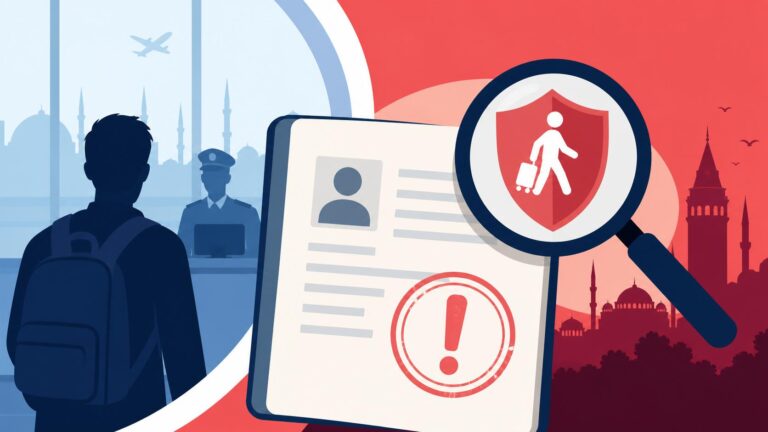
Leaving Turkey often involves more than just packing a suitcase; it requires a formal administrative goodbye to avoid future entry bans or "phantom" debts. Many travellers feel a knot in their stomach at the airport, wondering whether their residency record is truly clean as they hand over their passport. This guide explains exactly how to cancel your Ikamet at the airport to ensure your legal standing remains spotless for any future returns.
Why You Should Never Just Walk Away From Your Turkish Residence Permit
The temptation to simply board your flight and let your Ikamet expire naturally is strong, especially after the exhaustion of a cross-continental move. However, "ghosting" the Turkish immigration system can lead to a cascade of bureaucratic headaches. When you leave without a formal cancellation, the system often assumes you are still a resident. This can result in the continued accrual of health insurance premiums, potential issues with address registration, and, in some cases, a record that suggests you have overstayed or violated residency terms if the exit isn't logged correctly against your permit.
One of the most significant reasons to handle this properly is your social security and health coverage. If you are enrolled in the state system, you must know How to Cancel Your SGK Enrollment When Leaving Turkey Permanently because the monthly debt will continue to climb even if you are thousands of miles away. Even if you have private coverage, such as a plan through Cigna Global, notifying your provider of your residency status change is vital to ensure your policy reflects your new geographical location. Most local Turkish private insurance policies for residency are non-refundable, but having an official cancellation document from the airport helps in proving your departure date to any agency that might demand it later.
Furthermore, failing to cancel can complicate your status if you ever plan to apply for a visa again. The Ikamet Rejections: Exact Steps on What to Do If Your Residence Permit is Denied often stem from previous administrative errors or unresolved records. By taking ten minutes at the airport to "close the book" on your current residency, you are protecting your right to return to Turkey as a tourist or under a new residency status in the future without being greeted by a fine at the gate.
Step-by-Step: The Official Ikamet Cancellation Process at the Airport
The actual process of cancelling your residency at the airport is straightforward, but it requires you to arrive earlier than usual. You cannot simply hand your card to the regular passport officer and expect them to handle the paperwork. There is a specific workflow that involves the Göç İdaresi (Migration Office) representatives stationed at major international hubs like Istanbul Airport (IST), Sabiha Gökçen (SAW), or Antalya (AYT).
Locating the Migration Office Desk
Before you head to the regular passport control line, you need to find the Migration Office desk. In Istanbul Airport, this is typically located near the "Visa Violation" or "Tax" offices. It is rarely labeled in a way that stands out to the casual traveler, so you may need to ask a floor supervisor or a police officer where the "Göç İdaresi bürosu" is located for residency cancellation.
Once you find the desk, you will present your passport and your physical Ikamet card. You should tell the officer clearly that you are leaving Turkey permanently and wish to cancel your permit (İkameti iptal etmek istiyorum). They will pull up your file using The 99-Number: What Your T.C. Kimlik Number Gives You Access To in Daily Life and verify that you have no outstanding fines or major legal issues that would prevent a clean exit.
Handing Over the Card and Signing the Form
The officer will provide you with a form, usually in Turkish, stating that you are voluntarily surrendering your residence permit. This is where a service like RushTranslate can be incredibly helpful beforehand if you are worried about the terminology; having a translated template of standard Turkish immigration forms can save you from signing something you don't fully understand. However, the airport form is generally a standard "Tebliğ Tebellüğ" (Notification and Receipt) document.
Once you sign, the officer will physically take your plastic Ikamet card. You will not get this back. They will then stamp your passport or provide a digital record update that switches your status from "Resident" to "Exiting." If you have any concerns about whether you have stayed too long before this process, you should consult a guide on Do I Need an Output Document (Çıkış Belgesi) if I Have Overstayed My Visa? to see if you need additional paperwork to clear the border.
Obtaining the Confirmation of Departure
After the card is taken, ensure you receive a copy of the cancellation or an exit document. While the system is digital, having a physical receipt of your Ikamet surrender is your "Get Out of Jail Free" card if there is ever a dispute about when you officially stopped being a resident. This paper proves that as of your flight date, you were no longer subject to the residency rules of Turkey. This is particularly important for tax purposes or if you need to prove to your home country's authorities that you have officially relocated.
| Step | Action | Required Document |
|---|---|---|
| 1 | Check-in & Baggage Drop | Passport |
| 2 | Find Göç İdaresi Desk | Passport + Ikamet Card |
| 3 | Sign Cancellation Form | None (Provided by Officer) |
| 4 | Surrender Ikamet Card | Physical Plastic Card |
| 5 | Request Receipt | Çıkış Belgesi / Exit Record |
| 6 | Proceed to Passport Control | Passport Only |
Essential Post-Cancellation Checklist: Tying Up Administrative Loose Ends
Cancelling at the airport is the final act, but it doesn't automatically solve every tie you have to the country. There are several "ghost" registrations that live in different systems (Nüfus, Tax Office, Banks) that you must address either before you leave or immediately after. Turkey’s e-Devlet system is your best friend here, but it can be finicky once your residency is officially deactivated.
Notifying the Nüfus and Address Registration
One of the most common mistakes is leaving an address registered in your name. Even after you leave, the system may still show you as living in that apartment. This can prevent the next tenant from registering or cause you to be served legal notices for things like building maintenance fees (Aidat). It is wise to use How to Obtain an Official Address Certificate (Yerleşim Yeri Belgesi) on e-Devlet to see your current status before you leave. If you are moving within the country, you’d follow the rules for Moving Apartments: How to Change Your Address at the Nüfus Office Within 20 Days, but for a permanent exit, you should ideally de-register your address at the local Nüfus directorate before your airport departure.
Managing Finances and Bank Accounts
Many expats wonder, Can I Keep My Turkish Bank Account Active After My Ikamet Permanently Expires?. The short answer is yes, but the bank will eventually notice your permit has expired when their system runs a check against the 99-number database. If you plan to keep the account, make sure your contact information is updated to your international number. However, you should definitely check Will Unpaid Utility Bills or Taxes Prevent Me from Exiting Turkey at the Airport? to ensure no small debts turn into a large exit fine.
If you have corporate contracts or lease agreements that need to be officially terminated, you might need to provide notarized translations of your departure documents to your landlord or service providers. Using RushTranslate for these specific documents ensures that the Turkish companies recognize the validity of your foreign-issued termination notices.
Transitioning Your Health Coverage
If you have been relying on Turkish residency-based insurance, that coverage essentially dies the moment you cancel your Ikamet. For the flight home and your first few weeks back in your home country (or your next destination), you shouldn't leave yourself a gap in coverage. It is wise to consider transitioning to a more flexible plan like Cigna Global during your move. Because their plans are designed for "global citizens," you don't have to worry about your coverage suddenly becoming void just because you surrendered a plastic card at the Istanbul airport. They provide the continuity that local Turkish insurance simply cannot offer once you lose your residency status.
Navigating Potential Complications During Your Exit
Sometimes, the process isn't as smooth as we'd like. You might find that the Migration Office desk is closed (though at major airports they are theoretically 24/7), or the officer might tell you it isn't necessary. If they tell you "just keep it, it will expire," be insistent. Tell them you need a clean record for a future work visa or for tax reasons in your home country.
Another issue is the "90/180 day rule." The moment you cancel your Ikamet and exit, you are usually treated as a tourist for your next entry. This means you will be subject to the standard visa exemptions for your nationality. If you try to re-enter Turkey too soon after cancelling a residency, the border police will look at how many days you have left in your 180-day window. If you've been living in Turkey for years, your "tourist clock" usually resets upon the official cancellation of your residency, but it’s always best to check your specific nationality's visa exemptions before planning a "quick trip back" a week later.
Finally, keep all your paperwork organized. If you had to use RushTranslate for any final court settlements or lease closures, keep those alongside your airport exit receipt. In the world of Turkish bureaucracy, a stamped piece of paper is often more powerful than a hundred emails. By following these steps and ensuring your exit is officially logged, you can leave Turkey with fond memories rather than a stack of unresolved paperwork.
Disclaimer
The information provided in this guide is for informational purposes only and does not constitute legal advice. Immigration laws and airport procedures in Turkey are subject to frequent changes. Always consult with the official Turkish Directorate General of Migration Management or a qualified legal professional before making permanent residency decisions.