Address Registration Penalties: The 4,000+ TL Fine for Missing the 20-Day Window
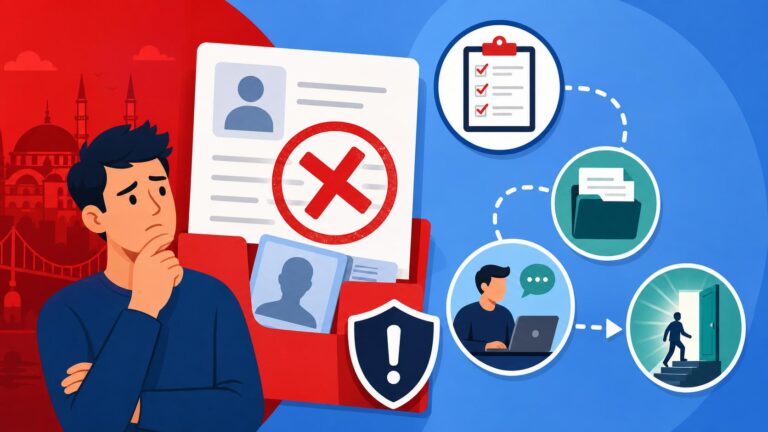
Moving into a new apartment in Turkey is an exhausting whirlwind of signing leases, hauling furniture up narrow staircases, and finally finding the perfect spot for your nazar boncuğu. I remember my first move in Kadıköy; I was so overwhelmed by setting up utilities that I completely ignored the 20-day legal window for address registration, only to face a massive fine and a stressful lecture at the migration office later. This guide solves the confusion around the mandatory address update process, helping you avoid the 4,000+ TL penalty and keep your legal status in Turkey secure.
The 20 Day Rule Explained: Why Nüfus Registration is Non-Negotiable
In Turkey, the government takes your physical location very seriously. The Address Registry System (AKS) is a centralized database used for everything from delivering your mail to determining which health clinic you can visit. As an expat, you aren't just moving house; you are changing a data point in a national security and administrative framework. The law states that any change of address must be reported within 20 business days of the move.
Understanding the Legal Timeline
The 20-day window begins the moment your lease starts or the day you move into your new residence. Many foreigners mistakenly believe they have until their next residence permit renewal to update their address. This is a dangerous assumption. The 20-day limit is strictly enforced by the Civil Registry (Nüfus ve Vatandaşlık İşleri Genel Müdürlüğü). If you miss this window, the system automatically flags your record.
When you finally go to register, the officer will look at the date on your notarized rental contract. If that date is more than 20 days in the past, they are legally required to issue a fine. Some people try to argue that they "just didn't know," but in the eyes of Turkish law, ignorance of the Address Registration (Nüfus): The Most Critical Post-Arrival Step for Foreigners requirements is not a valid defense.
The Difference Between Nüfus and Göç İdaresi
There is often deep confusion about where you actually need to go. To stay fully legal, you generally have two stops. First, you must register the address at the local Nüfus office (Civil Registry) in your district. Once the Nüfus system is updated, you may also need to notify the Provincial Directorate of Migration Management (Göç İdaresi) to ensure your Turkish Residence Permits (Ikamet): The Complete Application Guide (2027) file is synchronized.
In some cities, these systems are now integrated, but in major hubs like Istanbul or Ankara, you must still be proactive. If you update the Nüfus but fail to notify Göç İdaresi, you might find your residence permit canceled during a routine check. This is why keeping your records straight is just as important as having your Health Insurance Requirements: Securing a Policy for First-Time Ikamet Applications in order.
Financial Consequences: Breaking Down the 4,000 TL Penalty
The penalty for late registration isn't just a "slap on the wrist." For 2026, the fines have been adjusted for inflation, and failing to notify the authorities of an address change within the 20-day period now exceeds 4,000 TL. If you are found to have provided a completely false address (address fraud), the fine can skyrocket to over 10,000 TL and may lead to criminal charges or deportation.
How the Fines are Calculated in 2026
The Turkish government uses a "Revaluation Rate" (Yeniden Değerleme Oranı) every year to adjust administrative fines. This means the penalty you paid two years ago is significantly lower than what you will face today. The fine is per person, not per household. If a family of four moves and fails to register, the total financial hit can be devastating to a relocation budget.
Beyond the immediate fine, you also face indirect costs. You cannot access many government services until the fine is settled and the address is corrected. This includes things like registering for a Choosing a Primary Care Physician (Aile Hekimi) at a Local Health Center or even Getting a Health Report (Sağlık Raporu) for Work or Driving License Conversions.
Where and How to Pay Your Registration Fines
If you are issued a fine at the Nüfus office, you won't usually pay the officer directly. Instead, they will issue a paper notice. You can typically pay this through the Interactive Tax Office (İnteraktif Vergi Dairesi) website, at a PTT branch, or via major state banks like Ziraat Bank or VakıfBank.
Pro tip from someone who has been there: if you pay the fine within the first 15 days of receiving the notification, you are often eligible for a 25% discount. It’s a small silver lining, but it’s better than paying the full amount. Make sure to keep the digital or physical receipt, as you will likely need to show it to the Göç İdaresi to prove you’ve cleared your debt.
Beyond the Money: Impact on Your Residence Permit
While 4,000 TL is a lot of money, the administrative headaches are often worse. Your residence permit is tied directly to your registered address. If the police or migration officers realize you aren't living where you said you were, they can start a process to revoke your residency.
Why Missing the Deadline Triggers a Red Flag
Turkey has faced issues with "ghost addresses" where hundreds of people were registered at a single flat to bypass immigration rules. To combat this, the authorities have become hyper-vigilant. Missing the registration deadline makes you look like you are trying to hide your location, even if you are just a busy expat who forgot to visit a government office.
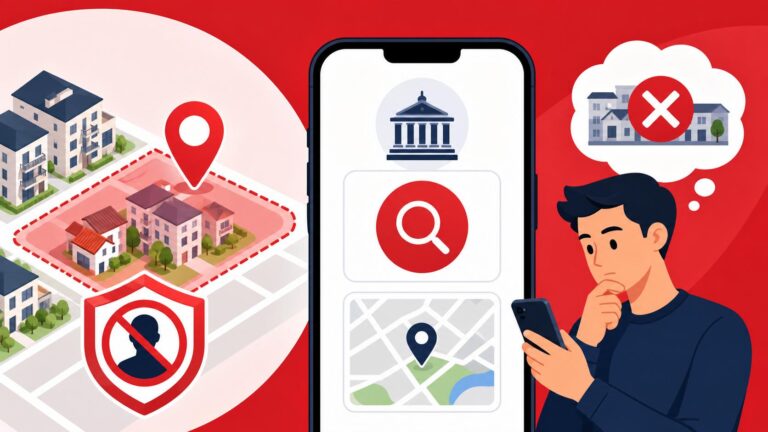
This is especially critical if you are living in Navigating Closed Neighborhoods: A Guide to Areas Where Foreigners Cannot Register. If you move into a "closed" neighborhood and fail to register, you may find it impossible to ever get that address recognized, leaving you in a legal limbo that could force you to leave the country.
The Nightmare of the Unregistered Address Check (Tahkikat)
The "Tahkikat" is a random or targeted police check where officers visit your registered address to see if you actually live there. They might ask your neighbors about you or look for your name on the doorbell. If they visit and find you don't live there—and you haven't updated your address within the 20-day window at your new place—your name goes into a database for "address non-compliance."
This can lead to your residence permit being canceled without a phone call or email. You might only find out when you try to leave the country at the airport and are told you are overstaying. Always ensure your UETS Setup: Getting Your PTT Electronic Mailbox as a Foreign Resident is active, as legal notifications about address discrepancies are often sent there.
| Penalty Type | 2026 Estimated Fine | Consequences |
|---|---|---|
| Late Notification (After 20 Days) | 4,100 TL – 4,800 TL | Administrative fine, potential renewal issues |
| Providing False Address | 10,000+ TL | Legal prosecution, permit cancellation, deportation |
| Moving to a Closed Neighborhood | N/A | Immediate rejection of residence permit |
| Failure to Notify Göç İdaresi | Varies | Risk of permit revocation during police checks |
Step-by-Step Guide: Registering Your Address Correctly
To avoid these penalties, you need to act fast. Don't wait for your internet to be installed or for your boxes to be unpacked. Make the appointment the day you sign your lease.
Required Documents for the Nüfus Appointment
You cannot just walk into the Nüfus office and tell them where you live. You need proof. Usually, the requirements include:
- Your original Passport and Residence Permit card.
- A notarized copy of your rental contract (signed by both you and the landlord).
- A recent utility bill (electricity, water, or gas) in your name.
- The "DASK" (earthquake insurance) policy for the property (often requested to verify the building's legitimacy).
If you are using a foreign document that needs official recognition, you might use a service like RushTranslate to ensure your papers are accepted by Turkish officials. Having everything translated and notarized beforehand is the only way to avoid being sent away to "come back tomorrow."
Navigating the e-Devlet Online Registration Option
If you already have a verified address and are just moving within the same district, or if you meet specific criteria, you might be able to change your address via the e-Devlet portal. However, for most expats, the system will require a physical visit because of the need to verify the Required Documents Checklist for a Short-Term Turkish Residence Permit.
To check if you can do it online, search for "Adres Değişikliği Bildirimi" on e-Devlet. If the system allows you, you will need a mobile signature (Mobil İmza) or an electronic signature. For most of us, the physical Nüfus appointment remains the most reliable route. Once you finish, always download your How to Obtain an Official Address Certificate (Yerleşim Yeri Belgesi) on e-Devlet to keep as a digital backup.
Common Pitfalls and How to Avoid Them
Even the most organized expat can run into trouble due to the quirks of the Turkish system. It’s not always about you; sometimes it’s about the person who lived in the apartment before you.
Dealing with Previous Tenants Still Registered at Your Home
One of the most common reasons an address registration is rejected is that the previous tenant never "dropped" (düşüm) their registration. The Nüfus system won't let two unrelated foreigners register at the same small apartment. If this happens, you will need to provide your notarized lease to prove that you are the current legal occupant. The officer will then start an investigation to remove the old tenant. This can take time, so if you are near your 20-day limit, make sure the officer notes that you tried to register on time but were blocked by a system error.
Living in Closed Neighborhoods
Before you even sign a lease, you must check the updated list of neighborhoods that are closed to new foreign residents. If you move into one of these areas, the Nüfus office will flat-out refuse to register you. Since you cannot register your address, you cannot renew your residence permit. This is a trap many newcomers fall into. Always check How to Check on e-Devlet if Your Desired Neighborhood is Closed to Foreigners before handing over a deposit.
While navigating these administrative hurdles, don't forget to maintain your personal safety net. Having a comprehensive health plan from a provider like Cigna Global can offer peace of mind, especially if you are stressed by the prospect of legal issues affecting your stay. Dealing with a 4,000 TL fine is one thing; dealing with a medical emergency without valid residency because of a paperwork error is quite another.
Final Thoughts on Staying Compliant
The Turkish bureaucracy is efficient but unforgiving. The 20-day rule for address registration is a prime example of a small detail that carries massive consequences. By treating this as your number one priority when moving, you save yourself thousands of Liras and protect your right to live in this beautiful country.
If you are currently past your 20-day window, don't panic, but do act immediately. Go to the Nüfus office, accept the fine, pay it quickly to get the discount, and get your records updated. It is always better to self-report than to be caught during a Why the Police Do Random Address Checks (Tahkikat) for New Residence Permits check.
Legal and Administrative Disclaimer
The information provided in this guide is for informational purposes only and does not constitute legal advice. Administrative fines, laws, and the list of closed neighborhoods in Turkey are subject to frequent change by the Ministry of Interior and the Directorate of Management. Always verify the latest regulations via official government portals like e-Devlet or by consulting with a licensed Turkish immigration lawyer. The author and publisher are not responsible for any fines, permit cancellations, or legal issues resulting from the use of this information.