Why the Police Do Random Address Checks (Tahkikat) for New Residence Permits
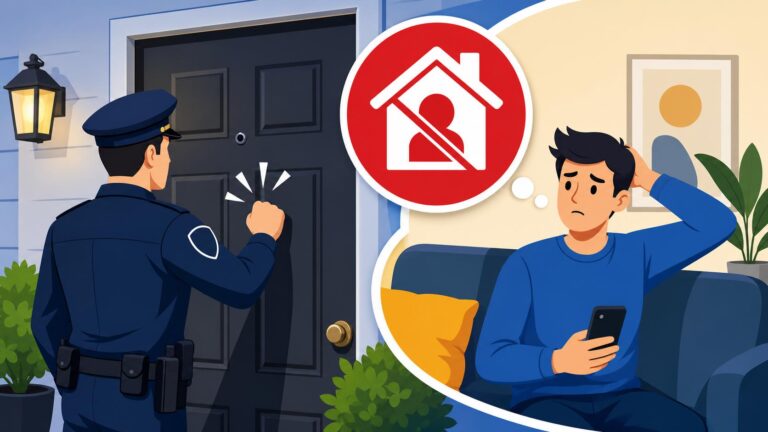
The sudden, sharp knock of a Turkish police officer at your door can send a wave of panic through even the most law-abiding expat. I remember sitting in my first apartment in Kadıköy, heart racing, wondering if my "merhaba" to the local shopkeeper was friendly enough to prove I actually lived there. This guide explains why these random address checks, known as Tahkikat, are a standard part of the residency process and how you can navigate them without losing your mind.
Understanding the Tahkikat Process: What is an Address Verification Check
The term Tahkikat refers to an official investigation or verification process conducted by the Turkish authorities, specifically the Turkish National Police (Polis) or the Gendarmerie (Jandarma) in rural areas. When you submit an application through The e-Ikamet System: How to Apply, Renew, and Track Your Residence Permit, you are providing a sworn statement regarding your place of residence. The Tahkikat is the physical mechanism the government uses to ensure that the address on your paperwork matches where your head actually hits the pillow at night.
This isn't just a bureaucratic whim; it is a matter of national security and administrative accuracy. Turkey has faced significant challenges with "ghost" residences, where dozens of foreigners might register at a single address they don't actually occupy to circumvent immigration rules. To combat this, the Provincial Directorate of Migration Management (Göç İdaresi) requests local police departments to conduct spot checks. These officers aren't there to harass you; they are simply ticking a box to confirm that the individual who applied for residency is a genuine member of that specific neighborhood community.
The timing of these checks is notoriously unpredictable. Some expats receive a visit within a week of their biometric appointment, while others might wait months or never receive a visit at all. Factors such as your nationality, the specific district you live in, and whether you are a first-time applicant or a renewal can all influence the likelihood of a visit. Regardless of the timing, the goal remains the same: to verify the integrity of the data stored in the central Nüfus (population) registry.
Why the Police Specifically Target Certain Applicants
While the system is technically random, certain triggers make a Tahkikat much more likely. If you have recently moved into one of the Navigating Closed Neighborhoods: A Guide to Areas Where Foreigners Cannot Register, you should expect a higher level of scrutiny. In districts like Fatih or Esenyurt in Istanbul, where foreign population density has historically been very high, the police are much more active in verifying that every resident is accounted for and legally registered.
Fraud prevention is the primary driver here. The authorities are looking for red flags, such as five different surnames registered to a one-bedroom apartment or rental contracts that look suspicious. This is why having your documents in order is vital. If you used a service like RushTranslate to ensure your foreign documents were perfectly translated and notarized before submission, you’ve already reduced the chances of a paperwork discrepancy triggering a deeper investigation. Consistency in your file is your best defense against unwanted administrative delays.
Another reason for targeted checks is the "first-timer" status. If this is your first year in Turkey, the government wants to establish that you are a legitimate resident with a stable base. For those who have lived in the same apartment for five years and are simply renewing, the authorities may feel they already have enough data on your residency patterns. However, if you are a new arrival, you are essentially a blank slate, and the police visit is the final "stamp of approval" on your integration into the local neighborhood structure.
What Happens During a Random Police Visit
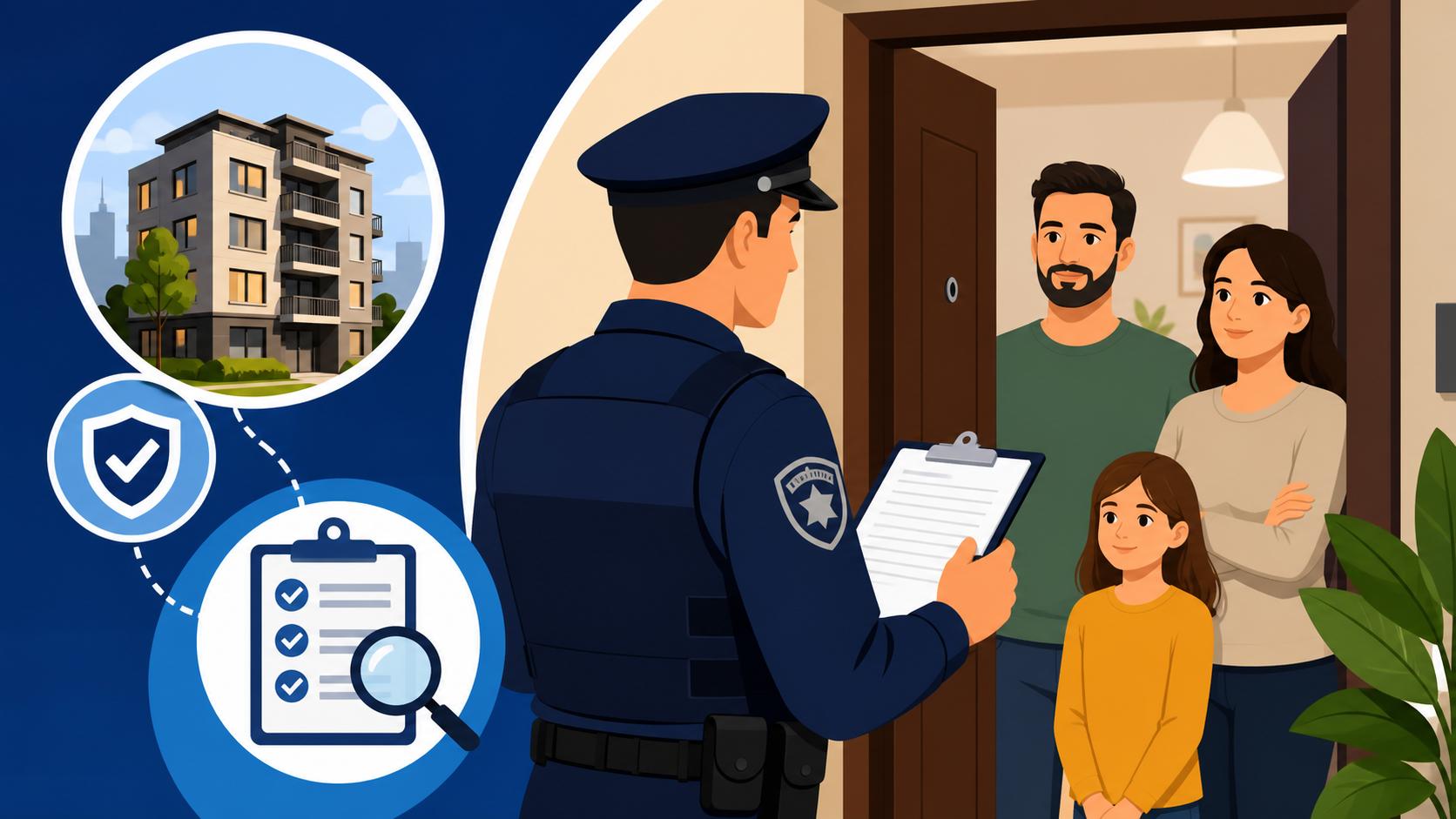
When the officers arrive, they are usually in uniform, though plainclothes officers are not unheard of. They will typically ask to see your passport and your residency application document (the "müracaat belgesi") or your actual Ikamet card if you already have it. The interaction is usually brief, lasting no more than five minutes. They might ask how long you’ve lived there, who you live with, and what your purpose of stay is.
A fascinating and often overlooked aspect of the Tahkikat is the "neighbor interview." If you aren't home, or even if you are, the officers might knock on the doors of your neighbors or speak to the "kapıcı" (the building manager/doorman). They will ask simple questions: "Does a foreigner live in apartment number 4?" or "Have you seen this person coming and going?" This is why being a "good neighbor" in Turkey is a practical survival skill. Even if you don't speak fluent Turkish yet, a polite nod and a "Kolay gelsin" to your neighbors can go a long way when the police come asking questions about your presence in the building.
The officers will also check the mailbox and the doorbell. If your name is not on the doorbell or the mailbox, it can be a minor red flag. While not an immediate cause for rejection, it adds a layer of doubt. Expats are often advised to put their name clearly on their doorbell as soon as they move in. It’s a small detail that makes the officer’s job easier and proves you aren't trying to hide. If your application was part of a Required Documents Checklist for a Short-Term Turkish Residence Permit, this physical proof at your doorstep acts as a secondary confirmation of your legal presence.
What to Do If You Are Not Home During the Check
The most common fear among expats is: "What if I'm at the grocery store when they knock?" Take a deep breath. Missing a single visit is not an automatic ground for Ikamet Rejections: Exact Steps on What to Do If Your Residence Permit is Denied. The police understand that people have lives—they go to work, they travel, and they run errands. Usually, if they miss you, they will leave a small note or simply return a few days later.
If they miss you a second or third time, they may report the address as "unverified" to the Göç İdaresi. This is where things get slightly more complicated. If your application status on the official portal shows a "problem with address," you will likely need to visit your local Address Registration (Nüfus): The Most Critical Post-Arrival Step for Foreigners office or the Migration Office itself to provide secondary proof. This might include a recent utility bill in your name or a letter from the "muhtar" (neighborhood headman).
The muhtar is a key figure in this process. Every neighborhood has one, and they are responsible for keeping local records. If the police can't find you, they might visit the muhtar. If you have already introduced yourself to your muhtar and registered your presence with them, they can vouch for you even if you are away on a short trip. Ensuring your address is correctly updated via Moving Apartments: How to Change Your Address at the Nüfus Office Within 20 Days is the best way to prevent these "not home" scenarios from turning into a legal headache.
| Scenario | Possible Outcome | Recommended Action |
|---|---|---|
| You are home and documents match | Inspection passed immediately | Keep a copy of your passport and application handy |
| You are not home (First visit) | Police may ask neighbors or return later | Ensure your name is on the doorbell and mailbox |
| You are not home (Multiple visits) | File may be flagged as "address unverified" | Visit the Göç İdaresi with a recent utility bill |
| Name not on the doorbell | Officer might doubt you live there | Install a clear nameplate on the door and mailbox |
| Neighbor says they don't know you | Trigger for deeper investigation | Introduce yourself to your neighbors and the Muhtar |
Essential Documents and Proof of Residency
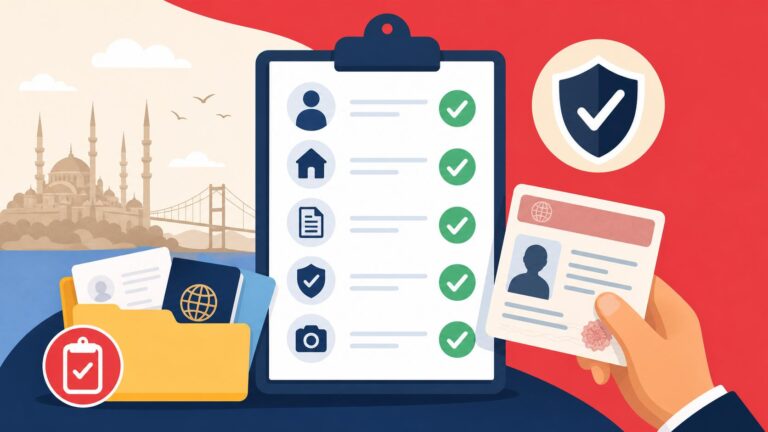
To make the Tahkikat as smooth as possible, you should have a "residency folder" kept near your front door. This folder should contain a copy of your signed rental contract, your Health Insurance Requirements: Securing a Policy for First-Time Ikamet Applications documents, and your passport. While you might have comprehensive international coverage through a provider like Cigna Global, make sure you also have the specific Turkish-compliant insurance certificate that the migration office requires, as the police may want to see that everything is locally valid.
If you are living in a shared apartment, ensure that you have a notarized undertaking (taahhütname) from the primary tenant or owner. The police are looking for a clear legal link between your name and the four walls you are standing within. If your contract was notarized—which it must be for the residency application—keep that notarized copy available. You can find out more about this in the guide on Where to Find Public Notaries to Authenticate Your Passport and Rental Lease.
Furthermore, it is highly recommended to have a digital or physical copy of your How to Obtain an Official Address Certificate (Yerleşim Yeri Belgesi) on e-Devlet. This document is the ultimate proof of residency in Turkey. It is pulled directly from the central database and shows exactly where the government thinks you live. If the police see that you are officially registered in the system and have your certificate ready, the "investigation" usually ends right there with a friendly "İyi günler."
Common Pitfalls and How to Avoid Residence Permit Rejection
The biggest pitfall is failing to register your address at the Nüfus office after your residency is approved. Many expats think that because they gave their address to the Migration Office during the interview, the job is done. However, the Nüfus (Civil Registry) and Göç İdaresi (Migration Management) systems don't always talk to each other instantly. If the police check the Nüfus system and find it empty or showing a previous tenant, it creates a conflict that can lead to your permit being revoked.
Another trap is the "vacation" problem. If you plan to be away for more than a couple of weeks shortly after your residency appointment, you are at higher risk. If the police come and find a shuttered apartment and a neighbor who says, "I haven't seen them in a month," they might conclude you’ve abandoned your residency. If you must travel, make sure your building manager knows your return date.
Finally, ensure that all translations are professional and accurate. Using a service like RushTranslate for your initial paperwork ensures that there are no "lost in translation" moments that might make an officer suspicious of your background or your intent for staying in Turkey. The police are looking for consistency; if your story, your neighbors' stories, and your paperwork all align, the Tahkikat is nothing more than a minor interruption in your afternoon tea.
Disclaimer
The information provided in this guide is for informational purposes only and does not constitute legal advice. Immigration laws and police procedures in Turkey are subject to frequent changes and may vary by province or district. Always consult with the official Goç İdaresi website or a qualified legal professional regarding your specific residency situation. Be aware that providing false information to Turkish authorities regarding your place of residence is a criminal offense and can lead to immediate deportation and a long-term re-entry ban.