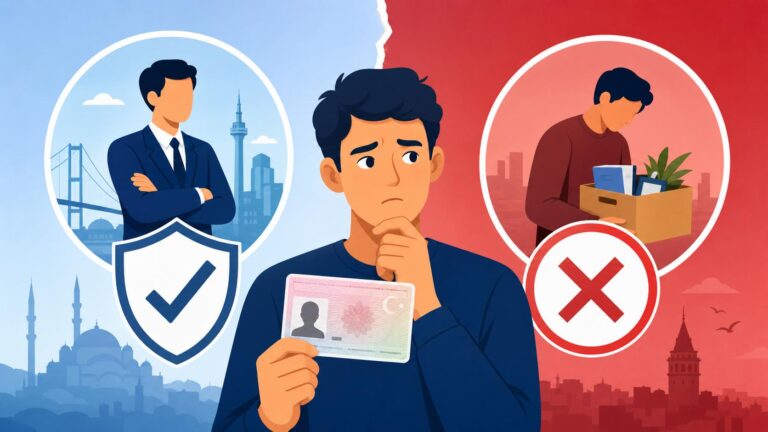
Getting a Sick Note (Rapor) from a Local Doctor for Your Turkish Employer
Waking up with a throbbing migraine or a high fever is stressful enough, but in Turkey, the administrative panic often sets in before the first aspirin. I remember my first winter in Istanbul, shivering under three blankets and wondering if a quick WhatsApp message to my manager was legally sufficient to keep my job. This guide solves the confusion surrounding the mandatory medical rest report, known locally as a "rapor," and explains exactly how to obtain one that your Turkish employer must legally accept.
Understanding the Rapor Culture in Turkish Workplaces
In many Western countries, a "self-certification" for a day or two of illness is standard practice. You call in, say you are unwell, and your word is generally accepted. In Turkey, the labor law is significantly more rigid regarding documentation. Whether you are working for a massive tech firm in Levent or a boutique language school in Izmir, a "rapor" is the only currency that justifies your absence. Without this official document, your employer has the legal right to mark you as absent without excuse, which can lead to salary deductions or, in extreme cases of repeated absence, termination.
The sick note is not just a piece of paper; it is a legal record integrated into the national health system. It serves two purposes: it protects you from disciplinary action and it triggers the social security mechanisms that handle your pay while you are away from your desk. Understanding this system is vital for anyone navigating Working in Turkey as a Foreigner: Jobs, Permits, and Hiring Trends (2026). Turkish employers are generally sympathetic to health issues, but they are also bound by strict audit requirements, meaning they need that digital or physical paper trail to keep their own books clean.
If you are new to the country, you might find the insistence on a formal report for a 24-hour stomach bug a bit excessive. However, once you see how the system integrates your medical history with your employment record, you will realize it offers a level of protection that verbal agreements simply cannot match. It ensures that your Labor Rights in Turkey: Employment Contracts, Minimum Wage, and Severance are upheld, preventing any unscrupulous boss from claiming you simply abandoned your post.
Where to Obtain Your Medical Rest Report
When the fever hits, knowing exactly where to go can save you hours of wandering through steep neighborhood streets. In Turkey, there are three primary avenues for securing a sick note, and the choice depends largely on your insurance status and the severity of your symptoms. Most expats will start their journey at a local clinic, but larger emergencies might require a hospital visit.
The Local Family Health Center (Sağlık Ocağı)
The first and most common stop is your neighborhood Sağlık Ocağı. These are neighborhood clinics where you are assigned a specific "Aile Hekimi" or Family Physician based on your registered address. For minor illnesses like the common cold, flu, or mild food poisoning, this is the most efficient route. These clinics are free for those enrolled in the national insurance system, and the doctors there are well-versed in issuing short-term rest reports, usually ranging from one to five days.
To use this service effectively, you must ensure your residency paperwork is in order. You should have already completed the process of Choosing a Primary Care Physician (Aile Hekimi) at a Local Health Center shortly after arriving. If you haven't done this, the clinic might still see you in an emergency, but they may struggle to issue a digital report that links correctly to your social security (SGK) profile. The doctors here are often very busy, so showing up early in the morning—usually around 8:30 AM—is the best strategy to ensure you are seen without a three-hour wait.
Public and Private Hospitals
If your illness occurs over the weekend or late at night, or if it requires more diagnostic tools than a neighborhood clinic can provide, you will need to head to a hospital. Public hospitals (Devlet Hastanesi) are ubiquitous, but they can be overwhelming for those who do not speak fluent Turkish. The reporting system there is entirely digital. If you are treated in the emergency room, the "Acil" doctor can issue a rest report on the spot.
On the other hand, many expats prefer private facilities for the comfort and the higher likelihood of finding English-speaking staff. When visiting a private clinic, you must ensure they are authorized to issue SGK-integrated reports. Most major hospitals are, but some small private practices might only give you a "status report" which isn't always recognized by the social security system for pay purposes. Before you pay your consultation fee, always ask the reception desk: "SGK geçici iş göremezlik raporu veriyor musunuz?" (Do you issue SGK temporary incapacity reports?). This is a great phrase to practice using resources like TurkishPod101 before you actually need it in a crisis.
| Provider Type | Typical Report Length | Cost (with SGK) | Best For |
|---|---|---|---|
| Sağlık Ocağı | 1 – 5 Days | Free | Minor flu, colds, prescriptions |
| Public Hospital | 1 – 10+ Days | Very Low | Major illness, specialist needs |
| Private Hospital | 1 – 10+ Days | Moderate to High | Comfort, English-speaking doctors |
| Private Clinic | 1 – 2 Days | High | Quick convenience, non-SGK needs |
The Digital Integration: e-Nabız and MHRS
Turkey has one of the most sophisticated digital healthcare infrastructures in the world. Gone are the days of carrying a crumpled, hand-written note to your HR department. Today, almost everything happens within the e-Nabız system. When a doctor issues you a rest report, they enter it into the Ministry of Health’s central database. This record is then visible to you, your doctor, and—importantly—the social security institution.
Navigating the MHRS Appointment System
Unless it is a total emergency, you are expected to book an appointment. The Central Physician Appointment System (MHRS) is the portal used for all public health appointments. Learning to navigate this is a rite of passage for any resident. For a detailed walkthrough, you can refer to our guide on A Step-by-Step Guide to Booking MHRS Appointments Without Perfect Turkish. The system allows you to pick your preferred doctor and time slot, reducing the time you spend sitting in a waiting room while feeling miserable.
Once you have your appointment, ensure you bring your residency card (ikamet). The doctor will use your 99-series identification number to log the visit. If you are struggling with the interface or the terminology during the appointment, tools like TurkishPod101 offer specific modules on medical Turkish that can help you describe your symptoms accurately. Being able to distinguish between "baş dönmesi" (dizziness) and "mide bulantısı" (nausea) can make the difference between a one-day rest note and a more comprehensive five-day report.
Using e-Nabız to Verify Your Rapor
After your visit, the report should appear in your e-Nabız profile almost immediately. This app is your digital health passport. You can see your blood test results, prescriptions, and all issued "istirahat raporları" (rest reports). Many HR departments will ask you to send a PDF of the report via email or WhatsApp. You can download this directly from the app. Familiarizing yourself with Using e-Nabız: Accessing Your Medical Records on the Ministry of Health App is essential because it is also how you verify that the doctor actually hit "submit" on your report. There have been instances where a system glitch meant a report didn't save, leaving the employee in a difficult position with their employer.
Financial Implications and the Three-Day Rule
One of the most confusing aspects of getting sick in Turkey is how it affects your paycheck. Many expats are surprised to find that their employer is not always the one paying their salary during sick leave. The Turkish Social Security Institution (SGK) has a specific protocol for "Geçici İş Göremezlik Ödeneği" or Temporary Incapacity Allowance. This is essentially sick pay provided by the state rather than the company.
The Two-Day Employer Responsibility
Under standard Turkish labor practices, the employer usually covers the first two days of a sick leave period at their discretion, though legally they are not strictly mandated to pay for days not worked unless specified in your contract. However, most corporate Turkish Business Culture: Communication Styles, Meetings, and Etiquette norms dictate that for a short 1-2 day illness, your salary remains unaffected as long as a report is provided.
When SGK Takes Over
If your doctor issues a report for three days or more, the SGK system takes over the payment for the third day onwards. This means the employer will deduct those days from your monthly salary, and you must claim the "report money" back from the government. This is a common point of frustration for foreigners who see a dip in their bank transfer at the end of the month. To get this money, you usually need to visit a Ziraat Bank branch with your ID after the report has expired and been processed by the system.
The amount paid by SGK is typically two-thirds of your gross daily earnings for outpatient treatment and half for inpatient (hospitalized) treatment. This is why it is so important to understand Social Security (SGK) for Employees: What Deductions Your Employer Must Pay before you find yourself in a financial hole. If you are earning a high salary, the SGK cap might mean you receive significantly less than your usual daily rate, so some expats choose to use their Private Health Insurance (Özel Sağlık Sigortası): Top Providers for Foreigners to cover gaps or negotiate specific sick-pay clauses in their employment contracts.
Communicating with Your Employer and HR
While the legal report is the most important document, the "soft skills" of managing your absence are equally important in Turkey. The culture emphasizes respect and early communication. As soon as you realize you cannot make it to work, you should notify your direct supervisor. A polite message stating that you are unwell and are headed to the doctor is the standard first step.
Once you have the report, send it to your HR department as quickly as possible. Do not wait until you return to the office. Turkish HR teams are often under pressure to report absences to the social security system within a specific window (usually 5 days). Sending the digital copy from e-Nabız immediately shows that you are professional and aware of your Working Hours, Overtime Rules, and Paid Annual Leave (Yıllık İzin) in Turkey obligations.
If your Turkish is still a work in progress, don't be afraid to use a translation app or phrases you've learned on TurkishPod101 to communicate with your colleagues. A simple "Raporumu aldım, ekte gönderiyorum" (I received my report, I am sending it in the attachment) goes a long way. If the illness is serious and you will be away for an extended period, it is helpful to provide a brief update on your "durum" (status) every few days to maintain a good relationship with your team.
Special Scenarios: Chronic Illness and Second Opinions
Sometimes a single visit to a neighborhood clinic isn't enough. If you are managing a long-term condition, the standard short-term "rapor" might need to be converted into a "heyet raporu" (committee report). This is a document signed by multiple doctors (usually three) that allows for longer periods of rest, often up to six months. This is rarely handled by a family doctor and almost always requires a visit to a full-service hospital.
If you feel your doctor has given you too few days of rest for a serious condition, you are entitled to a second opinion. However, be aware that having two conflicting reports can confuse the SGK system. It is usually better to go back to the original doctor or visit a specialist at a hospital who can issue a more detailed assessment. When discussing symptoms, ensure you are clear and firm. Using the vocabulary from Essential Turkish Phrases for the Doctor: Communicating Symptoms Effectively will help you advocate for the rest you actually need.
Finally, keep an eye on your 2026 Minimum Wage Changes: Mandatory Salary Thresholds for Expat Workers and how they might fluctuate if you have frequent sick leave. While the law protects you from being fired for being ill, frequent un-reported absences are a different story. The "rapor" is your shield; never neglect to get one, even if you think you’ll only be out for a single afternoon.
Important Disclaimer
The information provided in this guide is for educational and informational purposes only and does not constitute legal or professional medical advice. Turkish labor laws and social security regulations are subject to frequent changes, and individual employment contracts may contain specific clauses that override general practices. Always consult with a qualified legal professional or your company's HR department regarding your specific situation. Furthermore, if you are experiencing a medical emergency, please contact 112 or visit the nearest emergency room immediately rather than waiting for an appointment.