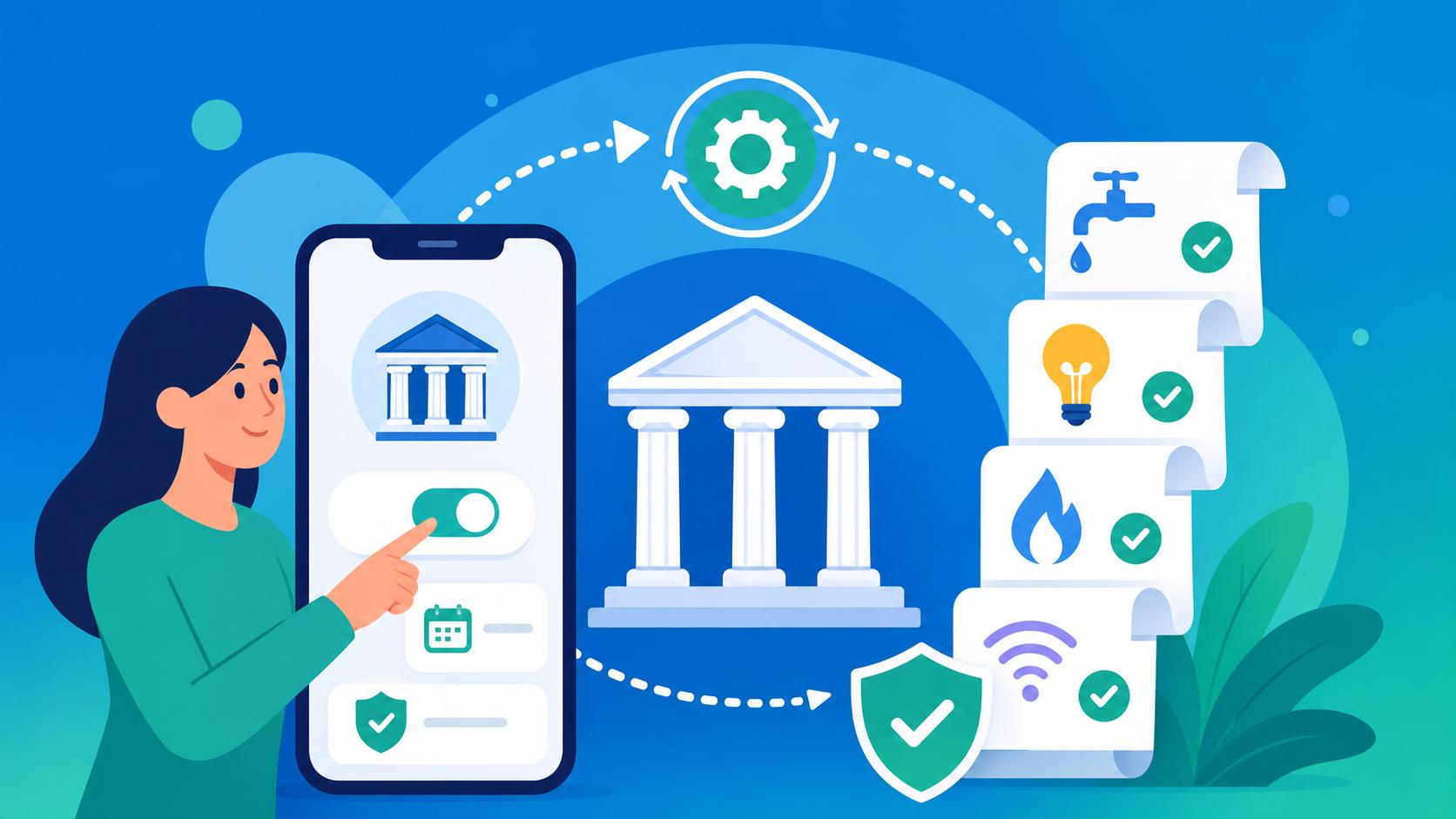
Setting up Automatic Bill Payments (Otomatik Ödeme Talimatı) with Your Bank
Navigating the maze of Turkish utility billing can feel like a full-time job, especially when you are hit with a sudden "service suspended" notice because you missed a deadline you didn't even know existed. I remember the panic of my first winter in Istanbul, shivering in a cold apartment because I hadn't realized the natural gas bill required a separate payment portal. This guide solves that headache by walking you through the "Otomatik Ödeme Talimatı" system to automate your financial life in Turkey.
Understanding Otomatik Ödeme Talimatı in the Turkish Banking System
In Turkey, the term "Otomatik Ödeme Talimatı" literally translates to "Automatic Payment Instruction." Unlike some Western countries where you might set up a "Direct Debit" through the service provider's website, in Turkey, the process is almost always initiated through your bank. You are essentially giving your bank a mandate to "pull" the bill information from the service provider and pay it as soon as it is issued.
The Turkish banking infrastructure is incredibly sophisticated, often surpassing European systems in terms of real-time processing. Most major banks like Ziraat Bankası, Garanti BBVA, and İş Bankası have direct integrations with hundreds of institutions—from your local water board to your mobile carrier. When you set up this instruction, the bank checks for your specific subscriber number daily. As soon as a debt is logged in the utility company’s system, your bank pays it, usually a few days before the actual due date. This proactive approach is vital because Turkish utility companies are notoriously quick to "kesmek" (cut off) services, sometimes within 48 hours of a missed deadline.
Essential Prerequisites Before You Automate
Before you can dive into your mobile banking app to set these up, you need to have a few things in order. First and foremost, you cannot set up automatic payments without a local bank account. If you are still in the early stages of your move, you should prioritize Opening a Bank Account in Turkey: Rules for Expats, Tourists, and Investors. Most banks will require your residence permit (Ikamet), but some branches of Ziraat or Vakıfbank may allow you to open an account with just a passport and a potential deposit.
Secondly, you need your "Abone Numarası" (Subscriber Number) or "Tesisat Numarası" (Installation Number) for every utility. These are not the same as your contract number. You can find these on your physical paper bills or by logging into the provider's e-devlet portal. If you are renting, ensure the bills are in your name. If they are still in the landlord's name, you can still pay them, but it is much safer to have them transferred. For those looking to handle the administrative side of a move, remember that Address Registration (Nüfus): The Most Critical Post-Arrival Step for Foreigners is often a requirement before utility companies will let you open a new contract in your name.
Setting Up Auto-Payments via Mobile Banking Apps
The most common way to manage your bills is through your bank’s mobile application. Every major bank follows a similar UI pattern. You will typically look for a menu labeled "Ödemeler" (Payments), then "Fatura" (Bill), and finally "Otomatik Ödeme Talimatı."
Once inside the menu, you will select the category of the bill—such as "Elektrik," "Su" (Water), or "Doğalgaz" (Natural Gas). After selecting the category, you must find the specific provider. For example, if you live on the European side of Istanbul, your electricity provider is likely "CK Boğaziçi Elektrik." If you are in Ankara, it might be "Enerjisa." Selecting the wrong provider is a common expat mistake; the system won't find your subscriber number if the provider is incorrect. After inputting your subscriber number, the app will show your current balance (if any). You then confirm the "Talimat," and from that moment on, the bank takes over.
If you are managing your finances across borders, you might find that your Turkish Lira balance fluctuates. Many expats use Wise to transfer funds from their home currency into their Turkish Lira (TRY) account to ensure there is always enough liquidity for these automated bills. Keeping a buffer is essential, as the bank will not pay the bill if the balance is even one kuruş short, and they won't always send a notification that the payment failed.
Comparing Payment Sources: Account Balance vs. Credit Card
When setting up your automatic instructions, Turkish banks usually give you two options: paying from your "Vadesiz Hesap" (Current/Checking Account) or from your "Kredi Kartı" (Credit Card). There are significant pros and cons to each that you should consider based on your cash flow.
| Feature | Payment from Current Account | Payment from Credit Card |
|---|---|---|
| Fees | Usually zero fees for standard utility bills. | Some banks charge a small "convenience fee" per bill. |
| Reliability | Depends entirely on your available Lira balance. | High reliability; pays as long as you have credit limit. |
| Credit Score | Minimal impact on your Turkish credit history. | Helps build a positive credit history in Turkey. |
| Notifications | Sometimes limited if a payment fails due to low funds. | Usually sends an SMS if the transaction is processed. |
| Incentives | Rare; occasionally offers "no-fee" banking tiers. | Often earns "Bonus" points or miles (depending on the card). |
For those who have managed to secure a local card, utilizing it for bills is a great way to handle Credit Cards and Loans in Turkey: How Foreign Expats Can Build Credit. However, if you are a new arrival, you likely won't have a credit card yet. In that case, ensure your checking account is well-funded. If you are an active investor, you might be keeping your main assets in something like Trade Republic or Binance, but you must remember to off-ramp enough Lira to your local Turkish bank to cover these recurring costs.
Security and Remote Management for Expats
A major concern for expats who travel frequently or spend summers outside of Turkey is the security of their banking apps. Turkish banking apps are highly secure, usually requiring a Turkish SIM card for SMS verification or an integrated soft-token. However, accessing these apps from foreign IP addresses can sometimes trigger security blocks or "grey-outs" of certain features.
Using a high-quality VPN like NordVPN can help you maintain a consistent Turkish IP address while you are traveling abroad, ensuring you can check your "Ödeme Talimatı" status without the bank's security system flagging your account for suspicious "foreign" login attempts. This is particularly important because if an automatic payment fails while you are in London or New York, you need to be able to log in and pay it manually before the "kesme" order is issued.
Furthermore, if you are a digital nomad or remote worker, you might be using Turkey Digital Nomad Visa (2026): Full Requirements and Application Guide to stay in the country. In this case, your financial footprint is international, and having a secure way to manage local Lira bills via a VPN is non-negotiable for maintaining your residency status and utility connections.
Troubleshooting Common Automation Issues
Even the best systems can fail. The most common issue expats face is the "Double Payment" or the "Ghost Debt." This happens when you manually pay a bill through a third-party app or at a PTT office, but the bank's automatic instruction also triggers. While the "extra" payment usually shows up as a credit on your next month's bill, it can be annoying for those on a tight budget.
Another frequent problem is the expiration of the instruction. Some banks "retire" an automatic payment if the subscriber number hasn't had a bill generated for six months (common for summer homes in Bodrum or Antalya). If you are moving within Turkey, do not assume your instructions will follow you. You must cancel the old ones and set up new ones for your new address. Failure to do this can lead to you accidentally paying the bills for the next tenant at your old apartment. You can easily manage these address changes if you know How to Obtain an Official Address Certificate (Yerleşim Yeri Belgesi) on e-Devlet.
Lastly, be aware of the "Limit" issue. Some banks have a default daily limit for automatic bill payments. If you have a particularly expensive month—perhaps due to heavy air conditioning use in the summer or a large natural gas bill in the winter—the payment might exceed your daily limit and fail. Check your "Limit Tanımlama" (Limit Definitions) in your banking app and set your bill payment limit to something comfortably high, like 10,000 TL, to avoid this trap.
Final Steps: Verifying Your Instructions
Once you have set everything up, don't just "set it and forget it" for the first two months. Monitor your "Hesap Hareketleri" (Account Activity) to ensure the payments are going through. You can also use the e-Devlet Financial Services: Tracking Taxes, SGK Debts, and Bank Accounts portal to see if there are any outstanding debts registered to your T.C. Kimlik number that your bank might have missed.
If you ever decide to leave the country permanently, canceling these instructions is a critical part of your exit checklist. Leaving behind active "Talimats" on an empty account can lead to bank fees and "Overdraft" (Kredili Mevduat Hesabı) interest that could haunt you if you ever decide to return to Turkey. Make sure you know the process for Leaving Turkey Financially Clean: Closing Accounts, Final Taxes, and Refunds to ensure your departure is as smooth as your arrival.
Disclaimer
This guide is for informational purposes only and does not constitute financial, legal, or professional advice. Banking regulations and mobile app interfaces in Turkey change frequently; always consult with your specific bank’s customer service or a qualified financial advisor for the most current information regarding your accounts.