Finding an English-Speaking Certified Public Accountant (SMMM) in Istanbul
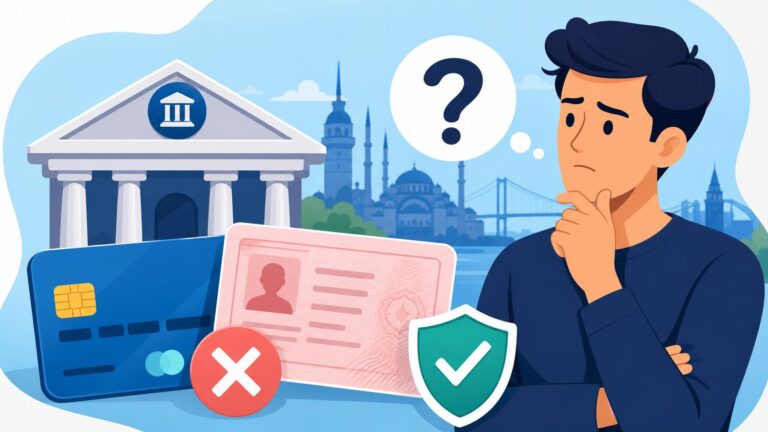
Navigating the Turkish tax system as a foreigner is like trying to solve a Rubik’s cube in a dark room where the rules change every time you make a move. I remember the absolute panic I felt when I received my first "Stopaj" tax notification and realized I couldn't even read the portal, let alone calculate the debt. This guide solves the struggle of finding a reliable, English-speaking SMMM to keep you legal and stress-free.
The Absolute Necessity of an SMMM for Foreigners in Istanbul
If you are planning on Starting a Business in Turkey (Limited Şirket) as a Foreigner, the very first person you need on your team isn't a marketing manager or a sales lead—it is a Serbest Muhasebeci Mali Müşavir (SMMM). In Turkey, the law is quite clear: any registered business entity must have a licensed accountant to submit monthly, quarterly, and annual declarations to the tax office. You cannot simply log in and do it yourself, even if you speak perfect Turkish.
An SMMM is more than just a bookkeeper; they are a bridge between your private enterprise and the Republic of Turkey’s Ministry of Finance. They hold a professional license that makes them legally responsible for the accuracy of the data they submit. For an expat, this relationship is even more critical. You are likely dealing with international income, different VAT (KDV) rules, and the constant flux of the Turkish Lira. Having someone who can explain why your Taxes in Turkey for Foreigners: Residency, Income, and Filing Basics look the way they do is the difference between a thriving business and a mountain of "Gecikme Zammı" (late payment penalties).
Furthermore, the digital infrastructure in Turkey is actually quite advanced, but it is almost exclusively in Turkish. Portals like the GİB (Gelir İdaresi Başkanlığı) or the Interactive Tax Office are where your financial life happens. Without an English-speaking accountant, you will be constantly copy-pasting cryptic error messages into translation apps. This is also why many expats use NordVPN when accessing their sensitive financial accounts from abroad, ensuring their connection to Turkish banking portals remains secure and private.
Where to Search for English-Speaking Accountants in Istanbul
Finding a professional who speaks English isn't just about convenience; it’s about the precision of technical language. Accounting terms are specific, and a "lost in translation" moment can lead to significant financial loss. Istanbul is a massive megalopolis, and while there are thousands of SMMMs, only a fraction are truly comfortable handling the complexities of international tax law and foreign-owned entities.
One of the best places to start is the Istanbul Chamber of Certified Public Accountants (İSMMMO). They maintain a directory of all licensed professionals. While the directory itself is in Turkish, you can filter for those who have indicated foreign language proficiency. However, a "check-box" on a website doesn't always equal fluency. I always recommend cross-referencing these names with LinkedIn to see if they have worked with international firms or have educational backgrounds from English-medium universities like Boğaziçi or Marmara.
Networking within the expat community is equally vital. Visit the various Chambers of Commerce in Istanbul, such as the British Chamber of Commerce in Turkey (BCCT) or the French Chamber (CCIFT). These organizations often have a list of service providers who are vetted and accustomed to the needs of foreign investors. You can also look into Accounting Services for Foreign SMEs: Hiring a Certified Mali Müşavir through professional networks to find someone who specializes in your specific niche, whether that is e-commerce, consultancy, or retail.
Vetting Your Accountant: Questions to Ask and Red Flags
Once you have a shortlist, you need to conduct interviews. Do not hire the first person who says "Yes, I speak English." You need to test their technical English. Ask them to explain the difference between KDV (Value Added Tax) and Stopaj (Withholding Tax) in English. If they struggle to explain these basic concepts, they will struggle to explain your year-end balance sheet.
Ask about their experience with foreign-owned companies. There are specific rules regarding foreign capital and the employment of foreigners—specifically the 5-to-1 rule, which requires five Turkish employees for every one foreign employee. A good SMMM will be well-versed in these quotas. They should also be able to help you with Getting a Turkish Tax ID (Vergi Numarası) online via Dijital Vergi Dairesi before you even sign a contract. If they seem confused by the process of registering a foreigner without an Ikamet (residence permit) yet, they likely haven't worked with many expats.
| Feature | SMMM (Certified Accountant) | YMM (Sworn-in CPA) |
|---|---|---|
| Primary Role | Bookkeeping, Tax Filings, Payroll | Auditing, Official Certification |
| Mandatory for SME | Yes | No (usually for large corps) |
| Legal Authority | Submits monthly declarations | Can certify tax returns as "correct" |
| International Focus | Varies widely | Usually high-level |
| Typical Cost | Monthly retainer based on volume | High project-based fees |
A major red flag is an accountant who suggests "cutting corners" to save on taxes. In Turkey, the tax office has become incredibly efficient at cross-referencing digital data. If your accountant suggests not reporting certain income or playing games with Freelancer Taxation in Turkey: Self-Employment Receipts and Withholding (Stopaj), walk away. The penalties are harsh, and as a foreigner, a tax fraud investigation could jeopardize your residency status.
Understanding the Monthly Accounting Cycle in Turkey
Working with a Turkish accountant requires you to adapt to a very specific rhythm. The Turkish tax calendar is relentless. Every month, your accountant will need your "fatura" (invoices) for both income and expenses. These must be provided early in the month because the deadline for KDV (VAT) declarations is usually the 26th. If you miss this window, your accountant cannot file, and you will be hit with an automatic fine.
For those running modern businesses, you will likely be integrated into the E-Invoicing (e-Fatura) Requirements for Registered Businesses in Turkey system. This is a digital-only system where invoices are sent and received through a central government server. Your SMMM will set this up for you. It’s actually quite convenient once you get the hang of it, but the initial setup requires an "e-imza" (electronic signature) which can be a bureaucratic headache for a foreigner to obtain.
You will also receive a monthly Understanding Your Turkish Payslip (Bordro): Breakdown of Monthly Deductions if you are employing staff or even just paying yourself through your company. Your accountant will calculate the SGK (Social Security) premiums and the "Muhtasar" tax. Keeping track of these payments is essential. I highly recommend using E-Devlet Financial Services: Tracking Taxes, SGK Debts, and Bank Accounts to double-check that your accountant is actually making the payments on your behalf. There have been rare cases where accountants took the tax money from the client but didn't pay the state; always verify.
Managing International Financial Tools and Reporting
Many expats in Istanbul don't just deal in Lira. You might be receiving payments in USD or EUR, or managing investments through platforms like Binance for crypto or Trade Republic for European stocks. A standard Turkish accountant might not know how to handle these in a way that is compliant with both Turkish law and your home country’s requirements (like FATCA for Americans).
You need an accountant who understands how to reconcile a Wise statement with a Turkish bank account. Since platforms like Wise have faced various regulatory changes in Turkey, your accountant needs to be proactive. They should know how to record these transfers as "Export of Services" if you are billing clients abroad, which can often exempt you from KDV—a massive saving for your business.
When you are Opening a Bank Account in Turkey: Rules for Expats, Tourists, and Investors, your SMMM should ideally be there or at least be on the phone with the bank manager. Turkish banks can be notoriously difficult with "Foreign-Owned Company" accounts. Having a licensed SMMM provide the necessary "Oda Kayıt Faaliyet Belgesi" (Chamber of Commerce Activity Certificate) and other documents can smooth over a process that would otherwise take weeks.
Fee Structures and What to Expect to Pay
Price transparency can be a challenge in Turkey. However, the Chamber of Accountants (İSMMMO) actually publishes a minimum fee tariff every year. This tariff is based on the type of company (Limited vs. Anonymous), the number of employees, and the city. Istanbul has the highest rates in the country.
While there is a "legal minimum," English-speaking accountants who specialize in expat affairs will charge a premium. You are paying for their language skills and their ability to navigate the specific hurdles that foreigners face. Expect to pay a monthly retainer. This retainer usually covers the standard filings, but "extra" services like helping you with a residence permit application or attending a meeting at the Chamber of Commerce might be billed separately.
Always ask for a written agreement that outlines exactly what is included in the monthly fee. Does it include the year-end closing of the books? Does it include Sending Money to and from Turkey: SWIFT, IBANs, and International Apps consultations? Getting this in writing—even via email—protects you from "surprise" invoices at the end of the year.
Final Advice for a Smooth Partnership
The relationship with your SMMM is one of the most intimate professional bonds you will have in Istanbul. They will know exactly how much you earn, how much you spend, and whether you are meeting your legal obligations. To make this work, you must be organized. Don't be the client who sends a blurry photo of a receipt via WhatsApp on the 25th of the month.
Invest in a good scanner or use a high-quality mobile app to digitize every single document. Create a shared folder (secured via NordVPN if you are on public Wi-Fi) where both you and your accountant can access invoices and bank statements. The more you help them, the more they can help you avoid the dreaded tax audits. Turkey is a land of immense opportunity, but it is also a land of intense bureaucracy. With the right English-speaking SMMM by your side, you can stop worrying about the "dark room" of Turkish finance and focus on building your life in this incredible city.
Disclaimer
This guide is for informational purposes only and does not constitute legal, financial, or tax advice. The Turkish regulatory environment is subject to frequent changes. Always consult with a licensed Serbest Muhasebeci Mali Müşavir (SMMM) or a qualified legal professional before making any financial decisions or registering a business in Turkey. The author and publisher are not responsible for any actions taken based on the content of this article.