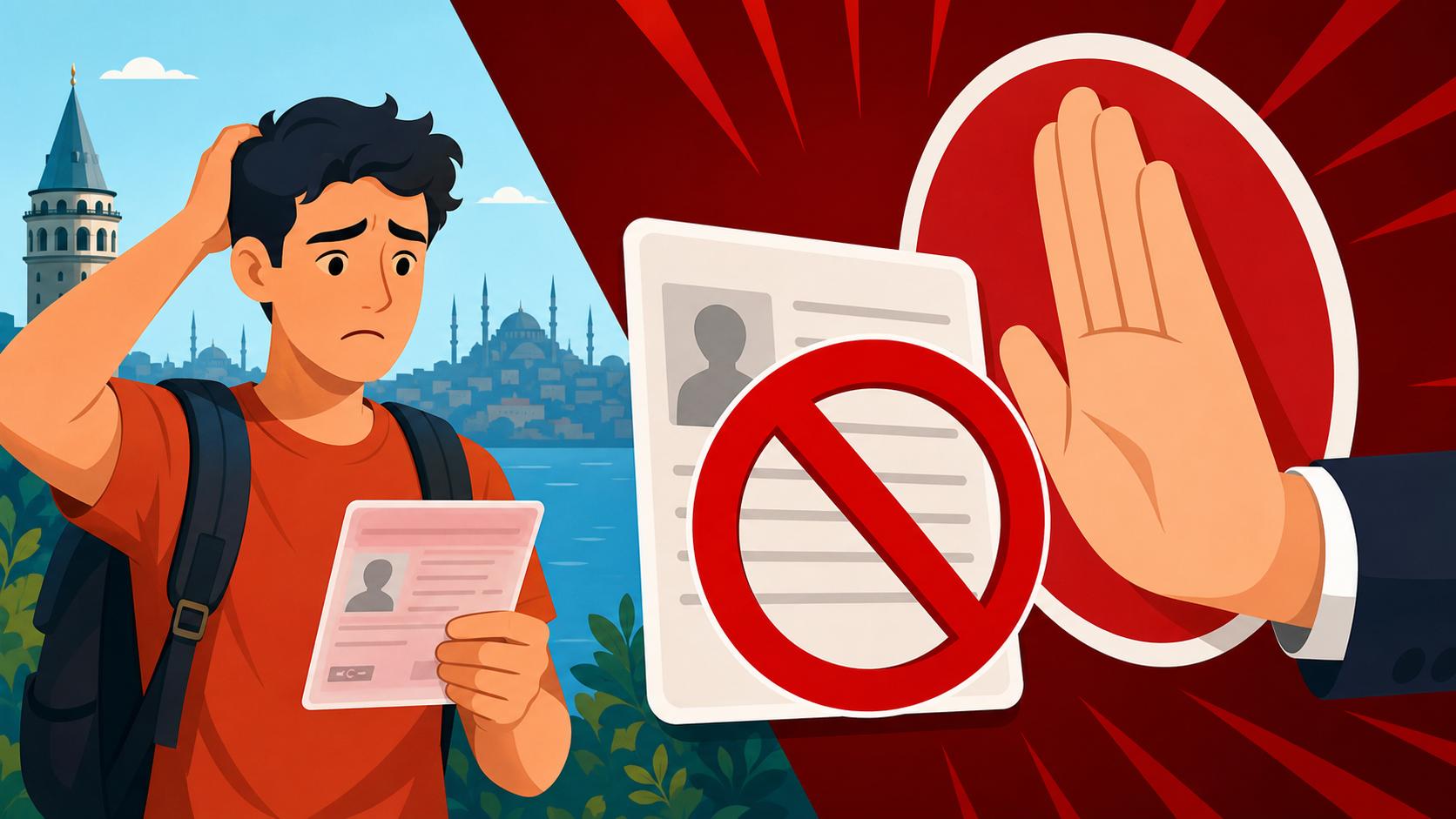
Short-Term Touristic Ikamet: Why Renewals are Being Strictly Denied in 2026
Waking up to a rejection SMS from the Göç İdaresi is a heart-sinking experience that has become a localized rite of passage for many in Turkey lately. I remember sitting in a small çay garden in Beşiktaş, staring at my phone in disbelief after my first renewal was questioned years ago, feeling the sudden weight of packing up a life I had worked so hard to build. This guide meticulously breaks down why the authorities are tightening the screws on touristic permit renewals and how you can navigate these stormy waters.
The Changing Landscape of the Turkish Touristic Residence Permit
For nearly a decade, Turkey was the go-to destination for "slow travelers" and retirees who could simply state they were here for tourism and receive a one or two-year residence permit with minimal fuss. Those days are officially over. The Turkish government has shifted its immigration strategy toward "purpose-driven" residency, meaning they no longer want people living here indefinitely on a tourist status. If you are not contributing to the economy through investment, working for a local company, or studying at a university, the state is increasingly viewing your presence as temporary.
The 90/180-day rule remains the bedrock of Turkish visa policy. For many, this means you can stay for 90 days out of every 180 without a permit. However, when you apply for a Turkish Residence Permits (Ikamet): The Complete Application Guide (2027), you are essentially asking for an exception to this rule. The Migration Office (Göç İdaresi) is scrutinizing these "exceptions" with unprecedented intensity. They are looking for reasons to say "no" rather than "yes," specifically targeting those who have renewed their touristic permits multiple times without changing their status to a more permanent visa type.
This shift isn't just about bureaucracy; it is about urban planning and economic shifts. High inflation and a housing crisis in major cities have led to a public and political push to limit the number of foreigners in certain hubs. By strictly enforcing renewal denials, the government is effectively filtering the expat population. If you find yourself caught in this transition, understanding The e-Ikamet System: How to Apply, Renew, and Track Your Residence Permit is the first step in knowing where you stand in the digital queue.
Key Reasons for Denial: Deciphering the Göç İdaresi Strategy
The most common reason for a rejection is the lack of a "valid tourism plan." In the past, you could simply write "I want to see the museums in Istanbul" and call it a day. Now, case officers often demand a detailed itinerary including hotel bookings, flight tickets for internal travel, and proof that you are actually moving around the country. If your bank statements show you are staying in one apartment in Kadıköy and never traveling, they will argue that your stay is not "touristic" but "residential," which requires a different permit type.
Financial sufficiency has also become a major hurdle. With the cost of living skyrocketing, the old "standard" of having $6,000 in a bank account is often insufficient. Officers are now looking for a consistent monthly income that is significantly higher than the local minimum wage. They want to see that you aren't working illegally within Turkey to support yourself. If your income comes from abroad, ensuring your documents are perfectly prepared is vital. I found that using a professional service like RushTranslate for my foreign bank statements and income letters made a massive difference in how the officer perceived my file’s legitimacy.
Another common pitfall is the "purpose of stay" mismatch. If the officer suspects you are working remotely for a foreign company while on a touristic permit, they may deny your renewal and point you toward the new digital nomad options. The government wants to track these individuals for tax purposes. If you are worried about your specific case, reading about Ikamet Rejections: Exact Steps on What to Do If Your Residence Permit is Denied can help you prepare a "Plan B" before you even head to your appointment.
The Impact of Neighborhood Restrictions
One of the most frustrating hurdles for expats is the "Closed Neighborhood" policy. To prevent a high concentration of foreigners in specific areas, the government has "closed" over 1,000 neighborhoods across Turkey to new residency registrations. If your rental contract is in one of these zones, your renewal is almost guaranteed to be denied unless you held a permit at that exact address before the closure.
This policy has created a "trap" for many who move to a new apartment without checking the list. Even if you have all your other documents in order, an address in a restricted zone like Fatih or parts of Esenyurt will trigger an automatic rejection. It’s a heartbreaking situation to have a beautiful apartment and a signed lease, only to find out it’s the very reason you have to leave the country. You must be proactive in Navigating Closed Neighborhoods: A Guide to Areas Where Foreigners Cannot Register before you commit to any long-term rental.
Furthermore, the Address Registration (Nüfus): The Most Critical Post-Arrival Step for Foreigners has become the primary way the government tracks these quotas. If you fail to register your address with the Nüfus office within 20 days of moving, your residence permit can be cancelled without notice. The police are conducting more frequent "address checks" (tahkikat), where they physically visit your home to ensure you actually live there. If you aren't home during multiple visits, your permit could be at risk.
Essential Documentation and Private Services
The paperwork required for an Ikamet renewal has become more complex, requiring multiple layers of notarization and apostilles. Every document from your home country, such as marriage certificates or criminal record checks, must be translated by a sworn translator and often notarized. Applicants are sometimes turned away because their translations were "too informal" or lacked the proper stamps. Using a recognized agency like RushTranslate ensures that your documents meet the rigorous standards of the Turkish notary public.
Health insurance is another non-negotiable requirement. For those under 65, you must have a policy that covers the duration of your stay. While many people buy the cheapest "foreigner insurance" just to get the permit, these basic policies often offer very little actual medical coverage. If you are planning to stay long-term and want real peace of mind, investing in a comprehensive plan from Cigna Global is often a better move. Not only does it satisfy the legal requirements for the Ikamet, but it also ensures you aren't left with massive bills if you end up in a private hospital in Istanbul.
| Document Type | Requirement for 2026 | Veteran Tip |
|---|---|---|
| Tourism Plan | Detailed, dated itinerary | Include bookings for cities like Cappadocia or Izmir. |
| Bank Statements | 6 months of history with high balance | Have these translated and stamped by your bank. |
| Health Insurance | Must cover the full permit duration | Use Cigna Global for better private hospital access. |
| Rental Contract | Notarized with landlord's ID copy | Ensure the landlord is present at the notary. |
| Biometric Photos | Exactly 4 copies, white background | Don't use photos older than 6 months. |
When gathering your folder, refer to the Required Documents Checklist for a Short-Term Turkish Residence Permit to ensure every staple and stamp is in the right place. The officers at the Göç İdaresi have very little patience for incomplete folders in the current climate, and a missing document is often seen as a reason to reject the application rather than a reason to give you a "missing document" (eksik evrak) notice.
What to Do After an Ikamet Rejection
If the worst happens and your renewal is denied, the clock starts ticking immediately. Typically, you will receive a "Notification of Rejection" which gives you 10 days to leave the country. This is a period of high stress, but it is crucial to remain calm and follow the legal protocol. If you stay past these 10 days, you are technically an overstayer, which can lead to Overstays, Fines, and Deportation: Navigating Harsh Immigration Rules in Turkey and a potential re-entry ban ranging from three months to five years.
You do have the right to file an administrative appeal, but this is a costly and lengthy process. An appeal does not always automatically grant you the right to stay in the country while the case is pending unless a "stay of execution" is granted by a judge. Most expats find that it is easier to leave, wait out the required time outside of Turkey, and re-enter on a new tourist visa to explore other residency options. It’s a painful "reset," but it’s often safer than risking a long-term ban.
During these 10 days, you should also ensure your finances are in order. Closing bank accounts or selling furniture in a week is a nightmare. It is wise for expats to keep a "departure fund" and a digital copy of all their records. Using services like RushTranslate to quickly get your rejection papers translated into English can also help if you need to explain your situation to immigration authorities in other countries or to your employer back home.
Exploring Alternative Visa Pathways
Since the touristic permit is no longer a reliable "forever visa," you must look at other categories if you want to stay in Turkey long-term. The Turkey Digital Nomad Visa: Eligibility Criteria, Taxes, and the $36k Income Rule is the most significant addition to the 2026 landscape. If you can prove a steady remote income and have a university degree, this visa offers a much more stable path than the touristic version. It acknowledges that you aren't a "tourist" but a remote worker, which the Turkish government is now keen to attract.
For those with significant savings, property ownership is the "gold standard" for residency. However, the rules here have also tightened. You now need a property valued at a minimum of $200,000 (based on the Tapu value, not just the market price) to qualify for a Real Estate Residence Permits: Understanding the Strict USD 200,000 Tapu Rule. This permit is much harder to deny and provides a clear path to eventual permanent residency or even citizenship if you maintain the investment.
If you are a student or a worker, the requirements are different but equally strict. Transitioning to a student permit requires active enrollment in a university or a recognized language course like TÖMER. Be wary of "ghost schools" that promise residency for a fee; the Göç İdaresi is cracking down on these and often performs spot checks on attendance. Having a solid health insurance policy from Cigna Global is still a requirement for these permits, ensuring you are covered during your studies or job hunt.
Practical Tips for Your Biometric Appointment
The day of your "randevu" (appointment) is essentially a job interview for your life in Turkey. Presentation matters more than people think. Walking into the Migration Office in beachwear or looking disheveled can subtly influence the officer's decision. Dress professionally, be polite, and have your documents organized in a clear, labeled folder. Even if the officer is stressed or abrupt, remaining calm and respectful is your best strategy.
Language is often the biggest barrier. While some offices in Istanbul have English-speaking staff, many do not. If your Turkish is basic, it is worth bringing a friend who speaks the language or hiring a professional translator for the hour. Small misunderstandings about your tourism plan or your source of income can lead to a "red stamp" on your file. If you’ve used a service like RushTranslate for your paperwork, you can feel confident that your written documents are clear, but you still need to be able to answer verbal questions about why you want to stay in Turkey.
Finally, don't forget the small details. Bring the original versions of every document, not just copies. Ensure you have paid the "card fee" and "visa fee" at a tax office or via a state bank before you arrive, and bring the stamped receipts. If you are using a comprehensive international policy from Cigna Global, make sure you have the Turkish summary page that specifically mentions it meets the requirements of the "Law on Foreigners and International Protection No. 6458." These tiny details are often the difference between a successful renewal and a stressful 10-day countdown to departure.
Disclaimer
The information provided in this guide is for educational and informational purposes only and does not constitute legal advice. Immigration laws and regulations in Turkey are subject to frequent changes without prior notice. While every effort has been made to ensure the accuracy of this information for the year 2026, readers are strongly encouraged to consult with a qualified immigration lawyer or the official YİMER 157 helpline before making any legal or financial commitments. The author and publisher are not responsible for any rejections, fines, or legal issues arising from the use of this guide.