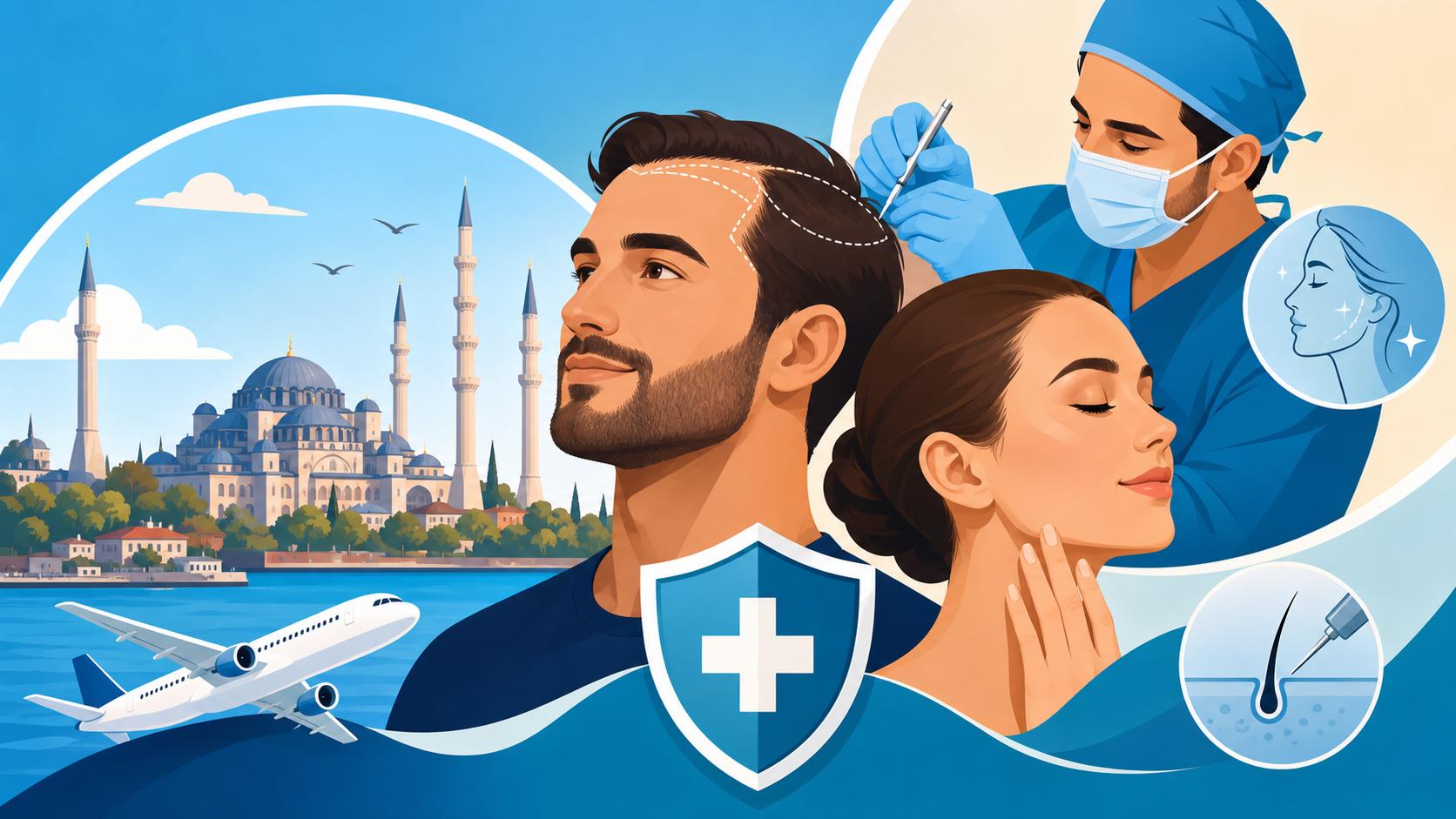
Medical Tourism Guide 2027: Navigating Hair Transplants and Aesthetics Safely
The sheer volume of medical tourism advertisements in Turkey can be paralyzing, often leaving travelers vulnerable to “package deals” that prioritize profit over patient safety. Istanbul is often described as the world’s waiting room, and choosing a surgeon among thousands of glossy brochures can be chaotic for patients. This guide solves the mystery of vetting clinics, understanding 2026 pricing, and ensuring your safety in Turkey’s booming aesthetic market.
Why Turkey Remains the Global Hub for Aesthetics
The landscape of medical tourism in Turkey has shifted dramatically over the last decade, evolving from a budget-friendly secret to a sophisticated, state-regulated powerhouse. As we move through 2026, the Turkish Ministry of Health has implemented much stricter oversight on “Health Tourism Authorization Certificates.” This means that the wild-west days of unlicensed clinics are slowly fading, though they haven’t disappeared entirely. For the savvy expat or visitor, this environment offers world-class surgical talent at prices that remain roughly 40% to 60% lower than in Western Europe or North America.
The infrastructure here is specifically designed for the international patient. You aren’t just getting a surgery; you are entering a vertically integrated ecosystem that includes VIP airport transfers, five-star recovery suites, and dedicated translators. However, the true value lies in the volume of procedures performed. A top-tier surgeon in the Nişantaşı district of Istanbul might perform more rhinoplasties in a single month than a suburban US surgeon does in a year. This repetition leads to a level of clinical refinement and innovation, particularly in “closed” rhinoplasty techniques and high-density hair transplants, that is difficult to find elsewhere.
Despite the economic fluctuations and the rise in local costs, the price parity remains a major draw. But remember, the cheapest option is rarely the safest. The usual advice is that if a price seems too good to be true, even for Turkey, it probably is. You are paying for the surgeon’s hands, the anesthesiologist’s expertise, and the hospital’s emergency protocols. High-quality care still requires a reasonable investment. Many long-term residents who have moved here for work find that Healthcare in Turkey for Foreigners: Complete Expat Guide (2027) provides the necessary baseline for understanding how the local system functions before they dive into elective cosmetic work.
The Rise of High-Tech Diagnostic Integration
The best Turkish clinics are no longer just using standard photography for consultations. We are seeing a widespread adoption of 3D morphing technology and AI-driven outcome simulators. This allows a patient to see a realistic projection of their post-op self during the initial consultation in Kadıköy or Levent. This technology isn’t just a sales gimmick; it serves as a critical communication tool between the patient and the surgeon, bridging the gap that language barriers sometimes create.
Furthermore, many premium clinics now offer integrated genetic testing to predict how a patient might scar or react to specific anesthesia types. This level of personalized medicine is becoming a standard in the upper echelons of the Turkish private sector. If you are a resident or a long-term traveler, having a global plan like Cigna Global can offer peace of mind, as it ensures you have access to top-tier diagnostic facilities should any unrelated health issues arise during your surgical stay.
Transparency in Pricing and All-Inclusive Packages
One thing you will notice immediately is the “package” culture. These usually include the procedure, hotel, transfers, and sometimes even post-op medications. While convenient, you must demand a breakdown of these costs. Reputable clinics are more transparent about what portion of your fee goes to the hospital vs. the surgeon vs. the agency. If an agency refuses to name the specific hospital where the surgery will take place, that is a massive red flag.
I’ve seen tourists get stranded because they didn’t realize their “all-inclusive” package only covered two nights of a hotel stay, while their recovery required seven. Always ask for the “extra night” rate upfront. It’s also wise to check Understanding Turkish Hospital Invoices and the Direct Billing Process to get a feel for how financial documentation works in the Turkish medical system, even for elective procedures.
Mastering the Hair Transplant Landscape
The sight of men with bandaged heads and black headbands is as common in Istanbul as the city’s famous street cats. Turkey is the undisputed king of hair restoration, but the quality varies wildly. The most critical distinction you need to make is between a “technician-only” clinic and a surgeon-led operation. In many low-cost clinics, the actual doctor only pops in for five minutes to draw the hairline, leaving the crucial graft extraction and implantation to staff who may or may not have formal medical training.
To ensure a natural look and, more importantly, a safe donor area, you must prioritize clinics where the doctor performs the surgical steps. The “over-harvesting” of the donor area is a permanent mistake that is seen far too often. Once those follicles are gone, they are gone forever. This is why many expats living here prefer to do their research through Avoiding Hair Transplant ‘Mills’: How to Choose a Surgeon over a Technician to ensure they aren’t just another number in a high-volume factory.
FUE vs DHI: Which One is Right for You?
The two dominant techniques you will encounter are Follicular Unit Extraction (FUE) and Direct Hair Implantation (DHI). FUE involves opening channels in the scalp before inserting the grafts, whereas DHI uses a specialized “Choi pen” to do both simultaneously. DHI is often marketed as the “premium” option because it allows for higher density and doesn’t always require a full head shave, which is a big plus for female patients or professionals who need to return to work quickly.
However, FUE remains a gold standard for larger areas of baldness. “Sapphire FUE” is the most common iteration, using blades made of synthetic sapphire to create smaller, more precise incisions that heal faster. No matter the method, your post-op care is vital. Many of my friends swear by ordering specific recovery vitamins and biotin supplements from iHerb to support follicle health from the inside out once they are back home.
The Importance of the Donor Area Management
A successful hair transplant isn’t just about the hair on top; it’s about the hair left behind. A reckless clinic will “strip-mine” your donor area to get a high graft count for a single session, leaving you with a moth-eaten appearance at the back of your head. A skilled Turkish surgeon will plan for the future, knowing that hair loss is progressive and you might need a second procedure in ten years.
During your consultation, ask specifically about the “transection rate”—the percentage of hairs that are accidentally damaged during extraction. A low rate is a sign of a high-quality clinic. If you are already living in the country, you might want to look into Finding Medical Care in Turkey: Public Hospitals vs JCI-Accredited Clinics to see which private facilities house the most reputable hair restoration departments.
Beyond the Scalp: Plastic and Cosmetic Surgery
While hair is the big draw, Turkey’s plastic surgery scene is equally robust. Rhinoplasty (nose jobs) and “Mommy Makeovers” are the top requests. Turkish surgeons are particularly famous for the “ethnic rhinoplasty,” which respects the patient’s original features while improving symmetry and function. The “Barbie nose” trend is fading in favor of a more natural, “undone” look that doesn’t scream “I had surgery in Istanbul.”
Body contouring, including VASER liposuction and Brazilian Butt Lifts (BBL), is also highly sought after. However, these are major surgeries with significant recovery times. Some people try to fly out three days after a 360-degree liposuction, which is not only painful but dangerous due to the risk of blood clots. If you are coming from abroad, you need a comprehensive plan. Having a global health policy like Cigna Global can be a lifesaver if you experience rare but serious complications that require long-term hospitalization outside the scope of your aesthetic package.
Dental Tourism: The “Turkey Teeth” Phenomenon
The term “Turkey Teeth” has become a bit of a meme, often associated with overly white, filed-down veneers. However, the reality is much more sophisticated. High-end dental clinics in Antalya and Istanbul are moving away from aggressive filing (crowns) toward ultra-thin porcelain laminates that preserve the natural tooth structure.
Dental implants are another major sector. Using brands like Straumann or Nobel Biocare, Turkish dentists provide the same hardware as UK or US clinics for a fraction of the cost. If you’re considering this, I highly recommend reading Dental Tourism in Turkey: Implants, Veneers, and Vetting Reputable Dentists to understand the difference between a “Hollywood Smile” and a healthy, functional bite.
| Procedure | Average 2026 Cost (Turkey) | Average 2026 Cost (USA/UK) | Estimated Recovery (Days) |
|---|---|---|---|
| Hair Transplant (4000 Grafts) | €2,200 – €4,500 | €8,000 – €15,000 | 7 – 10 Days |
| Rhinoplasty (Standard) | €3,000 – €6,000 | €7,000 – €12,000 | 10 – 14 Days |
| Full Veneers (Per Tooth) | €200 – €450 | €800 – €1,500 | 5 – 7 Days |
| VASER Liposuction (3 Areas) | €3,500 – €5,500 | €9,000 – €16,000 | 14 – 21 Days |
| Breast Augmentation | €3,200 – €5,000 | €6,000 – €10,000 | 10 – 14 Days |
Non-Surgical Aesthetics and “Lunchtime” Procedures
For those already living in Turkey, the access to high-quality Botox, fillers, and laser treatments is a huge perk of expat life. Districts like Nişantaşı are filled with “Med-Spas” that offer the latest French and Italian dermal fillers. In 2026, there is a big push toward “Biostimulators” like Sculptra or Radiesse, which encourage your own body to produce collagen.
Prices for these are significantly lower than in the West, but the same vetting rules apply. Always ask to see the box of the product they are injecting to ensure it hasn’t expired and is a reputable brand. For those looking for more holistic or traditional recovery methods, checking out Medical Spas and Thermal Baths: Prescribing Health Treatments in Pamukkale can offer a wonderful way to recuperate after a non-invasive treatment.
The Logistics of a Safe Medical Journey
The biggest mistake I see medical tourists make is underestimating the “tourism” part. This is a medical procedure first. If you are planning to spend your days walking through the Grand Bazaar and eating spicy kebabs right after a facelift, you are asking for trouble. Heat, exertion, and sodium-heavy food all increase swelling and the risk of infection.
In 2026, I recommend arriving at least two days before your surgery. Use this time to have an in-person consultation, see the facility, and meet the anesthesiologist. If anything feels “off,” you have the right to walk away. It is much better to lose a deposit than to lose your health. If you are worried about the language barrier during these critical meetings, look into Hiring Medical Interpreters: Where to Find Professional Help for Surgeries to ensure nothing is lost in translation.
Vetting Your Clinic: Beyond Instagram
Instagram is a great tool for seeing “before and after” photos, but it is a terrible tool for verifying medical safety. Photos can be photoshopped, and reviews can be bought. You should look for the “International Health Tourism” certificate issued by the Turkish Ministry of Health. You should also check if the hospital where the surgery will be performed is JCI accredited. You can learn more about this by reading JCI Accredited Hospitals in Turkey: What the Certification Actually Guarantees.
Ask the clinic for the diploma and board certifications of the specific surgeon. In Turkey, a “Plastic, Reconstructive, and Aesthetic Surgeon” has undergone significantly more training than a general practitioner doing “cosmetic” work. Verify their standing with the Turkish Medical Association (Türk Tabipleri Birliği).
Post-Op Medications and Local Pharmacies
After your surgery, you will likely be handed a bag of medications: antibiotics, painkillers, and anti-inflammatories. It is essential to know how to use these correctly. Turkish pharmacies, or Eczane, are incredibly helpful, and the pharmacists are often highly trained and speak English in tourist areas. If you need to refill a prescription or find a local equivalent for a brand you use at home, Pharmacies (Eczane) in Turkey: Prescriptions, Duty Hours, and Medications is an essential resource.
I also advise patients to be careful with “herbal” supplements immediately after surgery unless cleared by the doctor. However, once you are in the clear, using iHerb to source high-quality wound-healing supplements like Vitamin C, Zinc, and Arnica can speed up your journey back to normalcy.
Post-Operative Care and Longevity of Results
The surgery is only 50% of the result; the rest depends on how you treat your body during the following six months. For hair transplants, this means no hats, no heavy exercise, and meticulous washing for the first two weeks. For body surgery, it means wearing your compression garments religiously, even if the Turkish summer heat makes it uncomfortable.
Many clinics now offer remote follow-ups via WhatsApp or Zoom. Today, this is standard practice. You should be sending photos of your progress every week for the first month, then every month for the first year. If a clinic stops responding to you the moment you leave the country, that is a sign of poor ethics. Residents who have a long-term presence in the country often find that Private Health Insurance (Özel Sağlık Sigortası): Top Providers for Foreigners helps them manage any long-term follow-ups with local specialists.
Managing Complications and Local Support
No surgery is without risk. If you develop a fever, excessive redness, or unusual pain once you return home, you must seek medical attention immediately. Do not wait for a WhatsApp reply from a coordinator in Istanbul. This is where having a robust international insurance plan like Cigna Global is invaluable, as it can cover emergency visits to hospitals in your home country for complications arising from elective surgery abroad—a feature many standard travel insurances lack.
For those who are staying in Turkey for their recovery, knowing the emergency protocols is vital. Make sure you are familiar with Emergency Medical Care in Turkey: Dialing 112, Ambulances, and Triage just in case. Most private hospitals have excellent emergency rooms, but knowing the “lay of the land” can prevent panic.
The Role of Nutrition and Wellness
Healing requires energy. Many people try to “diet” right after surgery to maximize their results, but this is counterproductive. Your body needs protein and vitamins to knit tissues back together. While Turkish food is delicious, try to avoid the high salt content of street food during the first two weeks post-op to keep swelling down.
Stocking up on clean supplements from iHerb—especially high-quality probiotics to counter the effects of post-op antibiotics—is a smart move. Many expats here also find that Turkey’s fresh markets provide amazing access to pomegranate juice and other antioxidant-rich foods that aid in recovery.
Legal Recourse and Ethics in Turkish Medical Tourism
One of the most common questions I get is, “What happens if they mess up?” It is a sobering reality that pursuing legal action across international borders is difficult. However, Turkey has been working hard to protect its reputation as a medical hub. There are now specific “Consumer Courts” that handle medical disputes.
Before you sign anything, ensure you have a copy of the “Informed Consent” form in a language you understand perfectly. This document should outline all potential risks. If a clinic tells you there are “zero risks,” they are lying. Every surgery has risks. For a deeper look at the legalities, read Handling Medical Malpractice: How to File Complaints with the Ministry of Health to understand how the process works in the Turkish legal system.
Ethical Considerations and the “Cheap” Trap
There is an ethical side to this industry as well. The rise of “hair transplant mills” often involves the exploitation of low-wage workers and even refugees who are trained quickly to perform grafts. By choosing a reputable, surgeon-led clinic, you are not only protecting your own scalp but also supporting ethical medical practices in Turkey.
Choosing quality over price is the ultimate way to ensure a positive experience. When I look at my friends who are thrilled with their results, they are the ones who spent months researching, spoke directly with their surgeons, and didn’t haggle over a few hundred Euros. They understood that their body is not a place to look for a “clearance sale.”
Final Checklist for Your Journey
Before you book your flight to Istanbul or Antalya, run through this final list:
- Is the clinic authorized for Health Tourism by the Ministry of Health?
- Will a licensed surgeon perform the critical parts of the procedure?
- Have you checked the hospital’s JCI accreditation status?
- Do you have a recovery plan that includes at least 7-10 days of rest in-country?
- Have you secured international health coverage like Cigna Global for emergencies?
- Do you have a way to source recovery essentials, perhaps through iHerb or local Eczanes?
Turkey is a wonderful place to undergo an aesthetic transformation, provided you approach it with the same caution and diligence you would in your home country. The results can be life-changing, but your safety must always be the priority.
Disclaimer
This guide is for informational purposes only and does not constitute medical or legal advice. Always consult with a qualified healthcare professional before undergoing any surgical procedure. Medical tourism carries inherent risks, including complications from surgery and travel, and the legal frameworks for recourse in Turkey may differ significantly from those in your home country. Be sure to verify all clinic certifications and insurance coverage independently before making any financial or medical commitments.