Mental Health in Turkey: Counseling, Psychiatry, and Expat Support Systems
Moving to Turkey often feels like a dream until the reality of “Ikamet” bureaucracy, the chaotic pace of Istanbul traffic, and the language barrier begins to chip away at your resilience. I remember sitting in a government office during my second year, fighting back tears because I couldn’t explain a simple error on my tax ID, and realizing that my mental health had taken a backseat to my survival. This guide solves the mystery of navigating Turkey’s mental health system, from finding an English-speaking therapist to understanding which prescriptions are available at the local pharmacy.
Understanding the Mental Health Landscape in Turkey
Living as an expat in Turkey is a sensory explosion, but when the excitement fades, the isolation can be profound. The mental health landscape here is a mix of deeply traditional views and a rapidly modernizing private sector. While the older generation might still view “seeing a doctor for the mind” with a bit of skepticism, major cities like Istanbul, Ankara, and Izmir have become hubs for progressive, world-class psychological support.
Cultural Attitudes and the Shift in Stigma
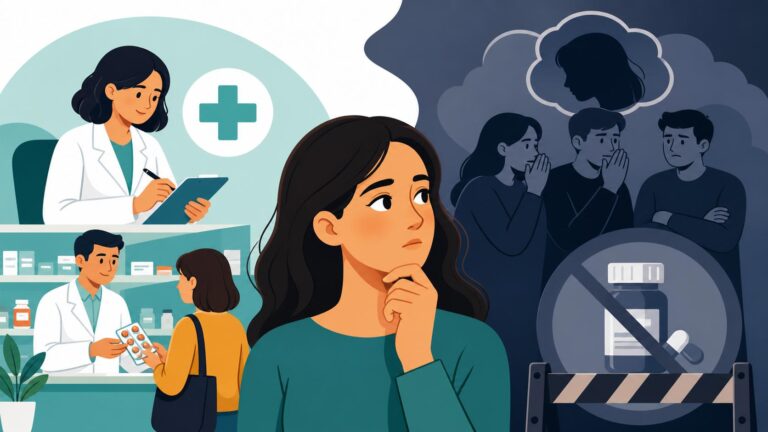
In my years here, I’ve noticed a massive shift. Ten years ago, talking about therapy over tea was unheard of; today, in neighborhoods like Kadıköy or Nişantaşı, it’s a common topic of conversation among young professionals. However, as an expat, you might still encounter a “tough it out” attitude from local landlords or administrative staff. This cultural friction is a primary reason many foreigners seek out specialized support.
If you are struggling with the transition, it is vital to realize that the Turkish medical system treats psychiatry very seriously. There is a clear distinction between a “Psikolog” (Psychologist) and a “Psikiyatrist” (Psychiatrist). In Turkey, only psychiatrists can prescribe medication, and they are medical doctors. If you need talk therapy, you look for a clinical psychologist. If you need chemical intervention for clinical depression or anxiety, you start with a psychiatrist.
The Rise of Private Wellness and Support
Because the demand for mental health services has outpaced the public system’s capacity, the private sector has flourished. This is where most expats find their “soft landing.” Private clinics often employ doctors who have studied in the UK, US, or Germany, meaning their English is often better than your average GP.
For those who find the local supplement market a bit confusing or overpriced, many expats rely on iHerb to source specific vitamins like Magnesium Glycinate or B-Complex, which are often recommended by therapists here to support the nervous system during high-stress periods. Having these familiar brands can provide a sense of control when the local system feels overwhelming.
Accessing Care through the Public System (SGK)
If you are a resident and have been contributing to the national social security system, you have access to mental health services in state hospitals. While cost-effective, the public system is not for the faint of heart, especially if your Turkish is still at the “I want two kilos of tomatoes” level.
Enrolling in SGK and Accessing State Psychiatrists
Before you can see a doctor in a public hospital, you must ensure your residency is in order. Most long-term expats eventually go through the process of Enrolling in SGK (Public Health Insurance): The 1-Year Residency Rule. Once you are in the system, you can access the psychiatric departments of “Devlet Hastaneleri” (State Hospitals).
The wait times in the public system can be significant. You will likely spend more time in the waiting room than in the actual consultation. In a state hospital, a psychiatric evaluation might only last 10 to 15 minutes, which is often just enough time to renew a prescription but rarely enough for deep therapeutic work. This is why many foreigners opt for Health Insurance in Turkey: SGK Public System vs Private Coverage Explained to ensure they have the option of private care if the public system feels too rushed.
Using the MHRS Digital System for Appointments
Turkey has a centralized digital system for all public health appointments called MHRS. It is actually quite efficient once you learn the ropes. You can log in with your 99-number (your foreigner identification number) and select “Ruh Sağlığı ve Hastalıkları” (Mental Health and Diseases).
I highly recommend a Step-by-Step Guide to Booking MHRS Appointments Without Perfect Turkish if you are determined to use the state system. The interface is available in several languages, but the doctors in smaller provincial hospitals may still only speak Turkish. If you are in a pinch, you can also dial 182, though the operators rarely speak English, making the mobile app a much safer bet for expats.
Private Counseling and Psychotherapy Options
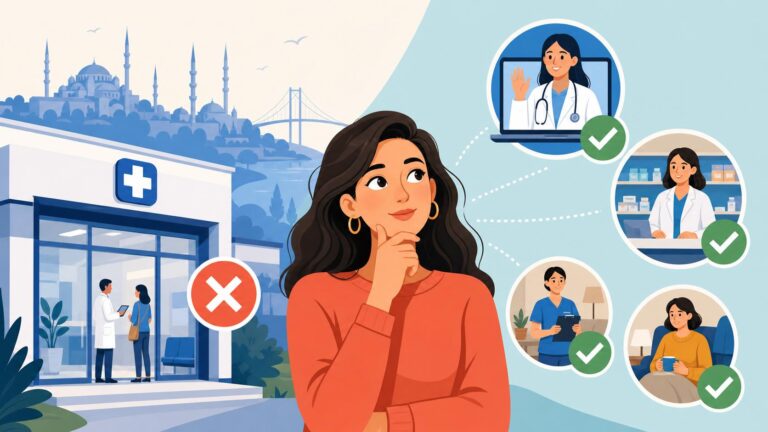
For the majority of the expat community, private therapy is the gold standard. It offers the privacy, language compatibility, and duration of care that the public system often lacks. Finding the right therapist is a bit like dating; you have to find someone who understands not just your mind, but the specific trauma of living in a foreign culture.
Finding English-Speaking Professionals
The search for the right therapist usually begins in expat hubs. If you are in the capital, you should look into an Ankara Expat Healthcare Guide: Hospitals and Embassy-Recommended Clinics for a list of practitioners who frequently work with the diplomatic community. These doctors are accustomed to the unique stresses of international relocation and “identity loss” that often hits expats after the initial honeymoon phase.
In Istanbul, the options are even more diverse. You can find therapists specializing in Cognitive Behavioral Therapy (CBT), EMDR for trauma, and even Jungian analysis. Many of these professionals operate out of private offices in Beşiktaş, Şişli, or Kadıköy. For those who need more comprehensive medical oversight, Finding English-Speaking Doctors in Istanbul: Top International Clinics is a great starting point, as these clinics often have in-house psychiatrists who coordinate with psychologists.
Cost Comparisons and Payment Methods
Private therapy in Turkey is generally more affordable than in the US or Northern Europe, but it is not “cheap” by local standards. A session with a reputable, English-speaking clinical psychologist in 2026 typically ranges from 2,500 TL to 5,000 TL ($75 to $150).
| Service Type | Public (SGK) Cost | Private Out-of-Pocket | Private with International Insurance |
|---|---|---|---|
| Initial Psychiatric Eval | Free (or small copay) | 3,000 – 6,000 TL | Usually 100% Covered |
| Weekly Talk Therapy | Rare / Short | 2,500 – 5,000 TL | Reimbursable |
| Prescription Refill | Minimal | Cost of Meds | Direct Billing Often Available |
| Crisis Intervention | Free (ER) | High (Private ER) | 100% Covered |
Most private therapists expect payment in cash or via bank transfer (Havale/EFT). If you have a comprehensive policy like Cigna Global, you may be able to file for reimbursement. I’ve found that having a global policy is a massive stress-reliever because it covers the high costs of private psychiatric care that basic “Ikamet insurance” simply ignores.
Psychiatry and Medication Management
One of the biggest hurdles for expats is continuing a medication regimen started in their home country. Turkey has strict laws regarding “red” and “green” prescription pads (controlled substances), and you cannot simply walk into a pharmacy with a foreign prescription and expect it to be honored.
Navigating Local Pharmacies (Eczane)
Turkish pharmacists are highly trained and are often the first line of defense for minor health issues. However, for mental health medications, they are bound by the Ministry of Health’s digital tracking system. If you need an antidepressant or an anti-anxiety medication, you must have a prescription from a doctor registered in the Turkish system.
To understand how the local system works, especially after hours, it’s worth reading about Understanding Night Pharmacies (Nöbetçi Eczane): How the Roster Works. If you run out of medication on a Sunday, you’ll need to find the specific “on-duty” pharmacy in your neighborhood. Be prepared to show your Ikamet and a valid Turkish prescription. For those who supplement their recovery with herbal teas or specific vitamins, iHerb remains a reliable source for high-quality items that local pharmacies might not stock in the dosages you’re used to.
Controlled Substances and ADHD Medication
If you are moving to Turkey with a diagnosis of ADHD or a condition requiring benzodiazepines, you need to be very careful. Stimulants like Ritalin or Concerta are strictly regulated. You will need a report (Rapor) from a Turkish psychiatrist to get these long-term.
Newcomers are advised to check the Turkish Pharmacy Equivalents for Advil, Tylenol, and Common Painkillers just to get used to the naming conventions, but for psychiatric meds, you must bring your original records from home. A psychiatrist will use these to enter you into the Turkish system. If you are worried about coverage for these specialists, Cigna Global offers plans that include outpatient psychiatric visits, which can save you a fortune over a year of monthly check-ins.
Expat-Specific Support Systems and Community
Sometimes, you don’t need a doctor; you need a community that understands why you’re crying over a lost Istanbulkart. Turkey has a vibrant expat community, but it’s spread out across various platforms and neighborhoods.
Online Therapy and Global Networks
Many expats in Turkey prefer to keep their therapy online, using platforms that connect them with therapists in their home country. This avoids any cultural nuances that might get lost in translation. If you choose this route, make sure your internet connection is up to the task. Turkey has great fiber in most cities, but it’s one of those hyper-local details you need to verify before signing a lease.
If you are using a global insurance provider like Cigna Global, they often have their own “telehealth” portals. This allows you to speak to a licensed professional in your native language from the comfort of your Turkish living room. It’s a lifesaver during those first six months when everything feels “too much.” To keep your energy levels up during these stressful periods, many in the community order specialty wellness products from iHerb, which ships surprisingly fast to major Turkish cities.
Support Groups and Social Integration
In Istanbul, groups like “InterNations” or various “Expat Wives/Husbands” groups on Facebook often organize meetups. While these aren’t formal therapy, they serve as a vital support system. I found my best “therapist” was a group of fellow expats I met at a coffee shop in Cihangir; we spent three hours laughing about our “nüfus” appointment disasters.
For those in other regions, checking a Fethiye Expat Healthcare Guide or similar local resources can help you find smaller, tight-knit communities. These groups often have “vetted” lists of English-speaking doctors and can offer peer support for the “winter blues” that hit coastal towns once the tourists leave.
Health Insurance and Mental Health Coverage
This is where many expats get caught off guard. The “cheap” insurance you buy just to satisfy the residence permit requirements almost never covers mental health. It is designed for emergencies—think broken legs or appendicitis, not burnout or clinical depression.
Limitations of Mandatory Ikamet Insurance
When you apply for your permit, you’ll likely buy a basic policy. As explained in Mandatory Ikamet Insurance: What Health Policies Actually Cover for Visas, these are “budget” options. They won’t pay for your weekly therapy sessions, and they certainly won’t cover the cost of expensive psychiatric medications.
If you have a history of mental health challenges, or if you simply want the peace of mind that comes with knowing you can see a top-tier specialist without draining your savings, you need something more robust. This is why I personally transitioned to Cigna Global. Their plans are customizable, and they understand the needs of people living outside their home countries. They don’t just see you as a number; they see the “expat experience” as a whole.
Budgeting for Wellness and Maintenance
Mental health isn’t just about crisis management; it’s about daily maintenance. This includes a good diet, exercise, and the right supplements. I’ve noticed that the stress of living in a high-inflation environment like Turkey can deplete your body of essential nutrients.
Many expats use iHerb to stay stocked up on Vitamin D3 (especially during the grey Istanbul winters) and Adaptogens like Ashwagandha to help manage the “cortisol spikes” that come with navigating Turkish traffic. Budgeting about $50-$100 a month for these wellness items and another $200 for a monthly “check-in” session with a therapist is a realistic way to stay sane in the “Wild East.”
Practical Tips and Cultural Nuances
Finding a “fit” with a therapist in Turkey requires a bit of local savvy. Don’t be afraid to ask for a 15-minute intro call. Most private practitioners are happy to do this to ensure their style matches your needs.
Language and the “Translation” of Emotion
Even if a doctor speaks perfect English, the “cultural translation” of emotion can be tricky. For example, the concept of “burnout” might be interpreted differently here than in Northern Europe. It helps to be very specific about your symptoms. Using tools like Essential Turkish Phrases for the Doctor: Communicating Symptoms Effectively can help if you ever need to visit a hospital for a physical symptom related to anxiety, like chest pains or stomach issues.
If you are struggling with the digital side of things, remember that your records are kept on a system called e-Nabız. Learning about Using e-Nabız: Accessing Your Medical Records on the Ministry of Health App is essential for keeping track of your blood tests and psychiatric reports. It’s all connected to your T.C. number, and having it on your phone makes every doctor visit 50% less stressful.
Dealing with Bureaucracy-Induced Stress
Finally, realize that the bureaucracy in Turkey is a legitimate trigger for many. The feeling of powerlessness when a residency rule changes overnight can send anyone into a spiral. When this happens, don’t blame yourself. It’s a systemic issue, not a personal failure.
Having a solid insurance plan like Cigna Global means you have a “safety net” that is independent of the local Turkish political or economic climate. And if you need a little bit of “home” to feel better, a box of your favorite tea or organic snacks from iHerb can go a long way in making your Turkish apartment feel like a sanctuary rather than a transit zone.
Emergency Situations and Acute Care
If you or someone you know is in an immediate mental health crisis, you cannot wait for an appointment. Turkey does have emergency protocols, but they can be intense for a foreigner to navigate alone.
Calling for Help and Triage
In an emergency, the number to dial is 112. This is a unified emergency number for ambulances, police, and fire. You can request a “Psikiyatrik ambulans” if the situation is severe. For more details on what happens next, see Emergency Medical Care in Turkey: Dialing 112, Ambulances, and Triage.
Most private hospitals have an “Acil” (Emergency) department that can handle psychiatric crises. However, the costs can be astronomical if you don’t have the right coverage. Again, this is where Cigna Global pays for itself; they have 24/7 helplines that can coordinate with local hospitals to ensure you get care without a massive bill at the end.
Inpatient Care and Private Clinics
There are several high-end private psychiatric hospitals in Istanbul, such as NPİSTANBUL or various clinics in the Acıbadem network. these facilities offer world-class inpatient care for addiction, severe depression, or bipolar episodes. They are comfortable, often resembling hotels more than hospitals, but they require either a very high-end insurance policy or significant out-of-pocket funds.
For many, the first step is simply getting a Health Report (Sağlık Raporu) for Work or Driving License Conversions which sometimes requires a basic psychological screening. This is a good way to “test the waters” of the medical system in a low-stakes environment before you actually need it for a crisis.
Medical Disclaimer
The information provided in this article is for informational purposes only and does not constitute professional medical advice, diagnosis, or treatment. Always seek the advice of your physician or another qualified health provider with any questions you may have regarding a medical condition. Never disregard professional medical advice or delay in seeking it because of something you have read in this guide. The expat experience is unique to everyone, and your mental health should always be managed by a licensed professional familiar with your specific history.