Tapu Appraisals: Why the Government Stopped Accepting Independent Valuation Reports
You find the perfect apartment in Antalya, agree on a price, and then the migration office tells you your valuation report isn't worth the paper it's printed on. I remember the panic when I first moved here and realized that official didn't always mean accepted. This guide untangles the new Tapu appraisal rules to ensure your residency remains secure.
The Seismic Shift in Turkish Property Appraisals
For years, the process of buying property in Turkey as a foreigner felt a bit like the Wild West. You could hire an independent valuation company, often one suggested by your real estate agent, and they would produce an "Expertiz Raporu" (Appraisal Report) that usually matched whatever price you needed it to show. Whether you were aiming for the citizenship threshold or simply trying to document a fair market price, these independent reports were the gold standard. However, the Turkish government noticed a massive discrepancy between the prices reported in these appraisals and the actual money changing hands, leading to significant tax evasion and "inflated" values to bypass immigration rules.
In a move to bring transparency to the real estate market, the Land Registry and Cadastre Directorate (Tapu ve Kadastro Genel Müdürlüğü) introduced a centralized system. The days of choosing your own appraiser for a Tapu transaction are officially over. This change was implemented primarily to stop the practice of under-reporting property values to avoid Real Estate Taxes and Fees in Turkey: Buying, Selling, and Renting Costs. By centralizing the process, the government ensures that the value recorded on your Title Deed (Tapu) reflects the true economic value of the asset, which has huge implications for your residency status.
When I bought my first place here, I could literally call a guy who would have a report ready by the afternoon. Now, you are at the mercy of an automated algorithm. The government’s goal is to create a "Real Estate Valuation Information System" (GADEAS) that tracks every single transaction across the country. This data is then used to prevent developers from selling "phantom" luxury to foreigners at prices that don't match the local market reality. If you are preparing documents for your purchase, you might need services like RushTranslate to handle your foreign bank statements, but for the appraisal itself, you must follow the new state-mandated pipeline.
Understanding the GADEAS Centralized Assignment System
The most significant change is the removal of the human element in choosing an appraiser. Under the new regulations, when a foreigner applies for a property transfer, the system automatically assigns a licensed valuation expert from a pool of authorized firms. You cannot request a specific person, and your real estate agent cannot "influence" the outcome. This is a massive headache for many because it removes the predictability we used to enjoy.
How the Assignment Process Works
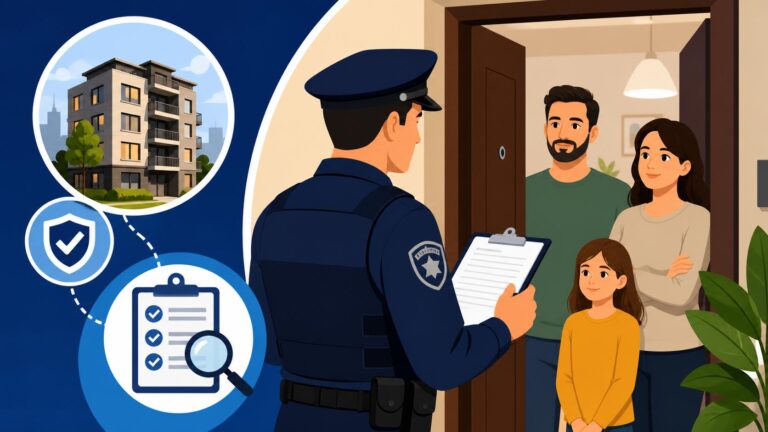
Once you or your lawyer initiates the application through the Web-Tapu system, you must pay a specific appraisal fee. Once the fee is confirmed, the system randomly selects a firm. This firm has a set period—usually two to three business days—to visit the property, take photos, and compare it to similar "peer" properties in the neighborhood. This is where many expats get caught off guard. If the appraiser finds that the apartment you are buying for $210,000 is only worth $185,000 based on local tax records and recent sales, that lower number is what goes on your deed.
This creates a high-stakes environment for those trying to meet the Real Estate Residence Permits: Understanding the Strict USD 200,000 Tapu Rule. If the randomly assigned appraiser lowballs your property value, you might find yourself ineligible for the residency permit you were counting on. It’s always a good idea to have a backup plan, such as comprehensive health coverage from Cigna Global, while you navigate these administrative hurdles, as the process can take longer than expected.
The Integration with Web-Tapu and e-Devlet
Everything is now digital. The appraiser uploads the report directly to the Land Registry's internal system. You don't even get a physical copy to hand-carry to the office anymore; the Land Registry officer simply pulls it up on their screen during your appointment. This level of integration is designed to prevent the forgery of reports, which was a recurring issue in the past. If you are still in the early stages, you should study The Tapu Transfer Process: What Happens at the Land Registry Office to understand where the appraisal fits into the larger timeline.
| Feature | Old Independent System | New GADEAS System |
|---|---|---|
| Selection | Buyer/Agent chose the firm | Randomly assigned by the state |
| Price Influence | High (often negotiated) | Zero (based on algorithm and peers) |
| Submission | Physical paper brought to Tapu office | Digital upload to government portal |
| Speed | 24–48 hours | 3–6 business days |
| Cost | Market rates (variable) | Fixed state-mandated fee |
Why Your Independent Appraisal is Now Worthless for Ikamet
If you are an expat looking to secure a Turkish Residence Permits (Ikamet): The Complete Application Guide (2027), the valuation report is the single most important document in your folder. The Migration Management (Göç İdaresi) has become incredibly strict about the "Gold Standard" of property value. As of late 2023 and into 2026, the minimum valuation required for a new property-based residence permit is $200,000 across all of Turkey.
The reason the government stopped accepting independent reports is that many foreigners were presenting reports that said "$202,000" while the actual price they paid—and the price registered at the municipality—was much lower. This led to a wave of Ikamet Rejections: Exact Steps on What to Do If Your Residence Permit is Denied. Now, the Göç İdaresi only looks at the "Sales Price" listed on the Tapu, which must be supported by the GADEAS appraisal and a bank transfer receipt (Döviz Alım Belgesi).
The Danger of the Valuation Gap
The "Valuation Gap" is the difference between what you pay the seller and what the government appraiser says the house is worth. In many Turkish cities, there is a "declared value" used for local taxes and a "market value" used for sales. If your seller insists on declaring a lower value to save on taxes, but you need a high value for your residency, you are in a direct conflict of interest. Because you can no longer hire a "friendly" appraiser to bridge this gap, you must ensure the seller agrees to show the full price on the deed before you even pay a deposit.
Many people get stuck because they assume they can just "fix" the appraisal later. You can't. If the official report comes back low, your only real option is to appeal the report and request a second appraiser—but the system rarely deviates significantly from the first estimate. This is why vetting the property through Understanding the Military Clearance Process for Foreign Property Buyers and ensuring the neighborhood is open for registration is so vital before you trigger the appraisal process.
Impact on Citizenship Applications
For those aiming for Turkish Citizenship by Investment 2026: The $400,000 Property Route Explained, the stakes are even higher. The centralized appraisal system was actually piloted for citizenship cases before being rolled out to all foreign buyers. The government wants to ensure that if you are claiming to have invested $400,000 into the Turkish economy, that value is actually sitting in the bricks and mortar of the property. If your centralized appraisal comes in at $395,000, your citizenship application will be dead on arrival. Many investors now buy properties worth $450,000 just to have a "safety buffer" against a conservative government appraisal.
Practical Steps for Navigating the New Appraisal Rules
To survive this process without losing your mind—or your residency—you need a very specific order of operations. Do not let a real estate agent rush you into a sale by saying they will "handle the appraisal." They no longer have the power to do so.
First, verify that the property is not in one of the Navigating Closed Neighborhoods: A Guide to Areas Where Foreigners Cannot Register. There is no point in paying for an expensive state appraisal if you can't live in the house anyway. Second, use a reputable translation service like RushTranslate to ensure your passport and power of attorney documents are perfectly prepared, as any discrepancy in your name can cause the GADEAS system to reject your fee payment.
- Request a Preliminary Check: Ask your agent for the "Emlak Beyan Değeri" from the local municipality. If this tax value is $50,000 and you are trying to show a value of $200,000, you are going to have a hard time with the appraiser.
- Web-Tapu Application: Your lawyer or agent must log in to the Web-Tapu system and start the "Foreigner Sale" (Yabancı Satış) process.
- Payment of the Değerleme Ücreti: You will receive a SMS with a "Tahakkuk No" to pay the appraisal fee. Do this immediately at a state bank like Ziraat Bankası.
- Wait for the Call: The assigned firm will call the contact number provided to schedule the visit. Make sure someone is there to let them in.
- Review the Digital Result: Once the report is ready, it appears in the Web-Tapu portal. If it meets your $200,000 or $400,000 goal, you can proceed to the final sale.
If you are already living in Turkey and transitioning from a tourist visa, make sure your health insurance is active. Cigna Global is often suggested for expats because it’s widely recognized by the authorities and provides the level of coverage required for these high-value residency tiers.
Common Pitfalls and How to Avoid Them
The most common mistake I see today is buyers trusting the "asking price" as a guarantee of the "appraised value." Sellers in Turkey often overprice their homes for foreigners, but the government appraisers look at hard data: square footage, the age of the building, and the prices of the last five apartments sold in that specific block. If the seller has recently renovated the interior with gold-plated faucets, the appraiser might not give that as much weight as you’d think. They care about the "Arsa Payı" (land share) and the registered "İskan" (habitation license).
Another pitfall is the timing of the report. A valuation report is typically valid for only six months. If your Tapu process is delayed—perhaps because you are waiting for an inheritance or a currency transfer—you might have to pay for and undergo a brand-new appraisal. Always check the "Validity Date" on your digital report before heading to the Land Registry for your final signature.
Lastly, be aware of "off-plan" properties. If you are buying a house that isn't finished yet, the appraiser will value it based on its current state of completion. This can be disastrous for residency applications. You generally need a report that shows the finished value, or you need to wait until the construction reaches a stage where the appraiser can justify the $200,000 price tag. This is a complex area where having a solid legal representative is worth every lira.
Disclaimer
The information provided in this guide is for informational purposes only and does not constitute legal or financial advice. Turkish immigration and real estate laws are subject to frequent changes, and you should always consult with a qualified Turkish attorney or a licensed immigration consultant before making significant financial investments or visa applications. All costs and thresholds mentioned are based on 2026 data and may be updated by the Ministry of Interior or the Land Registry Directorate at any time.