Should You Include a Photograph on a Standard Turkish CV?
Navigating the unspoken rules of job applications in Turkey can feel like walking through a minefield where one small "cultural error" gets your resume tossed in the bin. When I first moved to Istanbul, I sent out dozens of sleek, Western-style resumes and heard absolutely nothing back until a local friend pointed out my lack of a headshot. This guide breaks down why the CV photograph remains a non-negotiable standard in the Turkish market and how to get it right.
The Cultural Norms of the Turkish CV Photo
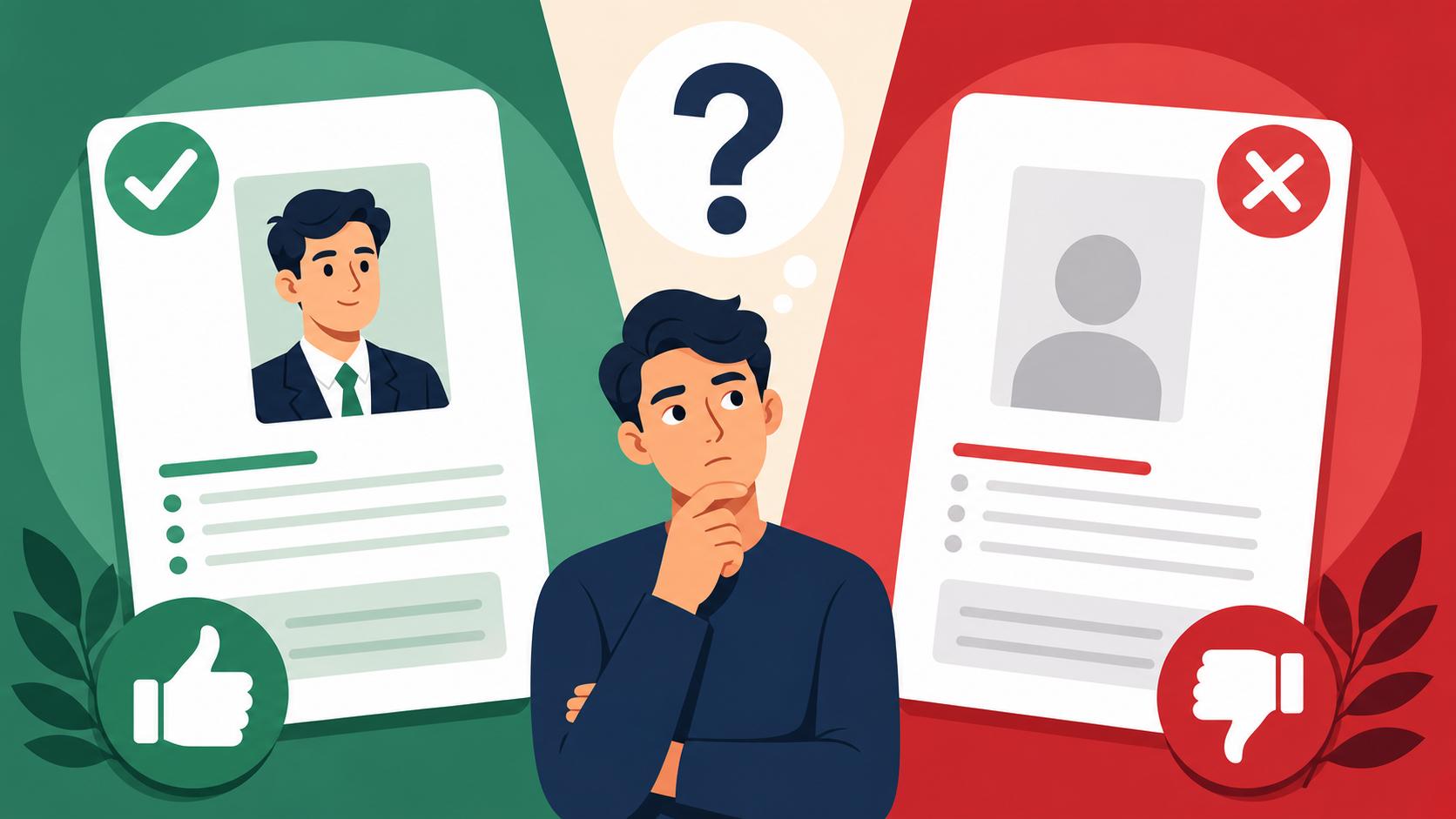
In many Western countries, including a photo on a resume is considered a major faux pas, often discarded immediately to avoid potential discrimination lawsuits. However, Turkey operates on a high-context cultural framework where personal connection and visual recognition are deeply embedded in professional life. To a Turkish hiring manager, a CV without a photo feels anonymous, incomplete, and perhaps even a bit suspicious. It is not about judging your physical beauty; it is about "putting a face to the name" to build an initial layer of trust.
When you are Job Hunting in Turkey: Step-by-Step Strategy for English-Speaking Expats, you have to understand that the recruitment process is often less about a cold algorithm and more about the human element. Turkish employers value "sıcakkanlılık" (warmth/friendliness). A professional, approachable photo signals that you are a real person ready to integrate into a local team. I remember sitting in a HR office in Levent where a recruiter told me that they often skip over "blank" profiles because they feel the candidate hasn't put in the full effort to introduce themselves properly.
The expectation persists across almost all industries, from hospitality in Antalya to high-end Corporate Tech Jobs in Istanbul: Salaries, Culture, and Remote Work Trends. While multinational firms (like Google or Unilever) might be more flexible due to their global DEI policies, the local managers reviewing your files will still appreciate the traditional format. If you want your application to be taken seriously by a Turkish "aile şirketi" (family-owned business), that headshot needs to be there, front and center.
Professionalism and Identity in the Turkish Workplace
The Turkish workplace is built on a foundation of respect and hierarchy. This is where the concept of Hierarchy in Turkish Companies: Properly Using 'Bey' and 'Hanım' in the Office becomes relevant even at the application stage. Your photo is your first opportunity to demonstrate that you understand this professional decorum. It isn't just a picture; it’s a statement of your "temsil kabiliyeti" (ability to represent the company).
If you are applying for a management role, your photo should radiate authority and stability. If you are looking for work in a creative agency in Kadıköy, you have a bit more leeway for "personality," but the baseline of professionalism remains. Turkish recruiters are looking for someone who looks like they will fit the office culture. This doesn't mean you have to look Turkish, but you do need to look like you've respected the local standards of business attire.
It is often advised that newcomers spend some time Learning Turkish for Life and Work: TÖMER, Language Schools, and Self-Study because being able to add a small note in Turkish alongside a professional photo makes a world of difference. Using a tool like TurkishPod101 can help you master the basic greetings you might need when following up on that application. When they see a professional photo and read a well-crafted Turkish introductory sentence, your "foreigner" status shifts from being a hurdle to being an asset. TurkishPod101 is particularly useful here for learning the specific business vocabulary that matches the professional image you are projecting in your CV photo.
Photo Specifications and Best Practices
Now that we've established that you definitely need a photo, let’s talk about the "how." This is where most expats fail. A vacation photo with the Bodrum sea in the background or a cropped wedding picture where someone's shoulder is still visible will kill your chances faster than a typo. You need a dedicated professional headshot.
In Turkey, the "biometric" style—the kind used for your Turkish Residence Permits (Ikamet): The Complete Application Guide (2027)—is the safest bet, though you should aim for a slightly more natural expression. You want a plain white or light grey background. Ensure the lighting is front-facing to avoid harsh shadows that make you look tired or unapproachable. The focus should be from the chest up, with your face occupying about 60-70% of the frame.
Technical and Aesthetic Requirements
- Resolution: High resolution is a must, but keep the file size manageable so it doesn't crash the recruiter’s email or the Using LinkedIn and Kariyer.net for Effective Job Searching in Turkey portal.
- Expression: A "business smile" is best. You shouldn't look like you’re at a party, but you shouldn't look like a prisoner of war either. Aim for "approachable professional."
- Attire: For men, a suit or a very crisp button-down shirt is the standard. For women, a professional blouse or blazer. Avoid heavy jewelry or distracting patterns.
- Recency: Your photo must look like you today. If you’ve grown a beard or changed your hair color significantly since your last professional shoot, it’s time for a new one.
| Feature | Recommended Standard | Why It Matters in Turkey |
|---|---|---|
| Background | Solid White or Grey | Keeps the focus entirely on your professional persona. |
| Attire | Business Formal / Smart Casual | Reflects your respect for the company's hierarchy. |
| Positioning | Top Right or Top Left | Traditional layout that Turkish recruiters are used to scanning. |
| Expression | Slight Smile | Conveys the "warmth" valued in Turkish culture. |
| Format | Embedded Jpeg/Png | Ensures the photo doesn't shift when opened on different devices. |
Legal and Ethical Considerations
You might be wondering about the legal side of things. Does Turkey have anti-discrimination laws? Yes, the Turkish Constitution and various labor laws technically prohibit discrimination based on race, religion, or gender. However, the enforcement of these laws during the recruitment phase is notoriously difficult. In practice, the "right to a photo" is viewed by employers as a right to see who they are potentially inviting into their workspace.
There is more discussion regarding the Law on the Protection of Personal Data (KVKK). Some larger firms might ask you to sign a consent form regarding the processing of your data, which includes your photograph. It is important to be aware of your rights, but also realistic about the market. Refusing to provide a photo on "privacy grounds" will likely lead a recruiter to simply move on to the next candidate who did provide one.
If you are concerned about how your appearance might affect your chances, remember that your qualifications are still the primary driver. The photo is the "hook," but the content of your How to Write a CV and Cover Letter Tailored for Turkish Employers is what lands the interview. When I was applying for roles, I found that my international experience was valued, but it was the professional presentation—photo included—that got me through the door.
Beyond the Photo: Tailoring for the Local Market
While the photo is a major component, it shouldn't exist in a vacuum. A standard Turkish CV is often more detailed than a one-page US-style resume. Recruiters here like to see personal details that might seem "too much" in other countries, such as your date of birth, marital status, and even your driver's license status. These details, combined with your photo, create a comprehensive profile.
When you are preparing for Job Interview Expectations in Turkey: Dress Code, Greetings, and Norms, your photo serves as a "pre-check." When you walk into the room, you should look exactly like the person in that picture. Consistency builds integrity. If your photo is 10 years old and you show up looking significantly different, it creates an immediate (and subconscious) feeling of distrust with the HR manager.
I also recommend using TurkishPod101 to practice your "elevator pitch." Being able to explain your photo—effectively, your professional identity—in a few clear Turkish sentences shows immense respect for the local culture. Even if the office language is English, the recruitment staff often prefer speaking Turkish. TurkishPod101 offers specific tracks on business culture that can help you bridge this gap. This preparation ensures that the "first impression" made by your photo is successfully followed up by a strong personal interaction.
Common Pitfalls to Avoid
Even with the best intentions, I see expats make the same mistakes over and over. One of the biggest is the "selfie." No matter how good your phone camera is, a selfie looks amateur. It suggests that you don't take the job seriously enough to invest in a proper photo. Another mistake is using filters. Avoid anything that smoothes your skin or changes your features; you want to look like a human, not an AI-generated avatar.
Another pitfall is the "group crop." This is when you take a photo of yourself with friends or family and crop them out. There is almost always a stray hand or a bit of someone else’s hair visible. In the competitive Turkish market, this screams "unprofessional." You are competing with local candidates who often have professionally taken photos from "copy centers" or photography studios found in every neighborhood.
Finally, don't forget to update your LinkedIn profile to match your CV photo. If a recruiter likes your CV, the first thing they will do is look you up online. Having different photos on different platforms creates a disjointed professional brand. Use the same high-quality headshot across all your professional touchpoints to ensure you are easily recognizable.
Final Thoughts on the Turkish Resume
In the end, including a photograph on your Turkish CV is about more than just tradition; it’s about participating in the local professional language. It shows that you’ve done your homework and that you are willing to adapt to the norms of your host country. While it might feel strange at first, especially if you come from a culture where this is taboo, try to see it as a tool for connection rather than a hurdle of judgment.
By following these guidelines and keeping your photo professional, current, and culturally appropriate, you significantly increase your chances of getting noticed in a crowded inbox. Combine this with a strong command of the local business etiquette, perhaps sharpened through some study with TurkishPod101, and you'll find that the Turkish job market is much more accessible than it first appears. Trust me, once you get that first interview call, you’ll be glad you took the time to get that headshot right.
Disclaimer
This guide is for informational purposes only. Recruitment practices and legal requirements regarding personal data in Turkey can change. Always consult with a legal professional or a licensed HR consultant for specific advice regarding labor laws and data protection (KVKK) compliance in your specific industry.