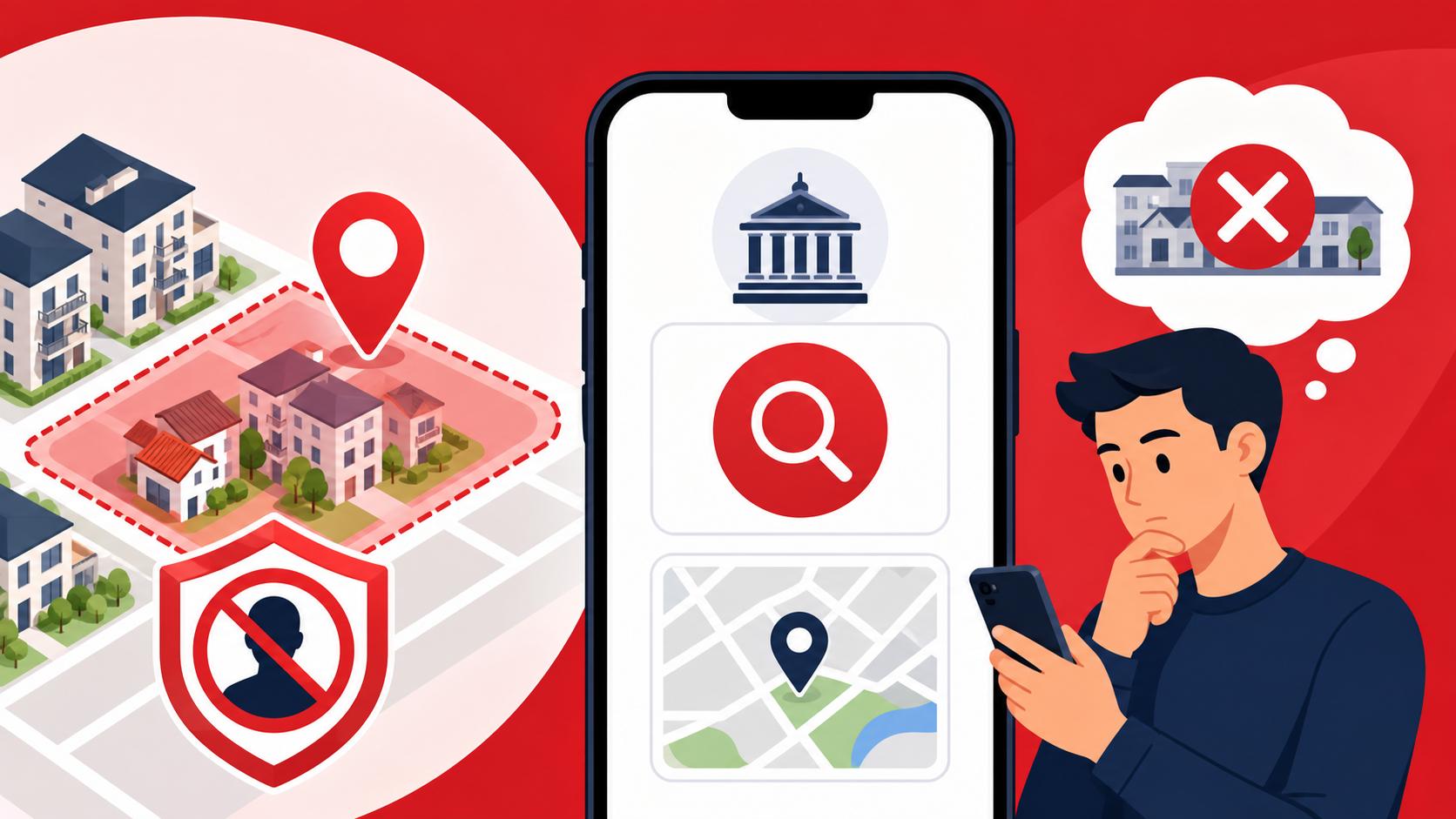
How to Check on e-Devlet if Your Desired Neighborhood is Closed to Foreigners
Finding your dream apartment in Turkey only to discover the neighborhood is "closed" to foreigners is a heartbreak many of us have faced during the residence permit process. I remember the sinking feeling of realizing my favorite street in Istanbul was off-limits just as I was about to pay a massive deposit. This guide solves the confusion by walking you through exactly how to use e-Devlet and official resources to verify neighborhood eligibility before you commit.
Understanding the Concept of Closed Neighborhoods in Turkey
The landscape of Turkish immigration changed significantly in mid-2022, and as we move through 2026, the restrictions have only become more integrated into the administrative system. The "closed neighborhood" policy, or kapalı mahalleler, was implemented by the Presidency of Migration Management (Göç İdaresi) to maintain a demographic balance. Specifically, if the foreign population in a certain neighborhood exceeds 10% of the total population, that area is closed to new foreign residents seeking a residence permit.
For many years, the threshold was 20%, but the reduction to 10% saw thousands of streets in popular districts like Fatih, Esenyurt, and Alanya suddenly turn "red" on the map. This means that if you are applying for your first Turkish Residence Permits (Ikamet): The Complete Application Guide (2027), you cannot register your address in these locations. Even for those renewing, a move into a closed neighborhood from an open one will result in a rejection of the permit.
The frustration is real. You might find a beautiful seaside flat in Antalya or a historic building in Istanbul, and the landlord might even tell you it is "fine." However, landlords are not always up to date with the daily changes in immigration law. Relying on their word can lead to Ikamet Rejections: Exact Steps on What to Do If Your Residence Permit is Denied, which can force you to leave the country within 10 days.
How to Check Neighborhood Status via e-Devlet and Official Lists
While e-Devlet (the Turkish digital government portal) is a powerhouse of information, it does not currently have a single "Search by Neighborhood" button that displays a simple "Yes/No" for foreigners. Instead, checking the status requires a two-step verification process involving the official Göç İdaresi lists and the e-Devlet address registration tools.
Step 1: Consulting the Official List of Closed Neighborhoods
Before diving into e-Devlet, you must check the master list. The Ministry of Interior periodically updates a PDF document listing every single closed neighborhood by province, district, and mahalle name. In 2026, there are over 1,100 closed neighborhoods across Turkey.
You should look for the most recent announcement on the Göç İdaresi website. If you are struggling with the Turkish terminology, using Sworn Translators (Yeminli Tercüman): Expected Costs for Official Documents or a browser-based translator can help you navigate the document. Search for your specific mahalle (neighborhood) name. If it appears on that list, you cannot get a residence permit there, regardless of what a real estate agent says.
Step 2: Using e-Devlet to Verify Your Address Registration Ability
If the neighborhood isn't on the list, or if you want to be 100% sure the system will accept you, you can use the e-Devlet portal. Here is how to navigate it:
- Log in to e-Devlet: You will need your T.C. Kimlik number and your PTT password.
- Search for NVİ: Type "Adres Kayıt" into the search bar. Look for the service titled "Yerleşim Yeri (İkametgah) ve Diğer Adres Belgesi Sorgulama."
- Address Declaration: If you are already in Turkey and trying to move, you would use the "Adres Beyanı" service.
- The System Block: When you attempt to input a new address in a closed neighborhood, the system is designed to trigger a warning or a block if your foreigner ID number (starting with 99) is detected.
For those still outside the country or in the process of moving, The e-Ikamet System: How to Apply, Renew, and Track Your Residence Permit will also flag the address during the online application phase. If the system allows you to proceed with the address, it is generally considered "open." However, the digital systems can sometimes lag behind the official PDF lists, so the PDF remains the "gold standard" of truth.
Why Some Foreigners Still Live in Closed Neighborhoods
One of the most common points of confusion for new arrivals is seeing thousands of expats still living in places like Fatih or Mahmutlar (Alanya) which are clearly on the "closed" list. This creates a false sense of security. It is vital to understand the "Grandfather Clause."
If a foreigner was already registered and living in a neighborhood before it was declared closed, they are usually allowed to stay and renew their permit there, provided they do not move to a different apartment within that same closed area. The moment they move to a new flat—even if it is just one floor up in the same building—the new address registration will be denied.
Another exception involves Real Estate Residence Permits: Understanding the Strict USD 200,000 Tapu Rule. In some cases, if you purchased a property worth more than $200,000 before the neighborhood was closed, or if the property was bought under specific investment criteria, you may still be eligible for residency. However, this is a legal grey area that often requires Hiring an Immigration Lawyer in Turkey: Spotting Red Flags and Standard Costs to navigate successfully.
| Scenario | Can You Register/Stay? | Requirement |
|---|---|---|
| First-time Application | No | Must choose an open neighborhood. |
| Moving from Open to Closed | No | Will result in permit cancellation. |
| Renewal (Same Address) | Yes | Must have been registered before the closure. |
| Property Owner (Pre-2022) | Often Yes | Depends on the date of the Tapu (Title Deed). |
| Family Reunification | Yes | If the spouse is Turkish or already has a permit there. |
Critical Post-Arrival Steps: Nüfus and Address Registration
Even if you find an open neighborhood and sign a lease, your work isn't done. The most common mistake expats make is thinking the residence permit card is the final step. In reality, Address Registration (Nüfus): The Most Critical Post-Arrival Step for Foreigners is what actually anchors you in the system.
Once you have your permit, you must take your notarized rental contract (which you might have used RushTranslate to help prepare for other official filings) and your passport to the local Nüfus (Population) office. They will "link" your 99-number to that specific address. If you fail to do this within 20 days of receiving your permit or moving, you risk heavy fines and potential deportation.
During this registration, the officer will again check the "closed" status of the neighborhood. If they find that the area has been added to the list in the few weeks since you signed your lease, they may refuse the registration. This is why it is wise for expats to check the status the very morning they go to sign a lease.
In addition to your address, you must ensure your health coverage is active. Companies like Cigna Global provide comprehensive international plans that are often preferred by expats who want coverage beyond the basic "tourist" insurance required for the initial application. Having your documents, insurance, and address registration in sync is the only way to ensure a smooth life in Turkey.
Strategies for Finding a Foreigner-Friendly Area in 2026
Given how many districts are now closed, where should you look? In Istanbul, while many parts of Fatih and Esenyurt are closed, areas like Kadıköy, Beşiktaş (mostly), and parts of Üsküdar remain popular and largely open. In the south, while many neighborhoods in Antalya and Alanya are restricted, nearby districts like Serik or certain inland areas are still welcoming new foreign residents.
When searching on listing sites like Sahibinden, do not rely on the "suitable for citizenship" or "suitable for residence permit" tags. These are often outdated. Instead:
- Get the exact Mahalle and Sokak (street) name from the landlord.
- Cross-reference this with the latest Göç İdaresi PDF.
- Ask the landlord for a "Numarataj" document—this is an official paper from the municipality that shows the exact address details.
- If possible, visit the local Göç İdaresi or a reputable immigration consultant to verify the specific building's status.
Remember that Required Documents Checklist for a Short-Term Turkish Residence Permit includes a notarized rental contract. If the notary sees the address is in a closed neighborhood, they may still notarize the document (because they are only certifying signatures), but the Migration Office will reject it later. Always do your due diligence before spending money on notary fees or translations.
Disclaimer
This guide is for informational purposes only and reflects the administrative climate in Turkey as of 2026. Immigration laws and the list of closed neighborhoods can change without prior notice. Always verify the status of a neighborhood with the Presidency of Migration Management (Göç İdaresi) or a licensed legal professional before making financial commitments or signing lease agreements.