How to Get a Foreign Exchange Document (DAB) for Real Estate Purchases
Navigating the Turkish real estate market often feels like running an obstacle course where the rules change just as you reach the finish line. I remember the cold sweat I broke into at a bank branch in Istanbul when the teller told me my currency exchange wasn't "official" enough for my title deed. This guide explains how to secure the mandatory Foreign Exchange Document (DAB) to ensure your property purchase goes through without a hitch.
Understanding the DAB: Why Turkey Mandates Currency Conversion
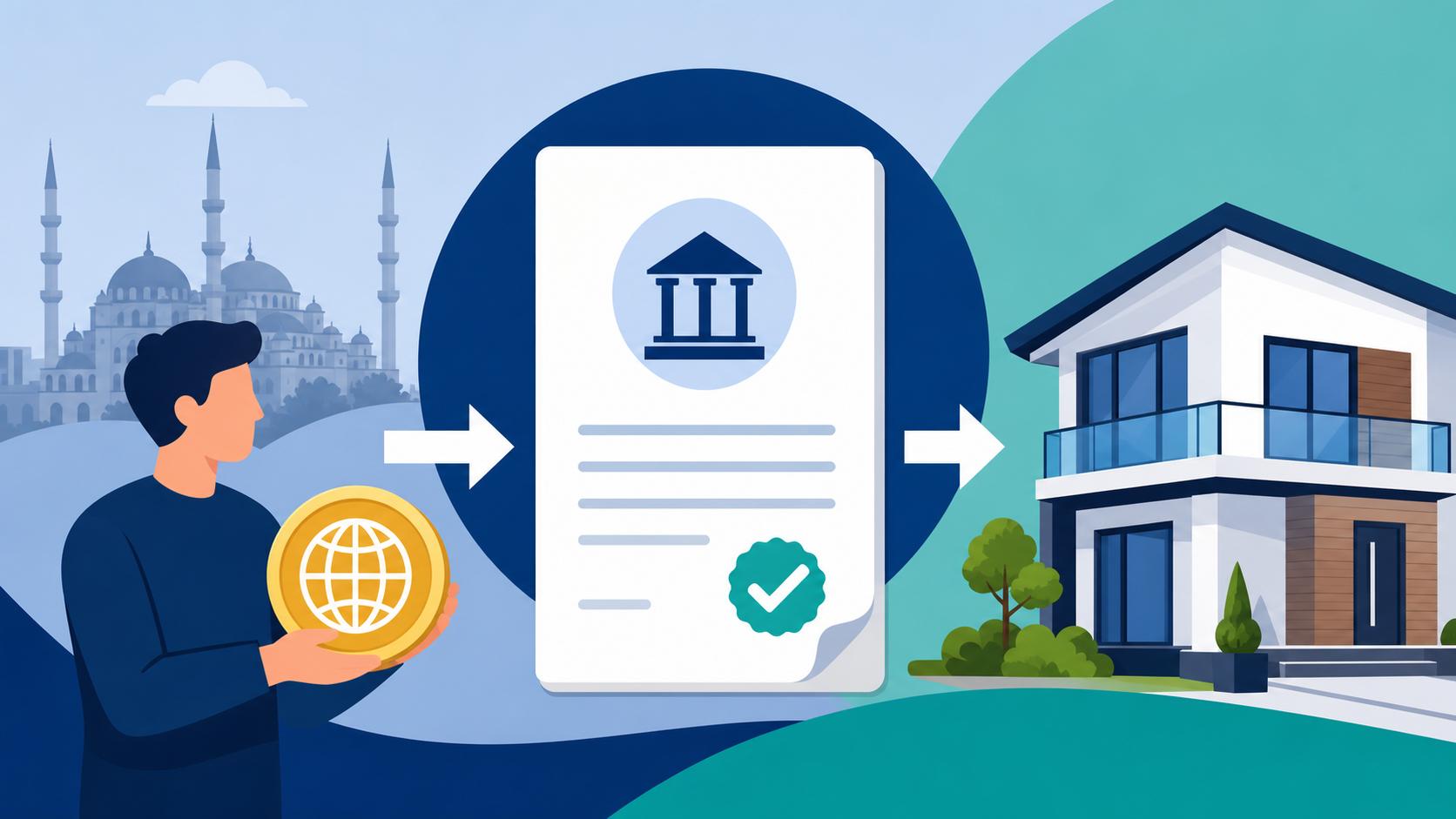
The Döviz Alım Belgesi, commonly referred to as the DAB, is a relatively recent addition to the Turkish property buying process, stemming from regulations introduced in early 2022. Essentially, the Turkish government requires that the foreign currency used by a non-Turkish buyer to purchase real estate must be sold to a Turkish bank, which then sells that currency to the Central Bank of the Republic of Turkey (CBRT).
This isn't just a suggestion; it is a hard legal requirement for any property transaction where a foreigner is the buyer. The Land Registry Office (Tapu ve Kadastro Genel Müdürlüğü) will not finalize your title deed transfer unless you present this specific document. The goal is to bolster the country’s foreign currency reserves, but for the average expat, it’s a high-stakes administrative hurdle that requires precision.
The Legal Basis: Capital Movements Circular
The requirement is rooted in the "Capital Movements Circular" and the "Regulation on the Implementation of the Turkish Citizenship Law." Even if you aren't seeking citizenship and are simply buying a small apartment for a Real Estate Residence Permits: Understanding the Strict USD 200,000 Tapu Rule, you are still bound by these rules. The bank acts as the intermediary, ensuring the Lira used for the purchase is backed by foreign currency that has officially entered the Turkish financial system.
Who Needs to Obtain the DAB
Every foreign individual purchasing property in Turkey must obtain this document. This applies to residential homes, commercial units, and even land. If you are working with a company like Blueground to find temporary housing while you hunt for a permanent home, you won't need a DAB for a rental, but the moment you decide to transition from tenant to owner, this document becomes your most important piece of paper. It bridges the gap between your overseas funds and the Turkish Lira (TRY) value recorded on your new title deed.
The Step-by-Step Workflow for Getting Your DAB
The process sounds straightforward on paper, but the reality involves a fair bit of coordination between your home bank, your Turkish bank, and your real estate lawyer. Transactions can be delayed by weeks simply because a buyer tried to "shortcut" the currency exchange at a local exchange office (Döviz Bürosu) instead of a bank. Remember: exchange offices cannot issue a DAB. Only licensed banks in Turkey have this authority.
Step 1: Transferring Foreign Currency to Your Turkish Bank
The first step is moving your funds. You must send your USD, EUR, or GBP (the most common accepted currencies) to your personal account in Turkey. It is vital that the funds come from an account in your name or are deposited by you in cash with proof of source. While you are sitting in the bank waiting for your SWIFT transfer to clear, using an e-sim from Airalo is a lifesaver to stay connected with your lawyer or agent, especially since bank Wi-Fi can be notoriously spotty for foreigners without a local ID.
Step 2: The Currency Sale Transaction
Once the funds are in your Turkish account, you do not simply "exchange" them via your mobile app. You must explicitly tell the bank teller—or your relationship manager—that you need to perform a "Central Bank Currency Sale" for a property purchase. The bank will then buy the foreign currency from you at the prevailing rate and simultaneously sell it to the Central Bank.
This transaction must occur before the title deed transfer at the Land Registry. The bank will then issue the DAB, which is a formal receipt of this specific two-way sale. If you are staying in a Blueground apartment, you might have the luxury of time to visit different bank branches to see which manager is most familiar with this specific "Foreign Exchange Document" workflow, as some smaller branches in rural areas might still be catching up on the nuances.
Step 3: Verifying the Document Details
Before you leave the bank, you must check the DAB for accuracy. If there is a single digit wrong in your passport number, the Land Registry will reject it. The document must include your full name, passport number (or your 99-series Foreigner ID number), the USD equivalent of the sold currency, and a specific statement mentioning that the transaction is being conducted within the scope of the "Capital Movements Circular."
Crucial Content Requirements for a Valid DAB
A standard currency exchange receipt is not a DAB. I cannot stress this enough. Expats can show up to the Tapu office with a printed screenshot of their mobile banking app, only to be sent away. The DAB is a formal, stamped, and signed (or electronically verified) document that contains very specific metadata required by the Ministry of Environment, Urbanization, and Climate Change.
Mandatory Data Points
To ensure your DAB is accepted, it must clearly display the following:
- Buyer Information: Your name and surname exactly as they appear in your passport.
- Identity Number: Your passport number or your Turkish Tax ID/Residence Permit number.
- Currency Details: The exact amount of foreign currency sold (e.g., 250,000 USD).
- The Reason for Sale: A note stating "Sold to the Central Bank in accordance with Article 13 of the Capital Movements Circular."
- The Property Details: While not always mandatory, it is highly recommended to include the plot and parcel number (Ada/Parsel) of the property you are buying if it has already been identified.
Currency Conversion Rates
The rate used for the DAB will be the Central Bank’s buying rate at the time of the transaction. You should be prepared for a slight discrepancy between the market rate you see on Google and the official rate used by the bank. When calculating your budget for Real Estate Taxes and Fees in Turkey: Buying, Selling, and Renting Costs, always leave a small buffer for these exchange rate fluctuations.
| Feature | Standard Exchange Receipt | Foreign Exchange Document (DAB) |
|---|---|---|
| Issued By | Any Bank or Exchange Office | Banks Only (Directly to Central Bank) |
| Legal Use | Personal Accounting | Mandatory for Property Title Transfer |
| Required Info | Amount and Name | Name, Passport, and Specific Legal Code |
| Central Bank Link | No | Yes (Currency is sold to CBRT) |
| Validity for Tapu | Invalid | Mandatory |
Common Pitfalls and How to Avoid Them
The most common mistake is timing. The DAB must be issued before the final appointment at the Land Registry. However, it shouldn't be done so early that the Lira value loses significant purchasing power if you are paying the seller in Lira. Most veterans of the Turkish property market suggest getting the DAB 24 to 48 hours before your appointment.
Handling the Seller's Payment
A major point of confusion is how the seller gets paid. You sell your USD to the bank, you get Lira and the DAB. You then use that Lira to pay the seller. The amount in Lira on the DAB must match the "declared value" of the property you are submitting to the Land Registry. If you are also busy ordering furniture on Amazon Turkey for your new place, make sure you don't accidentally dip into those Lira funds before the property payment is finalized.
Language Barriers at the Bank
Not every bank teller is an expert in The Tapu Transfer Process: What Happens at the Land Registry Office. You might find yourself explaining the law to the person behind the counter. If you don't speak Turkish, having a translator or a lawyer is essential. You can also use Airalo data to quickly pull up the official Central Bank circular on your phone to show the teller exactly what you need. It’s also helpful to have Opening a Bank Account in Turkey: Rules for Expats, Tourists, and Investors handled long before you need the DAB to ensure your account is fully active and "unblocked" for large transfers.
Practical Tips for a Smooth Transaction
Once you have your DAB in hand, take a high-quality photo of it immediately. While the Land Registry usually requires the original or a verified electronic version, having a digital backup is essential. If you are currently in the middle of your Turkish Residence Permits (Ikamet): The Complete Application Guide (2027), keep a copy of the DAB with your permit files, as it proves the legal entry of your funds into the country.
Coordinating with Your Lawyer
Your lawyer should review the draft of the DAB before it is finalized. Many banks can print a "pro-forma" or a draft version. This allows your legal counsel to verify that the Ada and Parsel numbers are correct and that the legal justification code is included. This is especially important if you are purchasing a high-value property as part of a citizenship application.
Managing Logistics and Living
During this high-stress period, the last thing you want to worry about is where you are sleeping or if your internet works. Staying in a serviced apartment through Blueground provides a stable "home base" where you can spread out your paperwork and use reliable Wi-Fi to manage Sending Money to and from Turkey: SWIFT, IBANs, and International Apps. Once the DAB is done and the Tapu is in your name, you can start the fun part: ordering everything from light fixtures to kitchen appliances on Amazon Turkey to turn that house into a home.
The DAB is essentially the "green light" from the Turkish financial authorities. It tells the Land Registry that your money is "clean," officially exchanged, and that the state has received its required foreign currency. While it adds a layer of bureaucracy, mastering the DAB process is the final major hurdle before you can finally call yourself a homeowner in Turkey.
Disclaimer
This guide is for informational purposes only and does not constitute legal, financial, or investment advice. Turkish real estate regulations, including the "Capital Movements Circular" and Central Bank requirements, are subject to frequent changes. Always consult with a qualified Turkish attorney or a certified public accountant (SMMM) before conducting large financial transactions or property purchases in Turkey.