Value Added Tax (KDV) in Turkey: Standard 20% Rates and Exemption Categories
Navigating the Turkish tax system often feels like trying to solve a Rubik's Cube while riding a crowded Metrobus in the middle of a July heatwave. I remember my first month in Istanbul, feeling completely blindsided by how quickly KDV added up on my grocery receipts without me even understanding which item was taxed at what rate. This guide meticulously breaks down Value Added Tax (KDV) in Turkey to ensure you understand exactly what you are paying for and where you can find exemptions.
Understanding the Basics of KDV in Turkey
If you have spent even a single day in Turkey, you have likely seen the letters "KDV" at the bottom of every receipt, from your morning simit to your monthly internet bill. KDV stands for Katma Değer Vergisi, and it is the consumption tax applied to nearly every product and service in the country. For an expat, understanding this isn't just about accounting; it is about survival in a high-inflation environment where every percentage point matters for your monthly budget.
What is KDV and Why Does it Change
KDV is an indirect tax, meaning the business collects it from you and then passes it on to the government. Historically, Turkey had lower rates, but recent economic shifts have seen the standard rate climb. These rates have fluctuated over the years, often as a tool for the government to either curb consumption or stimulate specific sectors like tourism or textiles. Unlike in some countries where the tax is added at the register, in Turkey, the price you see on the shelf is almost always "KDV Dahil" (KDV included). This makes the sticker shock less intense at the checkout, but it can make it harder to track how much of your money is actually going toward the product versus the state.
When you are Budgeting for Groceries: Understanding Food Inflation in Turkish Supermarkets, you have to realize that the government periodically reclassifies items to help with the cost of living. For instance, basic staples might be moved to a lower tax bracket to keep bread and flour affordable. Keeping an eye on these shifts is essential for anyone living on a fixed foreign income. If you are using a platform like Wise to manage your lira conversions, these small percentage differences in KDV can influence how far your transferred currency actually stretches week to week.
How to Read a Turkish Receipt
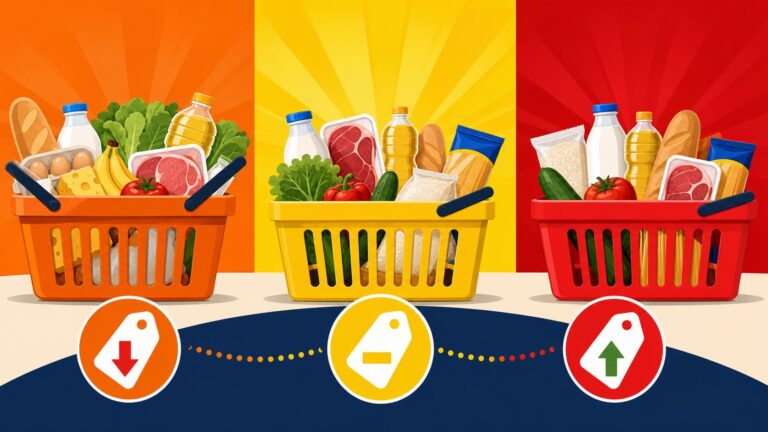
The first time I looked at a grocery fiş (receipt), I thought the cashier had made a mistake. There were multiple lines for KDV, labeled with different percentages like %1, %10, and %20. In Turkey, a single shopping trip to a store like Migros or Carrefour will involve items from all three tax brackets. Your receipt will usually list the subtotal, then break down the tax collected for each bracket separately before showing the final "Toplan" (Total).
Understanding these codes is vital if you are running a business or if you are a freelancer trying to track Freelancer Taxation in Turkey: Self-Employment Receipts and Withholding (Stopaj). You need to know which of your expenses carry a 20% KDV that might be deductible against your own tax liabilities. If you are using international tools like Trade Republic to manage your broader portfolio while living here, keeping your local Turkish expenses organized via your receipts is the only way to get a clear picture of your actual Cost of Living in Turkey 2026: Detailed Budgets for Singles and Families.
The Current KDV Rate Structure 2026 Updates
The Turkish tax landscape has stabilized somewhat after the major hikes of previous years. However, the rates remain high compared to a decade ago. The structure is designed to be progressive, taxing luxury and non-essential goods heavily while attempting to shield the most vulnerable from high taxes on basic food.
The Standard 20 Percent Rate: What it Covers
The 20% rate is the "catch-all" for anything not specifically granted a lower rate. This includes almost all electronics, furniture, white goods (fridges, washing machines), and most services. If you are Buying Furniture and Appliances: Using Trendyol, Hepsiburada, and IKEA, you are paying that full 20% on every item. This is a significant reason why imported goods, such as iPhones or high-end laptops, feel so much more expensive here than in Europe or the US.
When I moved into my first unfurnished apartment in Kadıköy, I was shocked that my "budget" for a sofa and a bed had to be increased by a fifth just to cover the KDV. Services like telecommunications, internet, and legal fees also fall into this category. If you are using NordVPN to secure your connection while working from a local coffee shop, you aren't paying Turkish KDV on that specific subscription (as it's a foreign service), but your local Turkcell or Vodafone bill will definitely include it.
Reduced Rates: 1 Percent and 10 Percent Categories
The 10% rate generally covers "essential" but processed goods. This includes most clothing, textiles, leather goods, and even some basic services like theater or cinema tickets. Interestingly, dining out also falls into this 10% category—usually. I have found that some high-end restaurants might try to apply different rates for alcohol, which always carries the highest tax burdens. When you are Dining out in Turkey: Tipping Etiquette and Understanding Kuver (Cover) Charges, remember that the 10% KDV is already in that menu price.
The 1% rate is reserved for the most basic of staples: raw food materials like bread, certain grains, and some agricultural products. The government keeps this rate extremely low to ensure food security. I have noticed that if I buy a loaf of bread, the tax is negligible, but if I buy a pre-packaged sandwich from the same bakery, the tax might jump because it is now considered a "processed service" or a restaurant item. It is these nuances that can trip up an expat trying to calculate their monthly spending.
| Category | KDV Rate | Typical Examples |
|---|---|---|
| Basic Staples | 1% | Bread, wheat, flour, certain seeds, basic grains |
| Essential Goods | 10% | Clothing, shoes, textiles, medical supplies, basic food items like meat/dairy |
| Standard / Luxury | 20% | Electronics, cars, furniture, alcohol, cigarettes, most professional services |
| Services / Hospitality | 10% | Hotel stays, restaurant meals (excluding alcohol), theater/cinema tickets |
KDV Exemptions and Refunds for Foreigners
One of the few perks of being a foreigner in Turkey—at least initially—is the ability to avoid KDV in specific, high-value scenarios. Whether you are a tourist or a resident, there are legal "loopholes" designed to encourage foreign investment and tourism.
Tax Free Shopping for Tourists vs Residents
If you are in Turkey on a tourist visa, you are eligible for KDV refunds on many physical goods you take out of the country. You will see "Tax-Free" signs in windows at malls like Istinye Park or Zorlu Center. To claim this, you need to spend over a certain threshold and get a specific Tax-Free form from the merchant. Visitors should keep their passports handy, because shops often need a passport number to generate the form.
However, once you have your residence permit (Ikamet), you are no longer eligible for these retail KDV refunds. The system assumes you are consuming these goods within Turkey. If you are still in the process of Turkish Residence Permits (Ikamet): The Complete Application Guide (2027), enjoy the tax-free shopping while you can. Once you are a resident, your financial focus should shift to managing your lira effectively. Using Wise for your daily spending can help you track these costs better than a foreign credit card that might hide the KDV in an unfavorable exchange rate.
KDV Exemptions on Real Estate Purchases
This is the big one. If you are looking at Buying Property in Turkey: Understanding Title Deeds (Tapu) and Valuation, you could potentially save tens of thousands of dollars. Foreigners who do not reside in Turkey and buy property with foreign currency are often exempt from the 1% to 20% KDV typically applied to new builds.
Many expats miss out on this because they didn't follow the "foreign currency" rule. The money must be brought into Turkey from abroad specifically for the purchase. You cannot use Lira you have been sitting on in a Turkish bank account for three years. This is a complex area of Real Estate Taxes and Fees in Turkey: Buying, Selling, and Renting Costs, and you absolutely must work with a lawyer to ensure the "KDV İstisnası" (KDV Exemption) is correctly applied to your Tapu (Title Deed) process.
KDV for Business Owners and Freelancers
If you decide to stop being a "guest" and start being an entrepreneur, KDV becomes a central part of your professional life. You move from being a tax-payer to a tax-collector.
Managing KDV as a Sole Trader
Setting up a "Şahıs Şirketi" (Sole Tradership) is a common path for English teachers or consultants. When you invoice a Turkish client, you must add 20% KDV to your fee. This can be a shock to clients if you haven't specified "plus KDV" in your initial quote. I learned the hard way to always put "+ KDV" in my contracts. If you don't, that 20% comes directly out of your profit.
The "silver lining" is that you can deduct the KDV you pay on business expenses—like your office chair, your laptop, or even a portion of your Setting Up Your Turkish Home: Utilities, Internet Providers, and Aidat if you work from home—against the KDV you collect. If you are using Binance to handle payments or crypto-related business, be aware that the KDV rules for digital assets are still evolving, and you should consult a "Mali Müşavir" (CPA) to stay compliant.
Digital Services and Overseas Invoicing
If you are a digital nomad or an exporter of services (like software development or translation), Turkey actually offers some fantastic tax breaks. If your client is located outside of Turkey and the service is consumed outside of Turkey, you are often exempt from charging KDV. This makes Turkish-based freelancers very competitive globally.
If you are navigating the Digital Nomad Visa Turkey (2027): Full Requirements and Application Guide, you might not even need to register a local business if your income stays below certain thresholds and comes entirely from abroad. However, for those who do register, the 0% KDV on exported services is a massive boon. To ensure your international payments are secure and your data is protected while managing these offshore invoices, using a combination of NordVPN for secure banking access and Trade Republic for storing your business reserves can be a smart move.
Practical Financial Management for Expats
Living in a country with a 20% standard KDV rate requires a different mindset regarding "deals" and budgeting. What looks like a bargain often has that hidden tax layer that can bite you if you aren't careful.
Budgeting for High Tax Items
When you are Opening a Bank Account in Turkey: Rules for Expats, Tourists, and Investors, you should talk to your bank about "Taksit" (installments). One way residents handle the high KDV on electronics or furniture is by spreading the cost over 6 to 12 months. Many Turkish credit cards offer 0% interest installments on the full KDV-inclusive price.
I always suggest that new arrivals delay major purchases until they have their local credit history somewhat established. Buying an oven or a television in one lump sum is painful when 20% of that price is just tax. If you have to pay upfront, using an app like Wise to get the best possible exchange rate for your foreign currency is the only way to mitigate the high local cost.
Tools for International Financial Management
Since KDV and other local taxes like the Special Consumption Tax (ÖTV) on cars and phones make Turkey an expensive place for "stuff," many expats choose to keep their major investments elsewhere. Using platforms like Trade Republic allows you to keep your savings in more stable markets or ETFs while only bringing into Turkey what you need for your monthly expenses.
For those who are crypto-savvy, Binance is widely used in Turkey to move funds quickly, which can be helpful if you need to liquidate an asset to cover a sudden tax bill or a high-KDV purchase. Just remember that while the act of transferring money might be easy, the obligation to understand the tax on what you buy with that money remains your responsibility.
Mandatory Disclaimer
This guide is intended for informational purposes only and is based on personal experience and general research within the Turkish financial landscape. Tax laws, KDV rates, and exemption categories in Turkey are subject to frequent changes by the Ministry of Treasury and Finance. We are not certified tax professionals, lawyers, or financial advisors. You should always consult with a qualified "Mali Müşavir" (Certified Public Accountant) or a legal expert before making significant financial decisions, starting a business, or applying for tax exemptions in Turkey. The author and publisher assume no liability for any financial losses or legal issues arising from the use of this information.